Pictorialism · 1920
Sunflower (Едуард Стейчен, 1920)
Едуард Стейчен (1900–1973) създаде Sunflower. Датира от 1920. Това произведение принадлежи към движението Pictorialism. Изdelano е от Acrylic On Canvas. Експонира се в Грейт Устман Мюзеум в Рочестър, Съединени Американски Щати. Размерите са 19 × 24 cm.
- 1920
- Acrylic On Canvas
- 19 × 24 cm
- Грейт Устман Мюзеум, Рочестър

 Преглед в реален мащаб

 Ръчно изработена маслена картина
 Изпрати
 Сподели
 Информационен лист


 Изтегляне
 Подобни артикули
 Рентгенова снимка
 Слайдшоу
 Въпроси и отговори

 Статистика
Sunflower накратко
- Заглавие
- Sunflower
- Художник
- Едуард Стейчен (1900–1973)
- Роден в
- Бѝванж, Люксембург
- Дата
- 1920
- Техника
- Acrylic On Canvas
- Размери
- 19 × 24 cm
- Къде може да се види
- Грейт Устман Мюзеум, Рочестър, Съединени Американски Щати
- Движение
- Pictorialism
- Епоха
- 19th Century
- Предмет
- sunflower, edward steichen, photography, art, landscape, composition
Какво е изобразено в Sunflower?
A Luxembourgian Seed Takes Root: The Genesis of “Sunflower”
Edward Steichen’s 1920 painting, "Sunflower," isn’t merely a depiction of a flower; it's a poignant distillation of memory, displacement, and the enduring search for belonging. Born in the small, unassuming village of Bivange, Luxembourg, in 1879 – a region steeped in history and shadowed by the shifting borders of Europe – Steichen’s early life was marked by an emigration to America at just eighteen months old. This relocation, a common experience for Luxembourgers facing economic hardship, instilled within him a profound sense of rootlessness, a feeling that would subtly permeate his artistic vision throughout his career. The painting itself emerges from this context; it's not simply a botanical study but a visual echo of a past left behind, a yearning for stability amidst constant change.
Steichen’s journey to America was fueled by the hope of opportunity and a desire to escape the limitations imposed by his birthplace. He quickly immersed himself in the vibrant artistic scene of Milwaukee, Wisconsin, where he honed his skills as a lithographer and began experimenting with photography – a medium that would ultimately become his defining voice. This early exposure to both visual arts laid the groundwork for his later ability to capture light, texture, and emotion with remarkable precision.
The Pictorialist’s Palette: Technique and Style
“Sunflower” exemplifies Steichen's mastery of the pictorialist style – a movement that sought to elevate photography to the level of fine art. The painting is rendered in tempera and oil on canvas, utilizing a muted palette dominated by earthy browns, ochres, and subtle greens. These colors evoke the rich soil from which the sunflower springs, grounding the image in a sense of naturalism while simultaneously lending it an air of quiet contemplation. Steichen’s brushwork is deliberately soft and blended, creating a hazy, dreamlike quality that obscures sharp details and invites the viewer to lose themselves within the scene.
The composition itself is carefully constructed. The sunflower dominates the center of the frame, its broad petals radiating outwards in an explosion of color and form. Steichen employs a technique known as *sfumato*, borrowed from Renaissance painting, to soften edges and create a sense of atmospheric perspective. This blurring effect not only adds depth but also contributes to the painting’s overall mood of melancholy and nostalgia. The lighting is particularly noteworthy – a diffused, almost ethereal glow that seems to emanate from within the flower itself, suggesting an inner life and vitality.
Symbolism in Bloom: Memory, Displacement, and Resilience
The sunflower, as a symbol, carries layers of meaning. Historically, it has represented adoration, loyalty, and longevity – qualities that resonate deeply with Steichen’s own experiences. The flower's tendency to follow the sun is often interpreted as a metaphor for seeking guidance and direction in life, a theme particularly relevant to an artist grappling with displacement and uncertainty. The painting can be seen as a visual representation of Steichen’s own journey – his departure from Luxembourg, his struggles to find acceptance in America, and his ongoing quest for artistic fulfillment.
Furthermore, the sunflower's association with remembrance is significant. It’s often used as a symbol of mourning and remembrance, connecting to the broader context of Steichen’s life – marked by personal loss and the challenges of adapting to a new culture. Despite these hardships, however, “Sunflower” ultimately conveys a sense of resilience and hope. The flower's vibrant colors and upward-reaching form suggest an enduring spirit, a testament to the human capacity for growth and renewal.
A Legacy in Light: Steichen’s Enduring Influence
Edward Steichen’s “Sunflower” stands as a powerful example of his artistic vision – a synthesis of technique, symbolism, and personal experience. His pioneering work in photography and painting profoundly influenced generations of artists, shaping the course of modern visual culture. Today, reproductions of this evocative image continue to captivate viewers with their quiet beauty and poignant message. It serves as a reminder that even amidst displacement and hardship, there is always room for growth, remembrance, and the enduring pursuit of light.
В кой музей се намира Sunflower?
Грейт Устман Мюзеум
Рочестър, Съединени Американски Щати
Наследство, изсечено в светлина Разположен сред спокойния, зелен пейзаж на Рочестър, Ню Йорк, се издига монумент не просто на изкуството, но и на самото изобретение на визуалното разказване. Музеят Джордж Истман е много повече от хранилище за фотографии и филми; той е живо свидетелство за безграничното човешко желание да уловят мимолетните моменти, да запазят ефимерните спомени и да споделят дълбоки видения. Основана от визионерния предприемач Джордж Истман — човекът, който демократизира фотографията чрез своите революционни камери Kodak — тази институция олицетворява необичайно сливане на технологична иновация, артистично изразяване и архитектурно величие.


Изображения с висока резолюция на Sunflower

Protected by copyright: these files are for personal reference, not a licence to republish.
Едуард Стейчен, Sunflower (1920), Грейт Устман Мюзеум.
Отговори на въпроси относно Sunflower
Къде може да бъде видяно „Sunflower“ на Едуард Стейчен днес?
Оригиналът на „Sunflower“ може да бъде видян в Грейт Устман Мюзеум, Рочестър, Съединени Американски Щати.
Коя е датата на създаване на „Sunflower“ на Едуард Стейчен?
„Sunflower“ на Едуард Стейчен е създадена през 1920.
С какви материали е създадено "Sunflower"?
"Sunflower" е изпълнено в Acrylic On Canvas.
Какви са реалните размери на „Sunflower“ на Едуард Стейчен?
Размерите на оригиналната творба „Sunflower“ на Едуард Стейчен са 24 x 19 cm.
Какво изобразява „Sunflower“ на Едуард Стейчен?
Темите, представени в „Sunflower“ на Едуард Стейчен, включват sunflower, edward steichen, photography, art, landscape, composition, color, 1920. Заедно те обобщават съдържанието на произведението.
Може ли изображението на „Sunflower“ на Едуард Стейчен да се репродуцира свободно?
„Sunflower“ на Едуард Стейчен е в все още е защитено с авторско право. Този статус определя как може да бъде репродуцирано изображението на произведението.
Кой е художникът зад "Sunflower"?
Художникът зад "Sunflower" е Едуард Стейчен. Произведението е каталогизирано под името на Едуард Стейчен.
Към кой стил принадлежи "Sunflower"?
„Sunflower“ е произведение от Pictorialism. Това направление определя художествената традиция, към която принадлежи творбата.
Коя е фазата от творческия път на Едуард Стейчен, която представлява „Sunflower“?
В рамките на кариерата на Едуард Стейчен, „Sunflower“ принадлежи към периода Early Period. Тази фаза позволява да се направи сравнение с другите творби на художника.
За художника Едуард Стейчен

1900–1973, Люксембург
Едуард Стейчен
Живот, свързващ светове: Артистичната одисея на Едуард Стейчен Едуард Жан Стейчен, по-късно известен като Едуард Стейчен, е фигура, която надхвърля обикновените категории. Роден през 1879 г. в малкото село Биванж, Люксембург, неговият живот се превръща в изключително пътешествие – от европейските корени до превръщането му в един от най-влиятелните американски артисти, не само като фотограф, но и като живописец, куратор и визионер, който преосмисли начина, по който възприемаме визуалната култура. Ранните му години са белязани от значително преместване; през 1881 г.
Други творби на Едуард Стейчен
 Le Tournesol (The Sunflower)1920
 Behind-the-scenes photograph, Paying the Piper1921
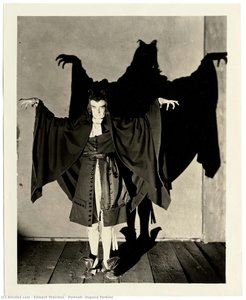 Portrait, Osgood Perkins1923
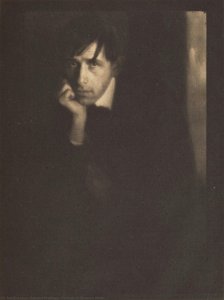 Portrait of Clarence White1905
Есеи по темата Sunflower
 Pictorialism Unveiled: How the Aesthetic Revolution Transformed Photography into Fine ArtExplore the revolution of Pictorialism. Discover how visionary photographers moved beyond documentation to transform the lens into a fine a…
 Топ 10 шедьоври от XIX век: Изкуство, история и красота за вашия домПотопете се в блясъка на 19 век с нашия списък от топ 10 шедьоври! От импресионизма до реализма, разгледайте историите зад Моне, Ван Гог и …
 Sunlight on Canvas: The Radiant Symbolism of Yellow Flowers in Impressionist ArtExplore the profound symbolism of yellow flowers in Impressionist art through expert analysis. Discover the light of the masters today.