Contemporary Realism Contemporary Realism · 1912
squam light (Едуард Хопър, 1912)
Едуард Хопър (1882–1967) създаде squam light. Датира от 1912. Това произведение принадлежи към движението Contemporary Realism Contemporary Realism. Изdelano е от Acrylic On Canvas.
- 1912
- Acrylic On Canvas

 Преглед в реален мащаб

 Ръчно изработена маслена картина
 Изпрати
 Сподели
 Информационен лист


 Изтегляне
 Подобни артикули
 Рентгенова снимка
 Слайдшоу
 Въпроси и отговори

 Статистика
squam light накратко
- Заглавие
- squam light
- Художник
- Едуард Хопър (1882–1967)
- Роден в
- Ъпър Някс, Съединени Американски Щати
- Дата
- 1912
- Техника
- Acrylic On Canvas
- Епоха
- 19th Century
- Предмет
- lighthouse scene, coastal landscape, edward hopper, atmospheric light, solitude theme, american realism
Какво е изобразено в squam light?
A Study in Coastal Solitude: "Squam Light" by Edward Hopper
Edward Hopper’s “Squam Light,” painted in 1912, is more than just a depiction of a New England coastline; it's a carefully constructed meditation on isolation and the enduring presence of human endeavor against the vastness of nature. The painting immediately draws the viewer into a scene of quiet contemplation – a solitary lighthouse standing sentinel over a turbulent sea, its white form a beacon both literal and metaphorical. Hopper’s masterful use of light and shadow, hallmarks of his style, dramatically shapes the composition, emphasizing the stark geometry of the lighthouse against the diffuse, cloudy sky.
- Subject Matter: The primary subject is the iconic New England lighthouse, a symbol of guidance, safety, and connection. However, Hopper subtly subverts this traditional symbolism by presenting it in a state of quiet detachment.
- Composition: The placement of the houses – one prominent in the foreground, another receding into the distance – creates a sense of depth and invites the viewer to consider the lives unfolding within these modest dwellings.
Technique and Style: Hopper’s Realist Vision
Painted during a period when American realism was gaining prominence, “Squam Light” exemplifies Hopper's meticulous attention to detail and his ability to capture the essence of everyday life. His technique is characterized by precise brushwork and a restrained palette – primarily muted blues, grays, and whites – which contributes significantly to the painting’s melancholic mood. Hopper’s approach was rooted in observation; he spent considerable time studying the landscapes and people around him, translating his perceptions onto canvas with remarkable accuracy. The slightly hazy atmosphere, achieved through layering of paint, adds a sense of atmospheric perspective, further enhancing the realism of the scene.
Historical Context: A Moment of Transition
1912 marks a pivotal moment in American art history. Hopper was developing his distinctive style during this time, influenced by the burgeoning interest in depicting modern life and the growing awareness of urban alienation. The rise of industrialization and urbanization were beginning to reshape American society, leading to increased feelings of isolation and detachment – themes that would become central to Hopper’s oeuvre. This painting reflects a broader cultural shift towards introspection and a questioning of traditional values.
Symbolism and Emotional Impact
"Squam Light" resonates with viewers on an emotional level due to its inherent ambiguity. The lighthouse, though offering guidance, remains isolated; the houses suggest lives lived within quiet routines, perhaps lacking connection or purpose. Hopper’s work frequently explores themes of loneliness, alienation, and the search for meaning in a rapidly changing world. The painting's subdued palette and carefully constructed composition evoke a sense of melancholy and contemplation, inviting viewers to reflect on their own experiences of solitude and the relationship between humanity and the natural world. It is a powerful reminder of the quiet beauty and inherent sadness that can be found in even the most familiar landscapes.
Изображения с висока резолюция на squam light
Protected by copyright: these files are for personal reference, not a licence to republish.
Едуард Хопър, squam light (1912).
Отговори на въпроси относно squam light
Коя е датата на създаване на „squam light“ на Едуард Хопър?
„squam light“ на Едуард Хопър е създадена през 1912.
Каква техника е използвана за „squam light“ на Едуард Хопър?
Едуард Хопър е използвал/а техниката Acrylic On Canvas за „squam light“. Тази техника определя материалната природа на оригиналното произведение.
Какво изобразява „squam light“ на Едуард Хопър?
„squam light“ на Едуард Хопър изобразява: lighthouse scene, coastal landscape, edward hopper, atmospheric light, solitude theme, american realism, nineteen eleven.
Може ли изображението на „squam light“ на Едуард Хопър да се репродуцира свободно?
Що се отнася до авторското право, „squam light“ е в все още е защитено с авторско право.
На кой художник се приписва "squam light"?
„squam light“ се приписва на Едуард Хопър.
Към кой стил принадлежи "squam light"?
„squam light“ е произведение от Contemporary Realism Contemporary Realism. Това направление определя художествената традиция, към която принадлежи творбата.
На кой период от кариерата на Едуард Хопър принадлежи „squam light“?
В рамките на кариерата на Едуард Хопър, „squam light“ принадлежи към периода Mature Period Mature Period. Тази фаза позволява да се направи сравнение с другите творби на художника.
На каква възраст Едуард Хопър създава „squam light“?
Едуард Хопър е бил на 30 години, когато създава „squam light“ през 1912. Възрастта е изчислена въз основа на годината на раждане на художника, 1882.
Защо статусът на авторското право върху "squam light" е такъв?
„squam light“ на Едуард Хопър е в все още е защитено с авторско право. Срокът на авторското право се изчислява от годината на смъртта на художника, която е през 1967.
За художника Едуард Хопър
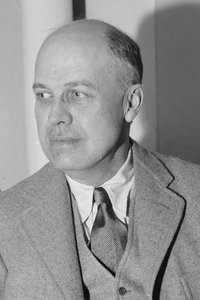
1882–1967, Съединени Американски Щати
Едуард Хопър
Тишината на американската сцена Едуард Хопър е роден в Апер Найак, Съединени Американски Щати. Ранните му години са прекарани в наблюдение на света с проницателен поглед – навик, започнал с детските скици, които са били прецизно датирани и подписани. Докато родителите му са предлагали по-прагматичен път в търговската илюстрация, неговият фокус остава насочен към изящните изкуства. Той изучава в Ню Йоркската школа по изкуства под ръководството на Уилям Мъррити Чейс и Робърт Хенри.
Други творби на Едуард Хопър
 Нощни сови, Художественият институт на Чикаго, Чикаго1942
 Автомат (малък)
 Къща до железопътната линия1925
 Филм от Ню Йорк1939
Есеи по темата squam light
 Harlem Renaissance vs. American Scene Painting: Defining Two Eras of US ArtDiscover the stylistic differences between Harlem Renaissance and American Scene Painting. Explore these iconic art movements now.
 American artworks of the 1940sIconic 1940s American works by Edward Hopper and Dorothea Lange. Explore the full collection online at OriginalUniqueArt.com.
 American artworks of the 1950sIconic 1950s American works by Edward Hopper and Richard Avedon define an era. Explore the full collection online at OriginalUniqueArt.com.