Contemporary Realism
Evening Wind (Едуард Хопър)
Едуард Хопър (1882–1967) създаде Evening Wind. Това произведение принадлежи към движението Contemporary Realism. Изdelano е от Etching.
- Etching

 Преглед в реален мащаб

 Ръчно изработена маслена картина
 Изпрати
 Сподели
 Информационен лист


 Изтегляне
 Подобни артикули
 Рентгенова снимка
 Слайдшоу
 Въпроси и отговори

 Статистика
Evening Wind накратко
- Заглавие
- Evening Wind
- Художник
- Едуард Хопър (1882–1967)
- Роден в
- Ъпър Някс, Съединени Американски Щати
- Техника
- Etching
- Движение
- Contemporary Realism
- Епоха
- Modern
- Предмет
- solitude, femininity, interior space, bedtime, darkness, light contrast
Какво е изобразено в Evening Wind?
Identification of Evening Wind by Edward Hopper
The scene unfolds in 1930, a moment frozen in the quietude of Evening Wind. Edward Hopper captures a singular instance of stillness, presenting a portrait of quiet contemplation that feels as though it is happening right now, just beyond the reach of the viewer. The air seems to hold its breath as the subject settles into a private, internal world.
In this work, Edward Hopper focuses on the weight of a single, unspoken thought. The composition centers on a woman, her presence defined by a sense of vulnerability and the soft, restless movement of fabric. It is a study of the human condition caught in a pause, where the external world recedes to make room for the gravity of the individual experience.
Composition and Visual Elements
The scene unfolds from a slightly elevated perspective, as if the viewer is looking down into a private, quiet moment. At the heart of this arrangement, a figure sits kneeling near the edge of a bed. The composition relies on a striking interplay of geometry and movement. Strong vertical lines rise from the bedpost, anchoring the space with a sense of structural permanence. These rigid, upright forms clash against the fluid, contrasting curves of the figure's body and the billowing fabric of the sheets.
A dynamic tension pulls at the eye, caught between the unyielding verticality of the furniture and the restless, sweeping motion of the draped cloth. Behind the woman, the world falls away into a dark, undefined space. This void pushes the subject forward, heightening the sense of isolation within the room. The arrangement directs all attention to the central figure, making the stillness of the woman feel heavy against the sudden, outward surge of the linens.
Technique and Material Details
The artist works with a steady hand, pressing a needle tool into a metal plate to etch fine, decisive lines. This process of drypoint etching or engraving requires a meticulous touch to transfer the image onto the surface, which is typically composed of copper or zinc. Every stroke of the needle carves a path for the ink, preparing the plate for the moment of contact with paper. There is a rhythmic precision in how these marks are laid down, capturing the subtle textures of the scene through sheer physical effort.
Once the plate is prepared, ink is applied across the surface, settling into the grooves and depressions created by the tool. The printing process pulls this ink onto the paper, revealing a world of tonal nuance. To build depth and define the forms of the woman and the billowing fabric, the artist employs extensive hatching and cross-hatching. These dense networks of fine lines create the illusion of shadow and light, allowing the eye to perceive volume and texture where there is only ink and paper. The interplay of these marks gives the sheets a sense of movement and the shadows a palpable weight.
Color Palette and Lighting Effects
The scene unfolds within a strict monochrome grayscale scheme. There is no color to distract the eye, only a deliberate arrangement of light and shadow. Shades of gray stretch from the deepest, ink-like blacks to the palest, most fragile whites. This limited range forces the viewer to focus on the essential architecture of the moment, emphasizing the heavy texture of the fabric and the sharp contours of the room. Every tonal shift defines a shape or a surface, making the interplay of light feel tangible.
An unseen source of illumination cuts through the stillness, casting dramatic shadows that stretch across the space. This light creates a sharp, heavy contrast between the bright highlights and the dark, receding corners. The way the light hits the billowing sheets and the figure's form gives the composition a sense of volume and depth. It is a study in how darkness can define a space just as clearly as the light itself, carving out a sense of presence within the quiet, shadowed interior.
Subject Matter and Emotional Themes
A private moment unfolds in the stillness of a room, centered on a woman kneeling beside a bed. She exists in a state of quiet contemplation, her posture revealing a profound sense of vulnerability. Around her, the sheets billow outward, caught in an unseen movement that suggests a sudden, restless energy. These shifting fabrics act as metaphors for an internal emotional turbulence, mirroring a spirit that cannot find rest even in the sanctuary of a domestic space.
The atmosphere carries a heavy weight of quiet melancholy. There is a palpable sense of solitude here, as if the air itself is thick with unspoken thoughts. The scene invites a feeling of longing, pulling the viewer into a space defined by introspection and the heavy silence of a life lived in the margins of the everyday. One wonders what occupies her mind in this solitary hour, as the shadows deepen around her figure.
Related Works by Edward Hopper
The artist's earlier explorations reveal a steady gaze that began long before this intimate moment. In 1903, an Edward Hopper Self-Portrait captures a younger version of the man who would eventually master the art of stillness. By 1912, the work squam light shows a developing eye for the way illumination interacts with its surroundings. These early pieces hint at the profound ability to find meaning in the quietude of a single scene.
Other works from his career echo the themes of solitude and the subtle tension of human presence. In Night on the El Train, a sense of silence settles between figures, much like the unspoken narratives found in domestic interiors. The artist also turned his attention to simpler, more direct subjects, such as the nautical scene in The Catboat. Each piece reflects a persistent interest in the intersection of physical space and the private, internal experiences of those caught within it.
Изображения с висока резолюция на Evening Wind
Защитено от авторско право: изображението е показано само с информационна цел.
Други размери, кадриране и цитиране →Едуард Хопър, Evening Wind.
Отговори на въпроси относно Evening Wind
С каква техника е изпълнено „Evening Wind“ на Едуард Хопър?
Техниката на „Evening Wind“ на Едуард Хопър е Etching. Репродукциите са предназначени да предадат визуалния ефект на тази техника.
Какви сюжети се появяват в „Evening Wind“ на Едуард Хопър?
Обектите на "Evening Wind" са solitude, femininity, interior space, bedtime, darkness, light contrast, domesticity, vulnerability.
Свободен ли е от авторско право "Evening Wind"?
„Evening Wind“ на Едуард Хопър е в все още е защитено с авторско право. Този статус определя как може да бъде репродуцирано изображението на произведението.
На кой художник се приписва "Evening Wind"?
Художникът зад "Evening Wind" е Едуард Хопър. Произведението е каталогизирано под името на Едуард Хопър.
Към кой стил принадлежи "Evening Wind"?
„Evening Wind“ на Едуард Хопър принадлежи към художественото направление Contemporary Realism. Това движение определя стилистичния контекст на произведението.
Към кой период от кариерата на Едуард Хопър принадлежи „Evening Wind“?
„Evening Wind“ принадлежи към Mature Period от кариерата на Едуард Хопър. Тази класификация свързва творбата с развитието на художника.
Какво определя правния статус на „Evening Wind“ на Едуард Хопър по отношение на авторското право?
„Evening Wind“ на Едуард Хопър е в все още е защитено с авторско право. Срокът на авторското право се изчислява от годината на смъртта на художника, която е през 1967.
Как "Evening Wind" се вписва в темите и стила на Едуард Хопър?
"Evening Wind" принадлежи към творчеството на Едуард Хопър в рамките на Contemporary Realism, чиито утвърдени теми включват realism, psychological depth, urban isolation, domestic tranquility, hopper’s signature style.
Как се позиционира „Evening Wind“ сред често срещаните теми в творчеството на Едуард Хопър?
Сред утвърдените теми на Едуард Хопър – realism, psychological depth, urban isolation, domestic tranquility, hopper’s signature style – „Evening Wind“ привнося собствен фокус върху solitude, femininity, interior space, bedtime, darkness, light contrast, domesticity, vulnerability.
За художника Едуард Хопър
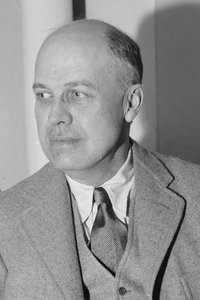
1882–1967, Съединени Американски Щати
Едуард Хопър
Тишината на американската сцена Едуард Хопър е роден в Апер Найак, Съединени Американски Щати. Ранните му години са прекарани в наблюдение на света с проницателен поглед – навик, започнал с детските скици, които са били прецизно датирани и подписани. Докато родителите му са предлагали по-прагматичен път в търговската илюстрация, неговият фокус остава насочен към изящните изкуства. Той изучава в Ню Йоркската школа по изкуства под ръководството на Уилям Мъррити Чейс и Робърт Хенри.
Други творби на Едуард Хопър
 Нощни сови, Художественият институт на Чикаго, Чикаго1942
 Автомат (малък)
 Къща до железопътната линия1925
 Филм от Ню Йорк1939
Есеи по темата Evening Wind
 Norwegian artworks of the 1920sNorwegian 1920s art by Edvard Munch and Nikolai Astrup defines an era of expressionism. View the full collection online at OriginalUniqueAr…
 Топ 25 шедьовъра на Едуард Хопър: Изображения на американската самота и светлинаРазгледайте топ 25 шедьовъра на Едуард Хопър – икони на американския реализъм, самотата и светлината. Вдъхновете се за декорацията на дома …
 The Incised Line: A Technical and Historical Study of Intaglio PrintmakingMaster the technical nuances of intaglio, from engraving to mezzotint. Explore the history of the recessed line now.