- Начало

- Принт върху платно
- Дъгът Уилям Трайън
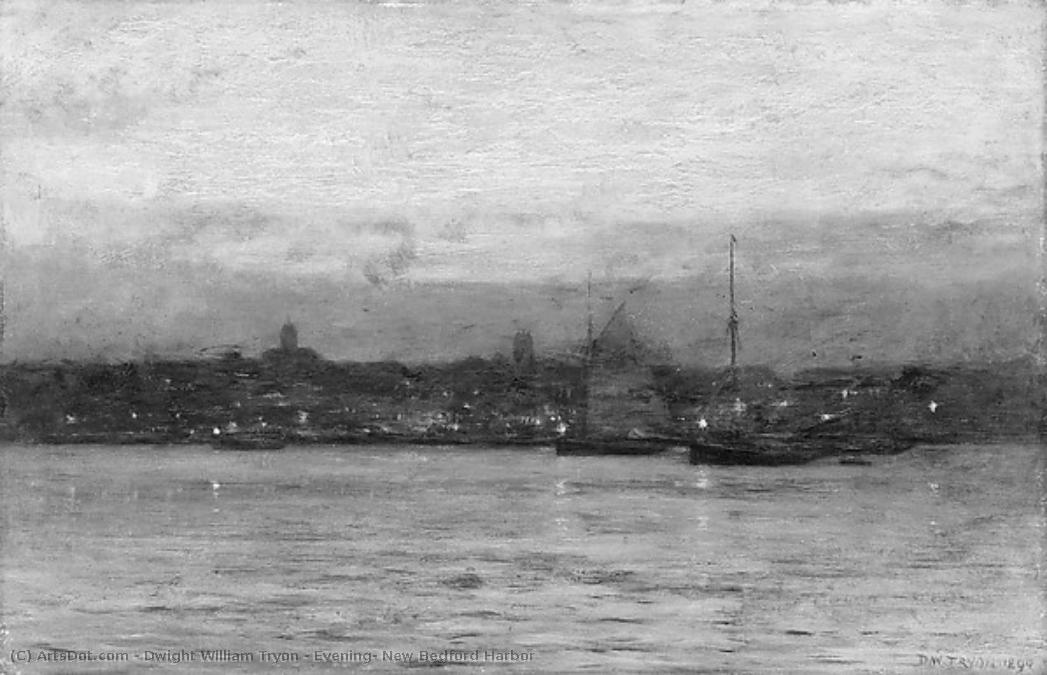
- Evening, New Bedford Harbor
 Preview
 Купи картина Купи изображение
 Изпрати
 Сподели
 Детайли
 Добавяне към любими

 Изтегляне
 Подобни
 Рентгенова снимка
 Слайдшоу
Evening, New Bedford Harbor
 Oil On Canvas
- WallArt
- Tonalist Painting
 1890
1890- 19th Century
 51.0 x 80.0 cm
 Метрополитън Музей на изкуствата
 Прочетете повече
Жикле / Художествен принт
Giclée печат или принт върху платно с музейно качество, бързо производство и гъвкави опции за завършен вид.




P118B $10

P118H $10

P118W $10

P438Z $10

P508JH $12

P508YH $12

P805H $10

P805Z $10

P919BZ $10

P919G $10

P919XJ $10

P959ZH $10

P968JZ $12

W106C $8

W218G $10

W218JH $8

W218Y $10

W307PJ $10

W316G $10

W316PJ $8

W316Y $10

W398PJ $8

W4111J $10

W500HY $15

W500JH $15

W692G $12

W849H $8

W940BG $15

W953PJ $8




Изберете от предварително зададените размери, които съответстват на оригиналните пропорции на произведението.

Можете да въведете собствени размери, за да паснат на конкретна рамка или пространство. Ако избраният от Вас размер не съвпада с пропорциите на оригиналното изображение, ние ще изрежем произведението или ще разширим изображението с огледален или едноцветен ръб. Дигитален макет ще бъде изпратен за Ваше одобрение преди започването на производството.
Моля, имайте предвид, че предпрегледът на екрана не отразява реалното изрязване или разширяване. Само макетът ще покаже точно финалната композиция.
Въпреки че са налични персонализирани размери, препоръчваме да изберете размер от предварително дефинирания списък, за да запазите оригиналните пропорции.
Доставка по целия свят () в рамките на 2 седмици вместо стандартните 4/5 седмици. (25 Юли)

Безплатна експресна доставка по целия свят

Висококачествено ленено платно

Пълно застраховане при доставка

Гаранция за възстановяване на митнически такси

Гаранция за цветова точност

60-Дневен период за връщане (Само при дефекти)

100% Гаранция за връщане на парите

Предложение за отстъпка при поръчка на едро
 Стъклото е налично само в размери под 110 см

Evening, New Bedford Harbor
Жикле / Художествен принт
Размер на репродукцията
-


Обща цена
-
Описание на колекционерския предмет
A Moment of Quietude: The Essence of Dwight William Tryon’s “Evening, New Bedford Harbor”
Dwight William Tryon's "Evening, New Bedford Harbor" isn’t merely a depiction of a maritime scene; it’s an immersion into a specific time and mood. Painted in 1890, this oil on wood canvas captures the profound stillness of twilight over the harbor, offering a glimpse into the lives intertwined with the sea and the quiet dignity of a fading day. The painting immediately draws the viewer in with its monochromatic palette – a carefully orchestrated dance of grays, blacks, and whites that eschews traditional color for an exploration of light, shadow, and atmosphere. It’s a testament to Tryon's mastery of tonalism, an American art movement he embraced wholeheartedly, prioritizing emotional resonance over precise representation.
The composition itself is remarkably balanced, dividing the canvas into distinct yet harmonious zones. The foreground, dominated by the dark, reflective waters of the harbor, anchors the scene and establishes a sense of depth. Beyond this lies the middle ground, populated with several ships – not rendered as individual entities but rather as suggestive forms, blending seamlessly into the hazy distance. Finally, the background reveals the faint outline of New Bedford’s cityscape, softened by atmospheric perspective and appearing almost dreamlike. This careful arrangement creates a feeling of spaciousness and invites contemplation, mirroring the quiet solitude of the scene.
The Language of Tone: Tryon's Tonalist Technique
Tryon’s technique is characterized by an exquisite sensitivity to light and texture. He achieves this through meticulous blending and layering of oil paints – a process that results in surfaces that appear incredibly smooth, almost velvety to the touch. There’s no visible brushstroke; instead, the paint seems to melt into one another, creating subtle gradations of tone that mimic the diffused light of dusk. This deliberate softness contributes significantly to the painting's overall atmosphere of tranquility and melancholy. The artist skillfully utilizes the absence of strong highlights or shadows, relying instead on the nuanced interplay of light and dark to define form and create a sense of volume.
The choice of a monochromatic palette is not arbitrary; it’s integral to Tryon's artistic vision. By stripping away color, he forces the viewer to engage with the painting on a purely sensory level – focusing on the subtle shifts in tone, the play of light and shadow, and the overall mood conveyed by the scene. This approach aligns perfectly with the principles of tonalism, which sought to capture the essence of a subject through its emotional impact rather than its literal appearance.
Symbolism and Emotional Resonance: A Portrait of a Working Harbor
“Evening, New Bedford Harbor” is more than just a landscape; it’s a poignant meditation on labor, community, and the passage of time. The scene evokes the quiet dignity of the fishermen and sailors who worked tirelessly in the harbor, their lives inextricably linked to the rhythms of the sea. The muted colors and soft lighting suggest a sense of weariness and reflection – perhaps a moment of respite before returning to the demands of the next day. The distant cityscape hints at the bustling life of New Bedford, while the vast expanse of water symbolizes both opportunity and uncertainty.
Furthermore, the painting’s overall mood is imbued with a subtle sense of nostalgia. It's as if Tryon is inviting us to step back in time and witness a moment that has long since vanished – a reminder of a bygone era when life revolved around the sea and its bounty. The piece resonates with a quiet beauty, prompting viewers to contemplate their own relationship to nature, community, and the enduring power of memory.
A Legacy of Tonalist Beauty: Tryon’s Enduring Appeal
Dwight William Tryon's "Evening, New Bedford Harbor" stands as a remarkable example of American tonalism – a testament to the artist’s skill and sensitivity. Its evocative atmosphere, meticulous technique, and subtle symbolism continue to captivate viewers today. Reproductions of this masterpiece offer a unique opportunity to bring this serene scene into your home or office, allowing you to experience its quiet beauty and emotional resonance firsthand. It's a piece that speaks volumes without uttering a single word, inviting contemplation and offering a moment of respite from the complexities of modern life.
Биография на художника
Early Life and Artistic Beginnings
Dwight William Tryon, a name synonymous with serene American landscapes, was born in the heart of Connecticut on August 13, 1849, in Hartford. His early life, however, was marked by profound loss – his father tragically died in a hunting accident when Dwight was just a young boy. This event profoundly shaped his upbringing, leading to a childhood spent largely with his grandparents on their farm in East Hartford. It was here, amidst the rolling hills and quiet countryside, that he first developed an intimate connection with nature, a bond that would become the very foundation of his artistic vision. Remarkably, Tryon’s artistic journey began without formal training; instead, he cultivated his talent through self-study, frequenting a local bookstore where he not only worked but also devoured instructional manuals on drawing and painting. He diligently practiced sketching the surrounding landscape – the weathered barns, the winding river, and the ever-changing light—transforming observations into tangible representations of the world around him. His dedication culminated in his first sale in 1870, a modest beginning that nonetheless ignited his passion and signaled the emergence of a promising talent. His early exhibitions, though local, hinted at the skill he was developing, ultimately leading to acceptance into the prestigious National Academy of Design in 1873 – a significant milestone in his burgeoning career.European Influences and the Shaping of a Style
Driven by an ambition to refine his craft and immerse himself in the artistic currents of Europe, Tryon embarked on a transformative journey in 1876. He traveled to France, seeking formal training at the École des Beaux-Arts in Paris. His studies there were deeply influenced by the principles of Luminism, a style characterized by its emphasis on atmospheric effects and the radiant quality of light. However, Tryon’s artistic path soon diverged from this purely observational approach. He was particularly drawn to the Barbizon School—a movement that championed direct observation of nature and favored a more subdued palette. This shift reflected a desire for greater emotional depth and a more nuanced representation of the natural world. Crucially, Tryon sought guidance not just from instructors but also from leading artists of the time. He benefited immensely from the tutelage of luminaries like Jacquesson de la Chevreuse, Charles-François Daubigny, Henri Harpignies, and Jean Baptiste-Antoine Guillemet, absorbing their techniques and philosophies. These encounters broadened his artistic horizons and helped him to develop a distinctive style that blended observation with emotional resonance. The influence of Whistler is particularly notable; the tonalist painter’s emphasis on subtle color gradations and atmospheric mood profoundly shaped Tryon's approach to landscape painting.Mature Style and Atmospheric Landscapes
By the late 1880s, Dwight William Tryon had fully realized his iconic style – a signature approach that would define his legacy as a leading American Tonalist. His canvases often feature a distinctive composition: a grouping or broken row of trees positioned in the middle distance, acting as a visual bridge between a luminous sky above and a foreground marsh or pasture below. These scenes are frequently imbued with autumnal hues—russets, ochres, and browns—evoking a sense of tranquility, melancholy, and the passage of time. Tryon’s mastery lay not just in depicting these landscapes realistically but also in conveying their atmosphere – the subtle shifts in light, the delicate play of color, and the overall mood of a scene. He skillfully used tonal variations to create depth and suggest distance, drawing the viewer into the heart of the landscape. *Salt-Marsh, December*, which garnered first prize at the Tennessee Centennial Exposition in 1897, stands as a prime example of this skill—a breathtaking depiction of a winter marsh bathed in soft light. Beyond landscapes, Tryon also excelled at seascapes, capturing the vastness and power of the ocean with delicate pastel washes. His paintings were consistently exhibited nationally, gaining recognition at prestigious venues such as the Pennsylvania Academy of Fine Arts and the Montross Gallery, solidifying his position among America’s most respected landscape painters.Patronage, Recognition, and Lasting Legacy
The trajectory of Tryon’s career was significantly enhanced by his relationship with Charles Lang Freer, a discerning collector who became his most important patron. Freer acquired dozens of Tryon's works—including many of his most celebrated landscapes—and even collaborated with the artist on interior design projects for his Detroit home. This generous support allowed Tryon to fully dedicate himself to his art, enabling him to produce a substantial body of work that continues to captivate audiences today. Further recognition came in 1908 when he received the Carnegie Prize at the Carnegie Exhibition—a prestigious award that cemented his reputation as one of America’s leading artists. Throughout his career, Tryon remained an active member of several prominent art organizations, including the Society of American Artists, the American Watercolor Society, and the National Institute of Arts and Letters (now the American Academy of Arts and Letters). In 1887, he established a summer home in South Dartmouth, Massachusetts—a tranquil retreat where he continued to paint and refine his craft. Dwight William Tryon passed away peacefully in 1925 at his home in South Dartmouth, leaving behind a rich artistic legacy defined by his profound connection to nature, his masterful use of color and light, and his enduring contribution to American Tonalism. His works are now held in prominent collections such as the Smithsonian American Art Museum and the Freer Gallery of Art, ensuring that his vision continues to inspire and resonate with viewers for generations to come.
Дъгът Уилям Трайън
1849 - 1925 , Съединени американски щати
Бързи факти
- Artistic Movement Or Style: Тонализъм, Барбизон
- Artists Or Movements Influenced By This Artist: ['Барбизон']
- Artists Who Influenced This Artist:
- Джеймс Макнейл Уизлиър
- Жан Баптист-Антоин Гуилем
- Date Of Birth: 13 Август 1849
- Date Of Death: 1 Юли 1925
- Full Name: Dwight William Tryon
- Nationality: Американски
- Notable Artworks:
- Бряг на солена вода
- Пролет
- Хайстаки от Нюбъри
- Place Of Birth: Хартфорд, САЩ
Всички статии

George Elbert Burr: A Pioneer of American Tonalism & Evocative Landscape Painting
Explore the captivating landscapes of George Elbert Burr, a pioneer of American Tonalism. Discover his masterful etchings, drypoints & watercolors – and learn about collecting this influential artist's work.
Fitz Henry Lane: Luminosity, Landscape & the American Maritime Tradition – A Collector’s Insight
Explore the luminous world of Fitz Henry Lane, a master of American maritime painting & Luminism. Discover his legacy, techniques, and investment potential for discerning art collectors. Expert insights at OriginalUniqueArt.
Robert W. Salmon: Navigating the Currents of Maritime Painting & American Realism
Explore the captivating maritime paintings of Robert W. Salmon, a pioneer of American Luminism. Discover his Boston Harbor scenes, legacy, and collecting guide at OriginalUniqueArt.
Franz Bischoff: Bridging Tonalism & Impressionism in California Landscape Painting
Explore the captivating art of Franz Bischoff, a pivotal figure bridging Tonalism & California Impressionism. Discover his stunning landscapes, floral works, and lasting legacy with OriginalUniqueArt.
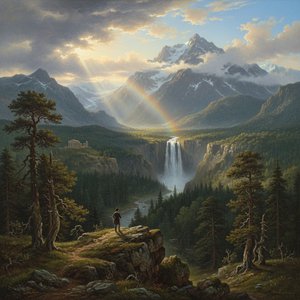
Evoking Nature's Sublime: A Comprehensive Exploration of 19th-Century Landscape Painting
Explore the captivating world of 19th-century landscape painting! Discover renowned artists like Friedrich & Monet, key movements, and find the perfect artwork to bring nature's serenity into your home. Expert insights at OriginalUniqueArt.

