

 Преглед в реален мащаб
 Сподели
 Сподели
 Подробности
 Ръководство

 Изтегляне
 Подобни артикули
 Рентгенова снимка
 Слайдшоу
 Статистика
The Wyndcliff, River Wye


 Разгърни целия текст
Жикле / Художествен принт
Giclée печат или принт върху платно с музейно качество, бързо производство и гъвкави опции за завършен вид. ( Поръчайте ръчно рисувано репродукция на този колекционерски предмет Превключване към дигитално изображение)




P118B €10

P118H €10

P118W €10

P438Z €10

P508JH €12

P508YH €12

P805H €10

P805Z €10

P919BZ €10

P919G €10

P919XJ €10

P959ZH €10

P968JZ €12

W106C €8

W218G €10

W218JH €8

W218Y €10

W307PJ €10

W316G €10

W316PJ €8

W316Y €10

W398PJ €8

W4111J €10

W500HY €15

W500JH €15

W692G €12

W849H €8

W940BG €15

W953PJ €8




Изберете от нашите предварително зададени размери, които съответстват на оригиналните пропорции на произведението.

Въведете необходимата ширина и височина, за да паснат на вашата рамка или стена. Принтовете могат само да се изрязват, но никога не могат да бъдат по-големи от оригиналната картина, така че при размер с различен формат част от изображението ще бъде загубена. Преди да започнем печат, ще ви изпратим дигитален мок업 за одобрение. Изображението, показано на тази страница, не показва реалното изрязване — само мок업ът го показва.
Доставка по целия свят () в рамките на 2 седмици вместо стандартните 4/5 седмици. (25 Октомври)

Безплатна експресна доставка по целия свят

Висококачествено ленено платно

Пълно застраховане на доставката

Гаранция за възстановяване на митнически такси

Гаранция за пълно съответствие на цветовете

Политика за връщане в рамките на 100 дни (само при дефекти)

100% Гаранция за връщане на сумата

Отстъпка при поръчка на повече произведения
 Опцията със стъкло е налична само за размери под 110 см

The Wyndcliff, River Wye
Жикле / Художествен принт
Размер на репродукцията
-


Крайна цена
€ 70
A Romantic Vision of the Welsh Wilds
In the heart of the nineteenth century, as the Industrial Revolution began to reshape the landscape of Great Britain, the artist David Cox sought refuge in the untamed majesty of the natural world. His 1842 masterpiece, The Wyndcliff, River Wye, stands as a profound testament to the Romantic movement, capturing a moment where the soul of the landscape meets the sublime. This oil painting does not merely document a geographical location in South Wales; it invites the viewer into a deeply emotional encounter with the grandeur of the Wye Valley. Through his masterful lens, the river valley becomes more than just earth and water—it becomes a sanctuary of peace and a theater of light.
The composition is anchored by a commanding presence on the left, where a towering oak tree reaches toward the heavens, acting as a sentinel over the sprawling vista. This structural element guides the eye with grace across the undulating terrain toward a distant, hazy horizon, creating an immense sense of scale. Within this vastness, Cox places small, intimate figures near the water's edge, their presence serving to emphasize the overwhelming magnitude of the cliffs and sky. It is a delicate balance between the human spirit and the infinite power of nature, a hallmark of the Romantic era’s fascination with the awe-inspiring.
Mastery of Light and Atmospheric Depth
Technically, The Wyndcliff, River Wye is a triumph of light manipulation and textural expression. Cox was a virtuoso of atmospheric perspective, utilizing subtle shifts in color and clarity to pull the viewer deep into the painting’s recesses. The way the distant hills soften into a blue-grey mist creates an illusion of infinite space, making the canvas feel as though it breathes with the damp, cool air of the Welsh countryside. The artist employs a dramatic chiaroscuro effect, where strong, directional light pierces through unseen clouds to illuminate patches of foliage and the shimmering surface of the river, while casting deep, velvety shadows across the rugged ground.
The brushwork itself is remarkably expressive, eschewing rigid precision for a more spontaneous, tactile quality. One can almost feel the movement of the wind through the leaves and the steady flow of the current, as Cox’s visible strokes contribute to a sense of immediacy and life. For the discerning collector or interior designer, this texture provides a rich, organic element that brings a dynamic energy to any space. The interplay between the smooth, reflective water and the rough, weathered bark of the ancient trees creates a sensory experience that transcends the flat surface of the canvas.
A Timeless Sanctuary for the Modern Interior
Beyond its technical brilliance, this artwork offers a profound symbolic resonance. In an age often characterized by noise and rapid change, The Wyndcliff, River Wye serves as a window into a world of tranquility and solitude. The river valley symbolizes a retreat from the complexities of urban existence, offering a meditative space for contemplation. It speaks to the eternal human desire to reconnect with the earth and to find stillness amidst the vastness of the universe.
For those looking to curate an environment of sophistication and calm, a high-quality reproduction of this work provides an unparalleled focal point. Its earthy tones, dramatic lighting, and sweeping vistas harmonize beautifully with both classical and contemporary decor, adding a layer of historical depth and emotional warmth to a room. To hang this painting is to invite the enduring spirit of the Welsh landscape into one's home, fostering an atmosphere of quiet strength and breathtaking beauty.
Въпроси и отговори
Как "The Wyndcliff, River Wye" се вписва в темите и стила на Дейвид Кокс?
"The Wyndcliff, River Wye" принадлежи към творчеството на Дейвид Кокс в рамките на Romanticism, чиито утвърдени теми включват romantic landscape, turner's atmospheric effects, pre-raphaelite detail, nature's majesty", human connection, solitude & reflection, early romantic style.
От коя историческа епоха е „The Wyndcliff, River Wye“ на Дейвид Кокс?
Историческият период на „The Wyndcliff, River Wye“ на Дейвид Кокс е 19th Century. Тази класификация определя мястото на произведението в историята на изкуството.
С какви други имена е известен/а Дейвид Кокс?
Дейвид Кокс се появява и под алтернативните имена Дейвид Кокс (младши).
Биография на художника
Early Life and Artistic Beginnings
David Cox, a name now synonymous with the evocative beauty of British landscape painting, was born on April 29th, 1783, in Deritend – a bustling industrial suburb of Birmingham. His father, Joseph Cox, was a skilled blacksmith and whitesmith, supplying vital components to Birmingham’s renowned gun trade; a profession steeped in precision and craftsmanship. His mother, however, possessed a remarkable distinction: she hailed from a farming background but had received an unusually thorough education, imbuing David with both a practical understanding of the land and a sharp intellect. This unique combination shaped his future artistic vision. Initially, young David was destined to follow in his father’s footsteps, learning the trade of blacksmithing. However, a childhood illness – a broken leg – led to a period of convalescence during which he discovered a passion for art. He began by creating paper kites, meticulously coloring them with simple box sets, quickly progressing to copying engravings and adding delicate details. This early exploration was nurtured further through his apprenticeship under Albert Fielder, a respected Birmingham painter specializing in miniature portraits and decorative paintings applied to objects like snuffboxes – a craft demanding both technical skill and artistic flair. This formative period instilled in him the fundamentals of composition, color theory, and meticulous detail, laying the groundwork for his later success. Crucially, he spent time studying alongside fellow apprentices Charles Barber and William Radclyffe at Joseph Barber’s academy, absorbing techniques and developing a keen eye for observation.A Journey into Watercolor and Welsh Inspiration
The year 1804 marked a pivotal shift in David Cox's career as he embarked on a new chapter by relocating to London. There, he married his landlord’s daughter, Mary Ragg – a union that provided him with stability and a home base while he continued to hone his artistic skills. A defining moment arrived in 1805 when he joined forces with Charles Barber for a sketching tour through Wales. This journey proved transformative, profoundly influencing his artistic style and establishing a lifelong fascination with the rugged beauty of the Welsh mountains and valleys. The dramatic light, the ever-changing weather, and the raw, untamed landscapes ignited within him a desire to capture the essence of nature’s power and vulnerability. These Welsh sketches became a cornerstone of his oeuvre, informing his later paintings with a distinctive atmospheric quality. Cox quickly established himself as an exhibitor at the Royal Academy from 1805 onwards, initially earning a living primarily through drawing lessons – a testament to his teaching abilities and his commitment to sharing his knowledge. Colonel Hon. H. Windsor became one of his earliest pupils in 1808, further solidifying Cox’s reputation as an accomplished instructor. His early works were characterized by detailed watercolor landscapes, often depicting rural scenes and architectural subjects with a remarkable level of precision. He skillfully rendered the textures of stone walls, the folds of fabric, and the intricacies of farm buildings, demonstrating a meticulous attention to detail that was both admired and imitated.The Evolution of Style: From Precision to Atmosphere
Cox’s artistic style underwent a significant evolution over his career. Initially, he focused on creating highly detailed topographical representations – meticulously documenting the appearance of landscapes as they were observed. However, influenced by artists like Constable and the Dutch masters of the 17th century, he gradually shifted towards a more expressive and atmospheric approach. He began to prioritize capturing the *feeling* of a place rather than simply replicating its visual form. This transition is evident in his later oil paintings, which are distinguished by looser brushwork, vibrant colors, and an unparalleled ability to convey the effects of light and weather – particularly the shifting moods of the Welsh skies. His use of color became bolder and more emotive, reflecting a growing confidence in his artistic vision. Cox’s work is often described as “pre-Impressionist,” anticipating many of the techniques that would later characterize the Impressionist movement. His emphasis on capturing fleeting moments, his loose brushwork, and his focus on light and atmosphere foreshadowed the innovations of artists like Monet and Renoir. He was a master of suggesting rather than explicitly depicting, allowing the viewer’s imagination to complete the picture.Major Achievements and Lasting Legacy
Throughout his career, David Cox produced over 300 oil paintings – a remarkable achievement that is now recognized as one of the greatest, yet least celebrated, accomplishments of any British painter. He continued to exhibit at the Royal Academy until his death in 1859, maintaining a consistent output and refining his artistic style. His work became increasingly popular during his lifetime, particularly in Wales, where he was admired for his depictions of the Welsh countryside. Cox’s legacy extends far beyond his individual paintings. He wrote several influential instructional books on watercolor painting – *A Series of Progressive Lessons* (1811) being one of the most successful – which helped to popularize the medium among amateur artists and establish him as a respected authority on technique. His dedication to teaching, combined with his artistic talent, cemented his place in the history of British art. David Cox died in Harborne, near Birmingham, on June 7th, 1859, leaving behind a rich body of work that continues to inspire admiration and is considered a cornerstone of British landscape painting.Historical Significance
David Cox’s contribution to English landscape painting cannot be overstated. He was not merely a skilled artist; he was a pioneer who challenged the conventions of his time and pushed the boundaries of watercolor technique. His early embrace of Impressionistic principles – capturing fleeting moments, emphasizing light and atmosphere, and utilizing loose brushwork – positioned him as a crucial link between the Romantic era and the rise of modern art. Furthermore, his deep connection to Wales—documented through countless sketches and paintings—established a unique artistic voice rooted in the rugged beauty of that nation’s landscape. Cox's work serves as a testament to the power of observation, the importance of capturing emotion, and the enduring appeal of nature’s sublime grandeur.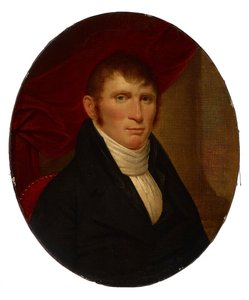
Дейвид Кокс
1783 - 1859 , Великобритания
Бързи факти
- Artistic Movement Or Style: Английска пейзажна живопис, Предшественик на импресионизма
- Artists Or Movements Influenced By This Artist: ['Импресионизъм']
- Artists Who Influenced This Artist:
- Джоузеф Барбър
- Алберт Филдер
- Date Of Birth: 29 април 1783
- Date Of Death: 7 юни 1859
- Full Name: David Cox the elder
- Nationality: Британски
- Notable Artworks:
- Rhyl Sands
- Къща в Херефордшир
- Секция на река Севърн и река Уай
- Лунен пейзаж
- Place Of Birth: Бермингам, Великобритания
Свързани статии

Evoking Nature's Sublime: A Comprehensive Exploration of 19th-Century Landscape Painting
Explore the captivating world of 19th-century landscape painting! Discover renowned artists like Friedrich & Monet, key movements, and find the perfect artwork to bring nature's serenity into your home. Expert insights at OriginalUniqueArt.

The Sublime and the Picturesque: Exploring Emotion & Nature in Romantic Landscape Painting
Explore the emotional power of Romantic landscape painting! Discover the sublime & picturesque traditions, key artists like Friedrich & Cole, and find your perfect artwork at OriginalUniqueArt.

Топ 10 шедьовъра на Романтичния пейзаж: Изкуство за вашия дом от OriginalUniqueArt.com
Открийте 10 шедьовъра на Романтичния пейзаж – Фридрих, Търнър и други! Разгледайте историите зад картините, техниките и емоциите. Репродукции с музейно качество от OriginalUniqueArt.com. Вдъхновете се за вашия дом!

Топ 25 шедьовъра на Джон Констабъл: Английски пейзажи за вашия дом | OriginalUniqueArt.com
Открийте топ 25 шедьовъра на Джон Констабъл – английски пейзажи, романтизъм и красотата на природата. Репродукции с музейно качество за вашия дом! Разгледайте пълната колекция онлайн на OriginalUniqueArt.com.

David Cox the Elder: Landscape, Light & the Romantic Vision of Rural England
Explore the captivating landscapes of David Cox the Elder, a pivotal figure in British Romanticism. Discover his masterful watercolour techniques, enduring legacy & find timeless art for your home at OriginalUniqueArt.