

 Преглед в реален мащаб
 Сподели
 Сподели
 Подробности
 Ръководство

 Изтегляне
 Подобни артикули
 Рентгенова снимка
 Слайдшоу
 Статистика
The Skylark
 Oil On Canvas
- WallArt
- Impressionistic Landscape
 1849
1849- 19th Century
 Бирмингамски музей и художествена галерия
 Разгърни целия текст
Жикле / Художествен принт
Giclée печат или принт върху платно с музейно качество, бързо производство и гъвкави опции за завършен вид. ( Поръчайте ръчно рисувано репродукция на този колекционерски предмет Превключване към дигитално изображение)




P118B €10

P118H €10

P118W €10

P438Z €10

P508JH €12

P508YH €12

P805H €10

P805Z €10

P919BZ €10

P919G €10

P919XJ €10

P959ZH €10

P968JZ €12

W106C €8

W218G €10

W218JH €8

W218Y €10

W307PJ €10

W316G €10

W316PJ €8

W316Y €10

W398PJ €8

W4111J €10

W500HY €15

W500JH €15

W692G €12

W849H €8

W940BG €15

W953PJ €8




Изберете от нашите предварително зададени размери, които съответстват на оригиналните пропорции на произведението.

Въведете необходимата ширина и височина, за да паснат на вашата рамка или стена. Принтовете могат само да се изрязват, но никога не могат да бъдат по-големи от оригиналната картина, така че при размер с различен формат част от изображението ще бъде загубена. Преди да започнем печат, ще ви изпратим дигитален мок업 за одобрение. Изображението, показано на тази страница, не показва реалното изрязване — само мок업ът го показва.
Доставка по целия свят () в рамките на 2 седмици вместо стандартните 4/5 седмици. (25 Октомври)

Безплатна експресна доставка по целия свят

Висококачествено ленено платно

Пълно застраховане на доставката

Гаранция за възстановяване на митнически такси

Гаранция за пълно съответствие на цветовете

Политика за връщане в рамките на 100 дни (само при дефекти)

100% Гаранция за връщане на сумата

Отстъпка при поръчка на повече произведения
 Опцията със стъкло е налична само за размери под 110 см

The Skylark
Жикле / Художествен принт
Размер на репродукцията
-


Крайна цена
€ 70
A Vision of Tranquility: The Essence of The Skylark
In the vast tapestry of English landscape painting, few works capture the ephemeral beauty of the countryside with as much soul as David Cox’s The Skylark. Created in 1849, this masterpiece serves as a profound window into a serene, pastoral era, inviting the viewer to pause and breathe in the quietude of the rural landscape. The painting presents a sprawling field of grass that stretches toward a distant, hazy horizon, all under the watchful gaze of a soft, cloudy sky. Within this expansive vista, Cox introduces a sense of human connection through scattered figures—perhaps a family—positioned near a sturdy wooden fence in the middle ground. This deliberate arrangement creates a beautiful balance between the immense scale of nature and the intimate, shared moments of human life, establishing a composition that is as much about emotional harmony as it is about visual grandeur.
The technical execution of The Skylark reveals Cox’s mastery of the Birmingham School tradition, a style that prioritizes atmospheric truth over rigid topographical precision. Rather than relying on sharp, clinical lines, the artist employs loose, expressive brushstrokes that suggest form and texture through movement. A large, commanding tree anchors the left foreground, its foliage rendered with a rugged, tactile quality that contrasts beautifully against the softer, more blended strokes used for the sky. This interplay of textures creates a palpable sense of depth; as the eye moves toward the horizon, the landscape becomes paler and less defined, utilizing atmospheric perspective to evoke a feeling of infinite space. The color palette is a sophisticated study in muted tones—earthy browns, deep greens, and soft grevers—which work in concert with the diffused, overcast lighting to bathe the entire scene in a gentle, tranquil glow.
Symbolism and Emotional Resonance
Beyond its technical brilliance, The Skylark carries a profound symbolic weight that continues to captivate collectors and art enthusiasts alike. The very title suggests an upward gaze, a moment of sudden wonder as the viewer’s attention is drawn toward the heavens, mirroring the act of looking up at a bird in flight. This theme of observation and appreciation for the natural world imbes the work with a sense of spiritual peace. For the interior designer or art lover, the painting offers more than mere decoration; it provides an emotional anchor for a space. The lack of harsh shadows and the presence of soft, organic shapes—from the rounded clouds to the undulating fields—create an atmosphere of stability and calm. It is a piece that does not demand attention through spectacle, but rather earns it through a quiet, enduring grace, making it an ideal centerpiece for those seeking to infuse their surroundings with a sense of timelessness and pastoral beauty.
Въпроси и отговори
Кой цвят доминира в композицията на „The Skylark“ на Дейвид Кокс?
Доминиращият цвят на „The Skylark“ на Дейвид Кокс е Putty (#d3d6e0).
Може ли произведението „The Skylark“ на Дейвид Кокс, намиращо се в Бирмингамски музей и художествена галерия, да бъде репродуцирано законно?
„The Skylark“ на Дейвид Кокс, намираща се в Бирмингамски музей и художествена галерия, е в обществено достояние – авторското му право е изтекло. Този статус определя дали могат да се правят репродукции на изображението.
Намира ли се „The Skylark“ на Дейвид Кокс в обществено достояние?
„The Skylark“ на Дейвид Кокс е в в обществено достояние – авторското му право е изтекло. Този статус определя как може да бъде репродуцирано изображението на произведението.
Биография на художника
Early Life and Artistic Beginnings
David Cox, a name now synonymous with the evocative beauty of British landscape painting, was born on April 29th, 1783, in Deritend – a bustling industrial suburb of Birmingham. His father, Joseph Cox, was a skilled blacksmith and whitesmith, supplying vital components to Birmingham’s renowned gun trade; a profession steeped in precision and craftsmanship. His mother, however, possessed a remarkable distinction: she hailed from a farming background but had received an unusually thorough education, imbuing David with both a practical understanding of the land and a sharp intellect. This unique combination shaped his future artistic vision. Initially, young David was destined to follow in his father’s footsteps, learning the trade of blacksmithing. However, a childhood illness – a broken leg – led to a period of convalescence during which he discovered a passion for art. He began by creating paper kites, meticulously coloring them with simple box sets, quickly progressing to copying engravings and adding delicate details. This early exploration was nurtured further through his apprenticeship under Albert Fielder, a respected Birmingham painter specializing in miniature portraits and decorative paintings applied to objects like snuffboxes – a craft demanding both technical skill and artistic flair. This formative period instilled in him the fundamentals of composition, color theory, and meticulous detail, laying the groundwork for his later success. Crucially, he spent time studying alongside fellow apprentices Charles Barber and William Radclyffe at Joseph Barber’s academy, absorbing techniques and developing a keen eye for observation.A Journey into Watercolor and Welsh Inspiration
The year 1804 marked a pivotal shift in David Cox's career as he embarked on a new chapter by relocating to London. There, he married his landlord’s daughter, Mary Ragg – a union that provided him with stability and a home base while he continued to hone his artistic skills. A defining moment arrived in 1805 when he joined forces with Charles Barber for a sketching tour through Wales. This journey proved transformative, profoundly influencing his artistic style and establishing a lifelong fascination with the rugged beauty of the Welsh mountains and valleys. The dramatic light, the ever-changing weather, and the raw, untamed landscapes ignited within him a desire to capture the essence of nature’s power and vulnerability. These Welsh sketches became a cornerstone of his oeuvre, informing his later paintings with a distinctive atmospheric quality. Cox quickly established himself as an exhibitor at the Royal Academy from 1805 onwards, initially earning a living primarily through drawing lessons – a testament to his teaching abilities and his commitment to sharing his knowledge. Colonel Hon. H. Windsor became one of his earliest pupils in 1808, further solidifying Cox’s reputation as an accomplished instructor. His early works were characterized by detailed watercolor landscapes, often depicting rural scenes and architectural subjects with a remarkable level of precision. He skillfully rendered the textures of stone walls, the folds of fabric, and the intricacies of farm buildings, demonstrating a meticulous attention to detail that was both admired and imitated.The Evolution of Style: From Precision to Atmosphere
Cox’s artistic style underwent a significant evolution over his career. Initially, he focused on creating highly detailed topographical representations – meticulously documenting the appearance of landscapes as they were observed. However, influenced by artists like Constable and the Dutch masters of the 17th century, he gradually shifted towards a more expressive and atmospheric approach. He began to prioritize capturing the *feeling* of a place rather than simply replicating its visual form. This transition is evident in his later oil paintings, which are distinguished by looser brushwork, vibrant colors, and an unparalleled ability to convey the effects of light and weather – particularly the shifting moods of the Welsh skies. His use of color became bolder and more emotive, reflecting a growing confidence in his artistic vision. Cox’s work is often described as “pre-Impressionist,” anticipating many of the techniques that would later characterize the Impressionist movement. His emphasis on capturing fleeting moments, his loose brushwork, and his focus on light and atmosphere foreshadowed the innovations of artists like Monet and Renoir. He was a master of suggesting rather than explicitly depicting, allowing the viewer’s imagination to complete the picture.Major Achievements and Lasting Legacy
Throughout his career, David Cox produced over 300 oil paintings – a remarkable achievement that is now recognized as one of the greatest, yet least celebrated, accomplishments of any British painter. He continued to exhibit at the Royal Academy until his death in 1859, maintaining a consistent output and refining his artistic style. His work became increasingly popular during his lifetime, particularly in Wales, where he was admired for his depictions of the Welsh countryside. Cox’s legacy extends far beyond his individual paintings. He wrote several influential instructional books on watercolor painting – *A Series of Progressive Lessons* (1811) being one of the most successful – which helped to popularize the medium among amateur artists and establish him as a respected authority on technique. His dedication to teaching, combined with his artistic talent, cemented his place in the history of British art. David Cox died in Harborne, near Birmingham, on June 7th, 1859, leaving behind a rich body of work that continues to inspire admiration and is considered a cornerstone of British landscape painting.Historical Significance
David Cox’s contribution to English landscape painting cannot be overstated. He was not merely a skilled artist; he was a pioneer who challenged the conventions of his time and pushed the boundaries of watercolor technique. His early embrace of Impressionistic principles – capturing fleeting moments, emphasizing light and atmosphere, and utilizing loose brushwork – positioned him as a crucial link between the Romantic era and the rise of modern art. Furthermore, his deep connection to Wales—documented through countless sketches and paintings—established a unique artistic voice rooted in the rugged beauty of that nation’s landscape. Cox's work serves as a testament to the power of observation, the importance of capturing emotion, and the enduring appeal of nature’s sublime grandeur.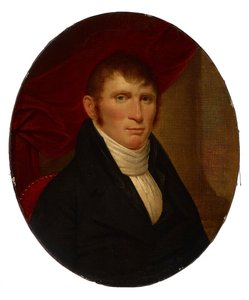
Дейвид Кокс
1783 - 1859 , Великобритания
Бързи факти
- Artistic Movement Or Style: Английска пейзажна живопис, Предшественик на импресионизма
- Artists Or Movements Influenced By This Artist: ['Импресионизъм']
- Artists Who Influenced This Artist:
- Джоузеф Барбър
- Алберт Филдер
- Date Of Birth: 29 април 1783
- Date Of Death: 7 юни 1859
- Full Name: David Cox the elder
- Nationality: Британски
- Notable Artworks:
- Rhyl Sands
- Къща в Херефордшир
- Секция на река Севърн и река Уай
- Лунен пейзаж
- Place Of Birth: Бермингам, Великобритания
Свързани статии
Evoking Nature's Sublime: A Comprehensive Exploration of 19th-Century Landscape Painting
Explore the captivating world of 19th-century landscape painting! Discover renowned artists like Friedrich & Monet, key movements, and find the perfect artwork to bring nature's serenity into your home. Expert insights at OriginalUniqueArt.

David Cox the Elder: Landscape, Light & the Romantic Vision of Rural England
Explore the captivating landscapes of David Cox the Elder, a pivotal figure in British Romanticism. Discover his masterful watercolour techniques, enduring legacy & find timeless art for your home at OriginalUniqueArt.

Топ 10 шедьовъра на импресионизма: Пейзажи, променили изкуството | OriginalUniqueArt.bg
Разгледайте топ 10 шедьовъра на импресионизма – Моне, Реноар и други! Открийте историите зад известните пейзажи и техния принос към изкуството. Купете висококачествени репродукции на картини за вашия дом в OriginalUniqueArt.bg

Топ 10 шедьовъра на Романтичния пейзаж: Изкуство за вашия дом от OriginalUniqueArt.com
Открийте 10 шедьовъра на Романтичния пейзаж – Фридрих, Търнър и други! Разгледайте историите зад картините, техниките и емоциите. Репродукции с музейно качество от OriginalUniqueArt.com. Вдъхновете се за вашия дом!

Топ 10 шедьоври на импресионизма: Пейзажи, променили изкуството | OriginalUniqueArt.com
Разгледайте топ 10 шедьоври на импресионизма и открийте красотата на пейзажите от Моне, Реноар и други известни художници. Вдъхновете се за вашия дом с репродукции на картини в OriginalUniqueArt.com! Разгледайте пълната колекция онлайн.