

 Преглед в реален мащаб
 Сподели
 Сподели
 Подробности
 Ръководство

 Изтегляне
 Подобни артикули
 Рентгенова снимка
 Слайдшоу
 Статистика
Tectonic,
 Oil On Canvas
- WallArt
- Abstract Expressionism
 1993
1993 191.0 x 101.0 cm
 Serpentine Galleries
 Разгърни целия текст
Изкуството, представено на тази страница, е защитено от законите за авторско право, което означава, че не можем законно да създаваме или продаваме идентични репродукции. Тази защита се прилага съгласно международни споразумения като Бернска конвенция и от националното законодателство, включително разпоредбите на Закон за авторското право на САЩ – Раздел 17.
Този метод е напълно съвместим с законите за авторско право, тъй като не включва копиране или дублиране на защитеното произведение. Вместо това става въпрос за творческа реинтерпретация – нова картина, която е вдъхновена от оригинала, но не е идентична с него.
Жикле / Художествен принт
Giclée печат или принт върху платно с музейно качество, бързо производство и гъвкави опции за завършен вид. ( Поръчайте ръчно рисувано репродукция на този колекционерски предмет Превключване към дигитално изображение)




P118B €10

P118H €10

P118W €10

P438Z €10

P508JH €12

P508YH €12

P805H €10

P805Z €10

P919BZ €10

P919G €10

P919XJ €10

P959ZH €10

P968JZ €12

W106C €8

W218G €10

W218JH €8

W218Y €10

W307PJ €10

W316G €10

W316PJ €8

W316Y €10

W398PJ €8

W4111J €10

W500HY €15

W500JH €15

W692G €12

W849H €8

W940BG €15

W953PJ €8




Изберете от нашите предварително зададени размери, които съответстват на оригиналните пропорции на произведението.

Въведете необходимата ширина и височина, за да паснат на вашата рамка или стена. Принтовете могат само да се изрязват, но никога не могат да бъдат по-големи от оригиналната картина, така че при размер с различен формат част от изображението ще бъде загубена. Преди да започнем печат, ще ви изпратим дигитален мок업 за одобрение. Изображението, показано на тази страница, не показва реалното изрязване — само мок업ът го показва.
Доставка по целия свят () в рамките на 2 седмици вместо стандартните 4/5 седмици. (26 Октомври)

Безплатна експресна доставка по целия свят

Висококачествено ленено платно

Пълно застраховане на доставката

Гаранция за възстановяване на митнически такси

Гаранция за пълно съответствие на цветовете

Политика за връщане в рамките на 100 дни (само при дефекти)

100% Гаранция за връщане на сумата

Отстъпка при поръчка на повече произведения
 Опцията със стъкло е налична само за размери под 110 см

Tectonic,
Жикле / Художествен принт
Размер на репродукцията
-


Крайна цена
€ 70
A Fractured Cosmos: Unveiling the Dynamic Vision of Zaha Hadid’s “Tectonic”
Zaha Hadid's "Tectonic," a striking acrylic and watercolour study on cartridge paper from 1993, isn’t merely a depiction of architectural forms; it’s an embodiment of tectonic forces – the very processes that shape our planet. Born amidst the intellectual currents of Baghdad and nurtured by a family steeped in both artistic sensibility and political influence, Hadid's early life instilled within her a profound fascination with spatial relationships and the interplay between structure and movement. This piece, created during a pivotal period of her career, reveals a nascent exploration of abstraction that would later define her revolutionary architectural style – a style characterized by fluid geometries, dynamic curves, and an unapologetic embrace of the unexpected.
The artwork immediately commands attention with its monochromatic palette, primarily shades of grey ranging from near-white to deep charcoal. This deliberate restraint serves not to diminish the piece’s impact, but rather to amplify the underlying dynamism. Geometric shapes – cubes, rectangles, and subtly curved elements – are arranged in a deliberately asymmetrical composition, reminiscent of a geological cross-section or perhaps even a stylized map of tectonic plates. The central structure, resembling a fragmented bicycle frame, anchors the image while radiating outwards with other forms, creating a sense of controlled chaos that mirrors the complex processes occurring within the Earth’s crust. It's a visual representation of forces in constant motion, a testament to Hadid’s fascination with the underlying mechanics of both architecture and nature.
Deconstructing Form: The Influence of Suprematism and Malevich
Hadid’s approach to “Tectonic” is deeply rooted in her early artistic explorations. Inspired by the pioneering Russian avant-garde, particularly Kazimir Malevich's Suprematist paintings, she sought a way to move beyond traditional architectural representation. Malevich’s emphasis on pure geometric forms and their spatial relationships profoundly influenced Hadid’s thinking, encouraging her to explore abstraction as a means of conveying complex ideas about space and movement. The piece echoes this influence through its simplified shapes and the deliberate distortion of perspective – a departure from conventional realism. This deconstruction of form wasn't simply an aesthetic choice; it was a conscious effort to reveal the underlying structure and energy within the depicted subject matter.
The use of acrylic and watercolour paints contributes significantly to the artwork’s textural quality. The layering and blending create subtle tonal variations, suggesting depth without resorting to traditional shading techniques. While the surface appears relatively smooth, a closer examination reveals a delicate balance between precision in rendering the geometric shapes and an expressive quality in the flowing lines. This combination of technical skill and artistic intuition is characteristic of Hadid’s work – a seamless integration of logic and emotion.
Symbolism of Earth's Processes
Beyond its formal qualities, “Tectonic” resonates with powerful symbolic meaning. The fragmented forms can be interpreted as representations of tectonic plates shifting and colliding, mirroring the geological processes that shape our planet. The swirling lines evoke a sense of dynamism and transformation, suggesting the constant flux of energy within the Earth’s interior. The central bicycle frame, a recurring motif in Hadid's work, may symbolize human ingenuity and its interaction with the natural world – a reminder of humanity’s capacity to both create and be shaped by forces beyond our control. The muted color palette reinforces this connection to the earth, evoking images of stone, sediment, and the vastness of geological time.
Furthermore, the artwork's ambiguity invites multiple interpretations. It could be seen as an exploration of form, space, and movement, or a meditation on themes of chaos and order, creation and destruction. Ultimately, “Tectonic” is a testament to Hadid’s visionary approach to architecture – a bold and innovative work that continues to inspire awe and provoke thought.
Въпроси и отговори
Мога ли да използвам добавена реалност, за да видя „Tectonic,“ на Заха Хадид в моята стая?
Можете да прегледате „Tectonic,“ на Заха Хадид върху вашата собствена стена чрез страницата за AR преглед на произведението, използвайки добавена реалност на съвместимо устройство.
Коя е фазата от развитието на Заха Хадид, която представлява „Tectonic,“?
„Tectonic,“ принадлежи към Late Period от кариерата на Заха Хадид. Тази класификация свързва творбата с развитието на художника.
С какво чувство е свързана творбата "Tectonic,"?
Емоционалният тон, отбелязан за „Tectonic,“ на Заха Хадид, е Energetic. Той обобщава усещането, което произведението изразява.
Биография на художника
Революционна визия: Животът и наследството на Заха Хадид
Родена в Багдад, Ирак, през 1950 г., дама Заха Мохамед Хадид се утвърди като една от най-значимите архитектурни сили на нашето време. Нейното пътешествие не започва в традиционните рамки на артистичното възпитание, а сред стимулираща интелектуална среда; баща ѝ, Мухамад ал-Хадж Хусейн Хадид, е бил успешен индустриалист и политик, докато майка ѝ, Ваджиха ал-Сабунджи, е подхранвала страстта към изкуството. Тази уникална смесица от прагматизъм и креативност дълбоко би оформила световната представа на младата Заха. Първоначално изучавайки математика в Американския университет в Бейрут, тя скоро открива, че истинското ѝ призвание лежи в сферата на пространственото проектиране, което я отвежда в Лондон през 1972 г. и я води в Architectural Association School of Architecture. Именно тук, под наставничеството на влиятелни фигури като Рем کولхас, Елиа Зенгелис и Бернард Чуми, радикалното архитектурно мислене на Хадид започва да придобива форма. Тези ментори я насърчават да поставя под въпрос установените норми, създавайки среда, в която експериментът и иновацията процветават — основа, върху която тя изгражда своята изключителна кариера.Деконструиране на конвенциите: Стил и влияния
Заха Хадид не просто проектира сгради; тя вая преживявания. Широко прославена като пионер на деконструктивизма, нейната работа смело отхвърля твърдите геометрии и конвенционалните форми, които дълго време определяха архитектурната практика. Вместо това тя приема фрагментацията, динамичните криви и усещането за плавно движение, създавайки структури, които сякаш предизвикват самата гравитация. Нейните дизайни не бяха просто функционални пространства; те бяха артистични манифести — мощни изрази на форма и енергия. Влиянието на авангардните движения от началото на 20-ти век, особено супрематизма и творчеството на Казимир Малевич, е ясно забележимо в нейните ранни проучвания. В действителност нейният дипломен проект „Тектоник на Малевич“ служи като мощна демонстрация на нейната ангажираност с абстрактните принципи и нелинейните форми. Но Хадид не беше само имитатор; тя синтезира тези влияния с собствената си уникална визия, освобождавайки архитектурната геометрия и вдъхвайки ѝ нова експресивна идентичност. От решаващо значение е, че рисуването и графиката не бяха просто подготвителни инструменти за Хадид — те бяха неразделна част от самия процес на проектиране, позволявайки ѝ да изследва пространствени концепции и да визуализира сложни форми, преди те да се материализират в бетон и стомана.Белези на епохата: Глобално въздействие
Хадид основава собствената си практика в Лондон през 1980 г., но признанието не дойде лесно. Нейните ранни проекти често се считаха за твърде радикални и твърде предизвикателни за преобладаващия архитектурен климат. Въпреки това тя прояви упоритост и постепенно нейният иновативен подход започна да печели признание. Hong Kong Peak Club (1983) беше ранно представяне на нейния възникващ стил, подсказващо за спиращите дъха структури, които следват. През следващите десетилетия фирмата на Хадид завърши поредица от емблематични проекти, които преосмислиха градските пейзажи по целия свят. Те включваха плавното и динамично Лондонски акватичен център за Олимпиадата през 2012 г., свидетелство за способността ѝ да създава пространства, които вдъхновяват движение и атлетизъм; музея на изкуството Broad в Мичиган, САЩ, с неговия впечатляващ плисиран фасаден панел от неръждаема стомана; MAXXI – Националният музей на изкуствата от 21-ви век в Рим, Италия, сложна игра на обеми и празноти; Операта в Гуангчжоу в Китай, наподобяваща две гладки камъчета върху Река Перла; и Центъра на Хейдар Алийев в Баку, Азербайджан — спираща дъха вълнообразна структура, която олицетворява нейната характерна криволинейна естетика. Тези проекти не бяха просто сгради — те бяло културни икони, разширяващи границите на архитектурната възможност.Признание и трайно влияние
Наградите, връчвани на Заха Хадид през цялата ѝ кариера, са доказателство за нейния изключителен талант и трайно въздействие. Тя получи множество отличия, кулминиращи с архитектурната награда „Притцкър“ през 2004 г. — най-високото почести в архитектурата — което я направи първата жена, получила това престижно признание индивидуално. Други отличия включваха наградата „Стърлинг“ (връчена два пъти, през 210 и 2011 г.) и, посмъртно, Кралската златна медаль от Кралския институт на британските архитекти през 2016 г., отново исторически първи за жена. Отвъд архитектурните си постижения, Хадид разруши бариерите като жена архитект в една исторически доминирана от мъже сфера, ставайки вдъхновение за безброй стремящи се дизайнери. Нейното наследство надхвърля физическите структури, които е създала; то се крие в нейното трансформиращо влияние върху архитектурната мисъл и практика. Дори след нейната преждевременна смърт през 2016 г., Zaha Hadid Architects продължава да действа, пренасяйки нейната визия и принципи с непоколебима отдаденост. Нейното изследване на художествени медиуми извън архитектурата — като творбите „Кула Татлин и Тектоник“ — демонстрира уникална синергия между експертизата в дизайна и артистичното изразяване. Сградите на Заха Хадид стоят като вечни паметници на нейния иновативен дух, оформяйки изградената среда за поколения напред.Отвъд сградите: Трайно художествено наследство
Въпреки че е прославена предимно зара своите архитектурни постижения, творческата визия на Заха Хало се простира далеч отвъд сферата на проектирането на сгради. Тя последователно изследва художествени медиуми като живописта и дизайна на продукти, разглеждайки ги не като отделни дисциплини, а като взаимосвързани изрази на своята уникална естетическа чувствителност. Нейните картини, често характеризиращи се с динамични композиции и абстрактни форми, служеха като концептуални проучвания, които директно вдъхновяваха нейните архитектурни проекти. Тези творби не бяха просто скици или репрезентации; те бяха неразделна част от развитието на нейните идеи, позволявайки ѝ да експериментира с пространствени връзки и визуални текстури, преди да ги преведе в триизмерни структури.- Ранна живопис: Нейните ранни картини, като „Оранжево експлозия върху бяло“, демонстрират очарование с фрагментирани форми и ярки цветове, предвещавайки деконструктивистките принципи, които биха дефинирали нейния архитектурен стил.
- Дизайнови обекти: Хадид се пристъпи и към дизайна на продукти, създавайки мебели, осветителни тела и други обекти, които отзвучаха с плавните линии и скулптурните качества на нейните сгради. Павилионът Chanel Mobile Art в Токио е отличен пример за този междудисциплинарен подход, демонстриращ способността ѝ да превежда архитектурни концепции в преносима, имерсивна среда.
- Концептуални изследвания: Творби като „Интерпретация на Татлин“ разкриват нейната ангажираност с историческите авангардни движения и желанието ѝ да преинтерпретира модернистките принципи в съвременен контекст.
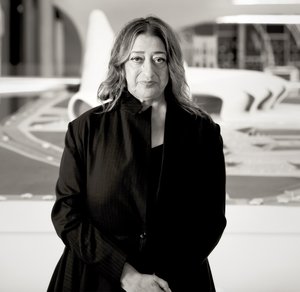
Заха Хадид
1950 - 2016 , Ирак
Бързи факти
- Artistic Movement Or Style: Деконструктивизъм
- Artists Or Movements Influenced By This Artist: ['Супрематизм']
- Artists Who Influenced This Artist:
- Казимир Малевич
- Рем Коолгас
- Date Of Birth: 31 октомври 1950 г.
- Date Of Death: 31 март 2016 г.
- Full Name: Zaha Mohammad Hadid
- Nationality: Ирак и Великобритания
- Notable Artworks:
- Татлин Таверн и Тектоник
- Център Броуд Мичиган
- Place Of Birth: Багдад, Ирак
Свързани статии

Топ 25 шедьоври на Василий Кандински: Абстрактно изкуство за вашия дом | OriginalUniqueArt.com
Разгледайте топ 25 шедьоври на Василий Кандински – пионер на абстрактното изкуство и експресионизма. Открийте историите зад цветните композиции, техниките и вдъхновението му. Купете висококачествени репродукции на картини Кандински за вашия дом на OriginalUniqueArt.com!

Beyond Form & Color: Geometric Abstraction's Evolution in 20th/21st Century Art
Explore the evolution of geometric abstraction from Cubism to contemporary art. Discover key artists like Malevich & Mondrian, investment insights, and expert collecting advice at OriginalUniqueArt.

Neo-Abstract Art: The High-Impact Evolution of Modern Visual Energy and Geometric Sophistication
Discover the power of Neo-Abstract art. Explore how bold geometric forms and high-impact visual energy are redefining modern design. Learn to curate sophisticated, high-energy spaces with the latest trends in contemporary abstraction and structural color.
Beyond Form & Color: Geometric Abstraction's Enduring Legacy in Art History
Explore the captivating world of geometric abstraction! Discover its origins, key artists like Malevich & Mondrian, and why this movement remains highly valued by art collectors today. Expert insights at OriginalUniqueArt.

Топ 10 шедьовъра на геометричната абстракция за Вашия дом | OriginalUniqueArt.com
Разгледайте топ 10 шедьовъра на геометричната абстракция – Кандински, Мондриан и други! Открийте историите зад тези емблематични картини и добавете елегантност към дома си с репродукции от OriginalUniqueArt.com. Разгледайте пълната колекция онлайн!