

 Представи си го
 Изпрати
 Сподели
 Детайли

 Изтегляне
 Подобни
 Рентгенова снимка
 Слайдшоу
 Статистика
Weaver
 Nanyang Modernism
 1981
1981- Modern
 1310.0 x 1070.0 cm
 Национален музей в Сингапур
 Прочетете повече
Жикле / Художествен принт
Giclée печат или принт върху платно с музейно качество, бързо производство и гъвкави опции за завършен вид. ( Купете ръчно рисувана картина Превключване към дигитално изображение)




P118B $10

P118H $10

P118W $10

P438Z $10

P508JH $12

P508YH $12

P805H $10

P805Z $10

P919BZ $10

P919G $10

P919XJ $10

P959ZH $10

P968JZ $12

W106C $8

W218G $10

W218JH $8

W218Y $10

W307PJ $10

W316G $10

W316PJ $8

W316Y $10

W398PJ $8

W4111J $10

W500HY $15

W500JH $15

W692G $12

W849H $8

W940BG $15

W953PJ $8




Изберете от предварително зададените размери, които съответстват на оригиналните пропорции на произведението.

Можете да въведете собствени размери, за да паснат на конкретна рамка или пространство. Ако избраният от Вас размер не съвпада с пропорциите на оригиналното изображение, ние ще изрежем произведението или ще разширим изображението с огледален или едноцветен ръб. Дигитален макет ще бъде изпратен за Ваше одобрение преди започването на производството.
Моля, имайте предвид, че предпрегледът на екрана не отразява реалното изрязване или разширяване. Само макетът ще покаже точно финалната композиция.
Въпреки че са налични персонализирани размери, препоръчваме да изберете размер от предварително дефинирания списък, за да запазите оригиналните пропорции.
Доставка по целия свят () в рамките на 2 седмици вместо стандартните 4/5 седмици. (12 Септември)

Безплатна експресна доставка по целия свят

Висококачествено ленено платно

Пълно застраховане при доставка

Гаранция за възстановяване на митнически такси

Гаранция за цветова точност

Политика за връщане в рамките на 100 дни (само при дефекти)

100% Гаранция за връщане на парите

Предложение за отстъпка при поръчка на едро
 Стъклото е налично само в размери под 110 см

Weaver
Жикле / Художествен принт
Размер на репродукцията
-


Обща цена
$ 80
A Tapestry of Tradition: The Soul of Cheong Soo Pieng’s Weaver
In the quiet, sun-drenched moments captured within Weaver, we are invited into a world where time seems to slow, yielding to the rhythmic, meditative pulse of communal life. Created in 1981, this profound work by the legendary Cheong Soo Pieng serves as a poignant window into the heart of Southeast Asian heritage. The painting depicts two women seated upon the earth, their figures anchored to the landscape as they engage in the ancient, intricate art of cloth weaving. As one woman focuses her gaze intently on the interlacing threads, her companion watches with a quiet, shared presence, creating an intimate dialogue of companionship and labor. This central duo is part of a larger, breathing ecosystem of figures—some standing in the distance, others resting nearby—all woven into a tapestry of social cohesion that celebrates the beauty of shared purpose.
The mastery of Cheong Soo Pieng lies in his ability to harmonize the avant-garde with the ancestral. As a pioneer of the Nanyang style, he achieved a breathtaking synthesis of Western modernist structures and the vibrant, tropical essence of the Malay Archipelago. In Weaver, one can observe the subtle influence of Cubism through the deliberate arrangement of forms and the rhythmic fragmentation of space, yet these techniques never overshadow the warmth of the subject matter. The artist utilizes a sophisticated approach to color and light that evokes the humid, golden atmosphere of an outdoor setting, where the lush greenery of the grass meets the soft, organic tones of the figures' skin and garments. His technique breathes life into the canvas, turning a simple scene of manual labor into a monumental study of form and light.
Beyond its visual splendor, Weaver carries a deep symbolic weight that resonates with collectors and historians alike. The act of weaving itself serves as a powerful metaphor for the construction of culture and community; just as individual threads are interlaced to create a strong, unified fabric, so too are the individuals within this painting bound by their shared traditions and environment. There is an undeniable emotional resonance in the piece—a sense of peace, dignity, and the enduring strength found in simplicity. For the discerning collector or interior designer, this artwork offers more than mere decoration; it provides a sophisticated focal point that brings a sense of historical depth and tranquil elegance to any space.
Owning a high-quality reproduction of such a seminal work allows one to preserve a piece of Singaporean art history. Whether placed in a contemporary gallery setting or a classic study, the painting’s soft textures and evocative narrative invite continuous contemplation. It stands as a testament to the Nanyang movement's legacy, offering an enduring inspiration that celebrates the quiet heroism found in the everyday rhythms of human existence.
Биография на художника
The Architect of Nanyang Modernism
In the vibrant tapestry of twentieth-century Asian art, few threads shine as brightly or as uniquely as those woven by Cheong Soo Pieng. A visionary who bridged the vast distance between the ancient traditions of the East and the avant-garde movements of the West, Cheong stands as a monumental figure in Singaporean art history. Born in 1917 in Amoy, China, his early life was marked by a profound connection to the classical aesthetics of his heritage, yet his spirit was destined for the tropical rhythms of Southeast Asia. His formative education at the Xiamen Academy of Fine Art and later in Shanghai provided him with a rigorous foundation in Chinese ink painting, but it was his move to Singapore in 1946 that would ignite his true artistic revolution.
Cheong did not merely adopt a new landscape; he reimagined it through a lens of modernism. Alongside contemporaries like Chen Wen Hsi, he became a primary architect of the Nanyang style—a movement that sought to capture the soul of the Malay Peninsula and the Indonesian archipelago. This was not a mere imitation of European trends, but a sophisticated fusion. He took the structural lessons of Cubism and the dreamlike qualities of Surrealism and breathed into them the warmth, color, and cultural vitality of Southeast Asian life. His work became a dialogue between the geometric precision of the West and the organic, flowing essence of the tropics.
A Symphony of Form and Local Essence
To gaze upon a Cheong Soo Pieng masterpiece is to witness a masterful command of both line and light. His technique was characterized by an extraordinary ability to use bold, saturated colors and thick black contours to delineate forms that felt both grounded and ethereal. He possessed a signature way of depicting indigenous tribal people, often portraying figures with elongated limbs and almond-shaped eyes—a stylistic choice that lent his subjects a graceful, almost mythic quality. This rhythmic approach to the human figure allowed him to transform everyday scenes into something timeless and iconic.
His subject matter served as a love letter to the regional identity. Through his brush, the mundane became magnificent:
- The Rhythms of Labor: He captured the communal spirit of Weaver and the industriousness of fishermen hauling nets or farmers tending to rice paddies.
- Cultural Heritage: Works like Kayan Musician celebrate the traditional musical performances that define the region's cultural heartbeat.
- Tropical Serenity: In pieces such as Bali Beach, he invited viewers into a world of relaxation and sun-drenched landscapes, using fragmented geometric shapes to mirror the heat and movement of the shore.
- The Beauty of the Ordinary: Even in his more intimate studies, such as Drying Salted Fish or his various still lifes, there is an unwavering dedication to the palpable essence of human experience within a specific cultural context.
Legacy and the Enduring Spirit of Innovation
As his career progressed, Cheong’s experimentation knew no bounds. He was never content with staying within the safety of oil or watercolor; he fearlessly pushed the limits of his medium by exploring metal reliefs, lacquer, Masonite, and mixed media. This relentless pursuit of innovation ensured that his work remained dynamic, evolving from the figurative clarity of his early Nanyang years toward more complex, layered, and abstract compositions. His later works, such as Abstract Composition, demonstrate a profound depth where texture and color take center stage, reflecting a mature artist grappling with the very essence of spatial relationships.
Cheong Soo Pieng passed away in 1983, but his influence remains an indelible part of the global art canon. He did more than create paintings; he helped forge a visual identity for a region in transition. By rejecting rigid European academic conventions in favor of a style that honored local textures and rhythms, he gave Southeast Asia a modern voice. Today, his works reside in prestigious collections such as the National Gallery Singapore, serving as a permanent testament to a man who saw the beauty in the fragmented, the strength in the stylized, and the eternal in the everyday.
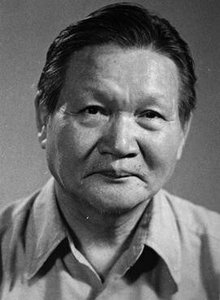
cheong soo pieng
1917 - 1983
Бързи факти
- Artistic Movement Or Style: Nanyang Style
- Artists Or Movements Influenced By This Artist: ['Modernism']
- Artists Who Influenced This Artist: ['Cubism']
- Date Of Birth: 1917
- Date Of Death: July 1, 1983
- Full Name: Cheong Soo Pieng
- Nationality: Singaporean
- Notable Artworks:
- Still Life
- Drying Salted Fish
- Abstract Composition
- Place Of Birth: Xiamen
Всички статии
The Enduring Muse: Women as Subject & Symbol in Art History
Explore the rich history of women in art – from archetypal representations to contemporary voices challenging norms. Discover iconic artists & movements, and learn about reclaiming female narratives through painting and beyond.
Rosa Bonheur: Realism, Rural Life & Redefining Women's Roles in 19th-Century Art
Explore the life & art of Rosa Bonheur, a pioneering Realist painter who redefined women's roles in 19th-century France. Discover her iconic animal paintings and lasting influence on art history. Learn more at OriginalUniqueArt.
The Enduring Muse: Female Representation & Evolution in Art History
Explore the rich history of women in art – from iconic muses to groundbreaking artists. Discover feminist movements & reclaim female narratives with OriginalUniqueArt. Expert insights for discerning collectors.
Portrayals of Power & Perception: A Historical Survey of Women in Art
Explore the rich history of women in art – from iconic muses to groundbreaking artists. Discover feminist movements & reclaim female narratives with OriginalUniqueArt. Expert insights for discerning collectors.

The Enduring Muse: Women as Subject & Symbol in Art History
Explore the rich history of women in art – from iconic muses to groundbreaking artists. Discover feminist movements, global perspectives & reclaim female narratives with OriginalUniqueArt.