Преглед в реален мащаб
 Сподели
 Сподели
 Подробности
 Ръководство

 Изтегляне
 Подобни артикули
 Рентгенова снимка
 Слайдшоу
 Статистика
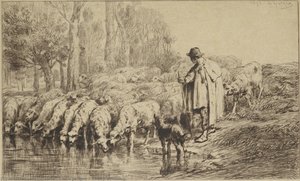
The Sheepfold
 Barbizon School
 1857
1857 46.0 x 92.0 cm
 Разгърни целия текст
Жикле / Художествен принт
Giclée печат или принт върху платно с музейно качество, бързо производство и гъвкави опции за завършен вид. ( Поръчайте ръчно рисувано репродукция на този колекционерски предмет Превключване към дигитално изображение)




































Изберете от нашите предварително зададени размери, които съответстват на оригиналните пропорции на произведението.

Въведете необходимата ширина и височина, за да паснат на вашата рамка или стена. Принтовете могат само да се изрязват, но никога не могат да бъдат по-големи от оригиналната картина, така че при размер с различен формат част от изображението ще бъде загубена. Преди да започнем печат, ще ви изпратим дигитален мок업 за одобрение. Изображението, показано на тази страница, не показва реалното изрязване — само мок업ът го показва.
Доставка по целия свят () в рамките на 2 седмици вместо стандартните 4/5 седмици. (24 Октомври)

Безплатна експресна доставка по целия свят

Висококачествено ленено платно

Пълно застраховане на доставката

Гаранция за възстановяване на митнически такси

Гаранция за пълно съответствие на цветовете

Политика за връщане в рамките на 100 дни (само при дефекти)

100% Гаранция за връщане на сумата

Отстъпка при поръчка на повече произведения
 Опцията със стъкло е налична само за размери под 110 см

The Sheepfold
Жикле / Художествен принт
Размер на репродукцията
-


Крайна цена
€ 70
Въпроси и отговори
Цветовете на „The Sheepfold“ на Шарл-Емил Жак наситени или приглушени ли са?
„The Sheepfold“ на Шарл-Емил Жак е заснето с Subtle Color наситеност.
Каква е цветовата идентичност на „The Sheepfold“ на Шарл-Емил Жак?
Цветовата идентичност на „The Sheepfold“ на Шарл-Емил Жак: палитра от Earthy, доминирана от Espresso (#583b1c).
Как се съотнасят цветовете в "The Sheepfold" един с друг?
Цветовият хармонизъм на „The Sheepfold“ е описан като Unified Palette.
Биография на художника
Живот, вкоренен вed френската провинция
Шарл-Емил Жак, роден в Париж през 1813 г., не е бил предназначен за конвенционален артистичен път. Ранният му живот поема неочакван обрат с седемгодишната му служба във френската армия. Но дори в строгата структура на военния живот неговият вродени талант намира израз – не първоначално чрез живопис, а чрез прецизното умение на картографската гравюра. Това основополагащо обучение, изискващо точност и наблюдателност, се оказва изненадващо ключово за неговите по-късни художествени усилия, вдъхновявайки неговото посвещаване на детайла, което става белег на неговата творба. Това е малко вероятно начало за един художник, който ще стане синоним на идилната красота на селска Франция, но то казва много за адаптивността и вродената артистичност на Жак. След напускането на армията той за кратко се занимава с илюстрация и карикатура, допринасяйки за парижките списва, преди да открие истинското си призвание в сферата на офортяването и живописта.Прегръщане на Барбизон и пасторалната визия
В средата на XIX век Жак е привлечен от Барбизон – малко село, което ще се превърне в епицентър на една революционна художествена вълна. Бягайки от епидемиите на холера, посягащи над Париж, той се присъединява към Жан-Франсоа Миле и други съмишленици в търсенето на вдъхновение директно от природата. Това бележи решително отклонение от академичните конвенции към по-честен и реалистичен портрет на живота. Жак с цялото си сърце приема този нов подход, посвещавайки се на улавянето на същността на провинциалното съществуване – тихото достойнство на пастирите, грижещи се за стадата си, нежния ритъм на фермерския труд, простата красота на добитъка в слънчево осветените полета. Неговите картини не бяха просто изображения на сцени; те бяха напоени с дълбоко чувство за спокойствие и хармония, отразяващи дълбокото преклонение пред природния свят. Той не просто рисуваше овце или амбари; той предаде усещане, атмосфера – почитане към пасторалния живот, което резонираше дълбоко с публиката.Майстор на медиите: Живопис и графика
Художественото майсторство на Жак се простира отвъд живописта. Той става известен като майстор на офортяването и гравюрата, възраждайки техниките от XVII век и разширявайки границите на графичното изкуство. Неговите офортявания са възхвалявани за своята смелост и добре осмислени теми, което му носи похвали от критици като Шарл Бодлер. Анри Бералди разграничава два отчетливи периода в графичната работа на Жак: ранна фаза, вдъхновена от нидерландски винетки и характеризираща се със спонтаност, и по-късен период, белязан от по-големи, по-детайлни плочи, демонстриращи прецизна занаятчийска изработка. Този двоен опит – както с четката, така и с бутина – му позволява да достигне до по-широка аудитория и да затвърди репутацията си като значима фигура в света на изкуството. Той не вижда живописта и графика като отделни дисциплини, а по-скоро като допълващи се пътища за изразяване на своята художествена визия. Неговите илюстрации за литературни класики, включително издания на „Свещеникът от Уейкфилд“ на Голдсмит и „Живописната Гърция“ на Уордсворт, допълнително демонстрират неговата многостранност и умение.Наследство и трайно влияние
Шарл-Емил Жак умира през 1894 г., оставяйки след себе си богато художествено наследство, което продължава да очарова зрителите и днес. Той играе жизненоважна роля в оформянето на развитието на реализма във френското изкуство, проправяйки път за бъдещи поколения художници, които се стремят да предадат живота с честност и чувствителност. Неговото посвещаване на изобразяването на провинциалния живот повдига жанровата живопис – сцени от ежедневието – до позиция на престиж в художествения пейзаж.- Пионер на възраждането на офортяването: Възраждането на техниките за офортяване от XVII век от страна на Жак оказа значително влияние върху графичното изкуство.
- Влияние върху Миле: Неговата ранна работа и офортявания повлияха дълбоко на неговия приятел и съратник от училище Барбизон, Жан-Франсоа Миле.
- Защитник на провинциалния живот: Той увечни красотата и достойнството на селския живот във Франция, създавайки траен визуален запис на един изчезващ начин на съществуване.

Шарл-Емил Жак
1813 - 1894 , Франция
Бързи факти
- Artistic Movement Or Style: Barbizon School
- Artists Or Movements Influenced By This Artist: ['Реализъм']
- Artists Who Influenced This Artist: ['Адриян ван Остаде']
- Date Of Birth: 1813
- Date Of Death: 1894
- Full Name: Charles-Émile Jacque
- Nationality: Френска
- Notable Artworks:
- Малко синьо момче
- Овчарница
- Пастирка
- Place Of Birth: Париж, Франция
Свързани статии
The Barbizon School: A Professional Guide to Naturalism and Landscape Mastery for Interior Designers
Explore the Barbizon School's mastery of naturalism. An expert guide for hotel designers and procurement managers on sourcing high-quality landscape reproductions to elevate hospitality and corporate interiors with authentic, large-scale fine art solutions.
The Barbizon School: Pioneering Realism & the Pastoral Vision in 19th-Century French Painting
Explore the Barbizon School's pivotal role in 19th-century French painting. Discover how these artists revolutionized landscape art with their commitment to Realism and a profound connection to nature. Learn about key figures like Rousseau, Millet & Corot.

The Hague School: Realism, Atmosphere & the Dawn of Dutch Impressionism
Explore the Hague School's pivotal role in Dutch art history. Discover realism, atmospheric landscapes & its influence on Impressionism. Learn about key artists like Mauve & Maris with OriginalUniqueArt.
Charles-François Daubigny: Pioneering Atmospheric Light & Barbizon Realism
Explore the life & art of Charles-François Daubigny, a pivotal Barbizon School painter. Discover his innovative landscapes, mastery of light, and influence on Impressionism. High-quality reproductions available.
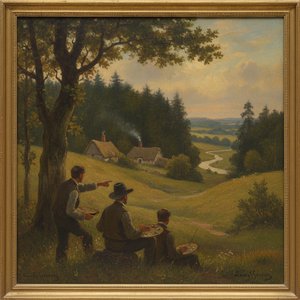
The Barbizon School: The Soulful Origins of Impressionism's Natural Light and Atmospheric Mastery
Discover the profound influence of the Barbizon School on Impressionism. Explore how these masters captured natural light and atmospheric beauty through plein air painting, paving the way for Monet and Renoir. A journey into the soulful origins of landscape art history.