

 Преглед в реален мащаб
 Сподели
 Сподели
 Подробности
 Ръководство

 Изтегляне
 Подобни артикули
 Рентгенова снимка
 Слайдшоу
 Статистика
Venus and Amor
 Oil
Oil- WallArt
- Rococo Style
 1740
1740- Early Modern
 40.0 x 31.0 cm
 Kunsthalle Bremen
 Разгърни целия текст
Ръчно изработена маслена репродукция
Ръчно рисувана маслена картина върху платно във вашия размер и рамка, изработена по поръчка от нашите художници. ( Избор на принт Превключване към дигитално изображение)




P118B €10

P118H €10

P118W €10

P438Z €10

P508JH €12

P508YH €12

P805H €10

P805Z €10

P919BZ €10

P919G €10

P919XJ €10

P959ZH €10

P968JZ €12

W106C €8

W218G €10

W218JH €8

W218Y €10

W307PJ €10

W316G €10

W316PJ €8

W316Y €10

W398PJ €8

W4111J €10

W500HY €15

W500JH €15

W692G €12

W849H €8

W940BG €15

W953PJ €8




Изберете от нашите предварително зададени размери, които съответстват на оригиналните пропорции на произведението.

Въведете необходимата ширина и височина, за да паснат на вашата рамка или стена. Тъй като това е ръчна работа, при избор на размер с различен формат, художникът може да нарисува малко повече около картината или да отреже малко от периферията — вие избирате. Преди да започне рисуването, ще ви изпратим дигитален мок업 за одобрение. Картината, показана на тази страница, не е реалният резултат — само мок업ът го показва.
След получаване на поръчка, екипът на OriginalUniqueArt.com ще изпрати имейл до клиента с инструкции и ще предостави примерен макет за преглед.
Доставка по целия свят () в рамките на 3-4 седмици вместо стандартните 5 седмици. (21 Октомври). Без компромис с качеството.

Безплатна експресна доставка по целия свят

Висококачествено ленено платно

Пълно застраховане на доставката

Гаранция за възстановяване на митнически такси

Гаранция за пълно съответствие на цветовете

Политика за връщане в рамките на 100 дни (само при дефекти)

100% Гаранция за връщане на сумата

Отстъпка при поръчка на повече произведения
 Опцията със стъкло е налична само за размери под 110 см

Venus and Amor
Техника на репродукция
Размер на репродукцията
-


Крайна цена
€ 262
A Symphony of Tenderness: The Rococo Grace of Venus and Amor
In the soft, luminous glow of Charles André van Loo’s 1740 masterpiece, Venus and Amor, we are invited into a realm where divinity meets the most intimate of human emotions. This exquisite painting serves as a quintessential emblem of the Rococo era, a period defined by its departure from the heavy, dramatic shadows of the Baroque in favor of light, air, and an almost ethereal elegance. As the eye wanders across the canvas, it is immediately captured by the serene interaction between the goddess of love and her young cherub. Van Loo does not merely depict a mythological scene; he captures a profound moment of maternal reverence, where the celestial and the terrestrial dissolve into a single, breathless heartbeat of affection.
The composition is a masterclass in the Rococo aesthetic, characterized by its delicate balance and flowing, curvilinear lines. Venus rests upon a rugged yet soft-edged rocky outcrop, her posture suggesting a quiet, contemplative stillness. Her gaze, directed downward toward the infant Amor, radiates a protective warmth that transcends her divine status. This tender connection is mirrored in the surrounding landscape, where scattered birds flit through the air, adding a subtle sense of movement and life to the otherwise tranquil scene. The artist’s use of a pastel-driven palette—dominated by creamy whites, blush pinks, and muted, mossy greens—creates an atmosphere of dreamlike tranquility, making the artwork feel less like a static image and more like a fleeting, beautiful memory.
Masterful Technique and Symbolic Resonance
Beyond its surface beauty, Venus and Amor reveals a sophisticated technical prowess that continues to inspire collectors and decorators alike. Van Loo employs advanced glazing techniques, layering thin, translucent veils of paint to achieve a luminous, pearlescent quality on the skin of the figures. This method allows light to appear as if it is emanating from within the canvas itself, highlighting the soft textures of drapery and the delicate features of the cherub. Every brushstroke is intentional, contributing to an overall sense of refinement and luxury that was highly prized in the French courts of Louis XV.
Symbolically, the painting is rich with layers of meaning that resonate deeply with the themes of renewal and innocence. The presence of the birds serves as a metaphor for freedom and the cyclical nature of life, while the very choice of subject matter—the goddess of love nurturing her offspring—speaks to the universal sanctity of the maternal bond. For the discerning interior designer or art enthusiast, this piece offers more than just visual appeal; it provides an emotional anchor. Whether placed in a sun-drenched morning room or a sophisticated gallery space, a high-quality reproduction of this work brings with it an aura of classical sophistication and a timeless sense of peace, making it an incomparable centerpiece for any curated collection.
Въпроси и отговори
Намира ли се произведението „Venus and Amor“ на Херберт ван Лу в общественото достояние и защо?
„Venus and Amor“ на Херберт ван Лу е в в обществено достояние – авторското му право е изтекло. Срокът на авторско право се изчислява от годината на смъртта на творца, а Херберт ван Лу почина през 1765.
На колко години е бил Херберт ван Лу, когато е създал „Venus and Amor“ през 1740?
Когато „Venus and Amor“ е създадена през 1740, Херберт ван Лу – роден/а през 1705 – е бил/а на 35 години.
Как да открия произведения, подобни на „Venus and Amor“ на Херберт ван Лу?
Страницата Подобни произведения на „Venus and Amor“ на Херберт ван Лу представя свързани произведения на изкуството.
Биография на художника
Ранен живот и обучение
- Роден: 15 февруари 1705 г., в Ница, Франция
- Семейна история: Син на Луи-Абрахам ван Лу и по-малък брат на Жан-Баптист ван Лу. Член на успешна династия от нидерландски художници.
- Ранно образование: Първоначално обучение в Турин, последвано от изследвания в Рим (1712 г.) под ръководството на Бенедето Лути и Пиер Легро.
- Парижки изследвания: Посетил Королевската академия (Académie royale), спечелил първа награда за рисуване през 1723 г. и за историческа живопис през 1727 г.
Творческа кариера и забележителни произведения
- Стил: Познат предимно като майстор на рококото, характеризиращ се с елегантност, грация и богати детайли.
- Тематика: Разнообразен спектър, включващ портрети, митологични сцени, исторически картини, алегории и жанрови сцени.
- Значими творби:
- Венера и Амур (Kunsthalle Bremen) – демонстрира майсторството в стила на рококото.
- Спиране на лова (Metropolitan Museum of Art) – улавя аристократичните занимания.
- Портрет на Мария Лешинска, кралица на Франция – забележителен кралски портрет.
- Юпитер и Антиопе – представя митологични теми.
- Автопортрет – дава представа за себевъзприятието на художника.
- Персей и Андромеда (няколко версии) – илюстрира умението в изобразяването на класическата митология.
- Мадемоазел Клерон като Медея (малка версия) – завладяващ рококо портрет от 1760 г.
Покровителство и кралско признание
- Кралско покровителство: Наслаждавал се на подкрепата на мадам дьо Помпадур и на френския двор.
- Назначение при двора: През 1762 г. става Първи придворни художник на крал Луи XV, престижна позиция.
- Орден „Св. Михаил“: Украсен с ордена „Св. Михаил“, което е символ на кралската милост.
Влияния и наследство
- Семейно влияние: Силно повлиян от баща си и брат си, и двамата изтънчени художници.
- Съперничество: Конкурирал се с Франсоа Буше, друг виден представител на рококото.
- Модерната френска школа: Неговата „простота на стила и коректност на дизайна“ оказва значително влияние върху модерната френска школа в живописта.
- Критична съдба: Въпреки че неговото критично положение варира във времето, умението и обхватът на неговата работа вдъхват уважение.
Музейни колекции и по-нататъшно проучване
- Присъствие в музеи: Творбите му са включени в видни музеи, включително Лувър (Сватбата на Дева), Kunsthalle Bremen и Метрополитънския музей на изкуството.
- Допълнителни ресурси:
- Страница на Charles-André van Loo в OriginalUniqueArt: https://www.OriginalUniqueArt.com/artists/charles-andre-van-loo/
- Страница за най-великите художници на всички времена в OriginalUniqueArt: https://www.OriginalUniqueArt.com/greatest-artists
- Виртуалният музей на OriginalUniqueArt: https://www.OriginalUniqueArt.com/
- Статия във Wikipedia: https://en.wikipedia.org/wiki/Charles-Andr%C3%A9_van_Loo
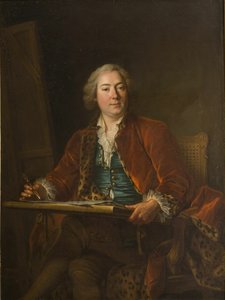
Херберт ван Лу
1705 - 1765 , Франция
Бързи факти
- Artistic Movement Or Style: Рококо живопис
- Artists Or Movements Influenced By This Artist: ['Съвременна френска школа']
- Artists Who Influenced This Artist:
- Бендетто Лути
- Жан-Баптист ван Лoo
- Date Of Birth: 17 февруари 1705 г.
- Date Of Death: 15 юли 1765 г.
- Full Name: Charles-André van Loo
- Nationality: Френски
- Notable Artworks:
- Венера и Любовь
- Преследование Охоты
- Портрет Мари Лесканской
- Place Of Birth: Ница, Франция
Свързани статии

Топ 10 шедьоври на Рококото: Изкуство за вашия дом от OriginalUniqueArt.com
Разгледайте топ 10 шедьоври на Рококото – Вато, Буше, Фрагонар и други! Открийте историите зад тези емблематични картини и вдъхнете елегантност във вашия дом с репродукции от OriginalUniqueArt.com. Разгледайте пълната колекция онлайн.
Sir Anthony van Dyck: Courtly Portraiture & the Shaping of Baroque Identity
Explore the life & legacy of Sir Anthony van Dyck, the leading court painter of his era. Discover his innovative portraiture, Baroque masterpieces, and investment potential for discerning collectors. Learn more at OriginalUniqueArt.

Топ 10 шедьоври на Раннонидерландското изкуство: История, артисти и красота за вашия дом
Разгледайте 10 шедьовъра на Раннонидерландското изкуство – Ян ван Ейк, Робер Кампен и други. Открийте историите зад тези емблематични картини и превърнете дома си в галерия с OriginalUniqueArt.com! Разгледайте колекцията онлайн.

Рембранд ван Рейн: Топ 25 шедьовъра за вашия дом – галерия от OriginalUniqueArt.com
Открийте 25 шедьовъра на Рембранд ван Рейн в галерията на OriginalUniqueArt.com! Разгледайте историите зад известните му картини, барокови портрети и библейски сцени. Луксозни репродукции за вашия дом – изкуство с качество от музей. Explore the full collection online!

Charles-André van Loo: A Study in Rococo Portraiture & the French Court's Artistic Dynamics
Explore the elegant world of Charles-André van Loo, a master of Rococo portraiture at the French court. Discover his life, techniques, and enduring influence on 18th-century art. Hand-painted reproductions available.


