

 Преглед в реален мащаб
 Сподели
 Сподели
 Подробности
 Ръководство

 Изтегляне
 Подобни артикули
 Рентгенова снимка
 Слайдшоу
 Статистика
MARIE LECZINSKA


 Разгърни целия текст
Жикле / Художествен принт
Giclée печат или принт върху платно с музейно качество, бързо производство и гъвкави опции за завършен вид. ( Поръчайте ръчно рисувано репродукция на този колекционерски предмет Превключване към дигитално изображение)




P118B €10

P118H €10

P118W €10

P438Z €10

P508JH €12

P508YH €12

P805H €10

P805Z €10

P919BZ €10

P919G €10

P919XJ €10

P959ZH €10

P968JZ €12

W106C €8

W218G €10

W218JH €8

W218Y €10

W307PJ €10

W316G €10

W316PJ €8

W316Y €10

W398PJ €8

W4111J €10

W500HY €15

W500JH €15

W692G €12

W849H €8

W940BG €15

W953PJ €8




Изберете от нашите предварително зададени размери, които съответстват на оригиналните пропорции на произведението.

Въведете необходимата ширина и височина, за да паснат на вашата рамка или стена. Принтовете могат само да се изрязват, но никога не могат да бъдат по-големи от оригиналната картина, така че при размер с различен формат част от изображението ще бъде загубена. Преди да започнем печат, ще ви изпратим дигитален мок업 за одобрение. Изображението, показано на тази страница, не показва реалното изрязване — само мок업ът го показва.
Доставка по целия свят () в рамките на 2 седмици вместо стандартните 4/5 седмици. (21 Октомври)

Безплатна експресна доставка по целия свят

Висококачествено ленено платно

Пълно застраховане на доставката

Гаранция за възстановяване на митнически такси

Гаранция за пълно съответствие на цветовете

Политика за връщане в рамките на 100 дни (само при дефекти)

100% Гаранция за връщане на сумата

Отстъпка при поръчка на повече произведения
 Опцията със стъкло е налична само за размери под 110 см

MARIE LECZINSKA
Жикле / Художествен принт
Размер на репродукцията
-


Крайна цена
€ 70
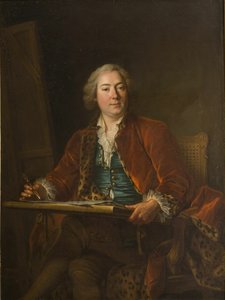
A Portrait of Grace: Marie Leczinska and the Rococo Embrace
Charles-André van Loo’s “Marie Leczinska” isn't merely a portrait; it’s a carefully constructed tableau vivant, a glimpse into the refined world of 18th-century French court life. Painted in 1747, this work captures Marie as she sat for the artist, a woman poised between duty and delight, radiating an understated elegance that speaks volumes about her position and personality. The scene unfolds within a meticulously rendered formal garden, a deliberate setting designed to elevate her status and subtly convey themes of nobility, leisure, and the delicate balance of power inherent in royal life.
Van Loo’s signature Rococo style is immediately apparent – an abundance of swirling drapery, pastel hues, and intricate ornamentation. The composition is remarkably balanced, with Marie positioned centrally yet gently offset by the architectural elements of the garden: a classical column, a glimpse of a distant building, and the suggestion of a shaded loggia. The artist masterfully employs light to create a sense of depth and atmosphere; diffused sunlight filters through the foliage, casting soft shadows that enhance the textures of fabrics and skin. The color palette is restrained yet luminous – creams, pale blues, and delicate pinks dominate, creating an air of serenity and refinement.
The Queen’s Garden: Symbolism in a Rococo Setting
Beyond its aesthetic beauty, “Marie Leczinska” is rich with symbolic meaning. The formal garden itself represents the queen's role as a patron of the arts and a figure of grace and refinement. Her pose – relaxed yet dignified, hand gently resting on a delicate vase – suggests both composure and an openness to pleasure. The inclusion of flowers, particularly those held in her hands, is laden with symbolism; they likely represent virtues or sentiments associated with queenship—beauty, fertility, and prosperity. The distant architectural elements hint at the grandeur of Versailles and the weight of royal responsibility, subtly reminding the viewer of Marie’s position within the complex tapestry of French courtly society.
The presence of a man seated behind her, observing her with quiet attentiveness, adds another layer to the narrative. This figure is likely her husband, Louis XV, and his gaze suggests both admiration and perhaps a touch of protective concern. The arrangement subtly underscores the power dynamics within the marriage – Marie as the beautiful subject, Louis as the watchful guardian of the realm.
A Master’s Technique: Oil on Canvas and the Van Loo Legacy
Van Loo's skill is evident in his meticulous attention to detail and his ability to capture the nuances of texture and light. The painting was executed in oil on canvas, a medium that allowed him to achieve remarkable subtlety and depth of color. The layering of paint creates a sense of luminosity, particularly in the fabrics and skin tones. Note the delicate rendering of the folds in Marie’s dress, the intricate details of the flowers, and the subtle gradations of light and shadow—all hallmarks of Van Loo's masterful technique.
This work stands as a testament to the artist’s legacy within the Rococo movement. As a member of a prominent family of painters, Charles-André van Loo built upon his predecessors’ traditions while establishing his own distinctive style. His portraits were highly sought after by royalty and nobility throughout Europe, and “Marie Leczinska” remains one of his most celebrated achievements—a captivating example of Rococo elegance and artistic skill.
- Artist: Charles-André van Loo
- Date: 1747
- Medium: Oil on Canvas
- Style: Rococo
- Dimensions: Unknown
Въпроси и отговори
За коя стая се препоръчва „MARIE LECZINSKA“ на Херберт ван Лу, предвид цветовете му?
Благодарение на своята палитра от Earthy, „MARIE LECZINSKA“ на Херберт ван Лу се препоръчва за Living Room. Цветовете са една от причините за това предложение.
Къде мога да купя принт на „MARIE LECZINSKA“ на Херберт ван Лу?
За да поръчате принт на „MARIE LECZINSKA“ на Херберт ван Лу, просто го направете на неговата страница за поръчка: Художествен принт: художествен принт върху памучно платно или архивен канвас хартия.
Къде мога да намеря произведения на изкуството, подобни на „MARIE LECZINSKA“ на Херберт ван Лу?
Страницата Подобни произведения на „MARIE LECZINSKA“ на Херберт ван Лу представя свързани произведения на изкуството.
Биография на художника
Ранен живот и обучение
- Роден: 15 февруари 1705 г., в Ница, Франция
- Семейна история: Син на Луи-Абрахам ван Лу и по-малък брат на Жан-Баптист ван Лу. Член на успешна династия от нидерландски художници.
- Ранно образование: Първоначално обучение в Турин, последвано от изследвания в Рим (1712 г.) под ръководството на Бенедето Лути и Пиер Легро.
- Парижки изследвания: Посетил Королевската академия (Académie royale), спечелил първа награда за рисуване през 1723 г. и за историческа живопис през 1727 г.
Творческа кариера и забележителни произведения
- Стил: Познат предимно като майстор на рококото, характеризиращ се с елегантност, грация и богати детайли.
- Тематика: Разнообразен спектър, включващ портрети, митологични сцени, исторически картини, алегории и жанрови сцени.
- Значими творби:
- Венера и Амур (Kunsthalle Bremen) – демонстрира майсторството в стила на рококото.
- Спиране на лова (Metropolitan Museum of Art) – улавя аристократичните занимания.
- Портрет на Мария Лешинска, кралица на Франция – забележителен кралски портрет.
- Юпитер и Антиопе – представя митологични теми.
- Автопортрет – дава представа за себевъзприятието на художника.
- Персей и Андромеда (няколко версии) – илюстрира умението в изобразяването на класическата митология.
- Мадемоазел Клерон като Медея (малка версия) – завладяващ рококо портрет от 1760 г.
Покровителство и кралско признание
- Кралско покровителство: Наслаждавал се на подкрепата на мадам дьо Помпадур и на френския двор.
- Назначение при двора: През 1762 г. става Първи придворни художник на крал Луи XV, престижна позиция.
- Орден „Св. Михаил“: Украсен с ордена „Св. Михаил“, което е символ на кралската милост.
Влияния и наследство
- Семейно влияние: Силно повлиян от баща си и брат си, и двамата изтънчени художници.
- Съперничество: Конкурирал се с Франсоа Буше, друг виден представител на рококото.
- Модерната френска школа: Неговата „простота на стила и коректност на дизайна“ оказва значително влияние върху модерната френска школа в живописта.
- Критична съдба: Въпреки че неговото критично положение варира във времето, умението и обхватът на неговата работа вдъхват уважение.
Музейни колекции и по-нататъшно проучване
- Присъствие в музеи: Творбите му са включени в видни музеи, включително Лувър (Сватбата на Дева), Kunsthalle Bremen и Метрополитънския музей на изкуството.
- Допълнителни ресурси:
- Страница на Charles-André van Loo в OriginalUniqueArt: https://www.OriginalUniqueArt.com/artists/charles-andre-van-loo/
- Страница за най-великите художници на всички времена в OriginalUniqueArt: https://www.OriginalUniqueArt.com/greatest-artists
- Виртуалният музей на OriginalUniqueArt: https://www.OriginalUniqueArt.com/
- Статия във Wikipedia: https://en.wikipedia.org/wiki/Charles-Andr%C3%A9_van_Loo
Херберт ван Лу
1705 - 1765 , Франция
Бързи факти
- Artistic Movement Or Style: Рококо живопис
- Artists Or Movements Influenced By This Artist: ['Съвременна френска школа']
- Artists Who Influenced This Artist:
- Бендетто Лути
- Жан-Баптист ван Лoo
- Date Of Birth: 17 февруари 1705 г.
- Date Of Death: 15 юли 1765 г.
- Full Name: Charles-André van Loo
- Nationality: Френски
- Notable Artworks:
- Венера и Любовь
- Преследование Охоты
- Портрет Мари Лесканской
- Place Of Birth: Ница, Франция
Свързани статии

Топ 10 шедьоври на Рококото: Изкуство за вашия дом от OriginalUniqueArt.com
Разгледайте топ 10 шедьоври на Рококото – Вато, Буше, Фрагонар и други! Открийте историите зад тези емблематични картини и вдъхнете елегантност във вашия дом с репродукции от OriginalUniqueArt.com. Разгледайте пълната колекция онлайн.

Рембранд ван Рейн: Топ 25 шедьовъра за вашия дом – галерия от OriginalUniqueArt.com
Открийте 25 шедьовъра на Рембранд ван Рейн в галерията на OriginalUniqueArt.com! Разгледайте историите зад известните му картини, барокови портрети и библейски сцени. Луксозни репродукции за вашия дом – изкуство с качество от музей. Explore the full collection online!

Charles-André van Loo: A Study in Rococo Portraiture & the French Court's Artistic Dynamics
Explore the elegant world of Charles-André van Loo, a master of Rococo portraiture at the French court. Discover his life, techniques, and enduring influence on 18th-century art. Hand-painted reproductions available.

Топ 10 шедьоври на Ранния нидерландски ренесанс – изкуство за вашия дом от OriginalUniqueArt.com
Открийте 10 шедьовъра на Ранния нидерландски ренесанс – Ян ван Ейк, Робер Кампен и други майстори. Истории, символизъм и изкуство за вашия дом от OriginalUniqueArt.com! Разгледайте пълната колекция онлайн.

Топ 10 шедьоври на Раннонидерландското изкуство: История, артисти и красота за вашия дом
Разгледайте 10 шедьовъра на Раннонидерландското изкуство – Ян ван Ейк, Робер Кампен и други. Открийте историите зад тези емблематични картини и превърнете дома си в галерия с OriginalUniqueArt.com! Разгледайте колекцията онлайн.


