

 Преглед в реален мащаб
 Сподели
 Сподели
 Подробности
 Ръководство

 Изтегляне
 Подобни артикули
 Рентгенова снимка
 Слайдшоу
 Статистика
ENEE PORTANT ANCHISE


 Разгърни целия текст
Жикле / Художествен принт
Giclée печат или принт върху платно с музейно качество, бързо производство и гъвкави опции за завършен вид. ( Поръчайте ръчно рисувано репродукция на този колекционерски предмет Превключване към дигитално изображение)




P118B €10

P118H €10

P118W €10

P438Z €10

P508JH €12

P508YH €12

P805H €10

P805Z €10

P919BZ €10

P919G €10

P919XJ €10

P959ZH €10

P968JZ €12

W106C €8

W218G €10

W218JH €8

W218Y €10

W307PJ €10

W316G €10

W316PJ €8

W316Y €10

W398PJ €8

W4111J €10

W500HY €15

W500JH €15

W692G €12

W849H €8

W940BG €15

W953PJ €8




Изберете от нашите предварително зададени размери, които съответстват на оригиналните пропорции на произведението.

Въведете необходимата ширина и височина, за да паснат на вашата рамка или стена. Принтовете могат само да се изрязват, но никога не могат да бъдат по-големи от оригиналната картина, така че при размер с различен формат част от изображението ще бъде загубена. Преди да започнем печат, ще ви изпратим дигитален мок업 за одобрение. Изображението, показано на тази страница, не показва реалното изрязване — само мок업ът го показва.
Доставка по целия свят () в рамките на 2 седмици вместо стандартните 4/5 седмици. (21 Октомври)

Безплатна експресна доставка по целия свят

Висококачествено ленено платно

Пълно застраховане на доставката

Гаранция за възстановяване на митнически такси

Гаранция за пълно съответствие на цветовете

Политика за връщане в рамките на 100 дни (само при дефекти)

100% Гаранция за връщане на сумата

Отстъпка при поръчка на повече произведения
 Опцията със стъкло е налична само за размери под 110 см

ENEE PORTANT ANCHISE
Жикле / Художествен принт
Размер на репродукцията
-


Крайна цена
€ 70
A Moment of Heroic Devotion
In the sweeping, dramatic tradition of the Rococo era, Charles-André van Loo captures a scene of profound human connection and physical exertion in Enee portant Anchise. The painting presents a breathtaking tableau of movement, centered on the powerful figure of Aeneas as he carries his aged father, Anchises, upon his back. This is not merely a depiction of strength, but a poignant study of duty and the heavy weight of lineage. As the protagonist navigates through a crowd of onlookers, the composition vibrates with an urgent energy, pulling the viewer into the midst of a fleeing or arriving procession. The interplay of hands—one gripping tightly to ensure stability, the other reaching out in a gesture of guidance—creates a rhythmic tension that anchors the entire narrative.
The artistry of Van Loo shines through his masterful command of light and texture, hallmarks of a painter trained in the prestigious Académie royale. The scene is bathed in a luminous quality that softens the edges of the surrounding figures, allowing the central duo to emerge with sculptural clarity. One can almost feel the strain in the muscles of the bearer and the delicate, weathered grace of the elder. Subtle details, such as the bright white of a hat or the humble presence of a bowl resting on the earth, serve to ground this mythological moment in a tangible, human reality. The brushwork, though refined, possesses a fluid vitality that breathes life into the fabric of their garments and the atmospheric depth of the background.
The Elegance of Rococo Narrative
Beyond its immediate physical drama, the work serves as a window into the 18th-century fascination with classical antiquity and the virtues of heroism. Van Loo, a master of the Rococo style, avoids the heavy, somber tones of the preceding Baroque period, opting instead for an elegance that finds beauty in struggle. The painting functions as an allegory of resilience; it is a visual poem about the preservation of history and the sacred bond between generations. For the discerning collector or interior designer, this piece offers more than just a historical reference—it provides a sophisticated focal point that commands attention through its emotional depth and classical prestige.
Integrating such a masterpiece into a contemporary space allows for a striking dialogue between the past and the present. Whether placed in a grand salon to evoke a sense of timeless nobility or used as a conversation piece in a modern study, the painting’s rich palette and dynamic composition lend an air of cultured sophistication. It invites the observer to pause and reflect on the enduring themes of sacrifice and devotion, making it an exquisite choice for those who seek art that resonates with both aesthetic splendor and profound human truth.
Въпроси и отговори
С какво чувство е свързана творбата "ENEE PORTANT ANCHISE"?
Емоционалният тон, отбелязан за „ENEE PORTANT ANCHISE“ на Херберт ван Лу, е Romantic. Той обобщава усещането, което произведението изразява.
От коя епоха е „ENEE PORTANT ANCHISE“ на Херберт ван Лу?
"ENEE PORTANT ANCHISE" принадлежи към епохата на Early Modern.
Какво настроение изразява „ENEE PORTANT ANCHISE“ на Херберт ван Лу в рамките на Rococo?
Romantic емоцията на „ENEE PORTANT ANCHISE“ допълва нейния Rococo стил.
Биография на художника
Ранен живот и обучение
- Роден: 15 февруари 1705 г., в Ница, Франция
- Семейна история: Син на Луи-Абрахам ван Лу и по-малък брат на Жан-Баптист ван Лу. Член на успешна династия от нидерландски художници.
- Ранно образование: Първоначално обучение в Турин, последвано от изследвания в Рим (1712 г.) под ръководството на Бенедето Лути и Пиер Легро.
- Парижки изследвания: Посетил Королевската академия (Académie royale), спечелил първа награда за рисуване през 1723 г. и за историческа живопис през 1727 г.
Творческа кариера и забележителни произведения
- Стил: Познат предимно като майстор на рококото, характеризиращ се с елегантност, грация и богати детайли.
- Тематика: Разнообразен спектър, включващ портрети, митологични сцени, исторически картини, алегории и жанрови сцени.
- Значими творби:
- Венера и Амур (Kunsthalle Bremen) – демонстрира майсторството в стила на рококото.
- Спиране на лова (Metropolitan Museum of Art) – улавя аристократичните занимания.
- Портрет на Мария Лешинска, кралица на Франция – забележителен кралски портрет.
- Юпитер и Антиопе – представя митологични теми.
- Автопортрет – дава представа за себевъзприятието на художника.
- Персей и Андромеда (няколко версии) – илюстрира умението в изобразяването на класическата митология.
- Мадемоазел Клерон като Медея (малка версия) – завладяващ рококо портрет от 1760 г.
Покровителство и кралско признание
- Кралско покровителство: Наслаждавал се на подкрепата на мадам дьо Помпадур и на френския двор.
- Назначение при двора: През 1762 г. става Първи придворни художник на крал Луи XV, престижна позиция.
- Орден „Св. Михаил“: Украсен с ордена „Св. Михаил“, което е символ на кралската милост.
Влияния и наследство
- Семейно влияние: Силно повлиян от баща си и брат си, и двамата изтънчени художници.
- Съперничество: Конкурирал се с Франсоа Буше, друг виден представител на рококото.
- Модерната френска школа: Неговата „простота на стила и коректност на дизайна“ оказва значително влияние върху модерната френска школа в живописта.
- Критична съдба: Въпреки че неговото критично положение варира във времето, умението и обхватът на неговата работа вдъхват уважение.
Музейни колекции и по-нататъшно проучване
- Присъствие в музеи: Творбите му са включени в видни музеи, включително Лувър (Сватбата на Дева), Kunsthalle Bremen и Метрополитънския музей на изкуството.
- Допълнителни ресурси:
- Страница на Charles-André van Loo в OriginalUniqueArt: https://www.OriginalUniqueArt.com/artists/charles-andre-van-loo/
- Страница за най-великите художници на всички времена в OriginalUniqueArt: https://www.OriginalUniqueArt.com/greatest-artists
- Виртуалният музей на OriginalUniqueArt: https://www.OriginalUniqueArt.com/
- Статия във Wikipedia: https://en.wikipedia.org/wiki/Charles-Andr%C3%A9_van_Loo
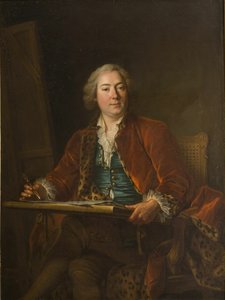
Херберт ван Лу
1705 - 1765 , Франция
Бързи факти
- Artistic Movement Or Style: Рококо живопис
- Artists Or Movements Influenced By This Artist: ['Съвременна френска школа']
- Artists Who Influenced This Artist:
- Бендетто Лути
- Жан-Баптист ван Лoo
- Date Of Birth: 17 февруари 1705 г.
- Date Of Death: 15 юли 1765 г.
- Full Name: Charles-André van Loo
- Nationality: Френски
- Notable Artworks:
- Венера и Любовь
- Преследование Охоты
- Портрет Мари Лесканской
- Place Of Birth: Ница, Франция
Свързани статии

The Enduring Legacy of Fine Art Prints: Technique, History & Aesthetic Impact
Explore the rich history & techniques of fine art prints. Discover investment potential, assess authenticity, and learn how to preserve your collection with expert guidance. Trusted insights for discerning collectors.

Топ 10 шедьоври на Неокласицизма: Изкуство за вашия дом от OriginalUniqueArt.com
Разгледайте 10 шедьовъра на Неокласицизма с Давид, Енгр и Канова! Открийте историите зад класическите картини и скулптури. Вдъхновете се за интериорния дизайн с OriginalUniqueArt.com – репродукции с музейно качество.

Charles-André van Loo: A Study in Rococo Portraiture & the French Court's Artistic Dynamics
Explore the elegant world of Charles-André van Loo, a master of Rococo portraiture at the French court. Discover his life, techniques, and enduring influence on 18th-century art. Hand-painted reproductions available.

Giclée Prints: Archival Quality & Aesthetic Nuances for the Discerning Collector
Explore the world of giclée prints with OriginalUniqueArt. Learn about archival quality, aesthetic nuances & investment potential. Expert guidance for discerning art collectors seeking museum-quality reproductions and lasting value.

Рембранд ван Рейн: Топ 25 шедьовъра за вашия дом – галерия от OriginalUniqueArt.com
Открийте 25 шедьовъра на Рембранд ван Рейн в галерията на OriginalUniqueArt.com! Разгледайте историите зад известните му картини, барокови портрети и библейски сцени. Луксозни репродукции за вашия дом – изкуство с качество от музей. Explore the full collection online!


