

 Преглед в реален мащаб
 Сподели
 Сподели
 Подробности
 Ръководство

 Изтегляне
 Подобни артикули
 Рентгенова снимка
 Слайдшоу
 Статистика
Aeneas Carrying Anchises
 Oil On Canvas
- WallArt
- Rococo
 1729
1729 110.0 x 105.0 cm
 Лувър
Лувър
 Разгърни целия текст
Жикле / Художествен принт
Giclée печат или принт върху платно с музейно качество, бързо производство и гъвкави опции за завършен вид. ( Поръчайте ръчно рисувано репродукция на този колекционерски предмет Превключване към дигитално изображение)




P118B €10

P118H €10

P118W €10

P438Z €10

P508JH €12

P508YH €12

P805H €10

P805Z €10

P919BZ €10

P919G €10

P919XJ €10

P959ZH €10

P968JZ €12

W106C €8

W218G €10

W218JH €8

W218Y €10

W307PJ €10

W316G €10

W316PJ €8

W316Y €10

W398PJ €8

W4111J €10

W500HY €15

W500JH €15

W692G €12

W849H €8

W940BG €15

W953PJ €8




Изберете от нашите предварително зададени размери, които съответстват на оригиналните пропорции на произведението.

Въведете необходимата ширина и височина, за да паснат на вашата рамка или стена. Принтовете могат само да се изрязват, но никога не могат да бъдат по-големи от оригиналната картина, така че при размер с различен формат част от изображението ще бъде загубена. Преди да започнем печат, ще ви изпратим дигитален мок업 за одобрение. Изображението, показано на тази страница, не показва реалното изрязване — само мок업ът го показва.
Доставка по целия свят () в рамките на 2 седмици вместо стандартните 4/5 седмици. (21 Октомври)

Безплатна експресна доставка по целия свят

Висококачествено ленено платно

Пълно застраховане на доставката

Гаранция за възстановяване на митнически такси

Гаранция за пълно съответствие на цветовете

Политика за връщане в рамките на 100 дни (само при дефекти)

100% Гаранция за връщане на сумата

Отстъпка при поръчка на повече произведения
 Опцията със стъкло е налична само за размери под 110 см

Aeneas Carrying Anchises
Жикле / Художествен принт
Размер на репродукцията
-


Крайна цена
€ 70
Aeneas Carrying Anchises: A Testament to Roman Heroism and Rococo Elegance
Charles-André van Loo’s “Aeneas Carrying Anchises,” painted in 1729, is more than just a depiction of a pivotal moment from Virgil's *Aeneid*; it’s a masterful distillation of the Rococo style, imbued with a profound sense of drama and classical gravitas. This artwork, now meticulously reproduced on hand-painted canvas by OriginalUniqueArt, offers a captivating glimpse into 18th-century French artistic sensibilities – a world where mythological narratives intertwined seamlessly with aristocratic life and an exquisite attention to detail reigned supreme.
The scene unfolds within a classically inspired architectural setting, reminiscent of the Temple of Venus or perhaps even the Parthenon, lending an air of timeless grandeur. Van Loo skillfully employs atmospheric perspective – the subtle blurring of details in the background – to draw the viewer’s eye towards the central figures: Aeneas, the Trojan hero, and his aged father, Anchises. The composition is carefully balanced, utilizing a pyramidal structure that reinforces the importance of these two patriarchs. Note the deliberate use of light; it illuminates Aeneas's determined face and the weight of responsibility he carries, while casting a softer glow upon Anchises, suggesting both vulnerability and profound wisdom.
The Rococo Palette: Color, Texture, and Ornamentation
As a leading figure in the Rococo movement, Van Loo’s signature style is immediately recognizable. The painting bursts with rich, layered colors – deep reds, blues, and golds dominate the palette, creating an opulent and luxurious atmosphere. The artist's meticulous brushwork reveals a remarkable attention to texture; from the folds of Aeneas’s cloak to the weathered skin of Anchises, every surface is rendered with incredible realism. Observe how he uses shimmering highlights to capture the light reflecting off polished marble columns and the fabric of their garments – a hallmark of Rococo technique.
The decorative elements are equally noteworthy. The architectural details, while rooted in classical forms, are embellished with intricate moldings, garlands, and subtle flourishes characteristic of the era. Van Loo’s mastery extends to portraying the human form; Aeneas and Anchises are depicted with a graceful elegance that reflects the ideals of beauty prevalent during the Rococo period. The inclusion of other figures in the background – soldiers, attendants, and perhaps even a veiled woman – adds depth and narrative complexity to the scene, hinting at the broader context of the Trojan War and its aftermath.
Symbolism and Narrative Resonance
Beyond its aesthetic beauty, “Aeneas Carrying Anchises” is rich in symbolic meaning. The act of Aeneas carrying his father represents not only filial devotion but also the burden of leadership and the transmission of legacy. Anchises, a descendant of Aeneas and the rightful heir to Troy, embodies the continuity of Roman civilization. The setting itself – a temple or monumental structure – elevates the scene to a realm of mythic importance, suggesting that Aeneas’s journey is not merely a personal quest but a destiny ordained by the gods.
Furthermore, the presence of the woman in the background has been interpreted as representing Fides (Faith) or perhaps even Venus herself, subtly reinforcing the themes of duty, honor, and divine guidance. The painting's overall mood is one of solemn determination tempered with a poignant sense of loss – a reminder of the sacrifices required to fulfill a noble purpose. OriginalUniqueArt’s faithful reproduction captures this nuanced emotional depth, allowing viewers to fully appreciate the artistry and storytelling embedded within Van Loo’s masterpiece.
Bringing “Aeneas Carrying Anchises” Home
Whether you're an art enthusiast, a collector seeking to enrich your collection, or simply someone looking for a stunning addition to your interior décor, OriginalUniqueArt’s hand-painted reproduction of “Aeneas Carrying Anchises” offers the perfect opportunity to own a piece of 18th-century artistic history. The meticulous detail and vibrant colors faithfully recreate Van Loo's original vision, while the canvas medium provides a timeless quality that will endure for generations to come. Explore our selection of sizes and framing options to find the ideal representation for your space – and experience the enduring power of this iconic artwork.
Въпроси и отговори
Къде мога да намеря произведения на изкуството, подобни на „Aeneas Carrying Anchises“ на Херберт ван Лу?
Страницата Подобни произведения на „Aeneas Carrying Anchises“ на Херберт ван Лу представя свързани произведения на изкуството.
Как "Aeneas Carrying Anchises" се вписва в темите и стила на Херберт ван Лу?
"Aeneas Carrying Anchises" принадлежи към творчеството на Херберт ван Лу в рамките на Rococo, чиито утвърдени теми включват italian baroque influence, mythological, roman themes, courtly patronage, luxury, dynasty’s artistic legacy, classical narrative depiction.
Какъв е емоционалният тон, който съпътства стила на Rococo в „Aeneas Carrying Anchises“?
"Aeneas Carrying Anchises" носи Melancholic емоционален тон в рамките на движението Rococo.
Биография на художника
Ранен живот и обучение
- Роден: 15 февруари 1705 г., в Ница, Франция
- Семейна история: Син на Луи-Абрахам ван Лу и по-малък брат на Жан-Баптист ван Лу. Член на успешна династия от нидерландски художници.
- Ранно образование: Първоначално обучение в Турин, последвано от изследвания в Рим (1712 г.) под ръководството на Бенедето Лути и Пиер Легро.
- Парижки изследвания: Посетил Королевската академия (Académie royale), спечелил първа награда за рисуване през 1723 г. и за историческа живопис през 1727 г.
Творческа кариера и забележителни произведения
- Стил: Познат предимно като майстор на рококото, характеризиращ се с елегантност, грация и богати детайли.
- Тематика: Разнообразен спектър, включващ портрети, митологични сцени, исторически картини, алегории и жанрови сцени.
- Значими творби:
- Венера и Амур (Kunsthalle Bremen) – демонстрира майсторството в стила на рококото.
- Спиране на лова (Metropolitan Museum of Art) – улавя аристократичните занимания.
- Портрет на Мария Лешинска, кралица на Франция – забележителен кралски портрет.
- Юпитер и Антиопе – представя митологични теми.
- Автопортрет – дава представа за себевъзприятието на художника.
- Персей и Андромеда (няколко версии) – илюстрира умението в изобразяването на класическата митология.
- Мадемоазел Клерон като Медея (малка версия) – завладяващ рококо портрет от 1760 г.
Покровителство и кралско признание
- Кралско покровителство: Наслаждавал се на подкрепата на мадам дьо Помпадур и на френския двор.
- Назначение при двора: През 1762 г. става Първи придворни художник на крал Луи XV, престижна позиция.
- Орден „Св. Михаил“: Украсен с ордена „Св. Михаил“, което е символ на кралската милост.
Влияния и наследство
- Семейно влияние: Силно повлиян от баща си и брат си, и двамата изтънчени художници.
- Съперничество: Конкурирал се с Франсоа Буше, друг виден представител на рококото.
- Модерната френска школа: Неговата „простота на стила и коректност на дизайна“ оказва значително влияние върху модерната френска школа в живописта.
- Критична съдба: Въпреки че неговото критично положение варира във времето, умението и обхватът на неговата работа вдъхват уважение.
Музейни колекции и по-нататъшно проучване
- Присъствие в музеи: Творбите му са включени в видни музеи, включително Лувър (Сватбата на Дева), Kunsthalle Bremen и Метрополитънския музей на изкуството.
- Допълнителни ресурси:
- Страница на Charles-André van Loo в OriginalUniqueArt: https://www.OriginalUniqueArt.com/artists/charles-andre-van-loo/
- Страница за най-великите художници на всички времена в OriginalUniqueArt: https://www.OriginalUniqueArt.com/greatest-artists
- Виртуалният музей на OriginalUniqueArt: https://www.OriginalUniqueArt.com/
- Статия във Wikipedia: https://en.wikipedia.org/wiki/Charles-Andr%C3%A9_van_Loo
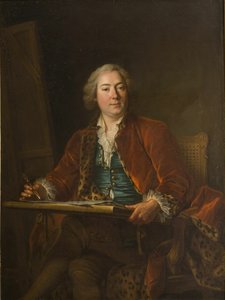
Херберт ван Лу
1705 - 1765 , Франция
Бързи факти
- Artistic Movement Or Style: Рококо живопис
- Artists Or Movements Influenced By This Artist: ['Съвременна френска школа']
- Artists Who Influenced This Artist:
- Бендетто Лути
- Жан-Баптист ван Лoo
- Date Of Birth: 17 февруари 1705 г.
- Date Of Death: 15 юли 1765 г.
- Full Name: Charles-André van Loo
- Nationality: Френски
- Notable Artworks:
- Венера и Любовь
- Преследование Охоты
- Портрет Мари Лесканской
- Place Of Birth: Ница, Франция
Свързани статии

Топ 10 шедьоври на Рококото: Изкуство за вашия дом от OriginalUniqueArt.com
Разгледайте топ 10 шедьоври на Рококото – Вато, Буше, Фрагонар и други! Открийте историите зад тези емблематични картини и вдъхнете елегантност във вашия дом с репродукции от OriginalUniqueArt.com. Разгледайте пълната колекция онлайн.

Топ 10 шедьоври на Ранния нидерландски ренесанс – изкуство за вашия дом от OriginalUniqueArt.com
Открийте 10 шедьовъра на Ранния нидерландски ренесанс – Ян ван Ейк, Робер Кампен и други майстори. Истории, символизъм и изкуство за вашия дом от OriginalUniqueArt.com! Разгледайте пълната колекция онлайн.

Charles-André van Loo: A Study in Rococo Portraiture & the French Court's Artistic Dynamics
Explore the elegant world of Charles-André van Loo, a master of Rococo portraiture at the French court. Discover his life, techniques, and enduring influence on 18th-century art. Hand-painted reproductions available.

Топ 10 шедьоври на Раннонидерландското изкуство: История, артисти и красота за вашия дом
Разгледайте 10 шедьовъра на Раннонидерландското изкуство – Ян ван Ейк, Робер Кампен и други. Открийте историите зад тези емблематични картини и превърнете дома си в галерия с OriginalUniqueArt.com! Разгледайте колекцията онлайн.

Рембранд ван Рейн: Топ 25 шедьовъра за вашия дом – галерия от OriginalUniqueArt.com
Открийте 25 шедьовъра на Рембранд ван Рейн в галерията на OriginalUniqueArt.com! Разгледайте историите зад известните му картини, барокови портрети и библейски сцени. Луксозни репродукции за вашия дом – изкуство с качество от музей. Explore the full collection online!


