

 Представи си го
 Изпрати
 Сподели
 Детайли

 Изтегляне
 Подобни
 Рентгенова снимка
 Слайдшоу
Port by Moonlight

 Прочетете повече
Ръчно изработена маслена репродукция
Ръчно рисувана маслена картина върху платно във вашия размер и рамка, изработена по поръчка от нашите художници. ( Купете принт Купете изображение)




P118B $10

P118H $10

P118W $10

P438Z $10

P508JH $12

P508YH $12

P805H $10

P805Z $10

P919BZ $10

P919G $10

P919XJ $10

P959ZH $10

P968JZ $12

W106C $8

W218G $10

W218JH $8

W218Y $10

W307PJ $10

W316G $10

W316PJ $8

W316Y $10

W398PJ $8

W4111J $10

W500HY $15

W500JH $15

W692G $12

W849H $8

W940BG $15

W953PJ $8




Изберете от предварително зададените размери, които съответстват на оригиналните пропорции на произведението.

Можете да въведете свои собствени размери, за да пасне на конкретна рамка или пространство. Ако избраният от вас размер не съответства на пропорциите на оригиналното изображение, ние ще изрежем произведението или ще удължим картината с допълнителни ръчно рисувани елементи. Дигитален макет ще бъде изпратен за ваше одобрение преди започване на производството.
Моля, обърнете внимание, че прегледът на екрана не отразява действителното изрязване или разширяване. Само макетът ще покаже точно финалния състав.
Въпреки че са налични персонализирани размери, препоръчваме да изберете размер от предварително дефинирания списък, за да запазите оригиналните пропорции.
След поръчка, екипът на OriginalUniqueArt.com ще изпрати имейл на клиента за инструкции и ще предостави преглед на макет.
Доставка по целия свят () в рамките на 3/4 седмици вместо стандартните 5 седмици. (30 Август). Без компромис с качеството.

Безплатна експресна доставка по целия свят

Висококачествено ленено платно

Пълно застраховане при доставка

Гаранция за възстановяване на митнически такси

Гаранция за цветова точност

60-Дневен период за връщане (Само при дефекти)

100% Гаранция за връщане на парите

Предложение за отстъпка при поръчка на едро
 Стъклото е налично само в размери под 110 см

Port by Moonlight
Репродукционен метод
Размер на репродукцията
-


Обща цена
$ 300
A Nocturne of Tranquility: Exploring Caspar David Friedrich’s ‘Port by Moonlight’
Caspar David Friedrich's ‘Port by Moonlight’, painted in 1818, is a quintessential example of German Romanticism – a visual poem evoking introspection and the sublime power of nature. More than just a depiction of a harbor scene, it’s an invitation to contemplate the relationship between humanity and the vastness of the natural world.Subject & Composition
The painting presents a serene nocturnal view of a harbor, dotted with resting boats gently illuminated by the soft glow of the moon. The composition is masterfully divided: a dark, almost silhouetted foreground gives way to a brightly lit background, drawing the viewer’s eye deep into the scene. A solitary figure stands near the right edge, subtly suggesting human presence without dominating the landscape – a hallmark of Friedrich's style. This individual isn’t actively *doing* anything; rather, they are simply *being* within this evocative space, mirroring the contemplative mood the painting inspires.Style & Technique: The Romantic Aesthetic
Friedrich was a pioneer in establishing a distinctly German Romantic aesthetic. ‘Port by Moonlight’ exemplifies his use of chiaroscuro, the dramatic interplay of light and shadow, to create depth and atmosphere. This technique isn't merely representational; it serves to heighten the emotional impact, imbuing the scene with a sense of mystery and spiritual resonance. The brushwork is delicate yet purposeful, capturing the subtle reflections on the water and the ethereal quality of moonlight. He employs atmospheric perspective – softening details in the distance – further enhancing the illusion of depth and vastness.Historical Context & Romantic Ideals
Created during the height of the Romantic movement, ‘Port by Moonlight’ reflects a shift away from Enlightenment rationalism towards an emphasis on emotion, intuition, and the power of individual experience. The early 19th century saw a growing fascination with nature as a source of spiritual truth and solace – a reaction against the industrializing world. Friedrich's work embodies this sentiment; his landscapes aren’t simply pretty pictures but rather vehicles for exploring profound philosophical and religious themes.Symbolism & Emotional Resonance
The harbor itself can be interpreted as a metaphor for life’s journey – a place of transition, rest, and potential departure. The stillness of the water and the quiet repose of the boats suggest peace and tranquility, but also perhaps a sense of melancholy or longing. The moon, traditionally associated with mystery, intuition, and the subconscious, casts an ethereal glow over the scene, adding to its dreamlike quality. Friedrich often imbued his landscapes with religious symbolism; here, the moonlight might allude to divine presence or spiritual illumination.A Timeless Masterpiece for Your Collection
‘Port by Moonlight’ is more than just a painting; it's an experience. Its enduring appeal lies in its ability to evoke a sense of wonder, contemplation, and emotional connection with the natural world. OriginalUniqueArt offers meticulously crafted, handmade oil reproductions of this masterpiece, allowing you to bring Friedrich’s vision into your home or office.Explore More Works by Caspar David Friedrich
Each of these paintings offers a unique window into Friedrich’s artistic genius and his profound exploration of the human spirit within the grandeur of nature.Биография на художника
A Solitary Vision: The Life and Art of Caspar David Friedrich
Born in the Baltic port city of Greifswald in 1774, Caspar David Friedrich’s life was steeped in a melancholic atmosphere that would profoundly shape his artistic vision. His early years were marked by loss – the deaths of his mother and siblings cast a long shadow, fostering a sensitivity to mortality and transience that became central themes in his work. Initially educated by his older brother Christian in drawing, Friedrich’s formal training began at the University of Leipzig, where he pursued both art and theology, though neither degree was completed. This dual interest – a fascination with the visual world alongside a deep spiritual questioning – would prove crucial to his development as an artist. He sought not merely to depict landscapes but to convey inner emotional states through their evocative beauty—a radical departure from prevailing artistic conventions of his time.Early Influences and Artistic Training
Friedrich’s formative years were shaped by exposure to the intellectual currents of Leipzig, where he encountered thinkers like Kant who championed subjective experience as a path to understanding reality. This philosophical engagement would inform his artistic approach, encouraging him to prioritize emotion over mere representation. His brother Christian provided invaluable support in honing his drawing skills, recognizing Friedrich's innate talent and nurturing his passion for art. Further studies in Copenhagen broadened his technical repertoire, introducing him to the traditions of Dutch landscape painting—particularly the works of Jacob van Ruisdael—which emphasized atmospheric perspective and a contemplative gaze. However, Friedrich resisted imitation, striving instead to forge his own distinctive style rooted in profound psychological insight.The Romantic Landscape: A New Aesthetic
Friedrich’s artistic breakthrough occurred during the early 1800s when he embraced the tenets of Romanticism—a movement characterized by an emphasis on imagination, emotion, and individualism. Rejecting the rational idealism of the Enlightenment, Romantics sought inspiration in nature as a source of spiritual renewal and sublime beauty. Friedrich's canvases are imbued with *Rückenfiguren*, figures seen from behind, which invite viewers to step into the scene and share in the contemplative experience—a technique that became his signature element. He skillfully manipulated light and shadow, creating dramatic compositions that conveyed a sense of grandeur and mystery. Recurring motifs included ancient trees, towering mountains, swirling fog, and crumbling ruins—symbols representing life’s cycles, spiritual longing, and the weight of history.Iconic Paintings and Symbolic Significance
Friedrich produced several masterpieces that exemplify his artistic vision and cemented his place in art history. “The Abbey in the Oakwood” (1809-1810), a haunting depiction of a ruined churchyard bathed in twilight, powerfully communicates themes of decay and remembrance—a poignant meditation on mortality. Perhaps his most celebrated work, “Wanderer Above the Sea of Fog” (c. 1818), embodies the Romantic ideal of confronting the sublime—the awe-inspiring grandeur of nature that dwarfs human insignificance. The solitary figure gazing out over a misty landscape symbolizes both aspiration and humility. Similarly, “Chalk Cliffs on Rügen” (1818) captures the beauty of the Baltic coast while subtly conveying a sense of German national identity—a burgeoning concern during a period of political upheaval. And finally, “The Sea of Ice” (1824), a chilling portrayal of an Arctic wilderness, underscores nature’s indifference to human concerns and evokes feelings of terror and wonder.Legacy and Influence
Friedrich's artistic innovations profoundly impacted subsequent generations of artists—particularly Symbolists and Surrealists who sought to express inner emotions through evocative imagery. His emphasis on subjective experience and psychological depth paved the way for explorations into the subconscious mind and challenged conventional notions of representation. He remains a pivotal figure whose work continues to resonate with audiences today, reminding us of the enduring connection between humanity and the natural world—a connection that Friedrich championed as a pathway to spiritual understanding. His legacy extends beyond his own paintings; he established a tradition of landscape painting that prioritized emotional resonance over mere visual accuracy—a legacy that continues to inspire artists worldwide.
Каспар Давид Фридрих
1774 - 1840 , Германия
Бързи факти
- Artistic Movement Or Style: Романтизъм
- Artists Or Movements Influenced By This Artist: ['Символизъм']
- Artists Who Influenced This Artist: ['Никога не е посочен']
- Date Of Birth: 5 септември 1774 г.
- Date Of Death: 7 май 1840 г.
- Full Name: Caspar David Friedrich
- Nationality: Германец
- Notable Artworks:
- Абатството в дъб
- Ходещ през мъгла
- Place Of Birth: Греифсвальд, Германия
Всички статии

Топ 10 шедьовъра на Романтичния пейзаж: Изкуство за вашия дом от OriginalUniqueArt.com
Открийте 10 шедьовъра на Романтичния пейзаж – Фридрих, Търнър и други! Разгледайте историите зад картините, техниките и емоциите. Репродукции с музейно качество от OriginalUniqueArt.com. Вдъхновете се за вашия дом!

Caspar David Friedrich: Romanticism's Master of Landscape & the Sublimity of Inner Experience
Explore the profound landscapes of Caspar David Friedrich, a master of German Romanticism. Discover the symbolism, themes & enduring influence of this iconic artist. A deep dive into his life and work.
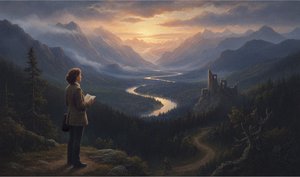
Capturing the Sublime: An Art Historian's Guide to the Emotional Grandeur of Romantic Landscape Painting
Discover the profound emotional depth of Romantic landscape painting. Explore the philosophy of the Sublime and the mastery of legends like Turner and Friedrich. Enhance your collection with museum-grade, hand-painted oil reproductions from OriginalUniqueArt.com.

Capturing the Sublime: A Guide to Romantic Landscape Art & Its Emotional Power
Explore the profound emotional power of Romantic landscape art. Discover how masters like Friedrich captured the sublime through breathtaking nature, and learn to curate these evocative masterpieces for your luxury interior collection.

Evoking Nature's Sublime: A Comprehensive Exploration of 19th-Century Landscape Painting
Explore the captivating world of 19th-century landscape painting! Discover renowned artists like Friedrich & Monet, key movements, and find the perfect artwork to bring nature's serenity into your home. Expert insights at OriginalUniqueArt.



