
 Преглед в реален мащаб
 Изпрати
 Сподели
 Детайли
 Ръководство

 Изтегляне
 Подобни артикули
 Рентгенова снимка
 Слайдшоу
 Въпроси и отговори
 Статистика
John Bunyan's 'The Pilgrim's Progress' Frontispiece of the Book

- 73.0 x 130.0 cm

 Прочети повече
Изкуството, представено на тази страница, е защитено от законите за авторско право, което означава, че не можем законно да създаваме или продаваме идентични репродукции. Тази защита се прилага съгласно международни споразумения като Бернска конвенция и от националното законодателство, включително разпоредбите на Закон за авторското право на САЩ – Раздел 17.
Този метод е напълно съвместим с законите за авторско право, тъй като не включва копиране или дублиране на защитеното произведение. Вместо това става въпрос за творческа реинтерпретация – нова картина, която е вдъхновена от оригинала, но не е идентична с него.
Жикле / Художествен принт
Giclée печат или принт върху платно с музейно качество, бързо производство и гъвкави опции за завършен вид. ( Купете ръчно рисувана картина Превключване към дигитално изображение)




































Изберете от нашите предварително зададени размери, които съответстват на оригиналните пропорции на произведението.

Въведете необходимата ширина и височина, за да паснат на вашата рамка или стена. Принтовете могат само да се изрязват, но никога не могат да бъдат по-големи от оригиналната картина, така че при размер с различен формат част от изображението ще бъде загубена. Преди да започнем печат, ще ви изпратим дигитален мок업 за одобрение. Изображението, показано на тази страница, не показва реалното изрязване — само мок업ът го показва.
Доставка по целия свят () в рамките на 2 седмици вместо стандартните 4/5 седмици. (9 Ноември)

Безплатна експресна доставка по целия свят

Висококачествено ленено платно

Пълно застраховане на доставката

Гаранция за възстановяване на митнически такси

Гаранция за пълно съответствие на цветовете

Политика за връщане в рамките на 100 дни (само при дефекти)

100% Гаранция за връщане на сумата

Оферта за отстъпка при поръчка на повече бройки
 Опцията със стъкло е налична само за размери под 110 см

John Bunyan's 'The Pilgrim's Progress' Frontispiece of the Book
Жикле / Художествен принт
Размер на репродукцията
-


Обща цена
€ 72
Биография на художника
Brian Dick Lauder Thomas: A Master of Sacred Narrative
Brian Dick Lauder Thomas (1912-1989) wasn’t merely a British artist; he was a visual storyteller, meticulously crafting narratives within the sacred spaces of churches across England and beyond. His career, spanning nearly seven decades, is defined by an extraordinary dedication to detail, a profound understanding of symbolism, and a remarkable ability to breathe life into stained glass – transforming static panels into dynamic windows that resonated with both historical weight and contemporary spirituality. Born in London, Thomas’s artistic journey began at the Byam Shaw School of Drawing and Painting, where he honed his skills before embarking on a career deeply intertwined with the restoration and embellishment of historic churches. His work wasn't simply decorative; it was an active engagement with religious iconography, demanding both technical mastery and a sensitive interpretation of complex theological themes.Early Life and Artistic Foundations
Thomas’s formative years were marked by a growing awareness of the power of visual communication. He initially pursued illustration before finding his true calling in stained glass. This background proved invaluable, imbuing his work with a keen eye for composition, color theory, and the subtle nuances of storytelling – skills he later applied to his commission work. Crucially, Thomas’s artistic development was shaped by a deep appreciation for the Victorian era's fascination with symbolism and narrative imagery. He inherited this legacy from his mentor, William Richmond, a prominent figure in the British stained glass movement, who instilled in him a rigorous approach to design and execution. This influence is evident throughout Thomas’s oeuvre – particularly in his meticulous attention to detail and his preference for complex, multi-layered compositions.The St Paul's Cathedral Commission: A Defining Moment
Perhaps the most significant chapter in Thomas’s career unfolded during his involvement with the restoration of St Paul’s Cathedral in London. Appointed as a key designer for the ambitious project undertaken after World War II, he was tasked with creating new windows to complement the existing architecture and reflect the cathedral's enduring significance. This commission demanded an extraordinary level of skill and sensitivity. Thomas didn’t simply replicate traditional designs; instead, he developed entirely original compositions that seamlessly integrated historical references, biblical narratives, and contemporary concerns. The ‘Spread of the Church’ series, a monumental undertaking comprising dozens of panels, stands as a testament to his vision – a vibrant tapestry of figures and symbols illustrating the propagation of Christianity across time and continents. His work on these windows, particularly those depicting scenes from the Book of Genesis, is considered a landmark achievement in British stained glass art.Beyond St Paul’s: A Diverse Portfolio
While his work at St Paul's Cathedral cemented his reputation, Thomas’s artistic output extended far beyond this single commission. He undertook numerous projects across England and Wales, including the restoration of churches in Peterborough, Islington, Fulham Palace, and Stevenage. Each project presented unique challenges and opportunities, allowing him to explore a wide range of subjects and techniques. His designs for St John the Baptist Church in Peterborough, for example, showcased his ability to capture the energy and drama of biblical scenes with remarkable clarity. Similarly, his work at Fulham Palace demonstrated his versatility, encompassing both monumental murals and intricate stained glass panels. He also produced independent works, such as "A View in the Roman Campagna," a charming depiction of rural life that reveals a softer side to his artistic sensibility.Technique and Legacy
Thomas’s technical skill was unparalleled. He possessed an intimate knowledge of glassmaking techniques, meticulously overseeing every stage of the process – from design and cutting to painting and firing. His use of color was particularly noteworthy – he employed a rich palette of hues, carefully balanced to create depth, luminosity, and emotional resonance. Furthermore, Thomas’s work is characterized by its exceptional detail—every figure, every garment, every architectural element rendered with painstaking accuracy. He left behind a substantial body of work that continues to inspire artists and scholars alike. His legacy lies not only in the beauty of his creations but also in his profound understanding of how art can communicate complex ideas and evoke powerful emotions within sacred spaces. His meticulous approach and dedication to narrative storytelling have ensured his place as one of the most important figures in British stained glass history, a master who transformed light and color into enduring expressions of faith and human experience.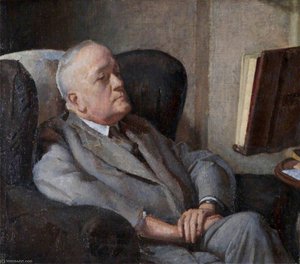
Brian Dick Lauder Thomas
1912 - 1989
Бърза информация
- Artistic Movement Or Style: Cartoonist, Illustrator
- Artists Or Movements Influenced By This Artist: ['John Bunyan']
- Artists Who Influenced This Artist: ['Howard Mallitte']
- Date Of Birth: 1912
- Date Of Death: 1989
- Full Name: Brian Dick Lauder Thomas
- Nationality: British
- Notable Artworks:
- The Entombment
- A View in the Roman Campagna
- Ascension of Christ
- Place Of Birth: England
Свързани статии
Baroque vs. Rococo: A Definitive Guide to High-Drama Shadows and Golden Elegance
Explore the dramatic evolution from Baroque's intense chiaroscuro to Rococo's golden elegance. Our expert guide decodes the shift from high-drama shadows to playful, ornate grace for art enthusiasts and collectors seeking deep historical insight.

Топ 25 шедьовъра на Джон Констабъл: Английски пейзажи за вашия дом | OriginalUniqueArt.com
Открийте топ 25 шедьовъра на Джон Констабъл – английски пейзажи, романтизъм и красотата на природата. Репродукции с музейно качество за вашия дом! Разгледайте пълната колекция онлайн на OriginalUniqueArt.com.

Baroque vs. Rococo: A Definitive Guide to the Drama of Grandeur and the Elegance of Grace
Explore the profound differences between Baroque drama and Rococo elegance. Our expert guide delves into art history, chiaroscuro, and the evolution of European masterpieces for collectors and enthusiasts seeking deep historical context.

From Grandeur to Grace: Exploring the Evolution of Baroque & Rococo Art
Explore the captivating evolution from Baroque's drama to Rococo's grace! Discover key artists, characteristics & lasting influence of these art movements with expert insights at OriginalUniqueArt.

Джон Сингър Сарджент: 25 шедьовъра за вашия дом | OriginalUniqueArt.com
Разгледайте 25 шедьовъра на Джон Сингър Сарджент – импресионистични портрети, елегантни дами и исторически сцени. Вдъхновете се за вашия дом! Луксозни репродукции на картини в OriginalUniqueArt.com.