
 Представи си го
 Изпрати
 Сподели
 Детайли

 Изтегляне
 Подобни
 Рентгенова снимка
 Слайдшоу
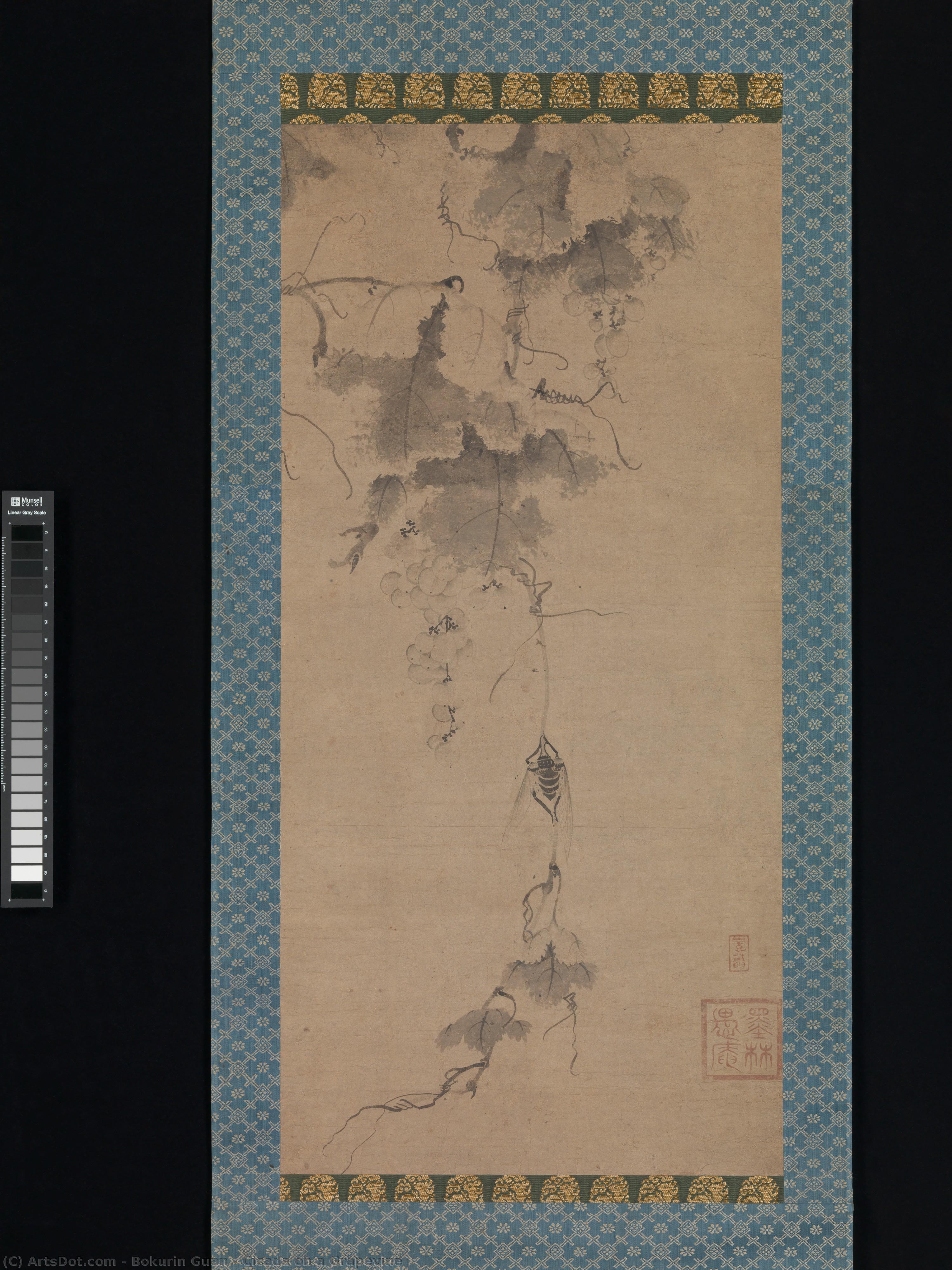
Cicada on a Grapevine
 Ink Painting
 301
301 64.0cm x 31.0cm
 Прочетете повече
Закупете дигитално изображение с висока резолюция и подобрени характеристики, значително по-добро от онлайн прегледа.
Всеки файл е щателно подготвен от нашите специалисти с помощта на съвременни инструменти и експертна ръчна ретуш. Гарантираме, че всяко изображение има изключителна яснота, прецизна цветова точност и фини детайли.
Окончателният файл се доставя по имейл в рамките на 72 часа, оптимизиран за незабавна употреба в професионални, редакционни и печатни среди. Това е същото качество, на което се доверяват водещи дизайнерски студия, издатели и галерии.
Дигитално изображение
Изтеглете файл с висока резолюция за лично показване, принтиране и творчески проекти. ( Купете принт Купете ръчно рисувана картина)
Включено във всяка поръчка за дигитални изображения
Експресна дигитална доставка, гарантирана
Когато изберете OriginalUniqueArt.com, вие не получавате само изображение – вие получавате професионално подобрена дигитална творба, създадена с прецизност и подкрепена от гаранция за удовлетворение. Ето всичко, което автоматично се включва в вашата поръчка:

Бърза доставка по имейл
Вашето дигитално изображение с висока резолюция ще ви бъде изпратено по имейл в рамките на 72 часа от поръчката - готово за незабавно използване.

Дигитален файл с подобрено качество чрез изкуствен интелект
Вашата картина е професионално оптимизирана с помощта на усъвършенствани инструменти за изкуствен интелект и ръчна редакция, осигурявайки максимална детайлност, яснота и точност на цветовете.

Безплатна доживотна повторна доставка
Изгубили сте или сте премахнали файла си по погрешка? Не се притежнявайте – ще го изпратим отново на Вас по всяко време, безплатно.

Без такки за мито - никога
Всредите си веднага без мита, данъци или такси по доставка - дигителните приложения винаги са без данъчно освободени.

Гаранция за точност на цветовете
Гарантираме, че вашето дигитално изображение отразява оригиналните цветове възможно най-точно, използвайки професионални инструменти и управление на цветовете.

Гаранция за удовлетвореност от 60 дни
Ако не сте доволни от вашето дигилно изображение, ще го коригираме или ще възмедим 100% в рамките на 60 дни – без никакви въпроси.

100% Гаранция за връщане на пари.
Не сте удовлетворени? Получавате пълно възстановяване на сумата в рамките на 60 дни след получаването на вашия цифров файл – без никакви въпроси.

Отстъпки за големи поръчки
Купете 3 изображения, спестете 10% - Купете 5, спестете 15% - Купете 10+, спестете 20%. Отлично за творчески проекти, галерии и агенства.
A Moment of Serenity: "Cicada on a Grapevine" by Bokurin Guan
This exquisite ink painting, “Cicada on a Grapevine,” offers a captivating glimpse into 14th-century Japanese artistry. Created by the Zen monk Bokurin Guan, this monochrome masterpiece embodies the principles of *sumi-e* (ink wash painting), a revered tradition emphasizing simplicity, observation, and spiritual contemplation. The artwork depicts a solitary cicada clinging to a withered grapevine, capturing a poignant moment at the close of summer. It was originally part of a diptych; its companion piece, now housed in Kyoto’s Honpōji temple, portrays a grasshopper amidst vibrant foliage – a contrasting scene representing the peak of summer's vitality.Style and Technique: The Essence of *Sumi-e*
Bokurin Guan demonstrates remarkable skill within the *sumi-e* tradition. The painting’s power lies not in elaborate detail, but in the masterful use of ink tones to suggest form, texture, and depth. Notice how varying brushstrokes – from delicate washes to bold lines – create a sense of movement and life despite the monochromatic palette. The artist's controlled handling of the brush reveals a disciplined technique honed through rigorous training. The subtle gradations of grey evoke the fading light of late summer, contributing to the painting’s overall mood of quiet reflection.- Monochrome Palette: The exclusive use of black ink emphasizes form and texture over color.
- Brushwork: A variety of brushstrokes create depth, movement, and a sense of spontaneity.
- *Sumi-e* Tradition: Rooted in Zen Buddhism, this style prioritizes simplicity and capturing the essence of nature.
Symbolism & Historical Context: Perpetuity and Zen Philosophy
Beyond its aesthetic beauty, "Cicada on a Grapevine" is rich with symbolic meaning. Grapevines, laden with fruit, have long been associated in East Asian cultures with fecundity, abundance, and the concept of perpetuity – an enduring cycle of life, death, and rebirth. The cicada itself holds significant cultural weight; its emergence from the earth after years spent underground symbolizes transformation and immortality. The pairing of these elements within a Zen Buddhist context suggests a meditation on impermanence and the cyclical nature of existence. Living in the late 14th century, Guan’s work reflects the artistic trends of the Muromachi period, characterized by a shift towards more naturalistic depictions and an increased emphasis on individual expression within established traditions. While little is definitively known about Bokurin Guan himself, his painting speaks volumes about his understanding of Zen principles and his keen observation of the natural world.Emotional Impact & Decorative Appeal
"Cicada on a Grapevine" evokes a sense of tranquility and contemplative stillness. The solitary cicada, poised against the backdrop of the fading vine, invites quiet reflection on the passage of time and the beauty of impermanence. This piece is not merely a depiction of nature; it's an invitation to mindfulness. As a decorative element, this reproduction would be stunning in a variety of settings – from minimalist modern spaces to traditional Japanese-inspired interiors. Its understated elegance and timeless appeal make it a captivating addition to any art collection or home décor scheme. The muted tones lend themselves well to both light and dark color palettes, creating a harmonious visual balance within the room.Биография на художника
A Moment Frozen in Time: Bokurin Guan and the Legacy of Cicada on a Grapevine
The late Nanbokuchō period (1336–92) witnessed a flourishing artistic landscape in Japan, marked by intricate detail and profound contemplation. Amidst this vibrant scene emerged Bokurin Guan (墨林愚庵筆), an artist whose singular masterpiece – “Cicada on a Grapevine” – continues to resonate with scholars and admirers alike. While biographical details surrounding Guan remain elusive, his work speaks volumes about the artistic sensibilities of his era and establishes him as a pivotal figure in Japanese ink painting tradition.- Early Life & Artistic Training: Precise information regarding Guan’s birthdate and formative years is scarce. However, he was recognized as a student of Sesshu Toyokuni (西十字豊國), arguably Japan's most influential painter of the Nanbokuchō period. Sesshu championed a minimalist aesthetic rooted in Zen Buddhism—a philosophy that profoundly impacted Guan’s artistic vision.
- The Cicada on a Grapevine: This small but monumental painting, housed at The Metropolitan Museum of Art, exemplifies Guan's mastery of technique and his ability to distill complex ideas into deceptively simple forms. Executed in delicate ink wash (sumi-e), the scene depicts a single cicada clinging to a withered grapevine branch against a pale grey background. The composition is remarkably balanced, prioritizing spatial harmony over dramatic gesture.
- Influence & Legacy: Bokurin Guan’s “Cicada on a Grapevine” stands as a testament to the enduring power of minimalist aesthetics and contemplative observation. It has served as an inspiration for subsequent generations of ink painters, who sought to emulate Guan's serene style and profound understanding of Zen philosophy.
- Historical Significance: Guan’s work embodies the spirit of his time—a period marked by political instability yet simultaneously characterized by a deep appreciation for natural beauty and spiritual contemplation. “Cicada on a Grapevine” remains a cornerstone of Japanese art history, demonstrating that true artistic achievement lies not in grand spectacle but in capturing the essence of existence with understated grace.

bokurin guan
Japan
Бързи факти
- Artistic Movement Or Style: Ink Painting
- Full Name: bokurin guan
- Nationality: Japanese
- Notable Artworks: ['Cicada on a Grapevine']
- Place Of Birth: Tokyo, Japan

