
 Преглед в реален мащаб
 Сподели
 Сподели
 Подробности
 Ръководство

 Изтегляне
 Подобни артикули
 Рентгенова снимка
 Слайдшоу
 Статистика
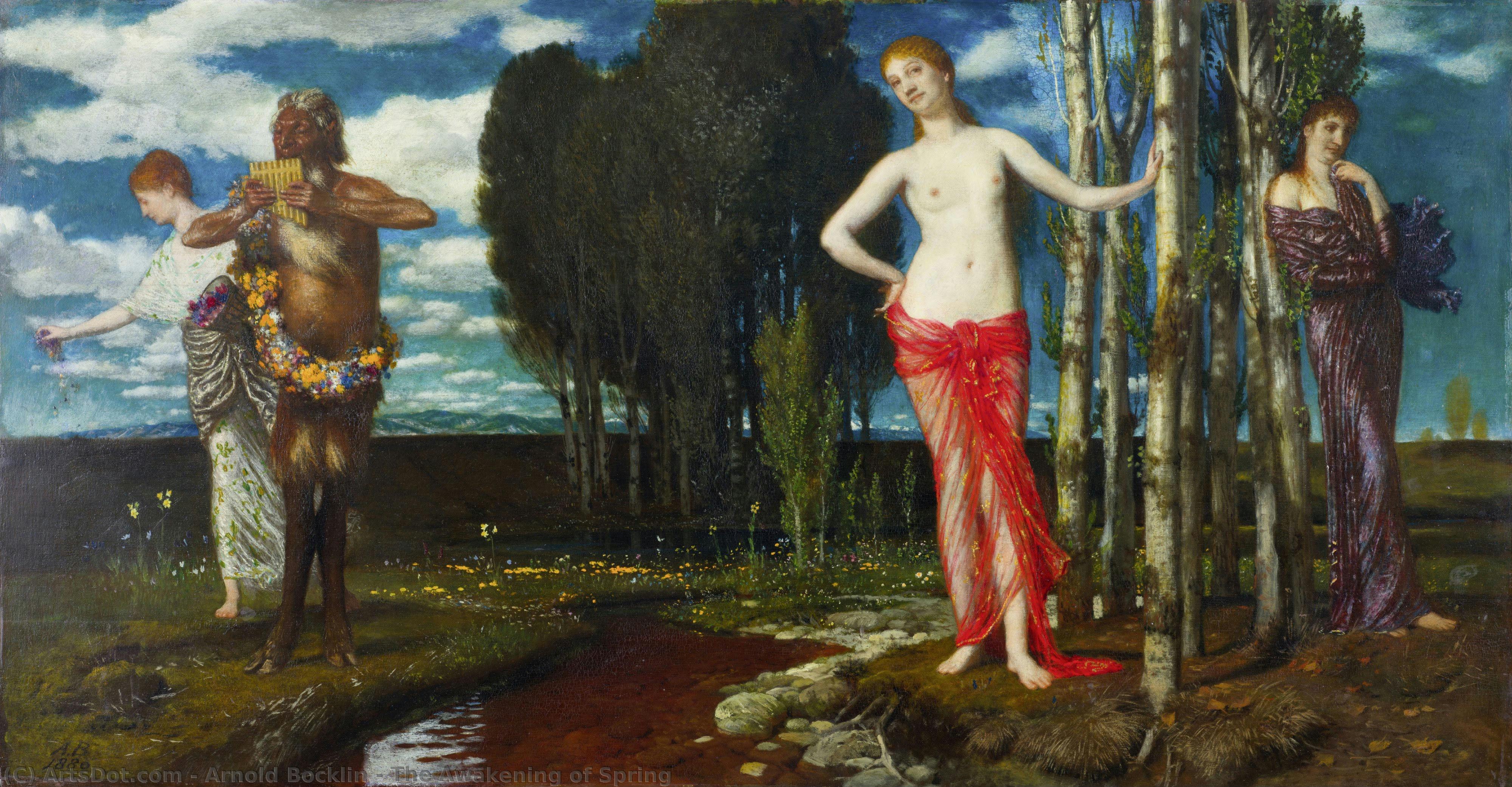
The Awakening of Spring


 Разгърни целия текст
Жикле / Художествен принт
Giclée печат или принт върху платно с музейно качество, бързо производство и гъвкави опции за завършен вид. ( Поръчайте ръчно рисувано репродукция на този колекционерски предмет Превключване към дигитално изображение)




P118B $10

P118H $10

P118W $10

P438Z $10

P508JH $12

P508YH $12

P805H $10

P805Z $10

P919BZ $10

P919G $10

P919XJ $10

P959ZH $10

P968JZ $12

W106C $8

W218G $10

W218JH $8

W218Y $10

W307PJ $10

W316G $10

W316PJ $8

W316Y $10

W398PJ $8

W4111J $10

W500HY $15

W500JH $15

W692G $12

W849H $8

W940BG $15

W953PJ $8




Изберете от нашите предварително зададени размери, които съответстват на оригиналните пропорции на произведението.

Можете да въведете собствени размери, за да паснат на конкретна рамка или пространство. Ако избраният от Вас размер не съвпада с пропорциите на оригиналното изображение, ние ще изрежем произведението или ще разширим изображението с огледален или едноцветен ръб. Дигитален макет ще бъде изпратен за Ваше одобрение преди започването на производството.
Моля, имайте предвид, че предпрегледът на екрана не отразява реалното изрязване или разширяване. Само макетът ще покаже точно финалната композиция.
Въпреки че са налични персонализирани размери, препоръчваме да изберете размер от предварително дефинирания списък, за да запазите оригиналните пропорции.
Доставка по целия свят () в рамките на 2 седмици вместо стандартните 4/5 седмици. (25 Септември)

Безплатна експресна доставка по целия свят

Висококачествено ленено платно

Пълно застраховане на доставката

Гаранция за възстановяване на митнически такси

Гаранция за пълно съответствие на цветовете

Политика за връщане в рамките на 100 дни (само при дефекти)

100% Гаранция за връщане на сумата

Отстъпка при поръчка на повече произведения
 Опцията със стъкло е налична само за размери под 110 см

The Awakening of Spring
Жикле / Художествен принт
Размер на репродукцията
-


Крайна цена
$ 80
A Dreamscape of Renewal: Arnold Böcklin’s “The Awakening of Spring”
Arnold Böcklin's "The Awakening of Spring" (Frühlingserwachen), painted in 1880, isn’t merely a depiction of springtime; it’s an immersion into a realm of potent symbolism and haunting beauty. This oil-on-wood panel, currently residing within the Kunsthaus Zürich’s collection, immediately draws the viewer into a world where the boundaries between reality and dream blur, inviting contemplation on themes of rebirth, mortality, and the ephemeral nature of existence. Böcklin, a pivotal figure in the Symbolist movement, masterfully employs muted colors—primarily blues, greens, and browns—to create an atmosphere of serene melancholy, a characteristic deeply rooted in his exploration of death and the subconscious.
The scene unfolds with a group of nude women, their forms graceful yet subtly melancholic, gathered around a cluster of blossoming trees. They are not engaged in boisterous revelry but rather seem lost in quiet contemplation, embodying a sense of serene detachment from the world. Their poses—one holding her hands to her hips, another gazing into the distance—suggest a profound connection with nature and an awareness of their own vulnerability within it. The figures aren’t presented as idealized beauties; instead, they possess a certain fragility and timelessness, reflecting Böcklin's fascination with archetypal imagery and the enduring power of myth.
The Roots of Symbolism: Context and Influences
To fully appreciate “The Awakening of Spring,” it’s crucial to understand the artistic currents that shaped Böcklin’s vision. The late 19th century witnessed a growing disillusionment with rationalism and industrialization, leading artists and intellectuals alike to seek solace in the realms of myth, folklore, and the subconscious. Symbolism, emerging from this context, rejected realism in favor of evocative imagery designed to stimulate emotional and spiritual responses. Böcklin’s work is profoundly influenced by Pre-Raphaelitism, particularly the romantic landscapes and allegorical figures of artists like William Holman Hunt and Dante Gabriel Rossetti. Furthermore, he drew inspiration from the writings of Edgar Allan Poe and the philosophies of Friedrich Nietzsche, incorporating elements of darkness, decay, and psychological intensity into his compositions.
The painting’s genesis is intertwined with a personal tragedy – Böcklin's daughter, Maria, died at a young age. This loss undoubtedly fueled his preoccupation with themes of mortality and the cyclical nature of life and death. The image of the “Isle of the Dead,” which he revisited repeatedly throughout his career, served as a visual anchor for these explorations, providing a framework for depicting the transition between worlds.
Decoding the Symbolism: Figures and Flora
Each element within "The Awakening of Spring" carries symbolic weight. The nude figures represent not just physical beauty but also vulnerability, innocence, and a connection to the natural world. Their lack of adornment emphasizes their essential nature, stripped bare of societal constraints. The trees themselves are laden with blossoms—a potent symbol of rebirth, fertility, and the promise of new beginnings. However, the muted palette and the figures’ somber expressions suggest that this renewal is not without its melancholy undertones. The presence of a single bird in the upper left corner adds another layer of meaning, representing hope and freedom amidst the prevailing atmosphere of quiet contemplation.
Notably, the painting echoes Botticelli's "Primavera," a work that itself embodies the themes of spring and renewal. Böcklin’s interpretation, however, is far more introspective and psychologically complex, reflecting his Symbolist sensibilities. The figures are not celebrating the arrival of spring; they are engaged in a silent dialogue with its mysteries—a meditation on life's fleeting beauty and inevitable decay.
A Timeless Resonance: Emotional Impact and Legacy
“The Awakening of Spring” continues to resonate deeply with viewers today, largely due to its evocative atmosphere and profound exploration of universal themes. It’s a painting that invites introspection, prompting us to consider our own relationship with nature, mortality, and the enduring power of dreams. The work's haunting beauty and subtle symbolism have cemented Böcklin’s place as one of the most important figures in Symbolist art, influencing generations of artists and inspiring countless interpretations. Reproductions of this masterpiece offer a window into a world of profound emotional depth—a testament to Böcklin’s extraordinary artistic vision.
Биография на художника
Arnold Böcklin – A Visionary of Death and Dreams
Arnold Böcklin (1827-1901) stands as a singular figure in the annals of late 19th-century art, an artist whose oeuvre transcends mere representation to embody profound philosophical contemplation. Born in Basel, Switzerland, he descended from an old family steeped in tradition and engaged in the silk trade—a heritage that would subtly permeate his artistic sensibilities. From a young age, Böcklin demonstrated exceptional talent for drawing, nurtured by Ludwig Adam Kelterborn at Zeichenschule Basel, establishing him on a path toward mastering visual expression. His formative years coincided with the burgeoning influence of Schirmer’s Düsseldorf School of Painting, where he befriended Anselm Feuerbach—a connection that fostered intellectual curiosity and broadened his artistic horizons.Early Artistic Influences and Training
Schirmer's guidance instilled in Böcklin a deep appreciation for classical landscapes and compositional rigor, mirroring the stylistic ethos of Friedrich Richter and Wilhelm Leibl. This foundational training propelled him to Antwerp and Brussels, where he diligently copied masterpieces by Rubens and Rembrandt—exercises that honed his technical skills and cemented his understanding of artistic history. Simultaneously, he pursued studies at the Paris atelier of Gustave Boulanger, absorbing the grandeur and theatricality characteristic of Romantic painting. Böcklin’s fascination with the sublime extended beyond mere imitation; it fueled a desire to explore themes of mortality and transcendence—a preoccupation that would define much of his subsequent work.The Symbolist Movement and Major Works
Böcklin's artistic trajectory culminated in his embrace of Symbolism, a movement that prioritized emotional resonance over literal depiction. Influenced by Nietzsche’s philosophy and fueled by anxieties surrounding the fin de siècle, Böcklin sought to convey inner states—fear, longing, grief—through evocative imagery rooted in mythology and dreamlike landscapes. His magnum opus, *The Isle of the Dead* (1880-1886), arguably encapsulates this artistic vision. Inspired by the English Cemetery in Florence—where his daughter was buried—the series depicts a desolate landscape populated by enigmatic figures, inviting viewers to confront existential questions about life and death. Böcklin’s meticulous attention to detail—particularly in capturing atmospheric effects—elevated his paintings beyond mere visual spectacle; they functioned as conduits for psychological exploration.Notable Paintings and Artistic Legacy
Among Böcklin's most celebrated works are *Nymph and Satyr* (1858) and *Sappho* (1859), which exemplify the Symbolist preoccupation with mythological narratives imbued with sensual yearning and melancholy. His portrait of himself, featuring Death playing the violin (1872), is a haunting meditation on mortality—a testament to Böcklin’s ability to distill complex emotions into striking visual form. Furthermore, Böcklin's influence extended beyond his immediate contemporaries; Hans Thoma and Edvard Munch recognized in him a kindred spirit—an artist who dared to confront darkness with unwavering conviction. Clement Greenberg famously lauded Böcklin’s work as “one of the most consummate expressions” of its time, acknowledging its enduring power to unsettle and inspire. Böcklin's stylistic innovations—particularly his masterful manipulation of light and shadow—established him as a pivotal figure in the transition from Romanticism to Modern Art, securing his place within the canon of European Symbolist painting. ## Museums and Collections Böcklin’s artistic legacy continues to resonate today, evidenced by its presence in prominent museums worldwide:- Öffentliche Kunstsammlung Basel (Basel, Switzerland)
- Kunstmuseum Basel (Switzerland)
- Museum Kunsthaus Zürich (Zürich, Switzerland)
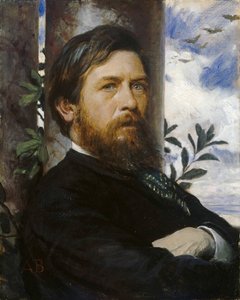
Арнолд Бьоклин
1827 - 1901 , Швейцария
Бързи факти
- Artistic Movement Or Style: Символизъм
- Artists Or Movements Influenced By This Artist:
- Ханс Тома
- Предрафаелити
- Artists Who Influenced This Artist:
- Шмирн
- Фюербах
- Date Of Birth: 16 октомври 1827
- Date Of Death: 16 януари 1901
- Full Name: Arnold Böcklin
- Nationality: Швейцарец
- Notable Artworks:
- Остров на мъртвите
- Нимфа и сатир
- Сафо
- Портрет на себе си
- Place Of Birth: Базел, Швейцария
Свързани статии

Arboreal Echoes: A Historical & Artistic Exploration of Trees in Painting
Explore the rich history of trees in painting! Discover symbolism, Romantic masterpieces by Caspar David Friedrich & beyond. A curated journey for art enthusiasts.
Portrayals of Power & Perception: A Historical Survey of Women in Art
Explore the rich history of women in art – from iconic muses to groundbreaking artists. Discover feminist movements & reclaim female narratives with OriginalUniqueArt. Expert insights for discerning collectors.

The Enduring Allure of the Nude: A Historical & Artistic Exploration of the Human Form
Explore the captivating history of nude art! Discover iconic paintings & artists from classical to modern eras. Uncover symbolism, techniques & find museum-quality reproductions at OriginalUniqueArt.
Arboreal Echoes: A Historical & Artistic Exploration of Trees in Painting
Explore the rich history of trees in painting! Discover symbolism, Romantic masterpieces by Caspar David Friedrich & beyond. A curated journey for art enthusiasts.

The Enduring Muse: Women as Subject & Symbol in Art History
Explore the rich history of women in art – from iconic muses to groundbreaking artists. Discover feminist movements, global perspectives & reclaim female narratives with OriginalUniqueArt.
