
 Преглед в реален мащаб
 Изпрати
 Сподели
 Детайли
 Ръководство

 Изтегляне
 Подобни артикули
 Рентгенова снимка
 Слайдшоу
 Q&A
Q&A Статистика
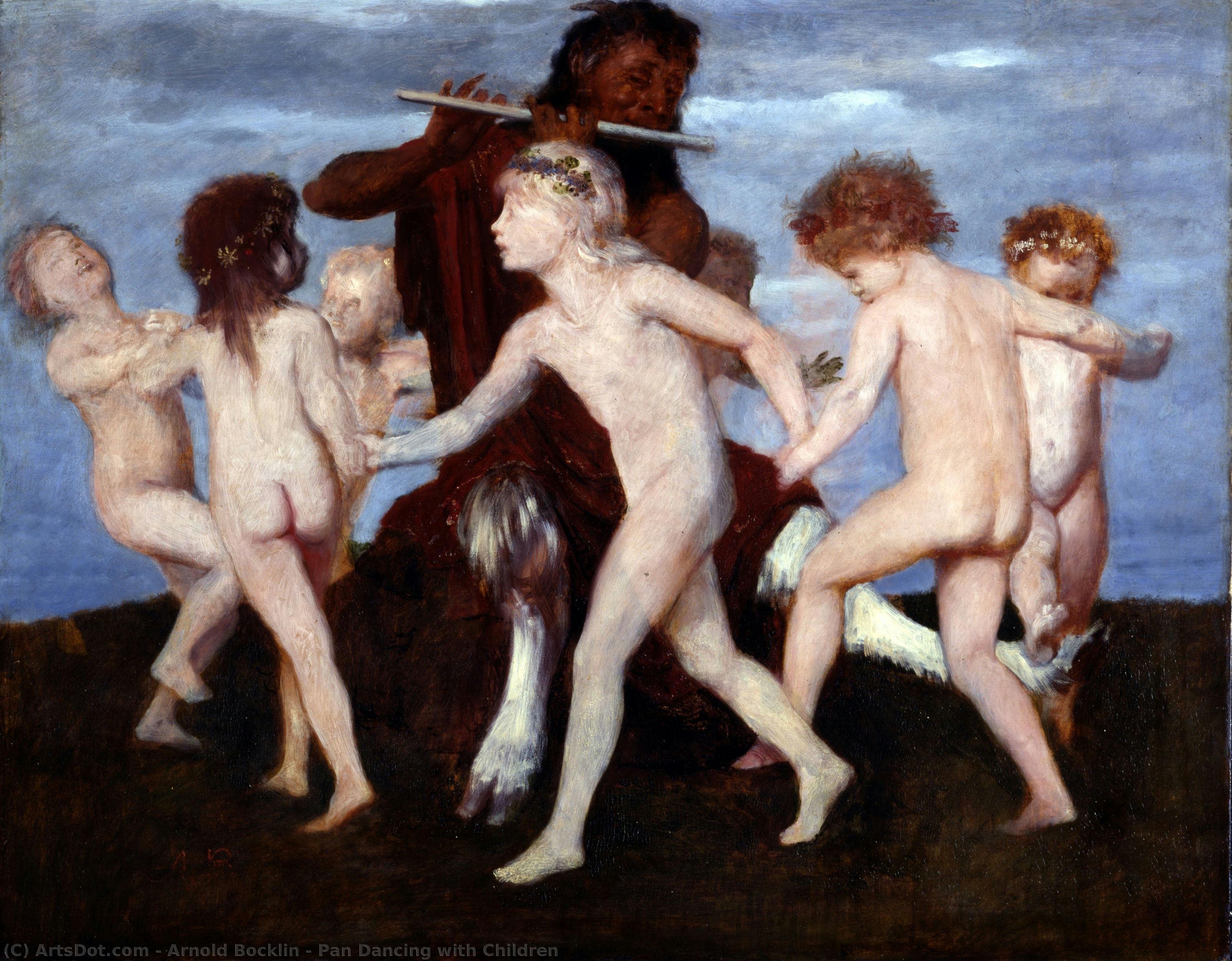
Pan Dancing with Children


 Прочети повече
Жикле / Художествен принт
Giclée печат или принт върху платно с музейно качество, бързо производство и гъвкави опции за завършен вид. ( Купете ръчно рисувана картина Превключване към дигитално изображение)




P118B €10

P118H €10

P118W €10

P438Z €10

P508JH €12

P508YH €12

P805H €10

P805Z €10

P919BZ €10

P919G €10

P919XJ €10

P959ZH €10

P968JZ €12

W106C €8

W218G €10

W218JH €8

W218Y €10

W307PJ €10

W316G €10

W316PJ €8

W316Y €10

W398PJ €8

W4111J €10

W500HY €15

W500JH €15

W692G €12

W849H €8

W940BG €15

W953PJ €8




Изберете от нашите предварително зададени размери, които съответстват на оригиналните пропорции на произведението.

Въведете необходимата ширина и височина, за да паснат на вашата рамка или стена. Принтовете могат само да се изрязват, но никога не могат да бъдат по-големи от оригиналната картина, така че при размер с различен формат част от изображението ще бъде загубена. Преди да започнем печат, ще ви изпратим дигитален мок업 за одобрение. Изображението, показано на тази страница, не показва реалното изрязване — само мок업ът го показва.
Доставка по целия свят () в рамките на 2 седмици вместо стандартните 4/5 седмици. (31 Октомври)

Безплатна експресна доставка по целия свят

Висококачествено ленено платно

Пълно застраховане на доставката

Гаранция за възстановяване на митнически такси

Гаранция за пълно съответствие на цветовете

Политика за връщане в рамките на 100 дни (само при дефекти)

100% Гаранция за връщане на сумата

Оферта за отстъпка при поръчка на повече бройки
 Опцията със стъкло е налична само за размери под 110 см

Pan Dancing with Children
Жикле / Художествен принт
Размер на репродукцията
-


Обща цена
€ 71
The Enigmatic Dance: Arnold Böcklin’s “Pan Dancing with Children”
Arnold Böcklin's "Pan Dancing with Children," painted around 1884, isn’t merely a depiction of a pastoral scene; it’s an immersion into a realm of mythic beauty and unsettling serenity. This captivating work, currently residing within the Museum Folkwang in Essen, Germany, transcends simple representation, offering instead a profound meditation on childhood innocence, primal connection to nature, and the lingering presence of ancient spirits. Böcklin, a key figure in the Symbolist movement, masterfully employed a muted palette—primarily ochres, browns, and deep greens—to create an atmosphere thick with twilight and dreamlike suggestion. The figures themselves are rendered with a remarkable degree of detail, yet possess an almost ethereal quality, as if caught between worlds.
The painting’s composition is deliberately ambiguous. A central group of nude children, seemingly unburdened by adult concerns, frolic around Pan, the god of the wild, shepherds, and flocks. They are engaged in a variety of activities: playing musical instruments crafted from branches, holding hands in playful circles, and gazing upwards with an expression that blends curiosity and contentment. The inclusion of putti—small winged infants—further enhances the sense of otherworldly grace and innocence. Notice how Böcklin subtly integrates elements of classical mythology – the flute Pan holds is a direct reference to the god’s traditional instrument – alongside the rustic setting, creating a harmonious blend of ancient lore and contemporary observation.
A Glimpse into Symbolist Aesthetics
Böcklin's work firmly establishes him as a pivotal figure in the Symbolist movement, which sought to evoke emotions and ideas rather than simply depict reality. Rejecting the naturalism prevalent in earlier art movements, Symbolists like Böcklin prioritized subjective experience and explored themes of death, memory, and the subconscious. “Pan Dancing with Children” exemplifies this approach through its evocative atmosphere and symbolic imagery. The painting’s muted colors, soft lighting, and dreamlike quality contribute to a sense of melancholy and longing—a feeling that resonates deeply within the viewer.
The choice of nudity is particularly significant. It isn't presented in a provocative manner but rather as an embodiment of primal innocence and connection to nature. The children’s vulnerability underscores their purity, while their joyful dance suggests a liberation from worldly concerns. Böcklin’s meticulous attention to detail—from the texture of the children’s skin to the delicate folds of their clothing—further emphasizes their tangible presence within the scene.
Technique and Materials: A Masterful Blend
While often categorized as a painting, “Pan Dancing with Children” incorporates elements of mixed media. Böcklin skillfully combined oil paints with photographic techniques, creating a unique visual texture that blends the immediacy of photography with the depth and richness of traditional painting. This hybrid approach allowed him to capture fleeting moments of light and shadow, imbuing the scene with an unparalleled sense of realism. The use of layering and glazing—applying thin washes of paint over previous layers—contributes to the work’s luminous quality and creates a subtle interplay of colors.
The artist's background in Düsseldorf, associated with the school known for its emphasis on realistic depiction, is evident in the meticulous rendering of the figures and their surroundings. However, Böcklin departs from traditional academic techniques by prioritizing atmosphere and emotional impact over precise representation. This deliberate shift reflects his commitment to Symbolist principles and his desire to create a work that transcends mere visual observation.
Symbolism and Interpretation: Echoes of Ancient Myths
Beyond its aesthetic qualities, “Pan Dancing with Children” is rich in symbolic meaning. Pan himself represents the untamed spirit of nature—a force both benevolent and potentially dangerous. The children’s dance can be interpreted as a celebration of life, joy, and connection to the natural world. However, there's also an undercurrent of melancholy—a sense that this idyllic scene is fleeting and destined to fade away. The painting subtly evokes themes of mortality and the cyclical nature of time.
The inclusion of ancient myths – Pan’s role as a shepherd god, the presence of putti – connects the work to a broader cultural heritage, suggesting a timeless resonance between humanity and the natural world. Böcklin's masterful use of symbolism invites viewers to engage in their own interpretations, creating a deeply personal and emotionally resonant experience. Reproductions of this iconic artwork continue to captivate audiences with its haunting beauty and profound sense of mystery.
Въпроси и отговори
„Pan Dancing with Children“ на Арнолд Бьоклин светла или тъмна творба ли е?
По отношение на възприеманата яркост, „Pan Dancing with Children“ на Арнолд Бьоклин е balanced.
Какво място заема „Pan Dancing with Children“ на Арнолд Бьоклин в историята на изкуството?
Исторически „Pan Dancing with Children“ е произведение от Symbolist Painting, принадлежащо към по-широката епоха на 19th Century.
Как се препоръчва да бъде отпечатана творбата "Pan Dancing with Children" – какъв размер и каква ориентация?
Размер Medium, ориентация Landscape: това е препоръчителната конфигурация за печат на „Pan Dancing with Children“ на Арнолд Бьоклин.
Биография на художника
Arnold Böcklin – A Visionary of Death and Dreams
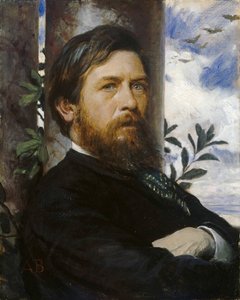
Arnold Böcklin (1827-1901) stands as a singular figure in the annals of late 19th-century art, an artist whose oeuvre transcends mere representation to embody profound philosophical contemplation. Born in Basel, Switzerland, he descended from an old family steeped in tradition and engaged in the silk trade—a heritage that would subtly permeate his artistic sensibilities. From a young age, Böcklin demonstrated exceptional talent for drawing, nurtured by Ludwig Adam Kelterborn at Zeichenschule Basel, establishing him on a path toward mastering visual expression. His formative years coincided with the burgeoning influence of Schirmer’s Düsseldorf School of Painting, where he befriended Anselm Feuerbach—a connection that fostered intellectual curiosity and broadened his artistic horizons.Early Artistic Influences and Training
Schirmer's guidance instilled in Böcklin a deep appreciation for classical landscapes and compositional rigor, mirroring the stylistic ethos of Friedrich Richter and Wilhelm Leibl. This foundational training propelled him to Antwerp and Brussels, where he diligently copied masterpieces by Rubens and Rembrandt—exercises that honed his technical skills and cemented his understanding of artistic history. Simultaneously, he pursued studies at the Paris atelier of Gustave Boulanger, absorbing the grandeur and theatricality characteristic of Romantic painting. Böcklin’s fascination with the sublime extended beyond mere imitation; it fueled a desire to explore themes of mortality and transcendence—a preoccupation that would define much of his subsequent work.The Symbolist Movement and Major Works
Böcklin's artistic trajectory culminated in his embrace of Symbolism, a movement that prioritized emotional resonance over literal depiction. Influenced by Nietzsche’s philosophy and fueled by anxieties surrounding the fin de siècle, Böcklin sought to convey inner states—fear, longing, grief—through evocative imagery rooted in mythology and dreamlike landscapes. His magnum opus, *The Isle of the Dead* (1880-1886), arguably encapsulates this artistic vision. Inspired by the English Cemetery in Florence—where his daughter was buried—the series depicts a desolate landscape populated by enigmatic figures, inviting viewers to confront existential questions about life and death. Böcklin’s meticulous attention to detail—particularly in capturing atmospheric effects—elevated his paintings beyond mere visual spectacle; they functioned as conduits for psychological exploration.Notable Paintings and Artistic Legacy
Among Böcklin's most celebrated works are *Nymph and Satyr* (1858) and *Sappho* (1859), which exemplify the Symbolist preoccupation with mythological narratives imbued with sensual yearning and melancholy. His portrait of himself, featuring Death playing the violin (1872), is a haunting meditation on mortality—a testament to Böcklin’s ability to distill complex emotions into striking visual form. Furthermore, Böcklin's influence extended beyond his immediate contemporaries; Hans Thoma and Edvard Munch recognized in him a kindred spirit—an artist who dared to confront darkness with unwavering conviction. Clement Greenberg famously lauded Böcklin’s work as “one of the most consummate expressions” of its time, acknowledging its enduring power to unsettle and inspire. Böcklin's stylistic innovations—particularly his masterful manipulation of light and shadow—established him as a pivotal figure in the transition from Romanticism to Modern Art, securing his place within the canon of European Symbolist painting. ## Museums and Collections Böcklin’s artistic legacy continues to resonate today, evidenced by its presence in prominent museums worldwide:- Öffentliche Kunstsammlung Basel (Basel, Switzerland)
- Kunstmuseum Basel (Switzerland)
- Museum Kunsthaus Zürich (Zürich, Switzerland)
Арнолд Бьоклин
1827 - 1901 , Швейцария
Бърза информация
- Artistic Movement Or Style: Символизъм
- Artists Or Movements Influenced By This Artist:
- Ханс Тома
- Предрафаелити
- Artists Who Influenced This Artist:
- Шмирн
- Фюербах
- Date Of Birth: 16 октомври 1827
- Date Of Death: 16 януари 1901
- Full Name: Arnold Böcklin
- Nationality: Швейцарец
- Notable Artworks:
- Остров на мъртвите
- Нимфа и сатир
- Сафо
- Портрет на себе си
- Place Of Birth: Базел, Швейцария
Свързани статии
Timeless Legends: A Curated Guide to the Eternal Allure of Mythological Masterpieces
Embark on a sophisticated journey through the eternal allure of mythological art. Discover how master painters breathe life into ancient legends, from Greek deities to Baroque masterpieces, and learn to curate these timeless narratives within your own exquisite art collection.
Echoes of Olympus: Mythological Narratives in Western Art Through the Ages
Explore the captivating history of mythological narratives in Western art! From ancient Greece to modern masterpieces, discover iconic artworks & symbolism. Expert analysis and high-quality reproductions at OriginalUniqueArt.
Sir Nathaniel Dance-Holland: Portraiture, Patronage & Georgian Identity
Explore the life & art of Sir Nathaniel Dance-Holland, a leading Georgian portraitist. Discover his masterful technique, influential patrons, and lasting impact on 18th-century British society. A guide for discerning collectors.
Move to the Beat: Bold & Iconic Dance Art to Electrify Your Space
Elevate your space with bold, iconic dance art. From street art vibes to Pop Art masterpieces, discover high-impact, hand-painted reproductions and custom commissions designed to move you. Transform your walls with the rhythm of contemporary culture.

Timeless Legends: The Eternal Allure of Mythological Figures in Masterpiece Art
Explore the profound beauty of mythological figures through the lens of art history. From Renaissance masterpieces to custom oil reproductions, discover how legendary tales of heroism and divinity are immortalized in fine art for discerning collectors.
