

 Преглед в реален мащаб
 Сподели
 Сподели
 Подробности
 Ръководство

 Изтегляне
 Подобни артикули
 Рентгенова снимка
 Слайдшоу
 Статистика
Proud Maisie


 Разгърни целия текст
Ръчно изработена маслена репродукция
Ръчно рисувана маслена картина върху платно във вашия размер и рамка, изработена по поръчка от нашите художници. ( Избор на принт Превключване към дигитално изображение)




P118B $10

P118H $10

P118W $10

P438Z $10

P508JH $12

P508YH $12

P805H $10

P805Z $10

P919BZ $10

P919G $10

P919XJ $10

P959ZH $10

P968JZ $12

W106C $8

W218G $10

W218JH $8

W218Y $10

W307PJ $10

W316G $10

W316PJ $8

W316Y $10

W398PJ $8

W4111J $10

W500HY $15

W500JH $15

W692G $12

W849H $8

W940BG $15

W953PJ $8




Изберете от нашите предварително зададени размери, които съответстват на оригиналните пропорции на произведението.

Можете да въведете свои собствени размери, за да паснат на конкретна рамка или пространство. Ако избраният от вас размер не съответства на пропорциите на оригиналното изображение, ние ще изрежем произведението или ще разширим картината с допълнителни ръчно рисувани елементи. Дигитален макет ще бъде изпратен за ваше одобрение преди започване на производството.
Моля, обърнете внимание, че предпрогледа на екрана не отразява действителното изрязване или разширяване. Само макетът ще покаже точно финалната композиция.
Въпреки че са налични персонализирани размери, препоръчваме да изберете размер от предварително дефинирания списък, за да запазите оригиналните пропорции.
След получаване на поръчка, екипът на OriginalUniqueArt.com ще изпрати имейл до клиента с инструкции и ще предостави примерен макет за преглед.
Доставка по целия свят () в рамките на 3-4 седмици вместо стандартните 5 седмици. (25 Септември). Без компромис с качеството.

Безплатна експресна доставка по целия свят

Висококачествено ленено платно

Пълно застраховане на доставката

Гаранция за възстановяване на митнически такси

Гаранция за пълно съответствие на цветовете

Политика за връщане в рамките на 100 дни (само при дефекти)

100% Гаранция за връщане на сумата

Отстъпка при поръчка на повече произведения
 Опцията със стъкло е налична само за размери под 110 см

Proud Maisie
Техника на репродукция
Размер на репродукцията
-


Крайна цена
$ 300
A Pre-Raphaelite Dreamer: The Life and Art of Frederick Sandys
Frederick Sandys (1829 – 1904), born Antonio Frederic Augustus Sands in Norwich, England, stands as a pivotal figure within the British Pre-Raphaelites movement. His artistic journey began with a grounding in meticulous observation and craftsmanship fostered by his father’s encouragement—principles that would permeate his entire oeuvre and solidify his reputation for capturing profound emotion through exquisitely rendered detail. Formal training commenced at the Norwich School of Design in 1846, equipping him with the foundational skills necessary to translate his artistic vision onto canvas. Early recognition arrived swiftly; prestigious medals awarded by the Royal Society of Arts in 1846 and 1847 validated his burgeoning talent and signaled a trajectory toward artistic prominence. These formative years weren’t merely about mastering technique but cultivating a sensitivity attuned to the subtle nuances of visual language—a characteristic that would become synonymous with Sandys's distinctive style.- Subject Matter: Sandys’s paintings frequently explored themes of mythology, biblical narratives, and portraits imbued with psychological depth. “Proud Maisie,” depicted here, exemplifies this preoccupation with capturing the inner life of his subjects.
- Style: The Pre-Raphaelite aesthetic championed a return to artistic ideals preceding Raphael—characterized by luminous color palettes, meticulous realism, and an emphasis on narrative storytelling. Sandys’s work embodies these principles flawlessly, rejecting academic conventions in favor of expressive beauty.
Technique: Delicate Brushwork and Atmospheric Depth
Sandys's technique was distinguished by his masterful use of brushwork—particularly dry brushing—which created a textured surface that conveyed subtle variations in light and shadow. This method allowed him to achieve remarkable atmospheric depth, capturing the ethereal quality often associated with Pre-Raphaelite landscapes and portraits alike. He meticulously blended pigments to produce harmonious color combinations while maintaining an unwavering commitment to anatomical accuracy. The artist’s dedication to detail extended beyond mere representation; he sought to infuse his paintings with emotional resonance—a goal achieved through painstaking layering of paint and careful consideration of tonal values.Historical Context: Embracing Romantic Idealism
Sandys emerged during a period of significant intellectual ferment in Victorian Britain, where the Pre-Raphaelites challenged prevailing artistic norms and championed humanist ideals. Influenced by thinkers like Dante Gabriel Rossetti and William Holman Hunt, Sandys sought to revive the spiritual fervor of medieval art—rejecting the sterile formalism of Neoclassicism and embracing instead the expressive power of Romanticism. The movement’s rejection of industrialization and its celebration of nature reflected a broader cultural yearning for authenticity and beauty amidst rapid societal change.Symbolism: Inner Reflection and Emotional Resonance
“Proud Maisie” is laden with symbolic significance, reflecting Sandys's fascination with psychological portraiture. The woman’s gaze—directed outward yet imbued with inward contemplation—suggests a profound awareness of her own identity and emotions. Her posture conveys dignity and resilience, embodying the Pre-Raphaelite belief in the importance of moral virtue and spiritual introspection. The muted color palette contributes to the painting's contemplative mood, reinforcing its emotional impact and inviting viewers to engage in a dialogue with the subject’s inner world.Sandys’s legacy endures as an exemplar of Pre-Raphaelite artistry—a testament to his unwavering devotion to craftmanship, his profound understanding of human psychology, and his ability to translate complex ideas into visually arresting images. Reproductions of “Proud Maisie” offer a captivating glimpse into the artistic spirit of Victorian England and continue to inspire admiration for Sandys’s enduring contribution to British art history.
Биография на художника
Frederick Sandys (1829 – 1904): A Pre-Raphaelite Dreamer
Born in Norwich, United Kingdom, Antonio Frederic Augustus Sands embraced the artistic legacy of his father, Anthony Sands, who instilled in him a profound appreciation for drawing and painting from an early age. This formative influence shaped Sandys’s lifelong dedication to meticulous observation and craftsmanship – principles that would become central to his distinctive Pre-Raphaelite style. His formal training commenced at Norwich School of Design in 1846, where he honed his skills through disciplined study and experimentation, preparing him for a career marked by both artistic brilliance and personal challenges. Early recognition arrived swiftly; medals awarded by the Royal Society of Arts in 1846 and 1847 signaled an auspicious beginning for this burgeoning talent, establishing him as one of the most promising young artists of his time.Early Artistic Influences & Norwich School
Sandys’s artistic journey began within the nurturing environment of Norwich School of Painters, where he absorbed the stylistic precepts championed by luminaries like John Ruskin and William Holman Hunt. The school's emphasis on detailed realism and symbolic representation profoundly impacted Sandys’s aesthetic sensibilities—a commitment to these ideals would permeate his entire oeuvre. His father’s encouragement fostered a passion for artistic expression that extended beyond mere technical proficiency; it cultivated a sensitivity attuned to the emotional currents underlying visual art, shaping his approach to subject matter and composition. The meticulous draughtsmanship he developed during this period – mirroring techniques honed by masters like Albrecht Dürer – would become a hallmark of his mature style.London Calling: Embracing Pre-Raphaelite Ideals
The year 1851 witnessed Sandys’s relocation to London, a pivotal juncture in his artistic trajectory and personal life. Immediately immersing himself in the vibrant cultural landscape of the capital, he exhibited at the Royal Academy, steadily gaining renown for his burgeoning talent. However, it was during the 1860s that Sandys truly aligned with the Pre-Raphaelite Brotherhood—a connection forged through a deep friendship with Dante Gabriel Rossetti. This influential partnership extended beyond mere companionship; Rossetti’s visionary artistic philosophy served as a catalyst for Sandys's own creative explorations, shaping his stylistic choices and thematic concerns. Notably, he resided with Rossetti for a period, absorbing the artist’s distinctive worldview and embracing his unwavering devotion to Pre-Raphaelite ideals.The Nightmare & Artistic Boldness
Sandys’s artistic breakthrough arrived in 1857 with *The Nightmare*, a lithograph that catapulted him into public consciousness—a daring critique of Millais and Ruskin's aesthetic sensibilities. This masterful print showcased not only Sandys’s exceptional draughtsmanship but also his willingness to engage critically with contemporary art discourse – a boldness that resonated deeply within the Pre-Raphaelite circle and cemented his reputation as an artist unafraid to challenge conventional artistic norms. The lithograph demonstrated Sandys's ability to convey complex ideas through visual imagery, reflecting the movement’s preoccupation with psychological depth and emotional resonance.Masterpieces & Recurring Themes
Sandys’s artistic legacy rests upon a body of work characterized by breathtaking technical skill and evocative storytelling—works that continue to captivate audiences today. *Maria Magdalena*, housed in the Delaware Art Museum, exemplifies Sandys's profound understanding of religious iconography, conveying spiritual contemplation with remarkable subtlety and nuance. Similarly, *Morgan le Fay*, gracing the Birmingham Museum & Art Gallery, portrays Arthurian legend with mesmerizing beauty and dramatic flair—demonstrating Sandys’s ability to imbue mythological narratives with psychological complexity and emotional intensity. Furthermore, *Grace Rose*, at the Yale Center for British Art, embodies Victorian ideals of feminine grace and elegance through delicate portraiture—a testament to Sandys's meticulous attention to detail and his masterful command of artistic technique. Recurring themes permeate Sandys’s oeuvre: mythology, Arthurian legends, portraits of women often imbued with mystery and melancholy, and depictions of the natural world rendered with unparalleled precision. These motifs weren’t merely aesthetic choices; they served as vehicles for exploring fundamental questions about human experience—love, loss, morality, and the enduring quest for spiritual truth.Influence & Legacy
Despite facing personal hardships later in life – including financial difficulties and periods of bankruptcy – Sandys persevered with unwavering artistic conviction. His family life was marked by considerable complexity, shaped by numerous children from relationships with Mary Emma Jones (Miss Clive), adding another layer of nuance to his biographical narrative. Yet, he continued to paint and draw throughout his career, demonstrating an enduring commitment to his craft—a dedication that transcended adversity and ensured the preservation of his artistic vision for posterity. His younger sister, Emma Sandys, also achieved recognition as a painter—further illustrating the familial influence on artistic pursuits. Frederick Sandys’s impact extended beyond his paintings; he helped shape the visual language of the Victorian era, inspiring generations of artists with his meticulous technique and captivating storytelling – securing his place among the most significant British artists of the 19th century.
Фредерик Сандс
1829 - 1904 , Великобритания
Бързи факти
- Artistic Movement Or Style: Прерафаелити
- Artists Or Movements Influenced By This Artist: ['Албрехт Дюрер']
- Artists Who Influenced This Artist: ['Дънт Гебриел Россьоти']
- Date Of Birth: 1 май 1829 г.
- Date Of Death: 25 юни 1904 г.
- Full Name: Антоний Фредерик Август Сандс
- Nationality: Британски
- Notable Artworks:
- Магдалена
- Морган Ле Фей
- Осенен Роуз
- Place Of Birth: Норфолк, Великобритания
Свързани статии

Pre-Raphaelite Romanticism: A Guide to Vivid Detail and Medieval Beauty in Victorian Art
Explore the vivid detail and medieval beauty of Pre-Raphaelite Romanticism. Discover the history of masters like Rossetti and Millais through our expert guide to Victorian art, perfect for collectors and professionals seeking authentic, museum-quality reproductions.

Топ 25 шедьовъра на Данте Габриел Росети: Изкуство, символизъм и красота за вашия дом
Открийте 25 шедьовъра на Данте Габриел Росети! Потопете се в света на прерафаелитизма, символизма и викторианската красота. Висококачествени репродукции за вашия дом – купете картини онлайн на OriginalUniqueArt.com.

Pre-Raphaelite Romanticism: The Revival of Medieval Beauty and Nature in Victorian Art
Explore the profound beauty of Pre-Raphaelite Romanticism. Discover how visionaries like Rossetti and Millais revived medievalism and nature through meticulous detail and vibrant color in Victorian art history.

Anthony Frederick Sandys: Pre-Raphaelite Vision & Victorian Aesthetic Exploration
Discover the captivating Pre-Raphaelite world of Anthony Frederick Sandys (1829-1904). Explore his mythological scenes, portraits & Victorian artistry. Learn about his influences and lasting legacy.
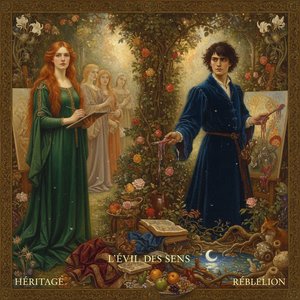
The Pre-Raphaelite Brotherhood: Reclaiming Beauty, Nature, and Truth in Victorian Art History
Explore the revolutionary Pre-Raphaelite Brotherhood. Discover how these visionary artists rejected academic tradition to reclaim beauty, nature, and truth through luminous detail and literary depth in Victorian art history.
