Baroque · 1592
Pan (Анибале Карачи, 1592)
Анибале Карачи (1560–1609) създаде Pan. Датира от 1592. Това произведение принадлежи към движението Baroque. Изработено от Oil On Canvas. Съхранява се в Национална галерия на Виктория в Мелбърн, Австралия. Размерите са 109 × 135 cm.
- 1592
- Oil On Canvas
- 109 × 135 cm
- Национална галерия на Виктория, Мелбърн

 Преглед в реален мащаб

 Ръчно изработена маслена картина
 Изпрати
 Сподели
 Информационен лист


 Изтегляне
 Подобни артикули
 Рентгенова снимка
 Слайдшоу
 Въпроси и отговори

 Статистика
Pan накратко
- Заглавие
- Pan
- Художник
- Анибале Карачи (1560–1609)
- Роден в
- Болоня, Италия
- Дата
- 1592
- Материал
- Oil On Canvas
- Размери
- 109 × 135 cm
- Къде може да се види
- Национална галерия на Виктория, Мелбърн, Австралия
- Движение
- Baroque
- Обект
- pan, greek god, mythology, carracci, foreshortening, renaissance
Какво е изобразено в Pan?
A Vision of Rustic Divinity: Annibale Carracci’s Pan
Annibale Carracci's "Pan," painted circa 1592, is not merely a depiction of the Greek god; it’s an embodiment of primal nature, a vibrant assertion of earthly delight rendered with breathtaking technical skill and imbued with the burgeoning spirit of the Bolognese school. This painting transcends simple portraiture, offering instead a glimpse into a world teeming with instinct, fertility, and the intoxicating allure of the wild. Commissioned by Cesare d'Este for his opulent Palazzo dei Diamanti in Ferrara – a palace itself reflecting the lavish tastes of the Renaissance court – “Pan” was intended to be part of a larger decorative scheme, a carefully orchestrated symphony of classical mythology designed to evoke grandeur and celebrate the power of the Este family.
Carracci’s genius lies in his masterful manipulation of perspective and color. The scene unfolds with a dramatic *di sotto in sù* foreshortening – a technique borrowed from earlier Renaissance masters but perfected by Carracci – that draws the viewer into the god's immediate presence. Pan, seated atop a ram or goat (the animal’s identity deliberately ambiguous), is presented not as an imposing deity, but as a youthful, almost mischievous figure. His pose is relaxed, his expression playful, and his limbs are rendered with a remarkable sense of naturalism that distinguishes this work from the more idealized depictions prevalent at the time. The rich palette – dominated by earthy reds, ochres, and greens – creates a tactile quality, inviting the viewer to almost feel the warmth of the Italian sun on Pan’s skin and the rough texture of his attire.
The Language of Symbolism
Pan, in Greek mythology, is the god of shepherds, flocks, wild animals, music, and revelry. He embodies the untamed spirit of nature, a force both alluring and potentially dangerous. Carracci’s portrayal captures this duality perfectly. The ram or goat beneath Pan isn't simply an animal; it represents fertility, abundance, and the cyclical rhythms of life and death – essential themes within the context of the Renaissance fascination with classical antiquity. The inclusion of the pipe, a traditional instrument associated with Pan, further reinforces his role as the patron of music and dance, suggesting a celebration of earthly pleasures.
Notably, the presence of the book or scroll in Pan’s hand hints at a deeper layer of meaning. While often depicted as a wild god, Pan was also associated with prophecy and knowledge – a connection that aligns with the intellectual climate of Renaissance Italy. The object could represent his ability to interpret the signs of nature, offering a glimpse into the mysteries of the world.
A Bridge Between Eras
“Pan” stands as a pivotal work in the transition from the High Renaissance to the Baroque period. Carracci’s embrace of naturalism and dramatic perspective – hallmarks of the Bolognese school – paved the way for the heightened emotional intensity and dynamic compositions that would characterize the Baroque style. His meticulous attention to detail, combined with his innovative use of *di sotto in sù* foreshortening, demonstrates a profound understanding of both classical principles and contemporary artistic trends. The painting’s placement within a larger decorative scheme further highlights its significance as a key element in the revival of classical art during the late 16th century.
A Timeless Appeal
More than four centuries after its creation, “Pan” continues to captivate viewers with its vibrant energy and evocative imagery. It’s a painting that speaks to our enduring fascination with nature, mythology, and the primal instincts that lie at the heart of human experience. Reproductions of this masterpiece offer an opportunity to bring this extraordinary vision into any setting, adding a touch of rustic divinity and timeless beauty to your home or office.
В кой музей се намира Pan?
Национална галерия на Виктория
Мелбърн, Австралия
Произход и история на Национална галерия на Виктория Национална галерия на Виктория е основана през 1861 г. Нейното създаване се състоя в епохата на златната лихоманка – период на неимоверно бърз растеж за колонията. В началото институцията е била скромно хранилище за гипсови отливки, създадено с цел да осигури връзка с утвърдените художествени традиции от Европа.


Изображения с висока резолюция на Pan

Обществено достояние: художникът е починал през 1609 г.
Други размери, кадриране и цитиране →Анибале Карачи, Pan (1592), Национална галерия на Виктория. Обществено достояние
Отговори на въпроси относно Pan
Къде може да бъде видяно „Pan“ на Анибале Карачи днес?
Оригиналът на „Pan“ на Анибале Карачи се съхранява в Национална галерия на Виктория, Мелбърн, Австралия. Репродукцията позволява произведението да бъде изложено у дома.
Кога е създадено "Pan"?
„Pan“ на Анибале Карачи е създадена през 1592.
Каква техника е използвана за „Pan“ на Анибале Карачи?
Техниката на „Pan“ на Анибале Карачи е Oil On Canvas. Репродукциите са предназначени да предадат визуалния ефект на тази техника.
Какви са размерите на оригиналния „Pan“ на Анибале Карачи?
Размерите на оригиналната творба „Pan“ на Анибале Карачи са 109 x 135 cm.
Каква е темата на "Pan"?
Обектите на "Pan" са pan, greek god, mythology, carracci, foreshortening, renaissance, baroque, deity.
Може ли изображението на „Pan“ на Анибале Карачи да се репродуцира свободно?
Статусът на авторското право за „Pan“ на Анибале Карачи: произведението е в обществено достояние – авторското право е изтекло. Това определя дали могат да се правят свободно репродукции на изображението.
На кой художник се приписва "Pan"?
„Pan“ е създадена от Анибале Карачи. Информацията на тази страница описва оригиналната творба на Анибале Карачи.
Към кой стил принадлежи "Pan"?
„Pan“ е произведение от Baroque. Това направление определя художествената традиция, към която принадлежи творбата.
На кой период от кариерата на Анибале Карачи принадлежи „Pan“?
„Pan“ принадлежи към Mature Period от кариерата на Анибале Карачи. Тази класификация свързва творбата с развитието на художника.
За художника Анибале Карачи
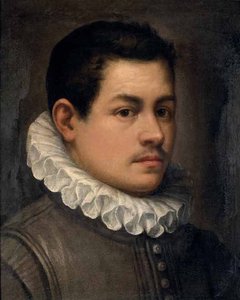
1560–1609, Италия
Анибале Карачи
Early Life and the Bolognese Roots Annibale Carracci, роден в Болоня на 3 ноември 1560 г., произхожда от семейство дълбоко потопено в художествена традиция. Неговото първоначално обучение вероятно се развиваше в любящата среда на неговата фамилна работилница, полагайки основата за кариера, която ще преобрази значително италианското изкуство. Болоня през този период беше оживен център на интелектуална и художествена буря, въпреки че се чувстваше малко отдалечена от доминиращите течения, идващи от Рим и Венеция. Този усещане за провинциализъм подклажда желание сред група млади художници – Аннибало, брат му Агосто и чичо му Лудовико – да създадат нов път, един, който ще възроди италианското изкуство, като се обърне към майсторите на Ренесанса и същевременно приеме по-натуралистичен подход.
Други творби на Анибале Карачи
 The beaneater Sun
 Изборът на Еракл
 Изборът на Геракла1596
 Река в пейзаж1589

Есеи по темата Pan
 The Language of Animals in Art: From Ancient Egypt to the RenaissanceExplore the profound history of animal symbolism from Egypt to the Renaissance. Trace these ancient motifs through art history now.
 Annibale Carracci: Bridging Renaissance Ideals & Baroque InnovationExplore the life & art of Annibale Carracci, a pivotal figure bridging Renaissance ideals with Baroque innovation. Discover his masterpiece…
 Divine Beauty: The 25 Most Iconic Masterpieces by Fra AngelicoJourney through the divine beauty of Fra Angelico's finest works. Explore 25 iconic Renaissance masterpieces, from ethereal frescoes to sac…