

 Представи си го
 Изпрати
 Сподели
 Детайли

 Изтегляне
 Подобни
 Рентгенова снимка
 Слайдшоу
 Статистика
A Funeral


 Прочетете повече
Жикле / Художествен принт
Giclée печат или принт върху платно с музейно качество, бързо производство и гъвкави опции за завършен вид. ( Купете ръчно рисувана картина Превключване към дигитално изображение)




P118B $10

P118H $10

P118W $10

P438Z $10

P508JH $12

P508YH $12

P805H $10

P805Z $10

P919BZ $10

P919G $10

P919XJ $10

P959ZH $10

P968JZ $12

W106C $8

W218G $10

W218JH $8

W218Y $10

W307PJ $10

W316G $10

W316PJ $8

W316Y $10

W398PJ $8

W4111J $10

W500HY $15

W500JH $15

W692G $12

W849H $8

W940BG $15

W953PJ $8




Изберете от предварително зададените размери, които съответстват на оригиналните пропорции на произведението.

Можете да въведете собствени размери, за да паснат на конкретна рамка или пространство. Ако избраният от Вас размер не съвпада с пропорциите на оригиналното изображение, ние ще изрежем произведението или ще разширим изображението с огледален или едноцветен ръб. Дигитален макет ще бъде изпратен за Ваше одобрение преди започването на производството.
Моля, имайте предвид, че предпрегледът на екрана не отразява реалното изрязване или разширяване. Само макетът ще покаже точно финалната композиция.
Въпреки че са налични персонализирани размери, препоръчваме да изберете размер от предварително дефинирания списък, за да запазите оригиналните пропорции.
Доставка по целия свят () в рамките на 2 седмици вместо стандартните 4/5 седмици. (16 Септември)

Безплатна експресна доставка по целия свят

Висококачествено ленено платно

Пълно застраховане при доставка

Гаранция за възстановяване на митнически такси

Гаранция за цветова точност

Политика за връщане в рамките на 100 дни (само при дефекти)

100% Гаранция за връщане на парите

Предложение за отстъпка при поръчка на едро
 Стъклото е налично само в размери под 110 см

A Funeral
Жикле / Художествен принт
Размер на репродукцията
-


Обща цена
$ 80
A Funeral – An Exploration of Grief and Light
Anna Kirstine Brøndum Ancher’s “A Funeral,” painted in 1891, stands as a poignant testament to both the solemn beauty of mourning and the masterful Impressionistic technique that characterized her artistic output. Executed on a large canvas, this artwork captures a moment of profound grief within the tranquil setting of Skagen Church, offering viewers an intimate glimpse into a pivotal period of Danish art history.The Scene: Domestic Tranquility Amidst Sorrow
The painting depicts a funeral service taking place in St. Michael’s Church, Skagen. At the forefront stands a man delivering a eulogy – likely Michael Ancher himself, Anna's husband and fellow artist – his gaze directed towards the congregation. Beside him sits a woman, presumably Anna, her posture conveying quiet contemplation and sorrow. The inclusion of two chairs adds to the sense of stillness and formality, anchoring the scene within the domestic sphere despite its solemn subject matter. A simple dining table occupies the background, topped with a bowl containing flowers – a traditional symbol of remembrance and sympathy. These carefully positioned elements contribute to an atmosphere of understated dignity and emotional resonance.Impressionistic Technique: Capturing Fleeting Light
Ancher’s artistic brilliance lies in her ability to convey emotion through meticulous observation and skillful manipulation of light. Characteristic of the Skagen Painter colony, she employed loose brushstrokes and vibrant color palettes to capture the ethereal quality of sunlight filtering through stained glass windows. The dominant hues are muted yellows and blues, reflecting the diffused illumination within the church – a deliberate choice that underscores the painting’s contemplative mood. Notice how Ancher skillfully blends colors to create subtle gradations of tone, enhancing the sense of depth and realism without resorting to photographic accuracy. This technique aligns perfectly with Impressionism's core principle: prioritizing sensory experience over precise representation.Symbolism: Grief, Remembrance, and Spiritual Reflection
Beyond its visual beauty, “A Funeral” is laden with symbolic significance. The funeral service itself represents the universal human experience of loss and bereavement. However, Ancher’s masterful use of light serves as a powerful counterpoint to this sorrowful subject matter. Light symbolizes hope, faith, and spiritual illumination – suggesting that even amidst grief, there remains an enduring connection to something greater than oneself. The flowers on the dining table symbolize remembrance and compassion, reminding viewers of the importance of honoring those who have passed away. Furthermore, the church setting represents solace and comfort, reinforcing the painting’s overarching theme of finding peace in faith during times of hardship.Legacy: Ancher's Enduring Influence
“A Funeral” exemplifies Anna Ancher’s profound connection to her surroundings and her unwavering commitment to portraying human emotion with sensitivity and nuance. It solidified her reputation as one of Denmark’s foremost Impressionist painters, influencing generations of artists who followed in her footsteps. Today, reproductions of this artwork continue to inspire admiration for its understated elegance and emotional depth—a timeless masterpiece that speaks volumes about the complexities of grief and the enduring power of artistic vision.Биография на художника
A Life Bathed in the Light of Skagen
Anna Kirstine Brøndum Ancher, forever known as Anna Ancher, occupies a unique and cherished position within Danish art history. Born in 1859 in the remote fishing village of Skagen, at the very tip of Denmark’s Jutland peninsula, she was intrinsically linked to the landscape and community that would become synonymous with her artistic vision. Unlike many of her fellow *Skagen Painters*, Anna wasn't a visitor drawn by the dramatic Nordic light; she *was* of Skagen, born and raised within its bracing winds and ever-changing skies. This deep connection imbued her work with an authenticity and intimacy rarely found in artists who merely observed from afar. Her father, Erik Andersen Brøndum, owned the renowned Brøndums Hotel, a haven for artists seeking to capture the raw beauty of the region – a constant exposure that undoubtedly nurtured her early artistic inclinations. From childhood, she was surrounded by creative energy and the stimulating exchange of ideas, laying the foundation for a life dedicated to painting.Early Years and Artistic Training
Anna’s talent blossomed early, prompting her family to support her formal training. She spent three years at the Vilhelm Kyhn College of Painting in Copenhagen, honing her skills in drawing and developing a distinctive style characterized by sensitive observation and a nuanced understanding of color. This period provided her with a solid technical foundation, but it was her time studying in Paris, at the atelier of Pierre Puvis de Chavannes alongside Marie Triepcke (later Krøyer), that broadened her artistic horizons significantly. Puvis de Chavannes’ influence is evident in Anna's later work – a focus on quiet contemplation and symbolic representation, though always filtered through her uniquely Nordic sensibility. The Parisian experience exposed her to new techniques and perspectives, challenging her existing notions of art and pushing her towards greater experimentation. Crucially, she found a kindred spirit in Marie Triepcke, who would become her lifelong friend and fellow artist, sharing both artistic ideas and personal experiences. This connection with Krøyer, though ultimately marked by tragedy, undoubtedly shaped Anna’s artistic development as well.The Skagen Painters and a Unique Artistic Identity
Returning to Skagen in 1880, Anna married Michael Ancher, another prominent Skagen Painter – a union that was both deeply personal and profoundly influential to their respective careers. Their partnership wasn't merely a marriage of convenience; it was a true artistic collaboration, fostering mutual inspiration and support throughout their lives. Unlike many of her contemporaries who sought fame and recognition in the larger art world, Anna remained firmly rooted in Skagen, capturing the essence of her local community with remarkable honesty and empathy. The *Skagen Painters*, as they became known, developed a distinctive style characterized by loose brushwork, vibrant colors, and an intimate portrayal of everyday life – fishermen hauling their nets, women mending clothes, children playing on the beach. Anna’s work stands apart due to her exceptional ability to capture the fleeting effects of light on the landscape and within domestic interiors. She wasn't interested in grand landscapes or historical scenes; instead, she focused on the simple beauty of ordinary moments, imbuing them with a sense of warmth and tranquility.Capturing Light and Emotion: A Distinctive Style
Anna Ancher’s artistic style is immediately recognizable by her masterful use of light and color. She was particularly adept at capturing the shifting qualities of sunlight – the golden glow of dawn, the silvery shimmer of twilight, the intense brilliance of midday. Her paintings are not merely representations of reality; they are imbued with a palpable sense of atmosphere and emotion. She employed broken brushstrokes and layered glazes to create a shimmering effect, mimicking the way light interacts with surfaces. This technique is particularly evident in works like *Blue Ane* (1882) and *The Girl in the Kitchen* (1883-1886), where she skillfully captures the play of light on textiles, furniture, and faces. Her compositions are often intimate and informal, reflecting her desire to portray the lives of ordinary people with honesty and compassion. She frequently depicted scenes from within domestic interiors – kitchens, bedrooms, parlors – offering glimpses into the daily routines and relationships of the Skagen community. Her ability to convey a sense of quiet contemplation and understated beauty is what truly sets her work apart.Legacy and Enduring Significance
Anna Ancher’s contributions to Danish art extend beyond her individual paintings. As a pioneering female artist, she challenged conventional norms and paved the way for future generations of women artists in Denmark. Her work played a crucial role in the development of Danish Impressionism and the broader Nordic Modern Breakthrough movement, which sought a more truthful and authentic representation of reality. Today, her paintings are held in prestigious collections such as the Hirschsprung Collection in Copenhagen, Helga Anchers Fond, and Skagens Museum – testaments to her enduring artistic merit. The Anchers’ home in Skagen has been preserved as a museum, *Anchers Hus*, offering visitors a unique opportunity to step back in time and experience the world that inspired their art. It stands as a living tribute to their lives and work, ensuring that Anna Ancher's legacy continues to inspire and captivate audiences for years to come. Her ability to find profound beauty in the simplicity of everyday life, coupled with her masterful handling of light and color, solidifies her place as one of Denmark’s most beloved and significant artists.
Анна Анчер
1859 - 1935 , Дания
Бързи факти
- Artistic Movement Or Style: Импресионизъм, Северно европейско изкуство
- Artists Or Movements Influenced By This Artist: ['Ханс Андерсен Брендекилд']
- Artists Who Influenced This Artist:
- Пиер Пувис де Шаванн
- Мари Трипекке Кройер
- Date Of Birth: 18 Август 1859 г.
- Date Of Death: 15 Април 1935 г.
- Full Name: Anna Kirstine Brøndum Ancher
- Nationality: Дъскан
- Notable Artworks:
- Сияние в синя стая
- Момиче на кухнята
- Ръкоделие на рибаря
- Place Of Birth: Скъгън, Дания
Всички статии
Топ 10 шедьовъра в нюансите на гъбите: Изкуство за вашия дом от OriginalUniqueArt.com
Разгледайте топ 10 шедьовъра в нюансите на гъбите – от Ван Гог до Моне! Открийте историите зад импресионизма и постимпресионизма, цветовете и техниките. Купете висококачествени репродукции на картини за вашия дом на OriginalUniqueArt.com
Топ 10 шедьовъра в пясъчни тонове: Изкуство за вашия дом от OriginalUniqueArt.com
Открийте топ 10 шедьовъра в пясъчни тонове – от Ван Гог до Моне! Разгледайте историите зад известните картини, техники и цветове. Репродукции на картини с музейно качество за вашия дом от OriginalUniqueArt.com. Explore the full collection online!
Топ 10 шедьовъра в нюансите на охрата: Изкуство и хармония за вашия дом
Открийте топ 10 шедьовъра, доминирани от топлите нюанси на охрата! Разгледайте историите зад картините на Ван Гог, Моне и други велики художници. Вдъхновете се за декор с OriginalUniqueArt.com – музейно качество репродукции и изкуство за вашия дом.
Топ 10 шедьовъра в нюансите на хромовото жълто – изкуство за вашия дом от OriginalUniqueArt.com
Открийте топ 10 шедьовъра, доминирани от хромово жълто! Разгледайте историите на Ван Гог, Моне и други велики художници. Вдъхновете се за вашия дом с OriginalUniqueArt.com – репродукции картини с музейно качество.
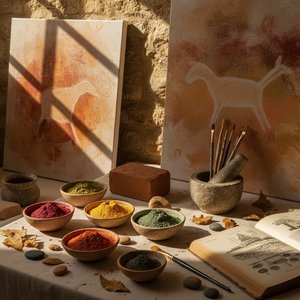
The Resonance of Earthly Tones: Exploring Nuance, History & Emotional Impact in Art
Explore the captivating world of earth tones in art! Discover historical context, emotional resonance & artistic techniques behind these timeless colors. Find inspiration for your home decor and museum-quality reproductions.


