

 Преглед в реален мащаб
 Сподели
 Сподели
 Подробности
 Ръководство

 Изтегляне
 Подобни артикули
 Рентгенова снимка
 Слайдшоу
 Статистика
LE BOURGET

 Разгърни целия текст
Жикле / Художествен принт
Giclée печат или принт върху платно с музейно качество, бързо производство и гъвкави опции за завършен вид. ( Поръчайте ръчно рисувано репродукция на този колекционерски предмет Превключване към дигитално изображение)




P118B €10

P118H €10

P118W €10

P438Z €10

P508JH €12

P508YH €12

P805H €10

P805Z €10

P919BZ €10

P919G €10

P919XJ €10

P959ZH €10

P968JZ €12

W106C €8

W218G €10

W218JH €8

W218Y €10

W307PJ €10

W316G €10

W316PJ €8

W316Y €10

W398PJ €8

W4111J €10

W500HY €15

W500JH €15

W692G €12

W849H €8

W940BG €15

W953PJ €8




Изберете от нашите предварително зададени размери, които съответстват на оригиналните пропорции на произведението.

Въведете необходимата ширина и височина, за да паснат на вашата рамка или стена. Принтовете могат само да се изрязват, но никога не могат да бъдат по-големи от оригиналната картина, така че при размер с различен формат част от изображението ще бъде загубена. Преди да започнем печат, ще ви изпратим дигитален мок업 за одобрение. Изображението, показано на тази страница, не показва реалното изрязване — само мок업ът го показва.
Доставка по целия свят () в рамките на 2 седмици вместо стандартните 4/5 седмици. (24 Октомври)

Безплатна експресна доставка по целия свят

Висококачествено ленено платно

Пълно застраховане на доставката

Гаранция за възстановяване на митнически такси

Гаранция за пълно съответствие на цветовете

Политика за връщане в рамките на 100 дни (само при дефекти)

100% Гаранция за връщане на сумата

Отстъпка при поръчка на повече произведения
 Опцията със стъкло е налична само за размери под 110 см

LE BOURGET
Жикле / Художествен принт
Размер на репродукцията
-


Крайна цена
€ 70
Биография на художника
A Life Etched in Conflict: The World of Alphonse de Neuville
Alphonse-Marie-Adolphe de Neuville, a name that resonates with the dramatic intensity and patriotic fervor of 19th-century France, was born in Saint-Omer in 1835. His life, tragically cut short at the age of forty-nine, unfolded against a backdrop of profound historical transformation – an era defined by imperial ambitions, devastating wars, and the burgeoning formation of national identities. Initially drawn to a career at sea, de Neuville’s artistic inclinations ultimately proved too compelling to ignore, leading him away from the waves and toward the studios of Paris. There, he sought guidance within the established academic system, briefly attending the naval school in Lorient before dedicating himself fully to the pursuit of painting under the tutelage of François-Edouard Picot. However, it was the profound influence of Eugène Delacroix – a master of Romanticism renowned for his dynamic compositions and deeply emotional portrayals – that truly shaped de Neuville’s artistic vision. This mentorship instilled within him a passion for dramatic narratives and a keen understanding of how to translate historical events onto canvas with an arresting power, imbuing his work with both realism and a palpable sense of urgency.Forging a Reputation Through War and Illustration
De Neuville swiftly established himself as a painter deeply engaged with the conflicts that were reshaping Europe during his lifetime. He didn’t merely depict war; he immersed himself within its realities, drawing upon personal experiences – including service during the Franco-Prussian War – to lend an unparalleled authenticity to his work. This commitment to meticulous realism, combined with a remarkable talent for capturing the human cost of conflict and conveying the emotional weight of battle, propelled him to prominence. Early successes included depictions of pivotal moments from the Crimean War and scenes illustrating significant episodes from Garibaldi’s campaigns in Italy, showcasing his ability to capture both the grand scale of military operations and the intimate details of individual soldiers' experiences. However, it was through his collaborative work with Jules Verne that de Neuville gained wider recognition and cemented his place as a versatile artist capable of captivating audiences beyond the realm of historical painting. His illustrations for *Twenty Thousand Leagues Under the Seas* – a fantastical underwater adventure – brought a dynamic visual energy to Verne’s imaginative world, capturing the public's imagination and demonstrating de Neuville’s ability to seamlessly blend historical accuracy with inventive storytelling. These illustrations weren’t simply decorative elements; they were integral to shaping the reader’s perception of Verne’s groundbreaking novel, contributing significantly to its enduring popularity.Master of Military Narrative: Key Works and Artistic Style
De Neuville's artistic strength lay in his ability to transform historical events into emotionally resonant narratives. His paintings weren’t simply records of battles; they were carefully constructed dramas, populated with compelling characters and imbued with a palpable sense of urgency. “The Charge of the Light Brigade” (1860) stands as perhaps his most iconic work – a poignant depiction of the disastrous Crimean War cavalry charge that captures both the bravery and the tragic futility of the soldiers caught in the crossfire. The painting doesn’t glorify warfare; instead, it powerfully conveys the desperation and vulnerability of those involved, offering a sobering reflection on the human cost of conflict. Similarly, “The Defense of Palma Major” (1875) – illustrating a harrowing episode from the Zulu War – showcases de Neuville’s mastery of dramatic composition and his ability to capture the intense claustrophobia and brutal efficiency of close-quarters combat. His style is characterized by an extraordinary level of detail, meticulously rendered uniforms and weaponry, and a skillful use of light and shadow to create atmosphere and heighten emotional impact. He wasn't interested in creating idealized heroic scenes or grand allegorical representations; rather, he focused on the individual experiences of soldiers – their courage, fear, and suffering – imbuing his paintings with a profound sense of humanity.Influences and Artistic Development
De Neuville’s artistic journey was shaped by a confluence of influences that combined to forge his distinctive style. Eugène Delacroix, the Romantic master, undoubtedly exerted the most significant influence, imparting a sense of drama, emotional intensity, and dynamic composition to de Neuville's work. The vibrant colors, dramatic lighting, and emotionally charged figures found in Delacroix’s paintings clearly resonated with de Neuville, shaping his approach to depicting historical events. François-Edouard Picot provided early training within the established academic system, equipping de Neuville with foundational skills in painting techniques. However, it was de Neuville's own experiences – particularly his service during the Franco-Prussian War – that proved to be the most formative influence, directly informing his realistic depictions of military life and combat. The sights, sounds, and emotions he witnessed firsthand were translated onto canvas with remarkable accuracy and sensitivity. Finally, his collaboration with Jules Verne on *Twenty Thousand Leagues Under the Seas* broadened his artistic horizons, introducing him to a wider audience and demonstrating his versatility as an illustrator capable of capturing both historical detail and imaginative storytelling.Legacy and Enduring Appeal
Alphonse de Neuville’s untimely death in 1885 tragically cut short a promising career, but his legacy endures through the numerous paintings that continue to captivate audiences today. His works are held in prestigious collections such as the Hermitage Museum in St. Petersburg and the Metropolitan Museum in New York – testaments to their artistic merit and historical significance. Beyond these institutional holdings, de Neuville’s art enjoys a broad popular appeal, fueled by a renewed interest in 19th-century military history and a desire for authentic depictions of past conflicts. Today, high-quality reproductions – readily available through platforms like OriginalUniqueArt and OriginalUniqueArt – allow art enthusiasts to bring the drama and historical depth of de Neuville’s masterpieces into their own homes, ensuring that his powerful narratives continue to resonate with audiences across generations. His paintings serve not only as artistic achievements but also as poignant reminders of the human cost of war and the enduring spirit of those who fought in it.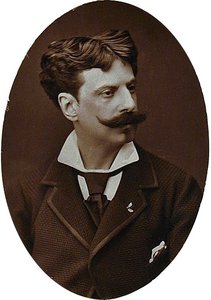
Алфонс де Неввил
1835 - 1885 , Франция
Бързи факти
- Artistic Movement Or Style: Академична живопис
- Artists Or Movements Influenced By This Artist:
- Делакруа
- Романтизъм
- Artists Who Influenced This Artist:
- Ежен Делакруа
- Франсоа-Едуард Пикот
- Date Of Birth: 1835
- Date Of Death: 1885
- Full Name: Alphonse-Marie-Adolphe de Neuville
- Nationality: Френски
- Notable Artworks:
- Заряд на светлине
- Отражение на Палма
- Place Of Birth: Saint-Omer, Франция
Свързани статии

Топ 25 шедьоври на Франсиско Гоя: Изкуство, история и лукс за вашия дом
Разгледайте топ 25 шедьоври на Франсиско Гоя – от портрети до исторически картини. Открийте историите, техниките и емоциите зад неговите най-известни творби. Луксозни репродукции за вашия дом в OriginalUniqueArt.com!

Echoes of Trauma & Hope: Representing Transformation in Artworks of 1918
Explore the profound artistic responses to World War I's trauma & hope. Discover Expressionist masterpieces by Bacon, de Kooning & more. Expert insights for collectors & art enthusiasts at OriginalUniqueArt.

Относно нас
Открийте нашата история! Ние внасяме световнокласно изкуство във вашия живот чрез експертен подбор, персонализирани творения и безплатни прегледи. Одобрено от частни лица и фирми от 2000 г. насам.

Willem de Kooning: Abstraction, Gesture & the Evolution of Post-War American Painting
Explore the evolution of Willem de Kooning's iconic Abstract Expressionist paintings. Discover his signature style, key themes & investment potential with expert insights for discerning art collectors.

William Owen: A Poetic Vision of War & Landscape in British Modernism
Explore the poignant war poetry of Wilfred Owen, a key figure in British Modernism. Discover his innovative style, themes of loss & camaraderie, and lasting impact on 20th-century literature. Analysis & historical context included.