

 Преглед в реален мащаб
 Сподели
 Сподели
 Подробности
 Ръководство

 Изтегляне
 Подобни артикули
 Рентгенова снимка
 Слайдшоу
 Статистика
Autumn Flowers


 Разгърни целия текст
Ръчно изработена маслена репродукция
Ръчно рисувана маслена картина върху платно във вашия размер и рамка, изработена по поръчка от нашите художници. ( Избор на принт Превключване към дигитално изображение)




P118B €10

P118H €10

P118W €10

P438Z €10

P508JH €12

P508YH €12

P805H €10

P805Z €10

P919BZ €10

P919G €10

P919XJ €10

P959ZH €10

P968JZ €12

W106C €8

W218G €10

W218JH €8

W218Y €10

W307PJ €10

W316G €10

W316PJ €8

W316Y €10

W398PJ €8

W4111J €10

W500HY €15

W500JH €15

W692G €12

W849H €8

W940BG €15

W953PJ €8




Изберете от нашите предварително зададени размери, които съответстват на оригиналните пропорции на произведението.

Можете да въведете свои собствени размери, за да паснат на конкретна рамка или пространство. Ако избраният от вас размер не съответства на пропорциите на оригиналното изображение, ние ще изрежем произведението или ще разширим картината с допълнителни ръчно рисувани елементи. Дигитален макет ще бъде изпратен за ваше одобрение преди започване на производството.
Моля, обърнете внимание, че предпрогледа на екрана не отразява действителното изрязване или разширяване. Само макетът ще покаже точно финалната композиция.
Въпреки че са налични персонализирани размери, препоръчваме да изберете размер от предварително дефинирания списък, за да запазите оригиналните пропорции.
След получаване на поръчка, екипът на OriginalUniqueArt.com ще изпрати имейл до клиента с инструкции и ще предостави примерен макет за преглед.
Доставка по целия свят () в рамките на 3-4 седмици вместо стандартните 5 седмици. (3 Октомври). Без компромис с качеството.

Безплатна експресна доставка по целия свят

Висококачествено ленено платно

Пълно застраховане на доставката

Гаранция за възстановяване на митнически такси

Гаранция за пълно съответствие на цветовете

Политика за връщане в рамките на 100 дни (само при дефекти)

100% Гаранция за връщане на сумата

Отстъпка при поръчка на повече произведения
 Опцията със стъкло е налична само за размери под 110 см

Autumn Flowers
Техника на репродукция
Размер на репродукцията
-


Крайна цена
€ 258
A Portrait of a Moment: The Enigmatic Beauty of *Autumn Flowers*
Alfred Stevens’s *Autumn Flowers*, painted in 1867, isn't merely a depiction of a woman amidst flowers; it’s an exquisitely crafted meditation on stillness, light, and the subtle poetry of everyday life. At first glance, the painting presents a seemingly simple arrangement: a seated lady, her posture suggesting quiet contemplation, surrounded by a still-life tableau of fabrics, blossoms, and a delicately rendered table. Yet, beneath this surface lies a profound exploration of form, color, and the very essence of observation – a hallmark of Stevens’s unique artistic vision.
Stevens, a pivotal figure in 19th-century Belgian art, deliberately eschewed the prevailing trends of his time. Rejecting the fleeting effects of Impressionism's vibrant light and atmosphere, he instead focused on capturing an immutable quality – the frozen gesture, the fixed expression, the enduring presence of the subject. This deliberate choice is powerfully evident in *Autumn Flowers*. The woman’s hand, poised as if about to touch a flower, isn’t caught in motion; it's suspended, imbued with a sense of timelessness. Her gaze, directed slightly off-canvas, invites us into her private world, suggesting an inner life beyond the immediate scene.
The Language of Color and Texture: Stevens’s Masterful Technique
What immediately draws the eye is Stevens's extraordinary command of color and texture. He employs a remarkably restrained palette – primarily shades of grey, black, and muted browns – punctuated by flashes of pastel pink, chestnut brown, and the glossy sheen of the table cover. This deliberate limitation isn’t a sign of restraint but rather a strategic choice to emphasize form and light. The artist masterfully utilizes chiaroscuro, creating dramatic contrasts between light and shadow that sculpt the figures and objects with remarkable precision. Notice how the highlights on the woman's chignon and the delicate folds of her dress draw our attention while simultaneously deepening the shadows around her face, lending a sense of mystery and depth.
Stevens’s technique is equally noteworthy for its meticulous detail. He employs a smooth, almost polished surface – reminiscent of 17th-century Dutch masters like Rembrandt and Vermeer – achieved through careful layering of paint and the use of a knife to blend colors seamlessly. This creates an illusion of tactile reality, inviting us to reach out and touch the fabrics, feel the texture of the flowers, and appreciate the subtle variations in color and tone. The artist’s attention to detail extends beyond mere representation; it's a deliberate attempt to capture the *essence* of each element within the composition.
Symbolism and the Portrait of Modernity
Beyond its technical brilliance, *Autumn Flowers* is rich in symbolic meaning. The woman herself represents a type of modern femininity – poised, elegant, and seemingly detached from the bustle of Parisian life. Her attire, with its jet frills and flounces, speaks to the fashionable trends of the era while simultaneously conveying a sense of quiet dignity. The surrounding still-life elements—the fabrics, flowers, and table—are not merely decorative; they function as a carefully constructed visual language, hinting at themes of luxury, domesticity, and the fleeting beauty of life.
Stevens’s comparison to Gustave Vanzype – that the painting is a still life composed of the fabrics in which she is dressed and the things around her – reveals a deeper intention. He wasn't simply depicting a woman; he was creating a miniature world, a carefully orchestrated tableau that captures a specific moment in time and reflects the values and aesthetics of his era. The reference to Whistler’s ambition to “use colours to compete with the musician who uses sounds” underscores Stevens’s own desire to elevate color from mere decoration to an expressive element within the painting.
A Legacy of Stillness: Stevens's Enduring Appeal
*Autumn Flowers* stands as a testament to Alfred Stevens’s singular artistic vision. It is a painting that rewards careful observation, inviting us to linger and contemplate its subtle nuances. Its enduring appeal lies not in dramatic gestures or fleeting effects but in its quiet beauty, its masterful technique, and its profound exploration of the human condition. Reproductions of this captivating work offer a window into a bygone era, capturing the elegance and sophistication of 19th-century Parisian life while simultaneously reminding us of the timeless power of stillness and observation.
Въпроси и отговори
Мога ли да видя „Autumn Flowers“ на Алфред Стивънс върху моята собствена стена преди покупка?
„Autumn Flowers“ има преглед с добавена реалност: страницата AR преглед на произведението го показва в собственото ви пространство чрез съвместимо устройство.
На колко години е бил Алфред Стивънс, когато е създал „Autumn Flowers“ през 1867?
Алфред Стивънс е бил на 44 години, когато създава „Autumn Flowers“ през 1867. Възрастта е изчислена въз основа на годината на раждане на художника, 1823.
Как "Autumn Flowers" балансира светлината и тъмнината?
За „Autumn Flowers“ на Алфред Стивънс е записана яркост от deep_shadow при светлост на ниво Dark.
Кой е художникът зад "Autumn Flowers"?
Художникът зад "Autumn Flowers" е Алфред Стивънс. Произведението е каталогизирано под името на Алфред Стивънс.
В коя година е създадено „Autumn Flowers“ на Алфред Стивънс?
„Autumn Flowers“ на Алфред Стивънс е създадена през 1867.
„Autumn Flowers“ на Алфред Стивънс портретна, пейзажна или квадратна композиция ли е?
„Autumn Flowers“ на Алфред Стивънс е Portrait композиция. Пропорциите си заслужават да бъдат проверени преди избор на размер на принта.
Има ли произведения, подобни на „Autumn Flowers“?
Работи, подобни на „Autumn Flowers“, са изброени в страницата Подобни произведения на произведението.
Биография на художника
ранен години и обучение
Алфред Емил Леополд Стивенс, прочутият белгийски живописец, се ражда на 11 май 1823 г. в Брюксел. Неговото семейство е дълбоко вкоренено в изкуствата – неговият по-голям брат Джоузеф (1816–1892) и син Леополд (1866–1935) също са художници, докато друг брат, Артър (1825–99), е бил търговец на изкуство и критик.артистична кариера
Стивенс започва своето творческо пътешествие в Брюкселската кралска академия по изкуствата (Académie Royale des Beaux-Arts), където се обучава под ръководството на Франсоа Навез, представител на неокласицизма. През 1843 г. той се премества в Париж, за да се присъедини към брат си Джоузеф, и е приет в École des Beaux-ats. Въпреки че е спорно дали е бил ученик на Жан Огюст Доминик Ингрес, ранните творби на Стивенс, като например „Прошката или отпущението“ (Ермитаж, Санкт Петербург), подписана и датирана през 1849 г., демонстрират неговото майсторство в конвенционалния натуралистичен стил, повлиян от нидерландската жанрова живопис от XVII век.изкачване до върха на славата
Творчеството на Стивен дъства своя първи публичен триумф през 1851 г. в Брюкселския салон, което му носи медал от трета класа на Парижския салон през 1853 г. и медал от втора класа на Световното изложение в Париж през 1855 г. Неговата картина „Ce qu'on appelle le vagabondage“ (Музей д'Орсе, Париж) привлича вниманието на Наполеон III, което води до значителни промени в отношението към бедността.значими творби и наследство
- „Дамата в розово“ (Musées Royaux des Beaux-Arts de Belgique, Брюксел), нарисувана през 1866 г., е емблематичен пример за периода на Стивенс, съчетавайки елегантно облечена жена с детайлно изследване на японски предмети.
- Стивенс е удостоен с ордена „Легион на честта“ (кавалер) от френското правителство през 1863 г. и е повишен в офицер на Легиона на честта през 1867 г.

Алфред Стивънс
1823 - 1906 , Белгия
Бързи факти
- Artistic Movement Or Style: Академичен реализъм
- Artists Who Influenced This Artist:
- Жан Огюст Доминик Ингр
- Холандски майстори
- Date Of Birth: 11 май 1823 г.
- Date Of Death: 1906 г.
- Full Name: Алфред Емил Леополд Стивънс
- Nationality: Белгийска
- Notable Artworks:
- La Dame en Rose
- Посещение в ателието
- Подготвителна рисунка за 'Панорама на века', 'Императрица Жозефина и нейният двор'
- Place Of Birth: Брюксел, Белгия
Свързани статии

Топ 25 шедьовъра на сър Алфред Джеймс Мънингс – изкуство за вашия дом | OriginalUniqueArt.com
Разгледайте топ 25 шедьовъра на сър Алфред Джеймс Мънингс – английски импресионизъм, конна живопис и исторически пейзажи. Вдъхновете се за декор с луксозни репродукции на картини от OriginalUniqueArt.com!

Alfred Stevens: Capturing Parisian Life with Intimate Realism & Symbolist Flair
Explore the captivating world of Alfred Stevens, a pioneer of intimate realism & Symbolist painting. Discover his elegant portraits of Parisian women and learn about his Dutch influences & lasting legacy. Art history insights at OriginalUniqueArt.
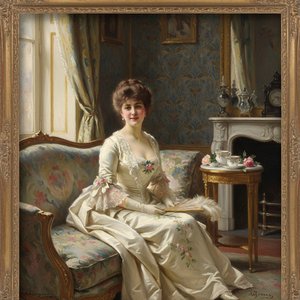
Alfred Stevens: Capturing Parisian Elegance & Fin-de-Siècle Intimacy
Discover the captivating world of Alfred Stevens, master of Parisian elegance & intimate portraiture. Explore his techniques, influences, and legacy – a prized collection for discerning art enthusiasts.

Romantic Realism's Finest: 10 Masterpieces for Your Home | OriginalUniqueArt
Explore 10 defining masterpieces of Romantic Realism! Discover Courbet, Millet & Daumier's powerful paintings—capturing emotion and social realities. Find museum-quality reproductions for your home at OriginalUniqueArt.com.
Топ 10 шедьовъра на реализма: Изкуство, което отразява живота (Репродукции за дома)
Разгледайте топ 10 шедьовъра на реализма – Курбе, Миле и други велики художници. Открийте историите зад картините и техниките им. Репродукции с музейно качество за вашия дом на OriginalUniqueArt.com