

 Преглед в реален мащаб
 Сподели
 Сподели
 Подробности
 Ръководство

 Изтегляне
 Подобни артикули
 Рентгенова снимка
 Слайдшоу
 Статистика
Boys Playing on the Shore
 Oil On Canvas
- WallArt
- Realism
 1884
1884 107.0 x 90.0 cm
 Ateneum Art Museum
 Разгърни целия текст
Жикле / Художествен принт
Giclée печат или принт върху платно с музейно качество, бързо производство и гъвкави опции за завършен вид. ( Поръчайте ръчно рисувано репродукция на този колекционерски предмет Превключване към дигитално изображение)




P118B €10

P118H €10

P118W €10

P438Z €10

P508JH €12

P508YH €12

P805H €10

P805Z €10

P919BZ €10

P919G €10

P919XJ €10

P959ZH €10

P968JZ €12

W106C €8

W218G €10

W218JH €8

W218Y €10

W307PJ €10

W316G €10

W316PJ €8

W316Y €10

W398PJ €8

W4111J €10

W500HY €15

W500JH €15

W692G €12

W849H €8

W940BG €15

W953PJ €8




Изберете от нашите предварително зададени размери, които съответстват на оригиналните пропорции на произведението.

Въведете необходимата ширина и височина, за да паснат на вашата рамка или стена. Принтовете могат само да се изрязват, но никога не могат да бъдат по-големи от оригиналната картина, така че при размер с различен формат част от изображението ще бъде загубена. Преди да започнем печат, ще ви изпратим дигитален мок업 за одобрение. Изображението, показано на тази страница, не показва реалното изрязване — само мок업ът го показва.
Доставка по целия свят () в рамките на 2 седмици вместо стандартните 4/5 седмици. (27 Октомври)

Безплатна експресна доставка по целия свят

Висококачествено ленено платно

Пълно застраховане на доставката

Гаранция за възстановяване на митнически такси

Гаранция за пълно съответствие на цветовете

Политика за връщане в рамките на 100 дни (само при дефекти)

100% Гаранция за връщане на сумата

Отстъпка при поръчка на повече произведения
 Опцията със стъкло е налична само за размери под 110 см

Boys Playing on the Shore
Жикле / Художествен принт
Размер на репродукцията
-


Крайна цена
€ 70
A Moment of Finnish Childhood: Albert Edelfelt’s “Boys Playing on the Shore”
Albert Edelfelt's "Boys Playing on the Shore," painted in 1884, isn’t merely a depiction of children at play; it’s a poignant distillation of Finnish summer days and the enduring innocence of youth. This oil painting, housed within the walls of Helsinki’s Ateneum art museum, captures a fleeting moment of carefree joy against the backdrop of a serene lakeside scene. More than just a pretty picture, “Boys Playing on the Shore” offers a glimpse into Edelfelt's artistic philosophy and his deep connection to the Finnish landscape.
The painting centers around three young boys engaged in a spirited game near the water’s edge. Their activity – constructing a rudimentary boat from driftwood – speaks volumes about their youthful imagination and resourcefulness. The figures are rendered with remarkable realism, yet imbued with an almost dreamlike quality. Edelfelt masterfully employs light and shadow to create depth and atmosphere, drawing the viewer into this intimate tableau. Notice how the sunlight glints off the water, illuminating the boys’ faces and highlighting the textures of their clothing and the rough bark of the shoreline rocks.
A Masterclass in Realism and Impressionistic Technique
Edelfelt's artistic journey led him through various movements, but he consistently blended academic precision with a sensitivity to light and atmosphere. “Boys Playing on the Shore” exemplifies this approach. The painting showcases his meticulous brushwork – each stroke carefully considered to capture the nuances of texture and form. He utilizes a muted color palette dominated by earthy tones—ochres, browns, greens, and blues—reflecting the natural hues of the Finnish landscape. However, he subtly incorporates brighter highlights to draw attention to key elements, such as the boys’ faces and the shimmering water.
The composition itself is carefully balanced, guiding the eye from the foreground figures towards the distant boats on the lake. This use of perspective creates a sense of depth and distance, anchoring the scene within its natural environment. Edelfelt's training in history painting is evident in his attention to detail and his ability to convey a sense of realism, yet he skillfully adapts these techniques to capture the immediacy and spontaneity of everyday life.
Historical Context and Finnish Identity
Painted during a period of growing national consciousness in Finland, “Boys Playing on the Shore” resonates with themes of Finnish identity and connection to the land. Edelfelt’s work often explored scenes of rural life and celebrated the beauty of the Finnish landscape – a subject he felt deeply connected to. Following his time in Paris, where he initially focused on historical painting, Edelfelt returned to Finland and began to embrace the Impressionistic style, capturing the essence of Finnish nature with remarkable accuracy and sensitivity.
The choice of a simple, everyday activity—building a boat—is significant. It represents a rejection of grand narratives and an appreciation for the beauty found in ordinary moments. This focus on accessible subjects and relatable experiences aligns with Edelfelt’s broader artistic vision, which sought to portray the lives and landscapes of his countrymen.
Symbolism and Emotional Resonance
Beyond its technical brilliance, “Boys Playing on the Shore” carries a powerful emotional resonance. The painting evokes feelings of nostalgia, innocence, and joy—a longing for simpler times. The boys’ unburdened play suggests a freedom from adult concerns, offering a momentary escape into a world of imagination and delight. It's a scene that speaks to the universal experience of childhood and the enduring power of memory.
Reproductions of this captivating artwork can bring a touch of Finnish charm and timeless beauty to any interior space. Whether displayed in a living room, study, or gallery, “Boys Playing on the Shore” serves as a reminder of the simple pleasures of life and the importance of cherishing those precious moments of childhood joy.
Въпроси и отговори
Коя стая съответства на цветовете на „Boys Playing on the Shore“ на Алберт Еделфелт?
Цветовете от Neutrals палитрата на „Boys Playing on the Shore“ на Алберт Еделфелт се гарнират с препоръчаното пространство: Living Room.
Какъв е емоционалният тон, който съпътства стила на Realism в „Boys Playing on the Shore“?
В рамките на движението Realism, „Boys Playing on the Shore“ е запечатвано с Nostalgic тон.
Как мога да прегледам репродукция на „Boys Playing on the Shore“ на Алберт Еделфелт?
Предварителен преглед на „Boys Playing on the Shore“ на Алберт Еделфелт е достъпен на страницата за преглед на произведението Предварителен преглед.
Биография на художника
Albert Edelfelt – Pioneer of Finnish Realism
Albert Gustaf Aristides Edelfelt (1854–1905) stands as one of Finland’s most celebrated artists, recognized for his unwavering commitment to realism and his profound ability to capture the spirit of his homeland through vivid depictions. Born in Porvoo, Sweden, on July 21st, 1854, Edelfelt descended from a Swedish-speaking aristocratic lineage – his father, Carl Albert Edelfelt, was an architect who had established himself in Finland since his youth, and his mother, Alexandra Edelfeldt née Brandt, possessed a keen interest in literature and art. Despite facing considerable financial hardships following his father’s untimely death, Alexandra steadfastly encouraged Edelfelt's artistic inclinations, enrolling him at the Drawing School of the Finnish Art Society in Helsinki where he honed his skills under Adolf von Becker’s guidance.- Early Artistic Influences: From a young age, Edelfelt demonstrated an innate talent for drawing and painting, nurtured by his mother's unwavering support. His fascination with art propelled him to pursue formal studies at the Drawing School of the Finnish Art Society in Helsinki and later at the Royal Academy of Fine Arts in Antwerp, Belgium.
- Antwerp Years – Mastering History Painting: In 1873-74, Edelfelt immersed himself in the study of history painting at Antwerp, absorbing the stylistic principles championed by Jean-Léon Gérôme. This formative period solidified his understanding of artistic technique and cemented his dedication to portraying historical narratives with meticulous detail.
- Parisian Breakthrough – Impressionism’s Embrace: Recognizing the dominant influence of Impressionism in Parisian art circles, Edelfelt relocated to Paris in 1874, seeking inspiration from fellow artists like Jules Bastien-Lepage. He embraced plein air painting—capturing landscapes and scenes directly from nature—a stylistic choice that would define his artistic output for years to come.
Notable Works – A Reflection of Finnish Identity
Edelfelt’s oeuvre is characterized by a remarkable sensitivity to the nuances of Finnish culture and landscape, reflecting his deep connection to his homeland. His paintings are not merely aesthetically pleasing; they serve as powerful visual records of Finland's history, traditions, and natural beauty. Among his most iconic creations are:- Portrait of Louis Pasteur (1886): This portrait exemplifies Edelfelt’s mastery of capturing the essence of his subject—Louis Pasteur—a renowned French biologist whose groundbreaking discoveries revolutionized scientific understanding.
- Young Woman in Her Boudoir (circa 1878): Executed with exquisite detail and imbued with a palpable sense of intimacy, this painting portrays a young woman in her private sanctuary, capturing the subtleties of feminine grace and emotion.
- Under the Birches (1883): This landscape masterpiece embodies Edelfelt’s signature style—a harmonious blend of realism and lyrical beauty—depicting a serene Finnish birch grove bathed in dappled sunlight. It is considered one of Finland's most beloved paintings.
- The Inauguration of Turku Academy (1896): Commissioned by the state to commemorate the founding of Turku University, Edelfelt’s monumental fresco showcases his artistic ambition and technical prowess—a testament to his enduring legacy as a Finnish artist.
Influence and Legacy – Shaping Finnish Art
Edelfelt's artistic vision profoundly impacted subsequent generations of Finnish painters, fostering a movement known as Finnish Realism. Artists like Akseli Gallen-Kallela and Gunnar Berndtson acknowledged Edelfelt’s influence, adopting his stylistic approach and exploring themes rooted in Finnish folklore and landscape. His unwavering dedication to portraying the natural world with honesty and sensitivity established him as a cornerstone of Finnish artistic heritage—a figure whose work continues to inspire admiration and scholarly study today.Museum Collections – Preserving Edelfelt's Artistic Heritage
Edelfelt’s paintings are proudly displayed in prominent museums across Finland, including Ateneum Museum in Helsinki, where visitors can immerse themselves in the splendor of his artistic achievements. The Ateneum houses a comprehensive collection of Edelfelt’s works—spanning portraits, landscapes, and genre scenes—providing invaluable insight into his creative process and artistic sensibilities. His legacy is commemorated through various initiatives, including a €100 commemorative coin issued in 2004 to celebrate his 150th birth anniversary – ensuring that Albert Edelfelt's contribution to Finnish art history remains vividly remembered for years to come.
Алберт Еделфелт
1854 - 1905 , Финландия
Бързи факти
- Artistic Movement Or Style: Realist
- Artists Or Movements Influenced By This Artist: ['Akseli Gallen-Kallela']
- Artists Who Influenced This Artist: ['Jean-Léon Gérôme']
- Date Of Birth: July 21, 1854
- Date Of Death: August 18, 1905
- Full Name: Albert Gustaf Aristides Edelfelt
- Nationality: Finnish
- Notable Artworks:
- Portrait of Louis Pasteur
- Young woman in her boudoir
- Under the birches
- Place Of Birth: Porvoo, Finland
Свързани статии

Oil on Canvas: A Historical & Technical Exploration of a Timeless Artistic Medium
Explore the rich history & enduring techniques of oil painting on canvas. Discover the science behind its longevity, conservation practices, and contemporary relevance. Expert insights for art enthusiasts.

The Enduring Power of Painting: A Historical & Contemporary Exploration of Form and Emotion
Explore the rich history & enduring techniques of oil painting with OriginalUniqueArt. Discover masterpieces, learn about art collecting, and find authentic handmade reproductions crafted by skilled artists.

Маслената живопис: Техника, история и величието на изкуството
Разгледайте историята и техниките на маслената живопис! От Ренесанса до съвремието – експертен анализ, съвети за колекционери и всичко, което трябва да знаете за този велик вид изкуство.

The Enduring Legacy of Oil on Canvas: Technique, History & Aesthetic Impact
Explore the rich history & techniques of oil painting – from Renaissance masters to Impressionism. Discover pigments, layering methods, and why this timeless medium endures. Expert insights for artists & art enthusiasts.
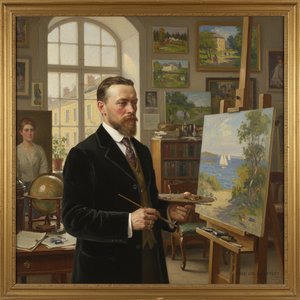
Albert Edelfelt: A Pioneer of Finnish Realism & International Impressionist Circles
Explore the life & work of Albert Edelfelt, a pioneering Finnish Realist painter who bridged Impressionism & national identity. Discover his masterpieces and lasting influence on art history.
