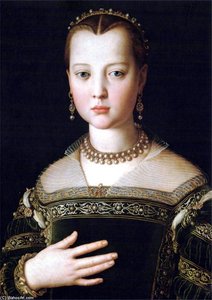
Преглед в реален мащаб
 Сподели
 Сподели
 Подробности
 Ръководство

 Изтегляне
 Подобни артикули
 Рентгенова снимка
 Слайдшоу
 Статистика
Deposition
 Oil On Canvas
- WallArt
- Mannerist Elegance
 1565
1565 350.0 x 235.0 cm
 Галерия на Академията във Флоренция
 Разгърни целия текст
Ръчно изработена маслена репродукция
Ръчно рисувана маслена картина върху платно във вашия размер и рамка, изработена по поръчка от нашите художници. ( Избор на принт Превключване към дигитално изображение)




P118B €10

P118H €10

P118W €10

P438Z €10

P508JH €12

P508YH €12

P805H €10

P805Z €10

P919BZ €10

P919G €10

P919XJ €10

P959ZH €10

P968JZ €12

W106C €8

W218G €10

W218JH €8

W218Y €10

W307PJ €10

W316G €10

W316PJ €8

W316Y €10

W398PJ €8

W4111J €10

W500HY €15

W500JH €15

W692G €12

W849H €8

W940BG €15

W953PJ €8




Изберете от нашите предварително зададени размери, които съответстват на оригиналните пропорции на произведението.

Въведете необходимата ширина и височина, за да паснат на вашата рамка или стена. Тъй като това е ръчна работа, при избор на размер с различен формат, художникът може да нарисува малко повече около картината или да отреже малко от периферията — вие избирате. Преди да започне рисуването, ще ви изпратим дигитален мок업 за одобрение. Картината, показана на тази страница, не е реалният резултат — само мок업ът го показва.
След получаване на поръчка, екипът на OriginalUniqueArt.com ще изпрати имейл до клиента с инструкции и ще предостави примерен макет за преглед.
Доставка по целия свят () в рамките на 3-4 седмици вместо стандартните 5 седмици. (23 Октомври). Без компромис с качеството.

Безплатна експресна доставка по целия свят

Висококачествено ленено платно

Пълно застраховане на доставката

Гаранция за възстановяване на митнически такси

Гаранция за пълно съответствие на цветовете

Политика за връщане в рамките на 100 дни (само при дефекти)

100% Гаранция за връщане на сумата

Отстъпка при поръчка на повече произведения
 Опцията със стъкло е налична само за размери под 110 см

Deposition
Техника на репродукция
Размер на репродукцията
-


Крайна цена
€ 264
Agnolo Bronzino’s “Deposition”: A Study in Reserved Elegance
“Deposition,” painted in 1565 by the Florentine master Agnolo Bronzino, is not merely a religious scene; it's a meticulously crafted tableau of restrained emotion and profound psychological depth. Commissioned for the Observant Monastery in Cosmopoli, this work transcends simple narrative to become a meditation on grief, loss, and the delicate balance between earthly sorrow and divine grace. Bronzino, renowned for his “reserved elegance,” achieved this through an almost unnervingly controlled composition, favoring subtle gestures and averted gazes over overt displays of feeling – a hallmark of the Mannerist style that defined his career.
The scene depicts the immediate aftermath of Christ’s removal from the cross. Mary Magdalene, rendered with exquisite detail in her flowing robes, gently lowers the lifeless body of Jesus into the arms of Nicodemus, a figure identified by his distinctive cloak and posture. The figures surrounding them are not presented as dramatically distraught but rather as individuals caught in a moment of quiet contemplation. Note the careful positioning – some stand closer to Christ, their faces turned towards him in sorrowful reverence, while others remain further back, observing from a distance, creating a sense of layered grief and shared humanity. The inclusion of several other figures—including John the Evangelist, Joseph of Arimathea, and even a young soldier in green – adds to the scene’s complexity, suggesting a community united in mourning.
Mannerism and Bronzino's Signature Style
Bronzino’s mastery lies not in dramatic brushstrokes or vibrant color palettes, but in his precise rendering of form and texture. Executed primarily in oil on panel, the painting showcases his signature technique: a cool, polished surface achieved through painstaking layering of thin glazes. This creates an almost sculptural effect, emphasizing the smooth contours of the figures’ bodies and clothing. The dark background serves to heighten the luminosity of the subjects, drawing the viewer's eye directly to their faces – each subtly conveying a complex range of emotions without resorting to overt expressions.
The composition itself is deliberately static, reflecting the principles of Mannerism. Figures are arranged in carefully calculated poses, often with elongated limbs and stylized gestures. This deliberate artificiality contrasts sharply with the more naturalistic depictions favored by earlier Renaissance artists like Leonardo da Vinci and Raphael. Bronzino’s approach prioritized intellectual elegance over emotional immediacy, creating a work that demands careful observation and interpretation.
Symbolism and Context
Beyond its religious subject matter, “Deposition” is rich in symbolic detail. The presence of Nicodemus, a figure often associated with wisdom and knowledge, suggests the importance of intellectual understanding in confronting grief. The young soldier’s green cloak, a symbol of Roman authority, subtly references the sacrifice of Christ within the context of imperial power. The careful arrangement of hands—Mary Magdalene's gently cradling Jesus’ head, Nicodemus’ supporting his body—underscores the profound tenderness and respect with which he is being received.
Painted during a period of political instability in Florence – the Medici family’s grip on power was increasingly challenged – “Deposition” can be interpreted as a subtle commentary on mortality and the fragility of human existence. Bronzino, serving as court painter to Cosimo I de' Medici, skillfully navigated the complexities of patronage while maintaining his artistic independence, producing works that were both aesthetically refined and subtly imbued with intellectual and emotional resonance. The painting’s placement in a monastery underscores its intended purpose: a visual meditation on faith, loss, and the enduring power of compassion.
A Reproduction for Your Space
OriginalUniqueArt offers meticulously hand-painted reproductions of Agnolo Bronzino's “Deposition,” capturing the artist’s signature style with exceptional fidelity. Each reproduction is created using traditional techniques and archival-quality materials, ensuring that it will retain its beauty and vibrancy for generations to come. Whether you are a collector of Renaissance art, an admirer of Mannerist elegance, or simply seeking a piece that evokes a sense of quiet contemplation, this reproduction offers a stunning tribute to one of Florence’s most influential artists. Consider how the painting's cool palette and restrained emotion can complement your interior design scheme – creating a space of serene beauty and intellectual depth.
Въпроси и отговори
Присъства ли „Deposition“ на Бронзино сред търсените произведения на Mannerist Elegance?
В рамките на движението Mannerist Elegance, произведението „Deposition“ има Iconic ниво на популярност.
Към кой период от кариерата на Бронзино принадлежи „Deposition“?
„Deposition“ принадлежи към Late Mannerism от кариерата на Бронзино. Тази класификация свързва творбата с развитието на художника.
Каква интензивност на цветовете притежава „Deposition“ на Бронзино?
„Deposition“ на Бронзино демонстрира Balanced интензивност на цветовете.
Биография на художника
Agnolo Bronzino: The Silent Elegance of Florentine Mannerism
Agnolo di Cosimo, known to history as Bronzino, emerged from the vibrant artistic landscape of Renaissance Florence in 1503, a period already brimming with genius. Born the son of a butcher, his path diverged sharply from familial trade, guided instead by an innate talent that would see him become one of the most sought-after portraitists of his era and a defining figure of Mannerism. His early training began with Raffaellino del Garbo, but it was under the tutelage of Jacopo da Pontormo that Bronzino’s artistic sensibilities truly took shape. While absorbing Pontormo's innovative style—characterized by expressive distortions and unsettling perspectives—he ultimately forged his own distinct voice—one characterized by a cool composure and refined detail markedly different from his teacher’s often emotionally charged works. This early period was also influenced by studies with Andrea del Sarto, exposing him to the legacies of Michelangelo and Leonardo da Vinci, foundational influences that would subtly permeate his mature style. The young Bronzino quickly demonstrated an aptitude for capturing not just physical likeness but a certain psychological depth, even in his earliest commissions.Early Influences and Artistic Formation
Bronzino’s formative years were marked by exposure to the artistic currents of Florence under Pontormo's guidance. Pontormo’s distinctive style—a deliberate departure from classical ideals—challenged conventional notions of beauty and realism. Bronzino skillfully adapted Pontormo’s expressive distortions, incorporating them into his own compositions with remarkable subtlety. Simultaneously, he absorbed lessons from Andrea del Sarto, mastering the techniques of sfumato and chiaroscuro—methods pioneered by Leonardo da Vinci—which would become hallmarks of his later work. These influences instilled in Bronzino a profound appreciation for intellectual rigor alongside artistic virtuosity. His early portraits reveal an uncanny ability to convey inner states through carefully crafted poses and expressions, demonstrating a sensitivity that transcended mere visual representation. Vasari famously described Bronzino as “a boy who had been apprenticed to Pontormo,” highlighting the pivotal role played by his teacher in shaping his artistic vision.The Medici Patronage and Florentine Court Style
Bronzino’s career ascended dramatically with the patronage of Cosimo I de’ Medici, Duke of Tuscany. Recognizing Bronzino's exceptional talent, Cosimo appointed him as the official court painter—a position he held until his death in 1572—solidifying his influence on Florentine art and culture. This relationship fostered a flourishing artistic environment where Bronzino could hone his skills and explore innovative stylistic approaches. The portraits emanating from this period are not merely likenesses; they are meticulously constructed statements of power, status, and dynastic ambition. Cosimo and Eleonora di Toledo—his wife—became frequent subjects, immortalized in paintings that exude an aristocratic aloofness and polished elegance. These works weren’t simply about capturing physical resemblance but crafting enduring symbols of Medici authority—a deliberate effort to project an image of regal grandeur and intellectual refinement. The commissioning of monumental frescoes for the Villa Imperiale further cemented Bronzino's reputation as a master craftsman, demonstrating his ability to execute ambitious projects with unwavering precision.The Mannerist Aesthetic: Cool Composure and Stylized Form
Bronzino’s artistic style is quintessentially Mannerist—a movement that emerged in Florence during the mid-16th century as a reaction against the High Renaissance's emphasis on naturalism and harmonious balance. Unlike his predecessors, Bronzino rejected the idealized beauty of classical art, favoring instead a deliberately stylized aesthetic characterized by elongated figures, attenuated drapery, and subtle distortions of perspective. This approach—often described as “frozen emotion”—contrasted sharply with the expressive dynamism of Renaissance painting. Bronzino’s figures are rarely caught in moments of spontaneous action; rather, they appear posed with an almost sculptural stillness—a deliberate departure from the naturalistic conventions of earlier artists. His masterful use of sfumato—the blurring of contours to create a hazy effect—and chiaroscuro—the dramatic interplay of light and shadow—further enhanced this sense of detachment and refinement. As exemplified in *Venus, Cupid, Folly and Time*, Bronzino’s paintings are imbued with complex symbolism—a deliberate effort to convey intellectual ideas alongside visual beauty. He skillfully manipulated color palettes—often favoring muted tones—to achieve a harmonious balance between elegance and restraint.Legacy and Enduring Influence
Bronzino's contribution to Florentine art history is undeniable, shaping the visual language of aristocratic representation for decades to come. His meticulous technique and stylistic innovation established him as one of the foremost Mannerist painters—a master of cool composure and refined detail whose portraits continue to captivate audiences today. Despite criticisms leveled against Mannerism during the Romantic era—characterized by a preference for emotional expression—Bronzino’s work has experienced a resurgence in appreciation in recent decades, scholars recognizing the intellectual depth and stylistic sophistication inherent in his art. His legacy extends beyond individual masterpieces; he profoundly influenced subsequent generations of artists, establishing standards of excellence that continue to inspire creativity. Bronzino's enduring influence is evident not only in the stylistic conventions of portraiture but also in his pioneering role as a court painter—a position that demanded both artistic virtuosity and diplomatic sensitivity. He remains a testament to the power of art to convey complex ideas and emotions with unparalleled elegance and precision.
Бронзино
1503 - 1572 , Италия
Бързи факти
- Artistic Movement Or Style: Мannerism
- Artists Who Influenced This Artist:
- Якопо да Понтормо
- Микеланджело
- Леонардо да Винчи
- Date Of Birth: 17 ноември 1503 г.
- Date Of Death: 23 ноември 1572 г.
- Full Name: Agnolo di Cosimo
- Nationality: Италиански
- Notable Artworks:
- Венера, Купидон и Времето
- Портрети на Козимо I де' Медичи и Елеонора ди Толедо
- Place Of Birth: Флоренция, Италия
Свързани статии
Agnolo Bronzino: Mastering Courtly Portraiture & the Enigmatic Gaze of Renaissance Florence
Explore the captivating world of Agnolo Bronzino, Renaissance master portraitist. Discover his elegant style, symbolic depth & lasting influence on art history. Expert insights for collectors.
Топ 25 шедьовъра от Галерия Уфици: Ренесансово величие за вашия дом
Открийте 25 шедьовъра от Галерия Уфици, Флоренция! Ренесансови картини на Леонардо да Винчи, Ботичели и Рафаел. Вдъхновете се за вашия дом с висококачествени репродукции на OriginalUniqueArt.com.
Топ 25 шедьовъра на Fra Angelico: Ренесансово изкуство за вашия дом | OriginalUniqueArt.com
Открийте 25 шедьовъра на Fra Angelico – символ на Ренесанса и духовната живопис. Разгледайте историите зад неговите картини, фрески и икони. Купете висококачествени репродукции за вашия дом в OriginalUniqueArt.com!

Mannerism: Bridging Renaissance Harmony & Baroque Drama – A Study of Style & Affectation
Explore the fascinating world of Mannerism! Discover its key characteristics, pioneering artists like Pontormo & Bronzino, and its pivotal role in bridging Renaissance harmony to Baroque drama. A comprehensive guide for art enthusiasts.
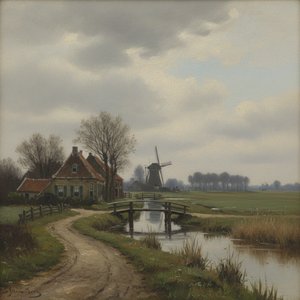
Jacob Henricus Maris: A Master of Dutch Atmospheric Realism & the Intimate Landscape
Explore the captivating world of Jacob Henricus Maris, a leading figure of the Dutch Hague School. Discover his atmospheric landscapes, signature brushstrokes & lasting influence on 19th-century art. Learn more at OriginalUniqueArt.