بورتريه لـ Gerard van Spaendonck

لوحات Gerard van Spaendonck: أشهر 17 لوحة، بعيون معرض فني

تحديث أكتوبر 2026 · مُرتبة حسب مؤشر شعبيتنا (عمليات البحث، والزيارات، والطلبات لكل عمل فني) · 18 أعمال لـ Gerard van Spaendonck في كتالوجنا

باختصار

من وجهة نظر المعرض، فإن أشهر لوحة للفنان Gerard van Spaendonck هي Miniature still life with flowers in a stone vase on a carved pedestal, with a basket of flowers and a nest. Grapes with Insects on a Marble Top (1791) و Flower Still-life with an Alabaster Vase (1783) يكملان الثلاثية التي تدركها كل عين. من بين 18 من أعمال Gerard van Spaendonck في كتالوجنا، يعرض المعرض أدناه 17 من أشهرها، كل منها عمل أصلي مع سنة إنتاجه، والمتحف الذي يضمها، وما يجعلها فريدة من نوعها.

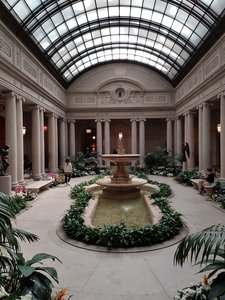
1746 – 1822, Tilburg Rococo أكبر مجموعة أعمال: مجموعة فريك

أفضل 10 لوحات لـ Gerard van Spaendonck في المعرض

2
Grapes with Insects on a Marble Top (1791) للفنان Gerard van Spaendonck

Grapes with Insects on a Marble Top

1791 · Oil · مجموعة فريك, مدينة نيويورك

To gaze upon Gerard van Spaendonck's "Grapes with Insects on a Marble Top" is to step into a moment suspended between lush abundance and the quiet drama of natural life. This exquisite still life, dating from 1791, transcends a mere depiction of fruit; it is a vibrant meditation on the cycle of growth, decay, and enduring beauty. The composition immediately draws the eye to the generous clusters of grapes, rendered…

3
Flower Still-life with an Alabaster Vase (1783) للفنان Gerard van Spaendonck

Flower Still-life with an Alabaster Vase

1783 · Oil On Canvas · Rijksmuseum, أمستردام

Flower Still-life with an Alabaster Vase is a notable oil on canvas by Gerard van Spaendonck. Created in 1783, this work is also recognized by the title Still Life of Flowers and Alabaster Vase. The artist, Gerard van Spaendonck, was a figure of significant standing in the Parisian art world, having been appointed as a miniature painter at the court of Louis XVI. His ability to render botanical forms with…

لوحات Gerard van Spaendonck، مرتبة من 11 إلى 17

المواضيع التي استأثرت باهتمام Gerard van Spaendonck

المواضيع الأربعة التي تتكرر باستمرار في هذه الأعمال الأصلية، مع تقديم أروع مثال لكل منها.

المتاحف التي تحتفظ بالأعمال الأصلية لـ Gerard van Spaendonck

المتاحف الـ 7 التي تضم أكبر عدد من اللوحات الموجودة في هذه الصفحة.

المتحف المدينة أعمال Gerard van Spaendonck لوحات من هذه القائمة
مجموعة فريك, مدينة نيويوركمجموعة فريك مدينة نيويورك 1 Grapes with Insects on a Marble Top
Rijksmuseum, أمستردامRijksmuseum أمستردام 1 Flower Still-life with an Alabaster Vase
Noordbrabants Museum, 'س-هيرتوغينبوشNoordbrabants Museum 'س-هيرتوغينبوش 1 Des fleurs dans un vase en albâtre avec des fruits posés sur un plateau en marbre
Het Prinsenhof, DelftHet Prinsenhof Delft 1 Still Life with Fruit
Bowes Museum, بارنارد كاسلBowes Museum بارنارد كاسل 1 Flowers And Fruit
Fitzwilliam MuseumFitzwilliam Museum 1 A Vase Of Flowers
Ashmolean Museum, أكسفوردAshmolean Museum أكسفورد 1 Vase of Flowers

Gerard van Spaendonck، لوحة أيقونية واحدة لكل عقد

الأعمال حسب العقد

اختر عقداً لتشاهد العمل الأصلي الذي يجسده.

لوحات Gerard van Spaendonck: إجابات المعرض

ما هي اللوحة الأكثر شهرة لـ Gerard van Spaendonck على الإطلاق؟اكتشف الإجابة

Miniature still life with flowers in a stone vase on a carved pedestal, with a basket of flowers and a nest. يليه Grapes with Insects on a Marble Top (1791) و Flower Still-life with an Alabaster Vase (1783).

ما هي أفضل 10 لوحات لـ Gerard van Spaendonck؟اكتشف الإجابة

Miniature still life with flowers in a stone vase on a carved pedestal, with a basket of flowers and a nest, Grapes with Insects on a Marble Top, Flower Still-life with an Alabaster Vase, Still-life With Flowers And Insects On Marble Plinth, Des fleurs dans un vase en albâtre avec des fruits posés sur un plateau en marbre, Still Life with Fruit, Tulip gardens, Flowers And Fruit, Bouquet و A Vase Of Flowers. يوضح التصنيف أعلاه سنة كل لوحة والمتحف التابعة له.

كم عدد الأعمال التي أبدعها Gerard van Spaendonck؟اكتشف الإجابة

يضم كتالوجنا 18 من أعمال Gerard van Spaendonck، التي يعود تاريخها من 1781 إلى 1820.

أين تُعرض أشهر الأعمال الأصلية لـ Gerard van Spaendonck؟اكتشف الإجابة

توجد غالبيتها في مجموعة فريك (مدينة نيويورك), Rijksmuseum (أمستردام) و Noordbrabants Museum ('س-هيرتوغينبوش). يدرج جدول المتاحف أعلاه جميعها.

متى أبدع Gerard van Spaendonck أشهر لوحاته؟اكتشف الإجابة

في 1780s: تم إنجاز 2 من أصل 17 من الأعمال في هذه الصفحة خلال تلك الفترة، من بينها Flower Still-life with an Alabaster Vase.

ما هي أشهر أعمال Gerard van Spaendonck المبكرة والأخيرة؟اكتشف الإجابة

في هذه الصفحة، أقدم الأعمال يعود إلى Des fleurs dans un vase en albâtre avec des fruits posés sur un plateau en marbre (1781) وأحدثها يعود إلى Still Life with Fruit (1820).

ما هي المواضيع التي عاد إليها Gerard van Spaendonck أكثر من غيرها؟اكتشف الإجابة

Flowers (11), Vase (4) و Life (4)، عبر 17 من الأعمال في هذه الصفحة.

ما هو الوسيط الفني الذي استخدمه Gerard van Spaendonck بشكل أكبر؟اكتشف الإجابة

Oil، لـ 2 من أصل 17 من الأعمال في هذه الصفحة.

ما هي المدرسة الفنية التي ينتمي إليها Gerard van Spaendonck؟اكتشف الإجابة

Rococo، بناءً على الأعمال الأصلية في هذه الصفحة.

Gerard van Spaendonck: الفنان

Gerard van Spaendonck: A Life in Bloom

Early Life and Education

  • Born: 1746 in Tilburg, Netherlands.
  • Van Spaendonck came from an artistic family; his younger brother, Cornelis van Spaendonck, also became a successful painter.
  • In the 1760s, he began his formal training with decorative painter Willem Jacob Herreyns (also known as Guillaume-Jacques Herreyns) in Antwerp. This early exposure shaped his meticulous attention to detail and refined technique.

Move to Paris and Royal Appointment

  • In 1769, Van Spaendonck relocated to Paris, a pivotal move that launched his international career.
  • 1774: He was appointed as a miniature painter at the court of Louis XVI, marking a significant step in his recognition and patronage.
  • This position allowed him access to aristocratic circles and further refined his skills in delicate floral depictions.

Professor at Jardin des Plantes & Académie Membership

  • 1780: Van Spaendonck succeeded Madeleine Françoise Basseporte as professor of floral painting at the prestigious Jardin des Plantes.
  • Shortly after, he was elected a member of the Académie des Beaux-Arts, solidifying his status within the French art establishment.
  • He became an influential teacher, mentoring notable artists like Pierre-Joseph Redouté and Henriette Vincent.

Artistic Style & Major Works

  • Van Spaendonck excelled in both oil painting and watercolor techniques.
  • He contributed over fifty works to Les Vélins du Roi, a renowned collection of botanical watercolors commissioned by the French royal family. These pieces demonstrate his exceptional skill in capturing the nuances of floral forms.
  • Fleurs Dessinees d'apres Nature (Flowers Drawn from Life): Published between 1799 and 1801, this series of twenty-four engraved plates served as a valuable resource for students of floral painting. It remains a highly treasured book on the subject today.
  • His paintings often feature intricate details of flowers alongside insects, adding another layer of naturalism to his compositions.

Recognition and Legacy

  • 1788: Appointed as an advisor to the Académie.
  • 1795: Became a founding member of the Institut de France.
  • 1804: Received the Légion d'honneur and was ennobled by Napoleon Bonaparte, acknowledging his contributions to French art and culture.
  • Van Spaendonck died in Paris in 1822 and is buried in Père Lachaise Cemetery.
  • Historical Significance: Gerard van Spaendonck’s meticulous botanical illustrations and refined floral paintings played a crucial role in the development of botanical art. His work bridged the gap between scientific accuracy and artistic beauty, influencing generations of artists and botanists alike.