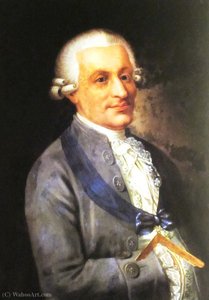
بورتريه لـ Georg David Matthieu

أشهر 19 لوحات لـ Georg David Matthieu، كل واحدة منها فريدة من نوعها

تحديث أكتوبر 2026 · مُرتبة حسب مؤشر شعبيتنا (عمليات البحث، والزيارات، والطلبات لكل عمل فني) · 21 أعمال لـ Georg David Matthieu في كتالوجنا

باختصار

تُعد Portrait of Charlotte of Mecklenburg-Strelitz (1762) اللوحة الأكثر جذباً للأنظار للفنان Georg David Matthieu؛ والنسخة الأصلية محفوظة في National Portrait Gallery of Sweden، سترينغنيس. بعد ذلك، تتجه العين إلى Joachim Ulrich Giese (1762) و Portrait of a man in armour. من بين 21 من أعمال Georg David Matthieu في كتالوجنا، تُعد هذه 19 الأعمال هي الأكثر شهرة، حيث تُعرض كل واحدة منها كعمل أصلي فريد مع سنة إنتاجها، والمتحف الذي تضمّه، والسبب وراء خلودها.

1737 – 1778, Berlin Rococo أكبر مجموعة أعمال: Staatliche Museen zu Berlin

أفضل 10 لوحات لـ Georg David Matthieu، بعيون المعرض

1
Portrait of Charlotte of Mecklenburg-Strelitz (1762) للفنان Georg David Matthieu

Portrait of Charlotte of Mecklenburg-Strelitz

1762 · Oil On Canvas · National Portrait Gallery of Sweden, سترينغنيس

In this 1762 oil on canvas, Georg David Matthieu presents a formal portrait of Charlotte of Mecklenburg-Strelitz. The subject, known as Queen Charlotta or Sofia Charlotta, held the titles of Princess of Mecklenburg-Strelitz and Queen of England. Matthieu, a German painter who served as a court painter, captures her presence with a focus on the dignity inherent to her station. The work is signed GD, Matthieu.

2
Joachim Ulrich Giese (1762) للفنان Georg David Matthieu

Joachim Ulrich Giese

1762 · Oil On Canvas · Staatliche Museen zu Berlin, برلين

To gaze upon this portrait of Joachim Ulrich Giese is to step directly into the gilded salons of 18th-century Berlin. Painted in 1762 by Georg David Matthieu, the work transcends a mere likeness; it is a carefully constructed tableau of intellectual refinement and aristocratic grace. The very air surrounding the subject seems imbued with the delicate exuberance characteristic of the Rococo period. Everything about the composition whispers of an era…

5
The Wife of Joachim Ulrich Giese (1762) للفنان Georg David Matthieu

The Wife of Joachim Ulrich Giese

1762 · Oil On Canvas · Staatliche Museen zu Berlin, برلين

Georg David Matthieu’s “The Wife of Joachim Ulrich Giese,” painted in 1762, is more than just a portrait; it's a meticulously crafted tableau of Rococo elegance and subtle psychological depth. Created during the height of Matthieu’s career – a period marked by his association with influential figures like Jakob Philipp Hackert and his service as court painter for the Duke of Mecklenburg – this work offers a captivating glimpse into…

لوحات Georg David Matthieu الشهيرة، من رقم 11 إلى 19

المواضيع التي استأثرت باهتمام Georg David Matthieu

المواضيع الأربعة التي تتكرر باستمرار في هذه الأعمال الأصلية، مع تقديم أروع مثال لكل منها.

المتاحف التي تحتفظ بالأعمال الأصلية لـ Georg David Matthieu

المتاحف الـ 3 التي تضم أكبر عدد من اللوحات الموجودة في هذه الصفحة.

المتحف المدينة أعمال Georg David Matthieu لوحات من هذه القائمة
Staatliche Museen zu Berlin, برلينStaatliche Museen zu Berlin برلين 2 Joachim Ulrich Giese, The Wife of Joachim Ulrich Giese
National Portrait Gallery of Sweden, سترينغنيسNational Portrait Gallery of Sweden سترينغنيس 1 Portrait of Charlotte of Mecklenburg-Strelitz
المتحف الوطني في وارسو, وارسوالمتحف الوطني في وارسو وارسو 1 Portrait of a man in armour

Georg David Matthieu عبر السنين: الأعمال الأصلية الفريدة لكل منها

جميع الأعمال الأصلية للفنان Georg David Matthieu والمؤرخة هنا تنتمي إلى عام واحد، وهو 1762؛ وهي معروضة حسب ترتيب شهرتها.

الأعمال حسب السنة

اختر سنة لعرض أعمالها الأصلية.

لوحات Georg David Matthieu: أسئلة حول المعرض

ما هو العمل الأكثر شهرة لـ Georg David Matthieu؟اكتشف الإجابة

Portrait of Charlotte of Mecklenburg-Strelitz (1762)، National Portrait Gallery of Sweden, سترينغنيس. ويليها Joachim Ulrich Giese (1762) وPortrait of a man in armour.

في أي عمر أبدع Georg David Matthieu عمل Portrait of Charlotte of Mecklenburg-Strelitz؟اكتشف الإجابة

عمر 25 عاماً: يعود تاريخ Portrait of Charlotte of Mecklenburg-Strelitz إلى 1762، وقد وُلد Georg David Matthieu في 1737.

ما هي أشهر عشر لوحات للفنان Georg David Matthieu؟اكتشف الإجابة

Portrait of Charlotte of Mecklenburg-Strelitz, Joachim Ulrich Giese, Portrait of a man in armour, Portrait of Amelie of Mecklenburg-Schwerin, The Wife of Joachim Ulrich Giese, Friedrich der Fromme, Portrait of Grand-duke Friedrich Franz I of Mecklenburg-Schwerin and his tutor, Portrait of duchess Ulrike Sophie of Mecklenburg, Louise Friderike of Württemberg و Portrait johann carl dähnert. يوضح التصنيف أعلاه سنة كل لوحة والمتحف التابعة له.

كم عدد الأعمال المعروفة لـ Georg David Matthieu؟اكتشف الإجابة

يضم دليلنا 21 من أعمال Georg David Matthieu.

أين يمكن مشاهدة الأعمال الأصلية الأكثر شهرة لـ Georg David Matthieu؟اكتشف الإجابة

توجد غالبيتها في Staatliche Museen zu Berlin (برلين), National Portrait Gallery of Sweden (سترينغنيس) و المتحف الوطني في وارسو (وارسو). يدرج جدول المتاحف أعلاه جميعها.

في أي فترة زمنية أبدع Georg David Matthieu أشهر لوحاته؟اكتشف الإجابة

في 1762: تم إنجاز 3 من أصل 19 من الأعمال في هذه الصفحة خلال تلك الفترة، من بينها Portrait of Charlotte of Mecklenburg-Strelitz.

ما هي الموضوعات التي كان Georg David Matthieu يفضلها؟اكتشف الإجابة

Portraits (6), Royalty (4) و Woman (2)، عبر 19 من الأعمال في هذه الصفحة.

ما هي المواد التي استخدمها Georg David Matthieu في الرسم أكثر من غيرها؟اكتشف الإجابة

Oil On Canvas، لـ 3 من أصل 19 من الأعمال في هذه الصفحة.

إلى أي مدرسة فنية ينتمي عمل Georg David Matthieu؟اكتشف الإجابة

Rococo، بناءً على الأعمال الأصلية في هذه الصفحة.

ما هي الأعمال الأصلية لـ Georg David Matthieu التي يمكنني رؤيتها في Staatliche Museen zu Berlin؟اكتشف الإجابة

Joachim Ulrich Giese و The Wife of Joachim Ulrich Giese: يضم Staatliche Museen zu Berlin, برلين 2 من الأعمال المعروضة في هذه الصفحة.

Georg David Matthieu: صورة شخصية للفنان

A Lineage of Courtly Brushes

Berlin, 1737. The air in the studio of David Matthieu carries the scent of oil and pigment, a workspace where Georg David Matthieu begins his life within a family of established artists. He does not merely observe the craft; he breathes it through a lineage that connects him to the Prussian court. His father, David, holds the position of court painter in Prussia, providing a foundation of technical rigor. This connection extends through his stepmother, Anna Rosina, linking Georg to the influential Georg Lisiewski and the talented Anna Dorothea Therbusch.

The training is intimate and rigorous. He learns the precision required for engraving and the delicate touch needed for portraiture under his father's direct gaze. This early immersion in the mechanics of light and shadow prepares him for a life defined by the demands of the aristocracy. His path is not one of solitary wandering but of professional continuity, moving through the established circles of German and Swedish nobility.

The Mecklenburg Appointment

A shift occurs in 1764. Following his work on a portrait of Queen Sophie Charlotte, Georg David Matthieu secures a position that alters his social and professional standing: court painter to the Duke of Mecklenburg-Schwerin. He moves into an apartment within the newly built Ludwigslust Palace. The transition from a student of the Prussian tradition to a resident of the ducal court brings a new set of responsibilities and a specific aesthetic demand.

Life at the court follows a strict hierarchy. As a painter ranked 20th out of 24, his existence is governed by the system established by Duke Friedrich William. His compensation is fixed—250 Reichstalers annually, supplemented by free food and housing for his family. He spends his days documenting the ducal family and their relatives, capturing the physical presence of the Mecklenburg-Schwerin line. The work is constant. He is on call, tasked with projecting the dignity of the house through the Rococo style.

Technique and the Rococo Eye

The portraits produced during this period focus on the material reality of the 18th-century elite. In works such as the portrait of Joachim Ulrich Giese, the emphasis lies on texture and social signifiers. A red velvet coat is rendered with a weight that contrasts against white lace cuffs. The light does not merely illuminate; it sculpts figures from the surrounding darkness, providing a sense of three-dimensionality to the subjects.

Matthieu utilizes specific elements to communicate status:

  • The inclusion of books and maps to suggest intellectual pursuit and territorial dominion.
  • Detailed renderings of silk, lace, and embroidery to signal wealth.
  • Careful compositions involving plush couches, vases, and fine papers to establish an opulent interior setting.

His friendship with Jakob Philipp Hackert likely brings broader European influences into his practice, particularly through shared study trips to Italy. This exposure refines his ability to handle color schemes and the delicate exuberance of the Rococo period. Even in smaller works, such as his drawings in black and red chalk or blue pastel, the precision of his hand remains evident. He dies in 1778, leaving behind a body of work that remains housed in the collections of the Staatliches Museum Schwerin, the Gemäldegalerie Berlin, and The Metropolitan Museum of Art.