بورتريه لـ Robert L Alexander

أشهر 21 لوحات لـ Robert L Alexander، مختارات من المعرض

تحديث نوفمبر 2026 · مُرتبة حسب مؤشر شعبيتنا (عمليات البحث، والزيارات، والطلبات لكل عمل فني) · 27 من أعمال Robert L Alexander في كتالوجنا

باختصار

من بين جميع الأعمال الأصلية التي تركها Robert L Alexander، تُعد A Tangier Gateway (1887) هي الأكثر شهرة. تأتي بعدهما مباشرة كل من The Happy Mother (1887) و Wat and Wearie (1886). يضم كتالوجنا 27 من أعمال Robert L Alexander؛ حيث احتفظ المعرض بـ 21 من أكثر الأعمال التي يعجب بها العالم، مع عرض كل منها مع تاريخها ومتحفها وقصتها.

1840 – 1923 أكبر مجموعة أعمال: المعرض الوطني الاسكتلندي

أفضل 10 لوحات لـ Robert L Alexander: مختارات المعرض

1
A Tangier Gateway (1887) للفنان Robert L Alexander

A Tangier Gateway

1887 · Oil

The sun hangs high over a stone archway in Tangier, casting a soft light that filters through the opening to reveal a slice of brilliant blue sky. Within this frame, a man moves with a quiet, practiced rhythm, guiding two donkeys through the ancient masonry. The animals walk close together, their forms overlapping as they navigate the narrow passage. One donkey leads the way, its head slightly forward, while the…

3
Wat and Wearie (1886) للفنان Robert L Alexander

Wat and Wearie

A man and his horse move along a rural path under the soft, diffused light of late afternoon. The figure, dressed in the practical attire of a 19th-century laborer, walks ahead with a sack slung over his shoulder, his silhouette defined by the heavy folds of his clothing. Beside him, the horse turns its head toward the viewer, its gaze creating a direct connection with the observer. The scene is…

10
The Happy Mother (1887) للفنان Robert L Alexander

The Happy Mother

The Happy Mother is a captivating oil on canvas painting created by Robert L Alexander in 1887. This beautiful artwork is currently housed at the National Galleries of Scotland in the United Kingdom. The painting measures 82 x 116 cm and showcases the artist's exceptional skill in capturing the warmth and bond between a mother dog and her puppies. A Heartwarming Scene The scene depicts a mother dog lying down…
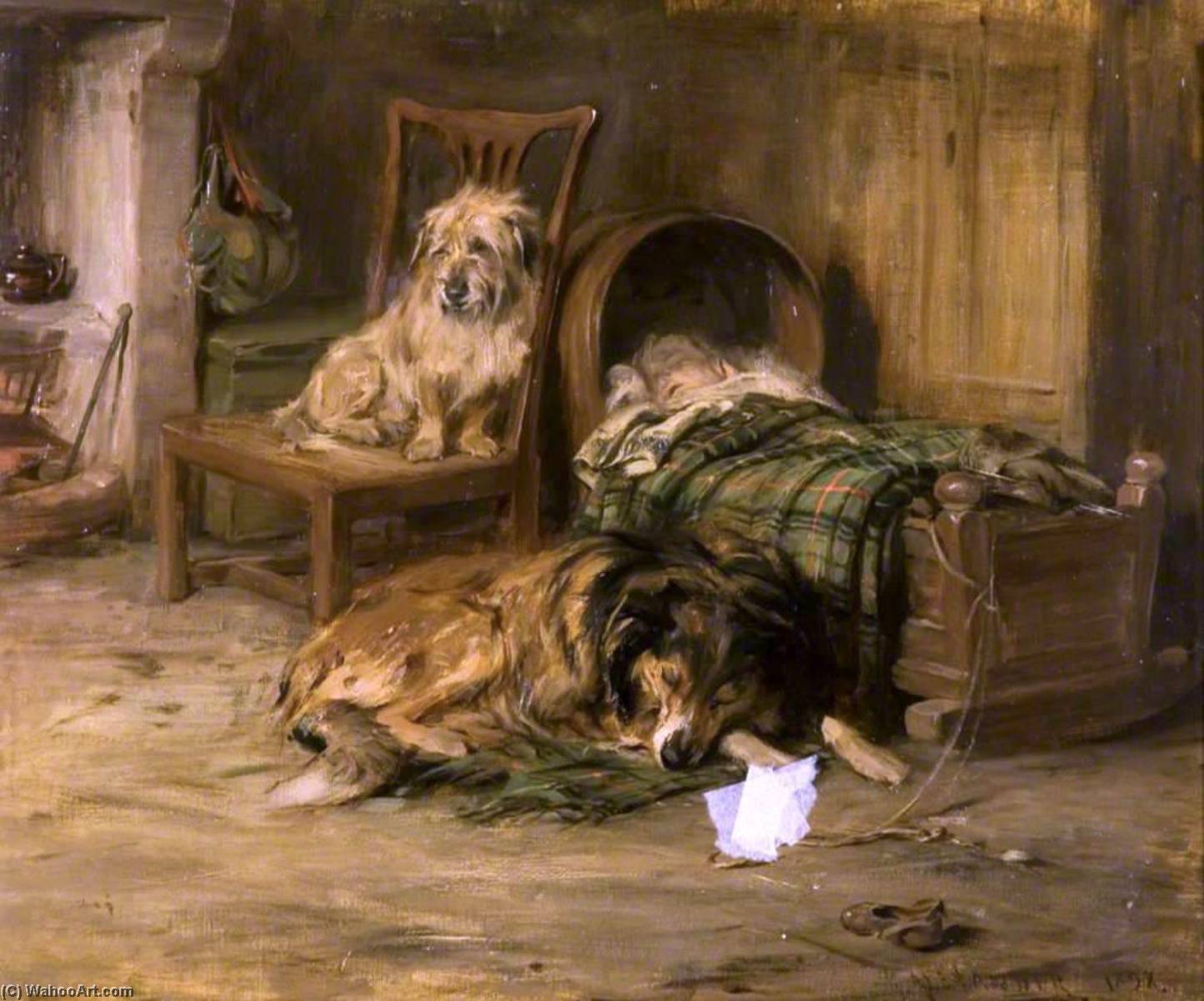
تستمر مجموعة Robert L Alexander، من 11 إلى 21

المواضيع التي استأثرت باهتمام Robert L Alexander

المواضيع الأربعة التي تتكرر باستمرار في هذه الأعمال الأصلية، مع تقديم أروع مثال لكل منها.

المتاحف التي تحتفظ بالأعمال الأصلية لـ Robert L Alexander

المتاحف الـ 8 التي تضم أكبر عدد من اللوحات الموجودة في هذه الصفحة.

المتاحف المدينة أعمال Robert L Alexander لوحات من هذه القائمة
المعرض الوطني الاسكتلندي, إدنبرةالمعرض الوطني الاسكتلندي إدنبرة 2 The Happy Mother, The Happy Mother
Perth And Kinross Council, PerthPerth And Kinross Council Perth 2 Head of a Jack Russell Terrier, Donkey and Foal
الأكاديمية الملكية الاسكتلندية للفنون - العمارة, إدنبرةالأكاديمية الملكية الاسكتلندية للفنون - العمارة إدنبرة 1 Wat and Wearie
Dundee Art Gallery And Museum, دنديDundee Art Gallery And Museum دندي 1 Drowsy Cronies
City Art Centre, إدنبرةCity Art Centre إدنبرة 1 Feeding the Horse
Kunstmuseum Den Haag, لاهايKunstmuseum Den Haag لاهاي 1 A St Bernard Dog
The National Trust For Scotland, فوريسThe National Trust For Scotland فوريس 1 Mr Wu – A Pekingese
The Fleming Collection, لندنThe Fleming Collection لندن 1 The Dogs' Dinner (possibly 'More Free Than Welcome')

Robert L Alexander عقداً بعد عقد: الأعمال الأصلية التي ميزت كل حقبة

الأعمال حسب العقد

اختر عقداً لتشاهد العمل الأصلي الذي يجسده.

أسئلة المقتنين حول لوحات Robert L Alexander

ما هو العمل الأكثر شهرة لـ Robert L Alexander؟اكتشف الإجابة

A Tangier Gateway (1887). يليه The Happy Mother (1887) و Wat and Wearie (1886).

كم كان عمر Robert L Alexander عندما تم إنجاز A Tangier Gateway؟اكتشف الإجابة

عمر 47 عاماً: يعود تاريخ A Tangier Gateway إلى 1887، وقد وُلد Robert L Alexander في 1840.

ما هي أشهر عشر لوحات لـ Robert L Alexander؟اكتشف الإجابة

A Tangier Gateway, The Happy Mother, Wat and Wearie, A Basset Hound, Head of a Deerhound, Goat and Kids, Auld Freens, Head of a Jack Russell Terrier, Head of a Jack Russell Terrier و The Happy Mother. يوضح التصنيف أعلاه سنة كل لوحة والمتحف التابعة له.

كم عدد اللوحات التي تركها Robert L Alexander؟اكتشف الإجابة

يضم كتالوجنا 27 من أعمال Robert L Alexander، التي يعود تاريخها من 1874 إلى 1916.

في أي متاحف تُعرض روائع Robert L Alexander؟اكتشف الإجابة

توجد غالبيتها في المعرض الوطني الاسكتلندي (إدنبرة), Perth And Kinross Council (Perth) و الأكاديمية الملكية الاسكتلندية للفنون - العمارة (إدنبرة). يدرج جدول المتاحف أعلاه جميعها.

في أي سنوات رسم Robert L Alexander أشهر أعماله؟اكتشف الإجابة

في 1880s: تم إنجاز 4 من أصل 21 من الأعمال في هذه الصفحة خلال تلك الفترة، من بينها A Tangier Gateway.

ما هي أول وآخر الأعمال الأصلية الشهيرة لـ Robert L Alexander؟اكتشف الإجابة

في هذه الصفحة، أقدم الأعمال يعود إلى Head of a Goat (1874) وأحدثها يعود إلى Head of a Jack Russell Terrier (1916).

ما هي المواضيع التي اختارها Robert L Alexander بشكل متكرر؟اكتشف الإجابة

Man (2), Horse (2) و Scottish art (2)، عبر 21 من الأعمال في هذه الصفحة.

ما هي التقنية التي استخدمها Robert L Alexander بشكل أكبر؟اكتشف الإجابة

Oil On Canvas، لـ 2 من أصل 21 من الأعمال في هذه الصفحة.

ما هي أعمال Robert L Alexander المعروضة في المعرض الوطني الاسكتلندي؟اكتشف الإجابة

The Happy Mother و The Happy Mother: يضم المعرض الوطني الاسكتلندي, إدنبرة 2 من الأعمال المعروضة في هذه الصفحة.

Robert L Alexander: حياته وأعماله

A Life Immersed in the Scottish Countryside: The World of Robert Alexander

Robert Alexander, born in 1840 in the small village of Dalgarven near Kilwinning in Ayrshire, Scotland, was an artist whose work became synonymous with the gentle warmth of domestic life and the rugged beauty of his homeland. His path to becoming a celebrated painter wasn’t conventional; rather than formal art schooling, Alexander began as an apprentice to a house-painter in Irvine, learning the fundamentals of landscape painting alongside more practical skills. This early grounding instilled in him not only technical proficiency but also a keen observation of light and form that would later characterize his distinctive style. He subsequently found employment with the Royal Scottish Museum in Edinburgh, further honing his abilities before dedicating himself fully to easel painting around 1868 – the year he first exhibited at the prestigious Royal Scottish Academy.

Capturing the Essence of Animals: A Rising Star

Alexander quickly distinguished himself by focusing on animal subjects, particularly dogs and horses. He didn’t merely *depict* these creatures; he sought to capture their personalities, their inherent dignity, and their connection to the rural world around them. His work resonated with a growing Victorian audience that appreciated both realism and sentimentality. He possessed an exceptional skill for portraying expressive eyes and textured coats, bringing his subjects vividly to life on canvas. This talent led to consistent exhibitions at the RSA – over 125 works were displayed throughout his lifetime – establishing him as a prominent figure in Scottish art circles. His election as an Associate of the Royal Scottish Academy (ARSA) in 1878 and then as a full Royal Scottish Academician (RSA) in 1888 solidified his position within the artistic establishment.

Impressionistic Touches and Pastoral Charm

While firmly rooted in realism, Alexander’s work demonstrates a clear influence of Impressionism. This is not to say he abandoned precise detail altogether, but rather that he embraced a looser brushstroke and a more nuanced understanding of light and color. His paintings often evoke a sense of atmosphere, capturing the fleeting moments of everyday life with remarkable sensitivity. Works like “Goat and Kids” exemplify this approach – a serene scene rendered with earthy tones and a delicate play of sunlight. He wasn’t interested in grand historical narratives or dramatic compositions; instead, he found beauty in the simple rhythms of rural existence: feeding horses, quiet moments within barns, and the tender bonds between animals and people. His paintings offer a glimpse into a world where life moved at a slower pace, and nature held a central place.

Legacy and Historical Significance

Robert Alexander’s contribution to Scottish animal painting is undeniable. He elevated the genre beyond mere portraiture, infusing his work with both artistic skill and emotional depth. He was not simply recording what he saw; he was interpreting it through a lens of warmth, understanding, and genuine affection. His paintings provide valuable insights into Victorian rural life and the evolving relationship between humans and animals. Furthermore, Alexander’s influence extended to his own family – his son, John Edwin Alexander, also became a successful artist, continuing the legacy of capturing the beauty of the Scottish countryside. Today, Robert Alexander's works are cherished for their charm, realism, and ability to transport viewers to a simpler, more idyllic time. His paintings continue to be exhibited and admired, ensuring that his vision of Scotland’s pastoral heart endures.