


1


تحديث نوفمبر 2026 · مُرتبة حسب مؤشر شعبيتنا (عمليات البحث، والزيارات، والطلبات لكل عمل فني) · 59 أعمال لـ Robert Gwathmey في كتالوجنا
باختصار
تُعد The Farmer Wanted a Boy (1942) اللوحة الأكثر جذباً للأنظار للفنان Robert Gwathmey؛ والنسخة الأصلية محفوظة في معهد شيكاغو للفنون، شيكاغو. بعد ذلك، تتجه العين إلى Portrait of a Farmer's Wife (1951) و Parade (1951). من بين 59 من أعمال Robert Gwathmey في كتالوجنا، تُعد هذه 56 الأعمال هي الأكثر شهرة، حيث تُعرض كل واحدة منها كعمل أصلي فريد مع سنة إنتاجها، والمتحف الذي تضمّه، والسبب وراء خلودها.


The Parade painting by Robert Gwathmey is a remarkable piece of art that showcases the artist's unique style and technique. Created in 1951, this watercolour painting measures 53 x 36 cm and is currently housed at the Smithsonian American Art Museum in the United States. Artist Background Robert Gwathmey was an American artist known for his bold and expressive works of art. Born in 1903, he was a prominent figure…


 Untitled (853)
12
 Untitled (574)
13
 Untitled (791)
14
 Untitled (219)
15
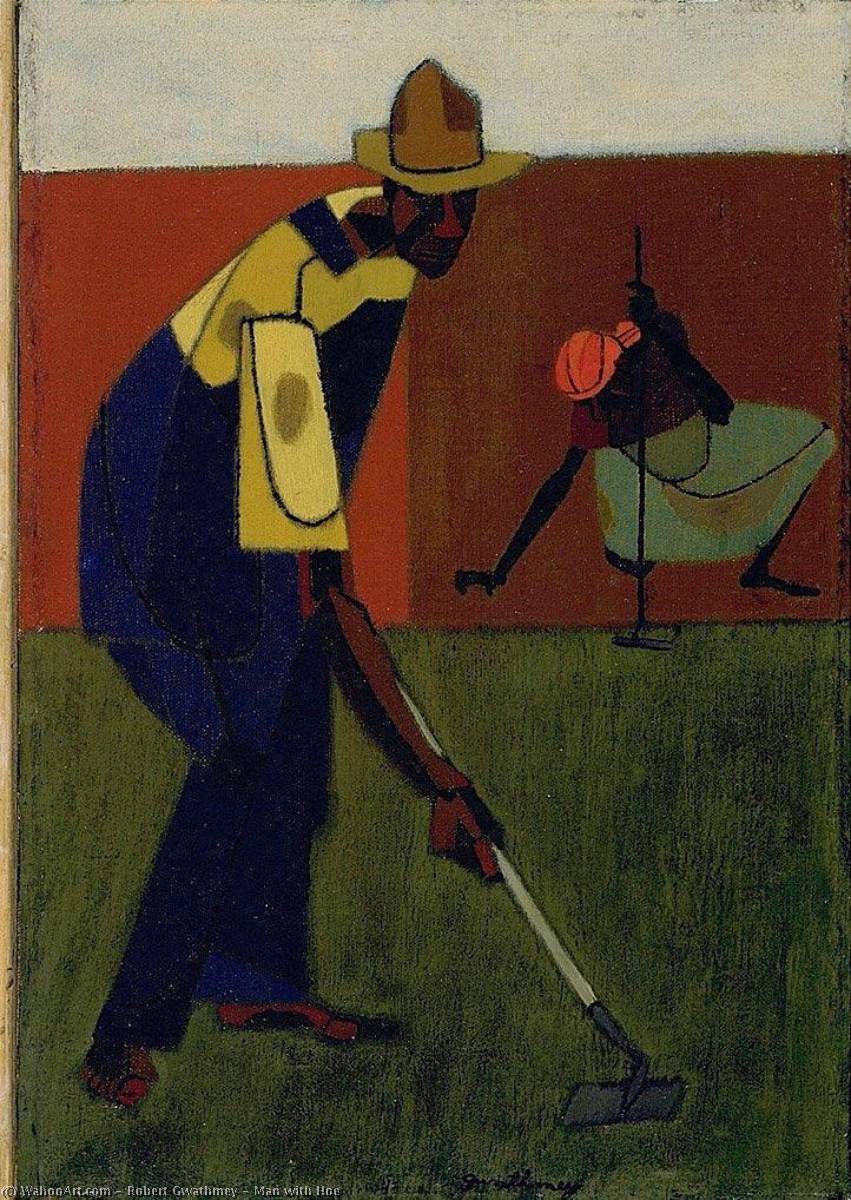
 Man with Hoe1944
16
 Singing and Mending1944
17
 Front Porch1947
18
 Poll Tax Country1945
19
 Sharecroppers and Blackberry Pickers1950
20
 Carrying the Sack1950
21
 Asleep at the Table1945 · Ogden Museum of Southern Art
22
 Untitled (813)
23
 Untitled (585)
24
 Untitled (196)
25
 Untitled (106)
26
 Untitled (721)
27
 Untitled (226)
28
 Untitled (193)
29
 Untitled (805)
30
 Untitled (561)
31
 Untitled (348)
32
 Untitled (491)
33
 Untitled (360)
34
 Untitled (416)
35
 Untitled (558)
36
 Untitled (285)
37
 Untitled (857)
38
 Untitled (207)
39
 Untitled (788)
40
 Untitled (724)
41
 Untitled (668)
42
 Untitled (655)
43
 Untitled (626)
44
 Untitled (735)
45
 Untitled (909)
46
 Untitled (968)
47
 Untitled (878)
48
 Untitled (106)
49
 Untitled (958)
50
 Untitled (857)
51
 Untitled (430)
52
 Untitled (750)
53
 Untitled (183)
54
 Untitled (229)
55
 Untitled (565)
56
 Going Home
المتاحف 2 التي تضم أكبر عدد من اللوحات الموجودة في هذه الصفحة.
| المتحف | المدينة | أعمال Robert Gwathmey | لوحات من هذه القائمة |
|---|---|---|---|
 معهد شيكاغو للفنون |
شيكاغو | 1 | The Farmer Wanted a Boy |
 Ogden Museum of Southern Art |
نيو أورلينز | 1 | Asleep at the Table |
تتراوح الأعمال الأصلية المؤرخة لـ Robert Gwathmey والمعروضة هنا ضمن فترة عشر سنوات تقريباً، من 1942 إلى 1951؛ حيث تتبعها العين عاماً بعد عام.
اختر سنة لعرض أعمالها الأصلية.


The Farmer Wanted a Boy (1942)، معهد شيكاغو للفنون, شيكاغو. ويليها Portrait of a Farmer's Wife (1951) وParade (1951).
عمر 39 عاماً: يعود تاريخ The Farmer Wanted a Boy إلى 1942، وقد وُلد Robert Gwathmey في 1903.
The Farmer Wanted a Boy, Portrait of a Farmer's Wife, Parade, Untitled (504), Untitled (978), Untitled (811), Untitled (540), Untitled (830), Untitled (598) و Untitled (389). يوضح التصنيف أعلاه سنة كل لوحة والمتحف التابعة له.
يضم كتالوجنا 59 من أعمال Robert Gwathmey، التي يعود تاريخها من 1942 إلى 1951.
توجد غالبيتها في معهد شيكاغو للفنون (شيكاغو) و Ogden Museum of Southern Art (نيو أورلينز). يدرج جدول المتاحف أعلاه جميعها.
في 1944: تم إنجاز 2 من أصل 56 من الأعمال في هذه الصفحة خلال تلك الفترة، من بينها Man with Hoe.
في هذه الصفحة، أقدم الأعمال يعود إلى The Farmer Wanted a Boy (1942) وأحدثها يعود إلى Portrait of a Farmer's Wife (1951).
Social realism، بناءً على الأعمال الأصلية في هذه الصفحة.