
1


تحديث نوفمبر 2026 · مُرتبة حسب مؤشر شعبيتنا (عمليات البحث، والزيارات، والطلبات لكل عمل فني) · 24 أعمال لـ Paul Brason في كتالوجنا
باختصار
من بين جميع الأعمال الأصلية التي تركها Paul Brason، تُعد Philip William Bryce Lever (1915–2000), 3rd Viscount Leverhulme, KG هي الأكثر شهرة. تأتي بعدهما مباشرة كل من Professor Dorothy Wedderburn (1991) و Gerald Grosvenor (b.1951), 6th Duke of Westminster (1995). يضم كتالوجنا 24 من أعمال Paul Brason؛ حيث احتفظ المعرض بـ 24 من أكثر الأعمال التي يعجب بها العالم، مع عرض كل منها مع تاريخها ومتحفها وقصتها.


 Robert G. Beldam (1914–2003), CBE, Honorary Fellow (1995–2003)1995
12
 Canon Maurice Ridgway (1918–2002)1994
13
 David George Vaisey (b.1935)1996 · مكتبات بودليان
14
 Gerald Ball, Garage Proprietor1999 · Girton College
15
 Sir Keith Thomas (b.1933), President (1986–2000)2002
16
 Keith Gilbert Robbins (b.1940), Principal and Vice Chancellor of University of Wales Lampeter, St David's University College (1992–2003)2003
17
 Dr Michael Fopp, Director General of the Royal Air Force Museum2007
18
 Lord Wilson of Tillyorn2007 · Peterhouse
19
 Barry Everitt, Master of Downing College2007 · Paintings Owned by Colleges
20
 Professor Michael Mingos (b.1944), FRS, Principal (1999–2009)2007 · سانت إدموند هول
21
 Alan and Grace Howard2010 · Paintings Owned by Colleges
22
 Professor Dame Jean Thomas2012 · st Catharine's College
23
 John Hood (b.1942)مكتبات بودليان
24
 Philip William Bryce Lever (1915–2000), 3rd Viscount Leverhulme, Chancellor of the University of Liverpool (1980–1993)
المواضيع الأربعة التي تتكرر باستمرار في هذه الأعمال الأصلية، مع تقديم أروع مثال لكل منها.
#1 Philip William Bryce Lever (1915–2000), 3rd Viscount Leverhulme, KG
 #2 Professor Dorothy Wedderburn
 #8 Brian Robert Morris (1930–2001), Lord Morris of Castle Morris
#16 Keith Gilbert Robbins (b.1940), Principal and Vice Chancellor of University of Wales Lampeter, St David's University College (1992–2003)
المتاحف الـ 8 التي تضم أكبر عدد من اللوحات الموجودة في هذه الصفحة.
| المتحف | المدينة | أعمال Paul Brason | لوحات من هذه القائمة |
|---|---|---|---|
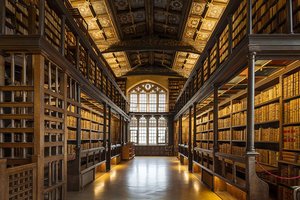 مكتبات بودليان |
أكسفورد | 2 | David George Vaisey (b.1935), John Hood (b.1942) |
 Paintings Owned by Colleges |
كامبريدج | 2 | Barry Everitt, Master of Downing College, Alan and Grace Howard |
 Royal Holloway |
Egham | 1 | Professor Dorothy Wedderburn |
 Chester Town Hall |
Chester | 1 | Gerald Grosvenor (b.1951), 6th Duke of Westminster |
 Merton College |
أكسفورد | 1 | Dame Jessica Rawson, Warden |
 The University of Reading |
Reading | 1 | Ewan Page |
 Government Art Collection |
لندن | 1 | Brian Robert Morris (1930–2001), Lord Morris of Castle Morris |
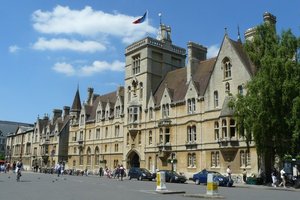 Balliol College |
أكسفورد | 1 | Baruch S. Blumberg |
اختر عقداً لتشاهد العمل الأصلي الذي يجسده.
Philip William Bryce Lever (1915–2000), 3rd Viscount Leverhulme, KG. يليه Professor Dorothy Wedderburn (1991) و Gerald Grosvenor (b.1951), 6th Duke of Westminster (1995).
Philip William Bryce Lever (1915–2000), 3rd Viscount Leverhulme, KG, Professor Dorothy Wedderburn, Gerald Grosvenor (b.1951), 6th Duke of Westminster, Dame Jessica Rawson, Warden, Brian Robert Morris (1930–2001) (triptych), Ewan Page, Brian Robert Morris (1930–2001), Baron Morris of Castle Morris, Principal of St David's University College (1980–1991), Brian Robert Morris (1930–2001), Lord Morris of Castle Morris, Sir Emmanuel Kaye و Baruch S. Blumberg. يوضح التصنيف أعلاه سنة كل لوحة والمتحف التابعة له.
يضم كتالوجنا 24 من أعمال Paul Brason، التي يعود تاريخها من 1990 إلى 2012.
توجد غالبيتها في مكتبات بودليان (أكسفورد), Paintings Owned by Colleges (كامبريدج) و Royal Holloway (Egham). يدرج جدول المتاحف أعلاه جميعها.
في 1990s: تم إنجاز 11 من أصل 24 من الأعمال في هذه الصفحة خلال تلك الفترة، من بينها Professor Dorothy Wedderburn.
في هذه الصفحة، أقدم الأعمال يعود إلى Ewan Page (1990) وأحدثها يعود إلى Professor Dame Jean Thomas (2012).
Reflection (4), Portrait (3) و Portraiture (3)، عبر 24 من الأعمال في هذه الصفحة.
Contemporary realism، بناءً على الأعمال الأصلية في هذه الصفحة.
David George Vaisey (b.1935) و John Hood (b.1942): يضم مكتبات بودليان, أكسفورد 2 من الأعمال المعروضة في هذه الصفحة.

