1

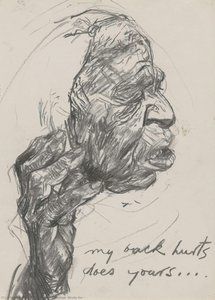
Irina Baronova (handing on the baton)
Irina Baronova (1919-2008) was one of the three legendary

تحديث نوفمبر 2026 · مُرتبة حسب مؤشر شعبيتنا (عمليات البحث، والزيارات، والطلبات لكل عمل فني) · 13 أعمال لـ جيني ساجز في كتالوجنا
باختصار
من بين جميع الأعمال الأصلية التي تركها جيني ساجز، تُعد Irina Baronova (handing on the baton) (2007) هي الأشهر، وهي ضمن مجموعة National Portrait Gallery في كانبرا. تأتي بعدهما مباشرة كل من Nancy Borlase and Laurie Short (1991) و Study (b) for portrait of Helen Garner (2003). يضم كتالوجنا 13 من أعمال جيني ساجز؛ حيث احتفظ المعرض بـ 13 من أكثر الأعمال التي يعجب بها العالم، مع عرض كل منها مع تاريخها ومتحفها وقصتها.
Irina Baronova (1919-2008) was one of the three legendary

In the soft, diffused light of a private interior, Jenny Sages captures a moment that feels both fleeting and eternal. Her 1991 oil painting, Nancy Borlase and Laurie Short, is far more than a mere portrait; it is a profound meditation on companionship, aging, and the quiet dignity of a life shared. The composition centers on an elderly woman seated at a table, her presence anchored by a sense of…

In the quiet intimacy of a studio setting, Jenny Sages captures a moment of profound vulnerability in her pencil study, Study (b) for portrait of Helen Garner. This evocative drawing transcends a mere preparatory sketch, offering instead a hauntingly beautiful window into the human psyche. The subject, a young man seated in a chair, appears caught in a private moment of distress or overwhelming introspection. Through the masterful use of…

Jenny Sages made these drawings as she sat with Emily Kngwarreye and her friend Lily under their

Irina Baronova trained with the great Olga Preobrajenska in the Salle Wacker in Paris in the 1930s. Discovered by the renowned choreographer George Balanchine, she was soon to work with other legends including Léonide Massine and Michel Fokine. When she came to Australia in the late 1930s she created a sensation in roles such as the Queen of Shemakhan in

Kate Grenville (b. 1950), novelist, studied in Sydney and worked as a film editor before spending several years in the UK and Europe, where she began to write. After completing an MA in creative writing at the University of Colorado, she returned to Australia in 1983 and worked at SBS Television’s subtitling unit. In 1984 she published the collection of stories Bearded Ladies. Her novels Lilian

Jenny Sages made these drawings as she sat with Emily Kngwarreye and her friend Lily under their

Jenny Sages made these drawings as she sat with Emily Kngwarreye and her friend Lily under their


المواضيع الأربعة التي تتكرر باستمرار في هذه الأعمال الأصلية، مع تقديم أروع مثال لكل منها.
المتاحف 2 التي تضم أكبر عدد من اللوحات الموجودة في هذه الصفحة.
| المتحف | المدينة | أعمال جيني ساجز | لوحات من هذه القائمة |
|---|---|---|---|
 National Portrait Gallery |
كانبرا | 10 | Irina Baronova (handing on the baton), Nancy Borlase and Laurie Short, Study (b) for portrait of Helen Garner |
 Doxandem Squad |
Dakar | 3 | Sages, Keur Gorgui, Diop |
اختر عقداً لتشاهد العمل الأصلي الذي يجسده.
In the soft, diffused light of a private interior, Jenny Sages captures a moment that feels both fleeting and eternal. Her 1991 oil painting, Nancy Borlase and Laurie Short, is far more than a mere portrait; it is a profound meditation on companionship, aging, and the quiet dignity of a life shared. The composition centers on an elderly woman seated at a table, her presence anchored by a sense of…
Irina Baronova (1919-2008) was one of the three legendary
Kate Grenville (b. 1950), novelist, studied in Sydney and worked as a film editor before spending several years in the UK and Europe, where she began to write. After completing an MA in creative writing at the University of Colorado, she returned to Australia in 1983 and worked at SBS Television’s subtitling unit. In 1984 she published the collection of stories Bearded Ladies. Her novels Lilian
Irina Baronova (handing on the baton) (2007)، National Portrait Gallery, كانبرا. ويليها Nancy Borlase and Laurie Short (1991) وStudy (b) for portrait of Helen Garner (2003).
عمر 74 عاماً: يعود تاريخ Irina Baronova (handing on the baton) إلى 2007، وقد وُلد جيني ساجز في 1933.
Irina Baronova (handing on the baton), Nancy Borlase and Laurie Short, Study (b) for portrait of Helen Garner, Untitled (Study for, Study of a pair of ballet dancers, Kate (Kate Grenville), Untitled (Study for, Untitled (Study for, Sages و Keur Gorgui. يوضح التصنيف أعلاه سنة كل لوحة والمتحف التابعة له.
يضم كتالوجنا 13 من أعمال جيني ساجز، التي يعود تاريخها من 1991 إلى 2012.
توجد غالبيتها في National Portrait Gallery (كانبرا) و Doxandem Squad (Dakar). يدرج جدول المتاحف أعلاه جميعها.
في 1990s: تم إنجاز 5 من أصل 13 من الأعمال في هذه الصفحة خلال تلك الفترة، من بينها Nancy Borlase and Laurie Short.
في هذه الصفحة، أقدم الأعمال يعود إلى Nancy Borlase and Laurie Short (1991) وأحدثها يعود إلى Kate (Kate Grenville) (2012).
Portrait (4), Australian art (2) و Charcoal (2)، عبر 13 من الأعمال في هذه الصفحة.
Contemporary realism، بناءً على الأعمال الأصلية في هذه الصفحة.
Irina Baronova (handing on the baton), Nancy Borlase and Laurie Short و Study (b) for portrait of Helen Garner: يضم National Portrait Gallery, كانبرا 10 من الأعمال المعروضة في هذه الصفحة.