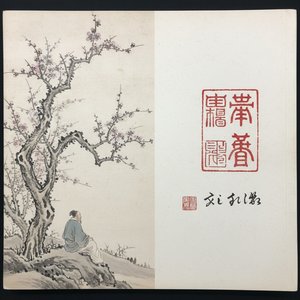
The Life and Art of Gu Hengbo
Gu Hengbo, also known by her art name Gu Hengbo or as Xu Shanchi and Xu Zhizhu, was a Chinese Gējì, poet, and painter. Born near Nanjing, she was celebrated for her beauty and her significant talent in both poetry and painting. She was recognized as one of the Eight Beauties of Qinhuai and was highly regarded for her skill in painting orchids and landscapes, developing a style that did not follow the methods of previous generations. In her Tower Meilou in the Qinhuai district, she hosted a famous literary salon that attracted various guests.
Beyond her visual arts, she was well versed in literature and history, earning the reputation of being "the best in Nan Qu." She also performed in kunqu as a male sheng impersonator, notably playing the role of Zhou Yu in Disciplining the Son. In 1643, she left her profession to become a concubine to Gong Dingzi, settling with him in the capital. She was known to have been the benefactor of the artist Zhu Yizun and saved the poet Yan Ermei from execution.
الأسئلة والأجوبة
هل يمكنني زيارة متحف افتراضي لأعمال Gu Hengbo؟
يمكنكم القيام بزيارة افتراضية: حيث تستعرض صفحة متحف ثلاثي الأبعاد الخاصة بـ Gu Hengbo أعمال الفنان في معرض ثلاثي الأبعاد.
ما هي الأسماء المستعارة أو الأسماء الأخرى التي يُعرف بها Gu Hengbo؟
يُعرف Gu Hengbo أيضاً باسم Gu Mei, Ku Mei, Xu Shanchi, Xu Zhizhu, Lady Hengbo.
أين يمكنني استعراض جميع أعمال Gu Hengbo الفنية؟
يمكن تصفح جميع أعمال Gu Hengbo على هذا الموقع عبر صفحة كافة الأعمال الفنية الخاصة بالفنان.
أين يمكنني مشاهدة أعمال Gu Hengbo الفنية بترتيب زمني؟
يمكن مشاهدة أعمال Gu Hengbo الفنية مرتبة زمنياً في صفحة التسلسل الزمني للأعمال الفنية.