

 معاينة الحجم الواقعي
 إرسال
إرسال مشاركة
 عرض التفاصيل
 دليل الأعمال الفنية للطلاب

 تحميل
تحميل
 قطع مشابهة
 الأشعة السينية
 عرض شرائح متتابع
 الإحصائيات
The Road to Jiming Temple
 Oil On Canvas
- WallArt
 1943
1943 66.0 x 77.0 cm
 CAFA Art Museum
 اقرأ المزيد
طباعة جيلي / مطبوعات فنية
طباعة جيكلي أو كانفاس بجودة المتاحف، مع سرعة في التنفيذ وخيارات متنوعة للتشطيب. ( اطلب نسخة مرسومة يدويًا التحويل إلى الصورة الرقمية)




P118B E£10

P118H E£10

P118W E£10

P438Z E£10

P508JH E£12

P508YH E£12

P805H E£10

P805Z E£10

P919BZ E£10

P919G E£10

P919XJ E£10

P959ZH E£10

P968JZ E£12

W106C E£8

W218G E£10

W218JH E£8

W218Y E£10

W307PJ E£10

W316G E£10

W316PJ E£8

W316Y E£10

W398PJ E£8

W4111J E£10

W500HY E£15

W500JH E£15

W692G E£12

W849H E£8

W940BG E£15

W953PJ E£8




اختر من بين أحجامنا المُعدّة مسبقاً والتي تتوافق مع النسب الأصلية للعمل الفني.

أدخل العرض والارتفاع اللذين تحتاجهما، ليتناسب مع إطارك أو جدارك. يمكن قص المطبوعة فقط، ولا يمكن أبداً جعلها أكبر من الصورة الأصلية، لذا فإن أي مقاس بشكل مختلف سيؤدي إلى فقدان جزء من الصورة. سنرسل لك نموذجاً رقمياً تجريبياً لاعتماده قبل البدء في عملية الطباعة. الصورة المعروضة في هذه الصفحة لا توضح القص الفعلي — النموذج التجريبي فقط هو ما يظهر ذلك.
توصيل عالمي إلى خلال أسبوعين بدلاً من المدة القياسية البالغة 4/5 أسابيع. (27 أكتوبر)

شحن سريع ومجاني لجميع أنحاء العالم

قماش كتان فاخر

تأمين شامل على الشحن

ضمان استرداد الرسوم الجمركية

ضمان دقة مطابقة الألوان

سياسة الإرجاع خلال 100 يوم (في حالات العيوب فقط)

ضمان استرداد نقدي بنسبة 100%

عرض خصم الكميات
 خيار الزجاج متاح فقط للمقاسات التي تقل عن 110 سم

The Road to Jiming Temple
طباعة جيلي / مطبوعات فنية
مقاس النسخة المطبوعة
-


إجمالي السعر
E£ 4165
The Road to Jiming Temple: A Journey Through Time and Spirit
Xu Beihong’s “The Road to Jiming Temple” is more than just a depiction of a mountain village; it's a vibrant window into 1943 China, a testament to the artist’s unique vision, and a poignant reflection on tradition and modernity. Painted during a period of immense upheaval and transformation, this oil-on-canvas masterpiece captures not only the physical landscape but also the spirit of a nation navigating its identity. The scene unfolds with remarkable detail – a winding path ascending through lush greenery, leading to the venerable Jiming Temple nestled amongst the peaks. The composition immediately draws the viewer in, inviting them on a silent journey alongside the figures traversing the road.
Beihong’s artistic style is instantly recognizable—a masterful blend of Chinese ink painting techniques and Western realism. He eschewed purely academic approaches, instead prioritizing dynamic brushwork and a bold sense of perspective. Notice how he utilizes loose, expressive strokes to convey the texture of the mountains, the rustle of leaves, and the movement of the figures. This technique, honed through years of study in Paris, allows for an immediacy and vitality rarely found in traditional Chinese landscape painting. The color palette is rich and earthy—deep greens, browns, and ochres dominate, creating a sense of warmth and tranquility despite the rugged terrain. The use of light and shadow further enhances the depth and realism of the scene, guiding the viewer’s eye through the composition.
A Temple Steeped in History
Jiming Temple itself holds immense significance within Nanjing's cultural heritage. Founded during the Western Jin Dynasty (265-317 AD), it stands as one of the oldest Buddhist temples in the city, a repository of centuries of spiritual practice and artistic patronage. Its history is intertwined with numerous dynasties and political shifts, reflecting China’s complex past. The temple's enduring presence speaks to its resilience and continued importance within the local community. Beihong’s painting serves as a visual tribute to this venerable institution, capturing its serene beauty and timeless appeal.
The choice of Jiming Temple as the subject is particularly revealing. Built in the Western Jin Dynasty, it represents a connection to China's ancient past – a deliberate nod to tradition amidst the rapid changes occurring during Beihong’s time. The temple’s longevity symbolizes continuity and stability, offering a counterpoint to the turmoil of war and political upheaval that characterized 1943 China. The painting subtly suggests a longing for these foundational values within a rapidly modernizing nation.
Xu Beihong: Bridging Worlds
Understanding Xu Beihong’s artistic journey is crucial to appreciating “The Road to Jiming Temple.” Born in 1895, he was a pioneer who sought to synthesize Eastern and Western artistic traditions. His early training in classical Chinese painting instilled within him a deep respect for brushwork, composition, and the spiritual essence of art. However, his time in Paris exposed him to European techniques—particularly oil painting—which he skillfully integrated into his own style. This fusion resulted in a uniquely powerful visual language that resonated with both local audiences and international critics.
Beihong’s biography reveals a man deeply committed to promoting Chinese art on the world stage. He actively sought opportunities to exhibit his work abroad, fostering cross-cultural understanding and challenging Western perceptions of Chinese art. His dedication to preserving and revitalizing traditional techniques while embracing modern approaches cemented his legacy as one of China's most influential artists of the 20th century. His life story is a testament to the power of artistic innovation and cultural exchange.
Symbolism and Emotional Resonance
Beyond its technical brilliance, “The Road to Jiming Temple” is rich in symbolic meaning. The winding path represents the journey of life—a progression towards enlightenment and spiritual fulfillment. The figures traversing the road symbolize humanity’s collective quest for meaning and purpose. The temple itself serves as a beacon of hope and stability amidst the uncertainties of the world. The inclusion of horses and people further emphasizes the connection between humans and nature, reflecting a core value in Chinese philosophy.
Looking at this painting today, one can’t help but feel a sense of quiet contemplation and profound beauty. It evokes a feeling of serenity, reminding us of the enduring power of tradition and the importance of seeking spiritual guidance. “The Road to Jiming Temple” is not merely a landscape; it's an invitation—an invitation to reflect on our own journeys, to appreciate the richness of Chinese culture, and to find solace in the timeless beauty of art.
الأسئلة والأجوبة
كيف يمكن وصف الحالة المزاجية لـ "The Road to Jiming Temple" للفنان شو بيهونغ؟
تتمتع لوحة "The Road to Jiming Temple" بأجواء Calm.
ما هو اللون الطاغي على تكوين "The Road to Jiming Temple" للفنان شو بيهونغ؟
اللون الأكثر بروزاً في "The Road to Jiming Temple" هو Espresso (#564c3c). ويعد اللون السائد مفيداً عند تنسيق العمل الفني مع التصميم الداخلي.
ما هو حجم الطباعة المناسب للغرفة الموصى بها لعمل "The Road to Jiming Temple" للفنان شو بيهونغ؟
بالنسبة لـ Living Room، فإن حجم الطباعة الموصى به لعمل "The Road to Jiming Temple" للفنان شو بيهونغ هو Medium.
نبذة عن الفنان
رائد يجسد الجسور بين العوالم: حياة وفن شو بيهونغ
يبرز شو بيهونغ، الذي ولد باسم شو شوكانغ عام 1895 في بلدة ييشينغ الهادئة بمقاطعة جيانغسو، كشخصية صرحية في تاريخ الفن الصيني في القرن العсло twentieth. كانت حياته سردية آسرة للتطور الفني، كرّسها لصياغة مسار جديد للرسم الصيني؛ مسار يمزج بانسجام بين التقاليد الغنية لوطنه وبين ابتكارات الفن الغربي. ومن بدايات متواضعة غمرتها المعارف الكلاسيكية وفنون الفرشاة التقليدية تحت إشراف والده، شو داتشانغ، الذي كان هو نفسه فناناً يكافح من أجل لقمة العيش، اتسمت حياة الشاب بيهونغ المبكرة بالوعود الفنية الممزوجة بالصعوبات الاقتصادية. لم تغرس هذه الفترة التكوينية فيه المهارة التقنية فحسب، بل زرعت أيضاً تقديراً عميقاً للثقافة الصينية وروحاً مرنة ستحدد ملامح مسيرته المهنية لاحقاً. إن حياة التنقل التي عاشتها عائلته، حيث كانوا يرسمون البورتريهات والمناظر الطبيعية لتأمين المعيشة، عرضته لواقع الريف الصيني، وأذكت فيه طموحاً مبكراً للارتقاء بمكانة الفن والفنانين. وقد جاءت لحظة مفصلية عندما اتخذ اسم "بيهونغ"، والذي يعني "الإوز البري الحزين"، وهو ما قد يعكس ربما قلقه وطموحات شبابه.الصحوة الأوروبية: صياغة رؤية فنية جديدة
مدفوعاً بعطش للمعرفة ورغبة في تحديث الفن الصيني، انطلق شو بيهونغ في رحلة تحولية إلى أوروبا عام 1917. وبعد دراسة أولية في طوكيو، نجح سريعاً في الحصول على منحة دراسية مرموقة في المدرسة الوطنية العليا للفنون الجميلة في باريس. كانت هذه الفترة حاسمة في تشكيل فلسفته وتقنياته الفنية؛ فمن خلال انغماسه في قلب الفن الأوروبي، درس بدقة الرسم الزيتي والرسم بالقلم، متمكناً من مبادئ المنظور والتكوين والواقعية الغربية. ورغم تبنيه لهذه التقنيات الجديدة، ظل شو بيهونغ ناقداً لبعض الاتجاهات الحداثية السائدة في ذلك الوقت، مفضلاً بدلاً منها التقاليد الكلاسيكية التي عاصرها. وقد اتخذ الاسم الفرنسي "جو بيون" خلال إقامته، وهو ما يعد شهادة على اندماجه في الثقافة الأوروبية. ومع ذلك، لم يكن البحث مقتصرًا على المهارة التقنية فحسب؛ بل كان يهدف إلى فهم المبادئ الجوهرية للفن الغربي وتطويعها لإحياء الرسم الصيني، وهي الرؤية التي صاغها في كتاباته وتدريساته اللاحقة. لقد وضعت هذه الفترة حجر الأساس لأسلوبه الفني الفريد، الذي تميز بتوليفة قوية بين الجماليات الشرقية والتقنيات الغربية.الزخارف الأيقونية والأسلوب الفني: مزيج من الشرق والغرب
عند عودته إلى الصين عام 1927، بدأ شو بيهونغ مسيرة حافلة بالأعمال الرائدة التي جسدت روح أمة تمر بتغيرات عميقة. وسرعان ما ذاع صيته بفضل تصويره الديناميكي للخيول والطيور، وهي موضوعات تجاوزت مجرد التمثيل البصري لتصبح رموزاً قوية للقوة والحرية والفخر الوطني. وتُحتفى خيوله بشكل خاص بقوتها العضلية وطاقتها وقدرتها التعبيرية، حيث غالباً ما تُصور وهي تعدو عبر مناظر طبيعية شاسعة بروح جامحة. ويجسد عمله الحصان الجامح، الذي ربما يكون أشهر أعماله على الإطلاق، هذا المعنى تماماً، فهو شهادة على حيوية وصمود الشعب الصيني. وإلى جانب هذه الموضوعات المميزة، برع شو بيهلو أيضاً في رسم البورتريه واللوحات التاريخية، مبرهناً على إتقانه لكل من الرسم الزيتي وتقنيات الحبر التقليدية. اتسم أسلوبه بمزيج فريد من ضربات الفرشاة الجريئة، والتحديد الدقيق، والتحكم المتقن في الضوء والظل، حيث دمج بسلاسة المنظور والتكوين الغربي مع انسيابية ضربات الفرشاة الصينية، خالقاً لغة بصرية مبتكرة ومتجذرة بعمق في التقاليد. وتعد لوحة الرجل العجوز الأحمق الذي أزال الجبال، المستوحاة من أسطورة صينية تقليدية، نموذجاً لقدرته على إضفاء طاقة حديثة وتعليق اجتماعي على الموضوعات الكلاسيكية.الإرث والتأثير: تشكيل تعليم الفن الصيني الحديث
امتد تأثير شو بيهونغ إلى ما هو أبعد من إبداعاته الفنية الخاصة؛ فقد كان أيضاً مربياً فنياً رائداً ساهم بشكل عميق في تطوير تعليم الفن الصيني الحديث. فبعد عودته إلى الصين، شغل مناصب تدريسية في عدة جامعات مرموقة، بما في ذلك جامعة سنترال الوطنية وجامعة بكين، حيث دافع بلا كلل عن إصلاح المناهج الدراسية. وقد نادى بدمج تقنيات الرسم والتخطيط الزيتي الغربي في برامج الفن الصيني التقليدية، مؤمناً بأن هذا التكامل ضروري لإحياء التعبير الفني الصيني. وعقب تأسيس جمهورية الصين الشعبية عام 1949، أصبح رئيساً للأكاديمية المركزية للفنون الجميات ورئيساً لاتحاد الفنانين الصينيين، مما عزز نفوذه في المشهد الفني للبلاد. لقد قام بتدريب أجيال من الفنانين الذين أصبحوا لاحقاً شخصيات رائدة في الفن الصيني، حاملين رؤيته لجمالية حديثة ولكنها متجذرة ثقافياً. إن تركيز شو بيهونغ على التصور الفني، وأهمية التجارب الحياتية، ودمج التقاليد الشرقية والغربية، ترك بصمة لا تُمحى في تاريخ الفن الصيني، مما رسخ إرثه كواحد من أكثر الشخصيات تأثيراً. ولا يزال عمله يلهم الفنانين ويأسر الجماهير في جميع أنحاء العالم، ليكون بمثابة تذكير قوي بالقوة الخالدة للفن في جسر الثقافات وتجاوز الحدود.
شو بيهونغ
1895 - 1953 , الصين
لمحة سريعة
- Artistic Movement Or Style: الرسم الصيني الحديث
- Artists Or Movements Influenced By This Artist: ['الفنانون الصينيون المعاصرون']
- Date Of Birth: 19 يوليو 1895
- Date Of Death: 26 سبتمبر 1953
- Full Name: شو بيهونغ
- Nationality: صيني
- Notable Artworks:
- الحصان الجامح
- الرجل العجوز الأحمق...
- الأم وابنتها
- بورتريه لشو
- حصان
- Place Of Birth: إي شينغ، الصين
مقالات ذات صلة
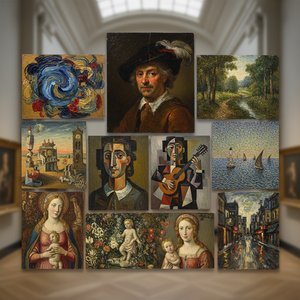
Oil on Board Masters: 10 Paintings That Redefined Art | OriginalUniqueArt
Explore 10 legendary 'Oil on Board' masterpieces by Van Gogh, Monet & more! Discover art history, iconic styles like Impressionism, and find museum-quality reproductions to elevate your home decor. Explore the full collection online at OriginalUniqueArt.com.

The Enduring Legacy of Oil on Canvas: Technique, History & Aesthetic Impact
Explore the rich history & techniques of oil painting – from Renaissance masters to Impressionism. Discover pigments, layering methods, and why this timeless medium endures. Expert insights for artists & art enthusiasts.

الرسم الزيتي: تاريخ عريق، تقنيات متطورة، وممارسات معاصرة لفن خالد
اكتشف تاريخ الرسم الزيتي وتقنياته المتطورة مع دليل شامل لفن خالد. تعلم عن المواد، الأساليب الكلاسيكية والمعاصرة، وكيفية العناية بلوحاتك الثمينة. خبراء OriginalUniqueArt يرشدونك!

The Enduring Power of Painting: A Historical & Contemporary Exploration of Form and Emotion
Explore the rich history & enduring techniques of oil painting with OriginalUniqueArt. Discover masterpieces, learn about art collecting, and find authentic handmade reproductions crafted by skilled artists.

Oil on Canvas: A Historical & Technical Exploration of a Timeless Artistic Medium
Explore the rich history & enduring techniques of oil painting on canvas. Discover the science behind its longevity, conservation practices, and contemporary relevance. Expert insights for art enthusiasts.
