

 معاينة الحجم الحقيقي
 مشاركة
 مشاركة
 التفاصيل

 تحميل الملف
 قطع مشابهة
 الأشعة السينية
 عرض شرائح
 الإحصائيات
William III (1650–1702)
 1689
1689 250.0 x 120.0 cm
 County Hall
 عرض المزيد
احصل على صورة رقمية عالية الدقة ومعزّنة، بجودة تفوق بكثير المعاينة عبر الإنترنت.
يتم إعداد كل ملف بعناية فائقة من قبل متخصصينا الداخليين باستخدام أدوات متقدمة ولمسات يدوية خبيرة. نضمن أن تتمتع كل صورة بوضوح استثنائي، ودقة لونية متناهية، وتفاصيل دقيقة.
يتم تسليم الملف النهائي عبر البريد الإلكتروني في غضون 72 ساعة، وهو مُحسَّن للاستخدام الفوري في المجالات المهنية والتحريرية ومجالات الطباعة. هذه هي ذات الجودة التي تعتمد عليها كبرى استوديوهات التصميم ودور النشر والمعارض الفنية المرموقة.
صورة رقمية
حمّل ملفاً عالي الدقة للعرض الشخصي، والطباعة، والمشاريع الإبداعية. ( التحويل إلى المطبوعات اشترِ لوحة مرسومة يدويًا)
مزايا مُضمّنة في كل طلب صورة رقمية
تسليم رقمي احترافي، مضمون
عندما تختار OriginalUniqueArt.com، فأنت لا تحصل على مجرد صورة فحسب، بل ستحصل على عمل فني رقمي مُحسّن باحترافية، صُمم بدقة متناهية ومصحوب بضمان الرضا. إليك كل ما يتضمنه طلبك تلقائياً:

تسليم سريع عبر البريد الإلكتروني
ستصلك ملفات صورك الرقمية عالية الدقة عبر البريد الإلكتروني في غضون 72 ساعة من إتمام الطلب - لتكون جاهزة للاستخدام الفوري.

ملف رقمي مُحسّن بالذكاء الاصطناعي
يتم تحسين عملك الفني باحترافية باستخدام أدوات الذكاء الاصطناعي المتقدمة والتحرير اليدوي، لضمان أقصى درجات التفاصيل والوضوح ودقة الألوان.

إعادة إرسال مجانية مدى الحياة
هل حذفت ملفك أو فقدته عن طريق الخطأ؟ لا تقلق - سنعيد إرساله إليك في أي وقت، ومجاناً.

بدون رسوم استيراد - على الإطلاق
استمتع بأعمالك الفنية فوراً دون أي رسوم جمركية أو ضرائب أو مصاريف شحن - فالتحميلات الرقمية دائماً ما تكون معفاة من الضرائب.

ضمان دقة الألوان
نحن نضمن أن تعكس صورتك الرقمية الألوان الأصلية بأقصى قدر ممكن من الدقة، وذلك باستخدام أدوات احترافية وتقنيات إدارة الألوان.

ضمان الرضا لمدة 100 يوم
إذا لم تكن راضياً عن صورتك الرقمية، فسنقوم بتعديلها أو استرداد 100% من قيمتها خلال 100 يوم - دون طرح أي أسئلة.

ضمان استعادة الأموال بنسبة % 100
لم تكن راضياً؟ استرد كامل المبلغ خلال 100 يوم من استلام ملفك الرقمي - دون طرح أي أسئلة.

خصومات الطلبات الكبيرة
اشتري 3 صور، ووفر 10% - اشتري 5، ووفر 15% - اشتري +10، ووفر 20%. مثالية للمشاريع الإبداعية، والمعارض، والوكالات.
السيرة الذاتية للفنان
Wolfgang William Claret: A Shadowy Figure of the 18th Century Court
Wolfgang William Claret, a name largely obscured by the passage of time, remains a fascinating enigma within the annals of 18th-century portraiture. Born in Exeter, England, around 1665 – though precise dates remain elusive – and tragically dying in 1706, Claret’s life was marked by both artistic promise and a frustrating lack of documented detail. He operated primarily within the vibrant, yet often secretive, world of London’s court artists, working as a draughtsman and eventually establishing himself as a portrait painter, though his output remains surprisingly modest. Despite this, his work possesses a distinctive elegance and technical skill that warrants renewed attention, offering glimpses into the social dynamics and artistic trends of a pivotal era.Early Life and Influences – A European Education
Claret’s origins are somewhat shrouded in mystery. Records suggest he received an education abroad, likely in continental Europe, possibly France or Italy—a common path for aspiring artists seeking to hone their skills. This exposure undoubtedly shaped his artistic sensibilities, introducing him to the prevailing styles of the time – particularly the refined portraiture favored by French and Italian masters. The influence of Caravaggio’s dramatic use of light and shadow is subtly present in some of his works, while the meticulous detail characteristic of Flemish artists can be detected in his preparatory drawings. It's believed he was influenced by Sir Richard Rainsford, a prominent barrister and fellow artist whose portrait Claret later attempted to replicate, demonstrating a clear desire to emulate established styles and techniques.The Court Painter – Portraits of Power
Claret’s career truly blossomed within the confines of London's court. He secured commissions from notable figures, including Thomas Osborne, 1st Duke of Leeds, a powerful nobleman and Treasurer to King William III and Mary II. These portraits, often characterized by their dignified composure and subtle expressions, offer valuable insights into the personalities and social standing of the era’s elite. His depictions of Mary II are particularly noteworthy – capturing her intelligence and regal bearing with remarkable sensitivity. He also painted Sir Richard Rainsford, a fellow barrister, showcasing his ability to render complex fabrics and intricate details. While many of these portraits were later copied or reworked by other artists, Claret's initial designs demonstrate a considerable level of artistry and understanding of the subject’s character.Technique and Style – A Delicate Balance
Claret’s artistic style is defined by a delicate balance between realism and elegance. His portraits are not overly theatrical or flamboyant, but rather convey a sense of quiet dignity and understated sophistication. He employed a meticulous draughtsmanship, carefully rendering the textures of clothing, hair, and skin with remarkable precision. His use of light and shadow creates a subtle three-dimensionality, adding depth and volume to his subjects. While he primarily worked in monochrome – utilizing pencil and wash techniques – there’s evidence suggesting he experimented with color, particularly in preparatory sketches. His portraits are often described as “delicate” and “refined,” reflecting the prevailing aesthetic sensibilities of the late 17th and early 18th centuries.Legacy and Historical Significance
Despite his relatively small body of work, Wolfgang William Claret’s contribution to British portraiture deserves recognition. He represents a crucial link between the more flamboyant styles of earlier court artists and the emerging trends of the Georgian era. His portraits offer valuable documentation of the personalities and social dynamics of London's elite during a period of significant political and cultural change. Furthermore, his work serves as a reminder that artistic history is often shaped by those whose names are obscured or forgotten—individuals who quietly exerted their influence within the broader context of their time. The copies and reworkings of his initial designs highlight the enduring appeal of his style and demonstrate how his artistic vision continued to resonate with subsequent generations of artists. Research continues to shed light on this enigmatic figure, promising to further illuminate his place in the rich tapestry of British art history.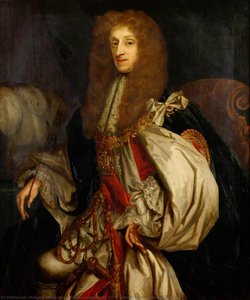
wolfgang william claret
1665 - 1706
لمحة سريعة
- Artistic Movement Or Style: Portraiture
- Artists Or Movements Influenced By This Artist: ['None specified']
- Artists Who Influenced This Artist: ['None specified']
- Date Of Birth: 1665
- Date Of Death: 1706
- Full Name: Wolfgang William Claret
- Nationality: Austrian
- Notable Artworks:
- Thomas Osborne Portrait
- Mary II Portrait
- Place Of Birth: WahooArt, Austria