

 معاينة الحجم الواقعي
 إرسال
إرسال مشاركة
 عرض التفاصيل
 دليل الأعمال الفنية للطلاب

 تحميل
تحميل
 قطع مشابهة
 الأشعة السينية
 عرض شرائح متتابع
 الإحصائيات
إليجاه
 أكريليك على كانفاس
- لوحات جدارية
- Bezalel School Style
 1916
1916 90.0 x 91.0 cm
 متحف إسرائيل
 اقرأ المزيد
إن العمل الفني المعروض في هذه الصفحة محمي بموجب قوانين حقوق الطبع والنشر، مما يعني أنه لا يحق لنا قانوناً إنشاء أو بيع نسخ مطابقة له. وتُطبق هذه الحماية بموجب الاتفاقيات الدولية مثل الـ اتفاقية برن ووفقاً للقوانين الوطنية، بما في ذلك تلك المنصوص عليها في قانون حقوق الطبع والنشر في الولايات المتحدة - الباب 17.
تتوافق هذه الطريقة تماماً مع لوائح حقوق النشر لأنها لا تتضمن نسخ أو تكرار العمل الفني المحمي، بل هي إعادة تفسير إبداعية؛ أي أنها لوحة جديدة مستوحاة من الأصل ولكنها ليست مطابقة له.
طباعة جيلي / مطبوعات فنية
طباعة جيكلي أو كانفاس بجودة المتاحف، مع سرعة في التنفيذ وخيارات متنوعة للتشطيب. ( اطلب نسخة مرسومة يدويًا التحويل إلى الصورة الرقمية)




P118B E£10

P118H E£10

P118W E£10

P438Z E£10

P508JH E£12

P508YH E£12

P805H E£10

P805Z E£10

P919BZ E£10

P919G E£10

P919XJ E£10

P959ZH E£10

P968JZ E£12

W106C E£8

W218G E£10

W218JH E£8

W218Y E£10

W307PJ E£10

W316G E£10

W316PJ E£8

W316Y E£10

W398PJ E£8

W4111J E£10

W500HY E£15

W500JH E£15

W692G E£12

W849H E£8

W940BG E£15

W953PJ E£8




اختر من بين أحجامنا المُعدّة مسبقاً والتي تتوافق مع النسب الأصلية للعمل الفني.

أدخل العرض والارتفاع اللذين تحتاجهما، ليتناسب مع إطارك أو جدارك. يمكن قص المطبوعة فقط، ولا يمكن أبداً جعلها أكبر من الصورة الأصلية، لذا فإن أي مقاس بشكل مختلف سيؤدي إلى فقدان جزء من الصورة. سنرسل لك نموذجاً رقمياً تجريبياً لاعتماده قبل البدء في عملية الطباعة. الصورة المعروضة في هذه الصفحة لا توضح القص الفعلي — النموذج التجريبي فقط هو ما يظهر ذلك.
توصيل عالمي إلى خلال أسبوعين بدلاً من المدة القياسية البالغة 4/5 أسابيع. (21 أكتوبر)

شحن سريع ومجاني لجميع أنحاء العالم

قماش كتان فاخر

تأمين شامل على الشحن

ضمان استرداد الرسوم الجمركية

ضمان دقة مطابقة الألوان

سياسة الإرجاع خلال 100 يوم (في حالات العيوب فقط)

ضمان استرداد نقدي بنسبة 100%

عرض خصم الكميات
 خيار الزجاج متاح فقط للمقاسات التي تقل عن 110 سم

إليجاه
طباعة جيلي / مطبوعات فنية
مقاس النسخة المطبوعة
-


إجمالي السعر
E£ 4131
إليجاه: تحفة البزيل وتجسيد للروح اليهودية
تعتبر لوحة إيليجاه التي رسمها الفنان الروفيقي رابان، من أبرز أعمال حركة البزيل الإسرائيلية التي تأسست في القدس عام 1906، وتُعدّ رمزًا للتراث اليهودي والنشاط الزهيدي الذي يسعى إلى استعادة الهوية القومية عبر التعبير الفني والتاريخ الديني. هذه اللوحة ليست مجرد قطعة فنية رائعة، بل هي قصة عن الإرث الثقافي والروحانية التي تجسدها في كل تفصيلٍ وتكوينٍ جمالي.- الخلفية التاريخية: تأسست حركة البزيل كاستجابة للتحديات التي واجهت اليهودية في نهاية القرن التاسع عشر، وتحديدًا بعد الهجرة العريضة إلى فلسطين، بهدف إحياء الفنون والحرف اليدوية التقليدية وتعزيز الشعور بالهوية القومية بين الفنانين والمصممين الإسرائيليين.
- الرمزية الدينية والوطنية: تعكس اللوحة قصة التوراة وتاريخ اليهود، وتستخدم رموزًا مثل الكروبس الذي يمثل العلي القدير، وعلامات الأبجدية العبرانية التي تذكر بتلك الفترة الذهبية من التاريخ الإسرائيلي، وتُعتبر إشارة إلى أهمية الحفاظ على التراث الديني والوطني للأجيال القادمة.
- أسلوب البزيل: يتميز أسلوب البزيل بالدقة والتفصيل، واستخدام تقنيات الزخرفة التقليدية مثل النقش والحفر والتذهيب، مع التركيز على التكوين الجمالي الذي يهدف إلى إبراز القوة والجمال في آن واحد.
- التفاصيل الفنية: اللوحة عبارة عن تمثال خشبي مزخرف بشكل رائع، ويتميز بتصميم الكروبس الذي يشبه رأس الكلب، وتكوين الألواح الخشبية التي تحمل مشاهد من التوراة وعلامات قبائل بني إسرائيل، بالإضافة إلى استخدام مواد طبيعية مثل الذهب والفضة لإضفاء لمسة من الفخامة والرقي.
التقنية المستخدمة: مزيج من الحرف اليدوية والابتكار الفني
استغرق إنشاء هذه اللوحة سنوات عديدة، حيث شارك فيها حطابون وفنانون من جميع ورش البزيل في المشروع، وتضمنت استخدام تقنيات متقدمة مثل النقش الدقيق والحفر العميق والتذهيب اليدوي لإضفاء لمسة جمالية فريدة على العمل الفني. وقد تم تطبيق هذه التقنيات بعناية فائقة لضمان الحفاظ على التفاصيل الزخرفية ودقة التكوين الجمالي، مما جعل اللوحة تحفة فنية حقيقية تستحق الاستثمار والتقدير.الأثر العاطفي والجمالي: رمز للثبات والتجديد
تثير هذه اللوحة مشاعر الإعجاب والرهبة لدى المشاهدين، وتذكرهم بتاريخ اليهود وتراثها الغني، وتُعدّ تعبيرًا عن الأمل في مستقبل أفضل للأجيال القادمة. فاللوحة ليست مجرد قطعة فنية جميلة، بل هي قصة عن التجديد والحفاظ على الهوية القومية، وتُعتبر إضافة قيمة لأي مكان إبداعي أو منزل يحرص على التعبير عن القيم الروحانية والوطنية.الأسئلة والأجوبة
ما مدى حدة الألوان في "إليجاه" للفنان Wolf Rawicki (Ravitzki)؟
تتميز شدة ألوان "إليجاه" بأنها أحادية اللون. وتصف الشدة مدى قوة ووضوح الألوان.
ما مدى سطوع "إليجاه" للفنان Wolf Rawicki (Ravitzki)؟
من حيث السطوع الملحوظ، فإن "إليجاه" للفنان Wolf Rawicki (Ravitzki) يتميز بـ متألق.
ما مقدار الضوء الذي تبدو ألوان "إليجاه" عاكسة له؟
تتمتع لوحة "إليجاه" للفنان Wolf Rawicki (Ravitzki) بدرجة سطوع تبلغ مضيء. ويصف السطوع مقدار الضوء الذي تبدو الألوان عاكسة له.
نبذة عن الفنان
The Pioneering Vision of Ze’ev Raban: From Rawicki to the Soul of Israeli Art
Ze’ev Raban, born Wolf Rawicki in Kaunas, Russia, in 1890, stands as a monumental figure in the genesis of Israeli art. His journey wasn't merely that of an artist finding his voice; it was the forging of a new aesthetic identity for a nation yearning to express itself. Rawicki’s early life, steeped in the cultural currents of Eastern Europe, laid the foundation for a career dedicated to synthesizing tradition and modernity, culminating in works that became iconic symbols of a burgeoning national consciousness. He wasn't simply *a* painter; he was an architect of visual culture, deeply involved in shaping the artistic landscape of the nascent State of Israel.
Early Formation & The Bezalel School
Rawicki’s formal training took him across Europe – Munich, Paris, and Brussels – exposing him to the prevailing styles of the early 20th century. He absorbed the lessons of Jugendstil, Symbolism, and Art Nouveau, but these influences were never adopted wholesale. A crucial turning point came with his arrival at Bezalel Academy in Jerusalem in 1906. Bezalel, founded by Boris Schatz, was more than an art school; it was a crucible for creating a distinctly “Hebrew style.” This wasn’t about replicating historical forms but rather excavating the spirit of Jewish culture and translating it into contemporary artistic expression. Raban quickly became a central figure in this endeavor, embracing the challenge of defining what that aesthetic might look like.
A Synthesis of Tradition & Modernity
Raban's work is characterized by a remarkable ability to blend diverse influences. He sought inspiration not only from European art movements but also from traditional Jewish crafts, Islamic motifs, and the archaeological discoveries unfolding in Palestine. This fusion manifested in his decorative arts – silver Hanukkah lamps, ceremonial objects, furniture—where intricate carvings and stylized forms evoked ancient patterns while remaining firmly rooted in a modern sensibility. He believed that true Hebrew art wasn’t about imitation but about *interpretation* – distilling the essence of Jewish heritage into new artistic languages. His designs weren't merely beautiful; they were imbued with symbolic meaning, reflecting a deep connection to history and faith.
Major Achievements & The Capitoline Wolf
While Raban excelled in numerous mediums, his impact extended beyond individual artworks. He was instrumental in establishing the aesthetic principles of early Israeli design, influencing everything from typography to public monuments. Perhaps his most enduring legacy is the “Capitoline Wolf,” a silver menorah created for the Hebrew University on Mount Scopus in 1926. This piece, inspired by the Roman wolf that suckled Romulus and Remus, became a powerful symbol of Jewish resilience and national aspiration. It wasn’t simply a religious object; it was a statement about reclaiming heritage and forging a new future. The menorah's design, incorporating stylized Hebrew letters and motifs, resonated deeply with the Zionist movement and solidified Raban’s position as a leading artistic voice.
Historical Significance & Lasting Influence
Ze’ev Raban died in 1970, leaving behind a body of work that continues to inspire. He wasn't just an artist; he was a cultural pioneer who helped define the visual identity of Israel. His commitment to synthesizing tradition and modernity, his dedication to creating a distinctly Hebrew aesthetic, and his ability to imbue objects with profound symbolic meaning cemented his place as one of the most important figures in Israeli art history. His influence can be seen in the work of subsequent generations of artists and designers, who continue to grapple with the challenges of balancing cultural heritage with contemporary expression. Raban’s legacy is a testament to the power of art to shape national identity and inspire a sense of belonging.
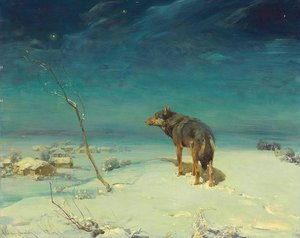
Wolf Rawicki (Ravitzki)
1890 - 1970 , Russia
لمحة سريعة
- Full Name: Ze'ev Raban
- Nationality: Israeli
- Date Of Birth: 1890
- Date Of Death: 1970
- Place Of Birth: Kaunas, Russia
- Notable Artworks:
- Elijah
- Standing Hanukkah Lamp
- Capitoline Wolf
- Artistic Movement Or Style: Bezalel School Style
مقالات ذات صلة
The Barbizon School: A Professional Guide to Naturalism and Landscape Mastery for Interior Designers
Explore the Barbizon School's mastery of naturalism. An expert guide for hotel designers and procurement managers on sourcing high-quality landscape reproductions to elevate hospitality and corporate interiors with authentic, large-scale fine art solutions.
Elizabeth Adela Forbes: A Pioneering Impressionist of the Newlyn School
Explore the life & art of Elizabeth Adela Forbes, a pioneering Impressionist of the Newlyn School. Discover her captivating paintings, unique style, and lasting legacy with OriginalUniqueArt.

The Hague School: Realism, Atmosphere & the Dawn of Dutch Impressionism
Explore the Hague School's pivotal role in Dutch art history. Discover realism, atmospheric landscapes & its influence on Impressionism. Learn about key artists like Mauve & Maris with OriginalUniqueArt.

The Sublime Landscape: Exploring the Hudson River School Movement
Explore the captivating world of the Hudson River School! Discover the history, artists, and defining characteristics of this iconic American art movement. Learn about Romanticism's influence & find inspiration for your collection.

أعلى 10 روائع تحدد مدرسة نهر هدسون: رحلة في الفن الراقي وجمال الطبيعة
اكتشف روائع مدرسة نهر هدسون! استكشف 10 لوحات فنية خالدة لـ Thomas Cole و Frederic Church وغيرهم. فن أمريكي رومانسي، مناظر طبيعية خلابة وألوان ترابية ساحرة. احصل على أعمال فنية راقية لديكور منزلك على OriginalUniqueArt.com
