

 معاينة الحجم الواقعي
 إرسال
إرسال مشاركة
 عرض التفاصيل
 دليل الأعمال الفنية للطلاب

 تحميل
تحميل
 قطع مشابهة
 الأشعة السينية
 عرض شرائح متتابع
 الإحصائيات
Marion Crossing the Peedee
 Oil On Canvas
- WallArt
- American Genre Painting
 1850
1850- 19th Century
 188.0 x 127.0 cm
 Amon Carter Museum of American Art
 اقرأ المزيد
احصل على صورة رقمية عالية الدقة ومعزّزة، بجودة تفوق بكثير المعاينة عبر الإنترنت.
يتم إعداد كل ملف بعناية فائقة على أيدي متخصصينا باستخدام أدوات متقدمة ولمسات يدوية خبيرة، لضمان تمتع كل صورة بوضوح استثنائي، ودقة لونية متناهية، وتفاصيل دقيقة.
يتم تسليم الملف النهائي عبر البريد الإلكتروني في غضون 72 ساعة، وهو مُحسَّن للاستخدام الفوري في المجالات المهنية والتحريرية ومجالات الطباعة؛ وهي ذات الجودة التي تعتمد عليها كبرى استوديوهات التصميم ودور النشر والمعارض الفنية المرموقة.
صورة رقمية
حمّل ملفاً عالي الدقة للعرض الشخصي، والطباعة، والمشاريع الإبداعية. ( التبديل إلى المطبوعات اطلب نسخة مرسومة يدويًا)
مزايا مُضمّنة مع كل طلب صورة رقمية
خدمة تسليم رقمي احترافية ومضمونة
عندما تختار OriginalUniqueArt.com، فأنت لا تحصل على مجرد صورة فحسب، بل ستحصل على عمل فني رقمي مُحسّن باحترافية، صُمم بدقة متناهية ومصحوب بضمان الرضا. إليك كل ما يتضمنه طلبك تلقائياً:

تسليم سريع عبر البريد الإلكتروني
ستصلك ملفات صورك الرقمية عالية الدقة عبر البريد الإلكتروني في غضون 72 ساعة من إتمام الطلب - لتكون جاهزة للاستخدام الفوري.

ملف رقمي مُعزز بالذكاء الاصطناعي
يتم تحسين عملك الفني باحترافية باستخدام أدوات الذكاء الاصطناعي المتقدمة والتحرير اليدوي، لضمان أقصى درجات التفاصيل والوضوح ودقة الألوان.

إعادة إرسال مجانية مدى الحياة
هل حذفت ملفك أو فقدته عن طريق الخطأ؟ لا تقلق - سنعيد إرساله إليك في أي وقت، مجاناً.

بدون رسوم استيراد - على الإطلاق
استمتع بأعمالك الفنية فوراً دون أي رسوم جمركية أو ضرائب أو مصاريف شحن - فالتحميلات الرقمية دائماً ما تكون معفاة من الضرائب.

ضمان دقة الألوان
نضمن لك دقة انعكاس الألوان الأصلية في صورتك الرقمية بأقصى قدر ممكن، وذلك باستخدام أدوات احترافية وتقنيات متطورة لإدارة الألوان.

ضمان الرضا لمدة 100 يوم
إذا لم تكن راضياً عن صورتك الرقمية، فسنقوم بتعديلها أو استرداد 100% من قيمتها خلال 100 يوم - دون طرح أي أسئلة.

ضمان استعادة الأموال بنسبة 100%
لم تكن راضياً؟ استرد كامل المبلغ خلال 100 يوم من استلام ملفك الرقمي - دون طرح أي أسئلة.

خصومات الطلبات الكبيرة
اشتري 3 صور، ووفر 10% - اشتري 5، ووفر 15% - اشتري +10، ووفر 20%. مثالية للمشاريع الإبداعية، والمعارض، والوكالات.
A Journey Through Time: The Spirit of the American Frontier
In the sweeping expanse of William Tylee Ranney’s Marion Crossing the Peedee, we are not merely observers of a landscape, but witnesses to a pivotal moment in the American narrative. Painted in 1850, this masterful oil on canvas captures a scene of profound movement and historical weight. The composition centers on a bustling river crossing, where figures, horses, and even a faithful dog navigate the unpredictable waters of the Peedee River. There is an undeniable sense of drama unfolding within the frame; the way the boat is laden with life suggests a community in transition, embodying the very essence of westward expansion and the rugged resilience required to tame a new frontier. For the collector, this piece offers more than just a visual feast; it provides a window into the soul of 19th-century America, evoking themes of exploration, interdependence, and the shared struggle of pioneer life.
The technical prowess displayed in this work is nothing short of extraordinary, making it a centerpiece worthy of any sophisticated interior. Ranney employs a traditional 19th-century realist style, utilizing layered oil techniques to build a world of immense depth and tactile reality. One can almost feel the rough texture of the riverbank’s bark and the heavy folds of the travelers' clothing through his deliberate, visible brushstrokes. The artist masterfully balances organic shapes with a dynamic use of diagonal lines—the angle of the boat and the curve of the shoreline guide the eye through the chaos of the crossing, creating a sense of rhythmic motion. This interplay of light and shadow, particularly under the diffused glow of an overcast sky, lends a cinematic quality to the scene, casting soft highlights on the water and deep, mysterious shadows within the dense foliage.
A Symphony of Earthy Tones and Atmospheric Depth
Color plays a vital role in establishing the emotional temperature of this masterpiece. Ranney avoids garish hues, opting instead for a sophisticated palette dominated by earthy browns, deep forest greens, and muted grays. These tones ground the painting in realism, suggesting the grit and dust of travel. However, these somber shades are punctuated by subtle glints of white and blue in the sky and water, providing much-needed breath and light to the composition. This careful color management creates an atmospheric perspective where distant elements soften into a hazy, ethereal background, pulling the viewer deeper into the vastness of the American landscape.
For interior designers and art enthusiasts alike, Marion Crossing the Peedee serves as a profound emotional anchor. The painting does not just depict a historical event; it evokes a feeling of uncertainty and courage. The dramatic sky, heavy with the promise of change, mirrors the internal state of those navigating the river—a metaphor for the unpredictability of life itself. Whether placed in a grand library, a traditional study, or as a conversation starter in a contemporary living space, this reproduction brings with it an aura of historical prestige and a timeless, adventurous spirit that continues to captivate the modern imagination.
الأسئلة والأجوبة
أين يمكنني العثور على دليل لـ "Marion Crossing the Peedee"؟
تتوفر صفحة دليل تعليمي لعمل "Marion Crossing the Peedee" للفنان ويليام تايلي راني: وهي عبارة عن ورقة حقائق قابلة للطباعة حول العمل الفني، مُصممة خصيصاً للطلاب والاستخدام في الفصول الدراسية.
أين تُعرض "Marion Crossing the Peedee" للفنان ويليام تايلي راني اليوم؟
يمكنكم مشاهدة العمل الأصلي "Marion Crossing the Peedee" في Amon Carter Museum of American Art, فورت وورث, الولايات المتحدة الأمريكية.
ما هي الاستخدامات الموصى بها لنسخة مطبوعة من "Marion Crossing the Peedee" للفنان ويليام تايلي راني؟
الاستخدام الموصى به لنسخة مطبوعة من "Marion Crossing the Peedee" هو Focal.
سيرة الفنان
رائد الفن التصويري الأمريكي: حياة وفن ويليام تايلي راني
يحتل ويليام تايلي راني، المولود في ميدلتاون بولاية كونيتيكت في التاسع من مايو عام 1813، مكانة محورية، وإن كانت مغيبة عن الكثيرين، في سجل الفن الأمريكي خلال القرن التاسع عشر. لم يكن راني نتاجاً للأكاديميات الأوروبية أو الدوائر الفنية المرموقة؛ بل كانت رحلته رحلة اكتشاف ذاتي وانغماس في الروح المتنامية لأمة تتوسع بسرعة نحو الغرب. اتسمت حياته المبكرة بالانتقال إلى فايتفيل، كارولاينا الشمالية، وهو في الثالثة عشرة من عمره ليعيش مع عمه، حيث عمل متدرباً في مهنة صياغة الصفيح؛ وهي حرفة عملية صقلت على الأرجح مهاراته في الملاحظة ودقته المتناهية في التفاصيل، وهي الخصائص التي ستحدد أسلوبه الفني لاحقاً. ورغم أن فترة التدريب هذه بدت بعيدة كل البعد عن عالم الرسم، إلا أنها غرست في راني حساسية واقعية وعيناً ثاقبة تدرك ملامح وتفاصيل الحياة اليومية. وفي نهاية المطاف، كانت نداءات الفن أقوى من أن تُقاوم، مما قاده إلى بروكلين عام 1833 ليتتبع شغفه، معتمداً في تعلمه على موهبته الفطرية وتفانيه الذي لا يلين، رغم كونه معلماً ذاتياً في معظم مراحل مسيرته.من حقول تكساس إلى لوحات القماش: صياغة رؤية فنية فريدة
انفتح فصل مفصلي في حياة راني مع انضمامه غير المتوقع إلى جيش تكساس عام 1836، في أعقاب السقوط المأساوي لقلعة ألامو. لم يكن هذا مجرد دافع وطني فحسب، بل كان غوصاً في عالم مختلف تماماً عن المناظر الطبيعية الهادئة في كونيتيكت وكارولاينا الشمالية. ولمدة تسعة أشهر، عاش راني الواقع الخام لحياة الحدود، حيث خدم تحت قيادة الجنرال سام هيوستن، ويُقال إنه شارك حتى في حراسة سانتا آنا بعد معركة سان جاسينتو. لم تكن هذه التجارب مجرد تفاصيل سيرة ذاتية، بل أصبحت الحجر الأساس لرؤيته الفنية؛ فعند عودته إلى بروكلين عام 1837، لم يشرع راني في رسم الملاحم التاريخية الكبرى للحروب أو الأبطال، بل ركز بدلاً من ذلك على حياة أولئك الذين سكنوا تلك المساحات: الصيادين، والمصيدين، والرواد، والأفراد العاديين الذين كانوا يصيغون وجوداً جديداً في الحدود الأمريكية. وقد أعلن نجاحه المبكر بلوحة "مشهد مغازلة" في الأكاديمية الوطنية للتصميم عام 1838 عن وصول موهبة واعدة، لكن قدرته على ترجمة التجارسات الحسية العميقة في تكساس إلى قصص بصرية آسرة هي ما ميزته حقاً؛ فهو لم يكن يكتفي بمجرد *تصوير* الغرب، بل كان ينقل أجوائه، وتحدياته، ودراماه المتأصلة بأصالة نادرة في ذلك العصر.سيد المشاهد الرياضية والفنية: عالم مفعم بالتفاصيل
يتميز أسلوب راني الفني بواقعية مذهلة واهتمام دقيق بالتفاصيل، إذ لم يكن مهتماً بالتمثيلات المثالية أو الرؤى الرومانسية، بل سعى لالتقاط الحياة كما هي، بكل تعقيداتها وظلالها. تزدحم لوحاته بشخصيات نُفذت بصلابة نحتية، حيث تم البحث بدقة في ملابسهم ومعداتهم وتصويرها بعناقة. ولم يقتصر هذا التفاني على الشخصيات فحسب، بل امتد ليشمل المناظر الطبيعية ذاتها، التي لم تكن مجرد خلفيات، بل عناصر جوهرية في السرد القصصي. وتجسد لوحة "On the Wing" (في جناح الطائر) — وهي ربما أشهر أعماله والموجودة في نسخ متعددة — هذا النهج؛ حيث تلتقط اللوحة لحظة عابرة من نجاح صيد بوضوح فوتوغرافي تقريباً، مستعرضة براعة راني في التحكم بالضوء والملمس والتكوين. وبالمثل، فإن أعمالاً مثل "Prairie Burial" (دفن في البراري) و"Scouting Party" (فرقة الاستطلاع) مشبعة بإحساس بالدراما الهادئة والعمق النفسي، كاشفة عن الصعاب والقدرة على الصمود لدى أولئك الذين غامروا بدخول المجهول. وإلى جانب مشاهد الغرب، برع راني أيضاً في فن الرياضة، لا سيما تصوير صيد البط والموضوعات الفروسية، بالإضافة إلى اللوحات التاريخية التي تركز على الحياة اليومية خلال الثورة الأمريكية.الإرث والأهمية: صوت أمريكا ما قبل الحرب الأهلية
بحلول أوائل خمسينيات القرن التاسnineteenth، كان راني قد رسخ مكانته كشخصية رائدة في الفن الأمريكي، مساهماً بانتظام في المعارض في الأكينة الوطنية للتصميم والاتحاد الأمريكي للفنون. وقد وفر له انتقاله إلى ويست هوبوكين، نيوجيرسي، عام 1853 مرسماً يطل على أفق مانهاتن وإمكانية الوصول إلى المناظر الطبيعية التي استمرت في إلهام أعماله. وقد اعتُبر أول رسام تصويري رئيسي يثبت وجوده حقاً في نيوجيرسي، وامتد تأثيره إلى ما وراء حدود الولاية. ومن المؤسف أن مسيرة راني المهنية انقطعت بسبب المرض؛ حيث توفي في 18 نوفمبر 1857، على الأرجح بسبب السل، عن عمر يناهز أربعة وأربعين عاماً. ورغم حياته القصيرة نسبياً، إلا أن تأثيره على الفن الأمريكي لا يمكن إنكاره؛ فقد ساعد في نشر تصوير الغرب الأمريكي وساهم بشكل كبير في تطوير الرسم التصويري (Genre Painting)، مركزاً على حياة الناس العاديين بدلاً من الأحداث التاريخية الكبرى أو الصور الشخصية للأرستقراطيين. وقد أدرك معاصروه أهميته، حيث لاحظ أحد المراقبين أن "نموذجاً من أعمال راني لا غنى عنه في أي مجموعة تضم فناً أمريكياً". واليوم، يقف ويليام تايلي راني كحلقة وصل حيوية بين التقاليد المبكرة للمناظر الطبيعية والرسم التصويري الأمريكي وبين الحركات الفنية الأكثر تعقيداً التي ظهرت في أعقاب الحرب الأهلية، ليبقى عمله شهادة قوية على روح الاستكشاف، والقدرة على الصمود، والجمال الخالد للحياة اليومية في أمريكا القرن التاسع عشر.أعمال بارزة
- "On the Wing"
- "Prairie Burial"
- "Scouting Party"
- "Hunting Wild Horses"
- "Trapper's Last Shot"
- "The Match Boy"
- "Old Oaken Bucket"
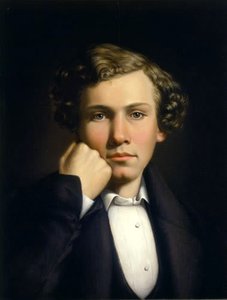
ويليام تايلي راني
1813 - 1857 , الولايات المتحدة الأمريكية
حقائق سريعة
- Artistic Movement Or Style: الرسم النوعي، الرومانسية
- Artists Or Movements Influenced By This Artist: رسامو النوع الأمريكيين
- Date Of Birth: 9 مايو 1813
- Date Of Death: 18 نوفمبر 1857
- Full Name: ويليام تايلي راني
- Nationality: أمريكي
- Notable Artworks:
- أثناء الطيران
- دفن في البراري
- فريق الاستطلاع
- الاستعادة
- ماريون تعبر نهر بيدي
- Place Of Birth: ميدلتون، الولايات المتحدة الأمريكية