
 معاينة الحجم الحقيقي
 مشاركة
 مشاركة
 التفاصيل

 تحميل الملف
 قطع مشابهة
 الأشعة السينية
 عرض شرائح
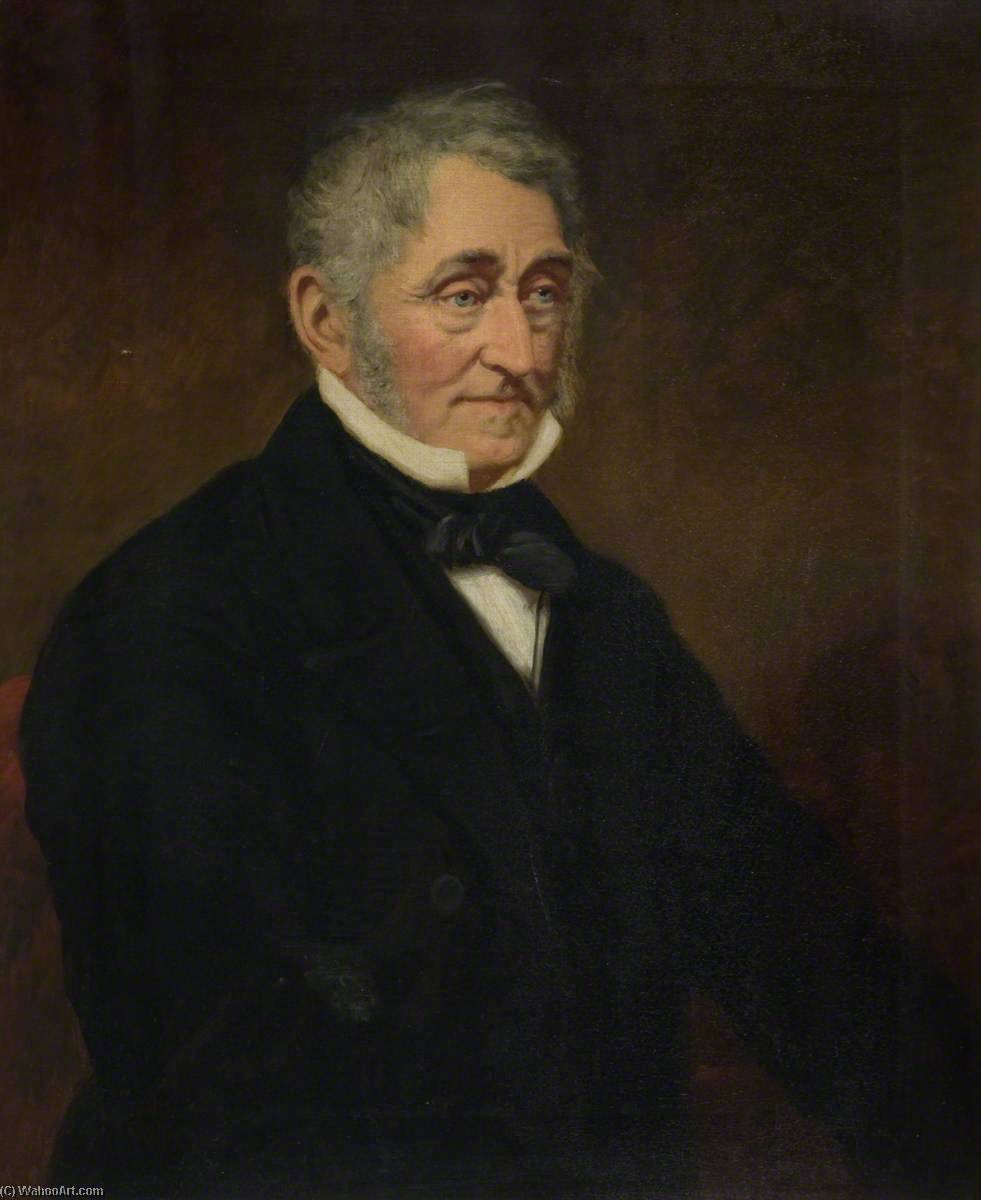
George Vertue
 Contemporary Realism
 75.0 x 62.0 cm
 Nhs Lothian
 عرض المزيد
نسخة زيتية مصنوعة يدوياً
لوحة زيتية مرسومة يدوياً على الكانفاس بالمقاس والإطار الذي تفضله، تُنفذ حسب الطلب على أيدي فنانينا. ( اشترِ نسخة مطبوعة اشترِ الصورة)




































اختر من بين أحجامنا المُعدّة مسبقًا والتي تتطابق مع النسب الأصلية للعمل الفني.

يمكنك إدخال أبعادك الخاصة لتناسب إطارًا معينًا أو مساحة محددة. وإذا لم يتطابق الحجم الذي اخترته مع نسب الصورة الأصلية، فسنقوم إما بقص العمل الفني أو توسيع اللوحة بإضافة عناصر مرسومة يدويًا. سيتم إرسال نموذج رقمي إليك للموافقة عليه قبل بدء الإنتاج.
يرجى ملاحظة أن المعاينة على الشاشة لا تعكس عملية القص أو التوسيع الفعلية؛ حيث إن النموذج الرقمي وحده هو الذي سيوضح التكوين النهائي بدقة.
وعلى الرغم من توفر أحجام مخصصة، إلا أننا نوصي باختيار أبعاد من القائمة المحددة مسبقًا للحفاظ على النسب الأصلية للعمل الفني.
بعد إتمام الطلب، سيرسل فريق OriginalUniqueArt.com بريداً إلكترونياً للعميل لطلب التعليمات وتزويده بمعاينة تجريبية (mockup).
توصيل عالمي إلى خلال 3 إلى 4 أسابيع بدلاً من المدة المعتادة البالغة 5 أسابيع. (22 أغسطس). جودة لا تهاون فيها.

شحن سريع ومجاني لجميع أنحاء العالم

قماش كتان عالي الجودة

تأمين شحن شامل

ضمان استرداد الرسوم الجمركية

ضمان مطابقة الألوان الحقيقية

سياسة الإرجاع خلال 60 يومًا (في حالات العيوب فقط)

ضمان استرداد نقدي بنسبة 100%

خصم عند طلب عدة قطع
 خيار الزجاج متاح فقط للمقاسات التي تقل عن 110 سم

George Vertue
خامة إعادة الإنتاج
مقاس النسخة المطبوعة
-


السعر الإجمالي النهائي
$ 300
السيرة الذاتية للفنان
William Smellie Watson: A Portraitist of Victorian Dignity
William Smellie Watson (1796-1874) stands as a quietly significant figure in 19th-century Scottish art, a master portraitist whose meticulous technique and discerning eye captured the essence of his subjects – from royalty to prominent figures of Edinburgh society. While he may not command the immediate recognition afforded to some of his contemporaries, Watson’s work reveals a profound understanding of human character and a dedication to realism that elevates his portraits beyond mere likenesses, offering instead glimpses into the lives and personalities of those depicted.
Born in 1796, Watson's artistic journey began under the tutelage of George Watson, a respected portrait painter in Edinburgh. This early training instilled within him a commitment to capturing the nuances of expression and the subtle details that defined an individual’s presence. Watson’s formative years coincided with a period of significant social and political change in Britain – the rise of industrialization, the expansion of the British Empire, and the burgeoning influence of the Royal Academy in London. These shifts undoubtedly shaped his artistic sensibilities, encouraging him to observe keenly and to translate his observations onto canvas.
Watson’s career unfolded primarily within the context of Edinburgh's artistic community. He established a strong connection with the Royal Scottish Academy, exhibiting regularly and contributing to its development as a platform for showcasing local talent. His style evolved over time, moving from more traditional approaches towards a greater emphasis on capturing psychological depth and emotional resonance. He was particularly adept at portraying subjects in moments of quiet contemplation or dignified bearing – qualities that resonated deeply with the Victorian ethos of propriety and self-control.
A Master of Detail: Technique and Style
Watson’s technical skill is immediately apparent in his portraits, characterized by a remarkable level of detail and precision. He employed a meticulous approach to rendering textures—the drape of clothing, the sheen of polished surfaces, the delicate contours of faces—creating an illusion of tangible reality. His use of light and shadow was particularly masterful, subtly shaping forms and drawing attention to key features while maintaining a sense of atmospheric depth. He favored oil paints, allowing him to build up layers of color gradually, achieving rich tonal values and subtle gradations.
Crucially, Watson’s portraits weren't simply technical exercises; they were infused with an understanding of anatomy and perspective. He studied the human form intently, meticulously observing proportions and gestures. This anatomical knowledge informed his ability to create figures that appeared both lifelike and imbued with inner life. His self-portrait, a remarkably introspective work, offers a direct window into this process – a study in observation and self-awareness.
Notable Portraits: A Gallery of Victorian Dignity
Among Watson’s most celebrated works are his portraits of Prince William (later King William IV), a testament to his ability to capture the regal bearing and quiet dignity of royalty. His depiction of George Vertue, the musicologist and publisher, showcases his talent for portraying intellectual figures with both intelligence and warmth. The portrait reveals a keen understanding of Vertue’s character—his thoughtful gaze and slightly furrowed brow conveying a sense of scholarly intensity.
Furthermore, Watson's work includes several notable commissions from Edinburgh society, including members of the merchant class and prominent academics. These portraits offer valuable insights into the social fabric of Victorian Scotland – reflecting the values, aspirations, and anxieties of a rapidly changing nation. The portrait of William Walker, a leading surgeon, exemplifies his ability to capture the gravitas and authority associated with professional figures.
Legacy and Influence
William Smellie Watson’s legacy extends beyond the individual portraits he created. He played a significant role in fostering the development of portrait painting within Scotland, contributing to the Royal Scottish Academy and mentoring younger artists. His meticulous technique and commitment to realism influenced subsequent generations of Scottish painters, shaping the artistic landscape of the late 19th century.
While his name may not be as widely recognized as some of his contemporaries, William Smellie Watson’s portraits remain valuable windows into the Victorian era – offering a nuanced and compelling glimpse into the lives and personalities of those who shaped Scotland's history. His dedication to capturing human dignity and psychological depth ensures that his work continues to resonate with viewers today.

william smellie watson
1796 - 1874
حقائق سريعة
- Artistic Movement Or Style: Portrait Painting
- Artists Or Movements Influenced By This Artist: ['Royal Scottish Academy']
- Artists Who Influenced This Artist: ['George Watson (painter)']
- Date Of Birth: 1796
- Date Of Death: 1874
- Full Name: William Smellie Watson
- Nationality: Scottish
- Notable Artworks:
- Self Portrait
- George Vertue
- Place Of Birth: WahooArt
مقالات ذات صلة

أعمال جورج براك الخالدة: 25 تحفة فنية تزين منزلك بلمسة فنية راقية
اكتشف 25 تحفة فنية لجورج براك، رائد الت تكعيبية. تعرف على قصص لوحاته الخالدة وألوانها الفريدة. طباعة لوحات أصلية عالية الجودة لديكور منزلي فاخر. استكشف المجموعة الكاملة الآن على OriginalUniqueArt.com!

أعمال جورج سورا الخالدة: 25 تحفة فنية تزين منزلك بلمسة فنية راقية
اكتشف 25 تحفة فنية آسرة لجورج سورا، رائد النقطية والانطباعية الجديدة. استكشف قصص لوحاته الخالدة وألوانها المذهلة. احصل على إعادة إنتاج عالية الجودة لديكور منزلي فاخر على OriginalUniqueArt.com

The Enduring Legacy of Oil on Canvas: Technique, History & Aesthetic Impact
Explore the rich history & techniques of oil painting – from Renaissance masters to Impressionism. Discover pigments, layering methods, and why this timeless medium endures. Expert insights for artists & art enthusiasts.
18th Century Masters: 10 Artworks That Define an Era | OriginalUniqueArt
Journey through 18th century art! Explore 10 iconic paintings – from Rococo elegance to Neoclassical grandeur. Discover Fragonard, David & more. Find museum-quality reproductions and elevate your home decor on OriginalUniqueArt.com.

Oil on Canvas: A Historical & Technical Exploration of a Timeless Artistic Medium
Explore the rich history & enduring techniques of oil painting on canvas. Discover the science behind its longevity, conservation practices, and contemporary relevance. Expert insights for art enthusiasts.

