التبديل إلى نسخة مطبوعة
 عرض المزيد







































 بالنسبة للأعمال الفنية أو النسخ المطبوعة التي يتجاوز طول أي من أضلاعها 105 سم (حوالي 41 بوصة)، سيتم شحن الإطار كمجموعة مفككة؛ حيث تضمن هذه الطريقة سلامة التوصيل وتمنع حدوث أي أضرار أثناء النقل.


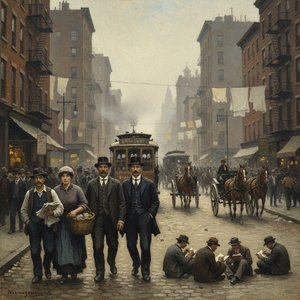
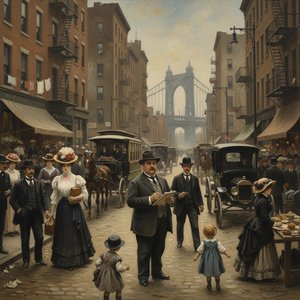
The Green Car: A Snapshot of Urban Life in Early Twentieth Century New York
William James Glackens’ “The Green Car,” painted in 1910, isn't merely a depiction of a winter scene; it’s a crystallized moment of American modernity. Currently residing at the Metropolitan Museum of Art, this oil on canvas captures the bustling energy and gritty realism championed by the Ashcan School—a movement that deliberately rejected the idealized beauty favored by the National Academy of Design.
Artist & Style: Glackens’ approach aligns closely with Frederick Childe Hassam's own winter landscapes, demonstrating a shared fascination for portraying everyday life against a backdrop of atmospheric conditions. However, unlike Hassam’s softer brushstrokes and romanticized vistas, Glackens employs a darker palette—primarily muted greens and yellows—to convey the chill of the season and imbue his subject matter with palpable emotion.
Composition & Technique: The painting's composition is deceptively simple. A prominent green trolley car dominates the center frame, transporting passengers amidst a throng of pedestrians traversing Washington Square Park. Glackens’ masterful technique utilizes thick impasto—a textured surface created by applying paint thickly—to build up volume and capture the subtle nuances of light and shadow. This method lends an immediacy to the scene, inviting viewers into the wintry tableau.
- Key Elements: Notice the careful placement of figures – some huddled under umbrellas, others strolling leisurely – reflecting the social dynamics of the era.
- Background Details: The inclusion of a bus and a truck reinforces the sense of urban activity, grounding the scene in the tangible realities of New York City life.
Historical Context & Symbolism: Painted during the burgeoning industrial age, “The Green Car” speaks to anxieties about urbanization and social change. The trolley car itself symbolizes progress—albeit a somewhat uncomfortable one—while the snow-covered landscape serves as a visual metaphor for hardship and resilience. Glackens’ intention wasn't to celebrate beauty but to confront viewers with an honest portrayal of human experience.
Emotional Impact: Ultimately, “The Green Car” succeeds in transporting us back to 1910. The painting evokes feelings of solitude amidst the crowd, capturing a fleeting glimpse into the lives of ordinary people navigating the complexities of modern life. It’s a testament to Glackens' ability to distill emotion and atmosphere onto canvas—a skill that continues to resonate with audiences today.
For more information on William James Glackens and his artistic vision, visit OriginalUniqueArt.com. Explore similar works by Gustave Klimt – “Portrait of Serena Lederer” – to appreciate the distinctive stylistic explorations of Art Nouveau.
الأسئلة والأجوبة
هل ألوان "The Green Car" للفنان ويليام جيمس غلاكنز مشبعة أم خافتة؟
تتميز ألوان "The Green Car" للفنان ويليام جيمس غلاكنز بدرجة تشبع Balanced Soft، حيث يعبر التشبع عن مدى حيوية الألوان أو خفوتها.
كيف يربط عمل "The Green Car" للفنان ويليام جيمس غلاكنز بين Contemporary Realism والوطن الأم للفنان؟
أُنجز العمل الذي ينتمي إلى مدرسة Contemporary Realism بعنوان "The Green Car" على يد فنان وُلد في الولايات المتحدة الأمريكية.
هل يتوفر "The Green Car" كنسخة مطبوعة فنية فاخرة؟
يمكنكم الحصول على نسخة مطبوعة من "The Green Car" عبر مطبوعة فنية فاخرة على قماش قطني أو ورق كانفاس أرشيفي. كما يمكنكم تقديم طلباتكم بالحجم الذي تفضلونه من خلال صفحة مطبوعة فنية فاخرة.
 معاينة الحجم الواقعي
 مشاركة
 مشاركة
 التفاصيل
 دليل
دليل

 تحميل الملف
 قطع مشابهة
 الأشعة السينية
 عرض شرائح
 الأسئلة والأجوبة
 الإحصائيات