
 مشاركة
 مشاركة
 التفاصيل

 تحميل الملف
 قطع مشابهة
 عرض شرائح
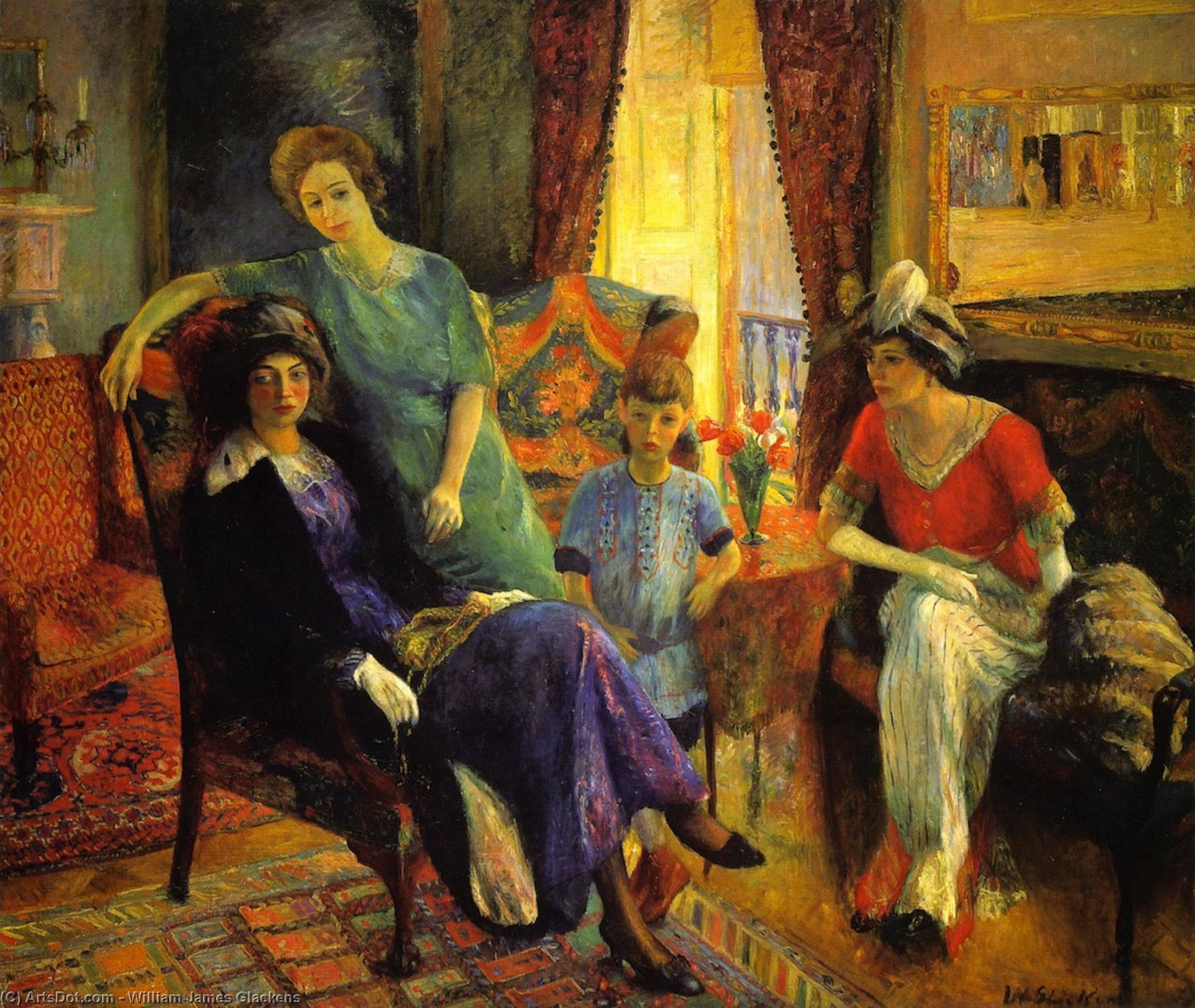
Family group


 عرض المزيد
طباعة جيلي / مطبوعات فنية
طباعة جيكلي أو كانفاس بجودة المتاحف، مع سرعة في التنفيذ وخيارات متنوعة للتشطيب. ( اشترِ لوحة مرسومة يدويًا اشترِ الصورة)




































اختر من بين أحجامنا المُعدّة مسبقًا والتي تتطابق مع النسب الأصلية للعمل الفني.

يمكنك إدخال أبعادك الخاصة لتناسب إطاراً أو مساحة معينة. وإذا لم يتطابق الحجم الذي اخترته مع نسب الصورة الأصلية، فسنقوم إما بقص العمل الفني أو تمديد الصورة باستخدام حافة معكوسة أو بلون مصمت. سيتم إرسال نموذج تجريبي رقمي لاعتمادك قبل بدء الإنتاج.
يرجى ملاحظة أن المعاينة على الشاشة لا تعكس عملية القص أو التمديد الفعلية؛ حيث سيوضح النموذج التجريبي فقط التكوين النهائي بدقة.
وعلى الرغم من توفر أحجام مخصصة، إلا أننا نوصي باختيار أبعاد من القائمة المحددة مسبقاً للحفاظ على النسب الأصلية.
توصيل عالمي إلى خلال أسبوعين بدلاً من المدة القياسية البالغة 4/5 أسابيع. 20 أغسطس

شحن سريع ومجاني لجميع أنحاء العالم

قماش كتان عالي الجودة

تأمين شحن شامل

ضمان استرداد الرسوم الجمركية

ضمان مطابقة الألوان الحقيقية

سياسة الإرجاع خلال 60 يومًا (في حالات العيوب فقط)

ضمان استرداد نقدي بنسبة 100%

خصم عند طلب عدة قطع
 خيار الزجاج متاح فقط للمقاسات التي تقل عن 110 سم

Family group
طباعة جيلي / مطبوعات فنية
مقاس النسخة المطبوعة
-


السعر الإجمالي النهائي
$ 80
وصف القطعة الفنية
Family Group (1950) - Henry Moore
Henry Moore’s “Family Group,” created in 1950, stands as a cornerstone of British sculpture and exemplifies the artist's signature approach to exploring human form and its relationship with landscape. Commissioned for Barclay School in Stevenage, Hertfordshire, this monumental bronze embodies Moore’s profound belief that art should communicate universal themes of intimacy, vulnerability, and connection—themes powerfully conveyed through his distinctive reductive style.The Artist and His Style: A Pioneer of Organic Form
Henry Moore (1898-1976) was a transformative figure in 20th-century sculpture, rejecting the prevailing geometric abstraction of his time to champion an aesthetic rooted in nature’s contours. Influenced by Surrealism and African art—particularly sculptures depicting stylized human figures—Moore developed a technique known as “organic form,” characterized by simplified shapes that mimic natural forms like pebbles, shells, and tree trunks. This method prioritizes the underlying structure of matter, reducing complex shapes to essential geometric elements while retaining their expressive qualities. Moore’s meticulous attention to detail—evident in the subtle curves and indentations of his sculptures—created a tactile experience for viewers, inviting contemplation on the beauty and resilience of human existence.A Symbol of Family Unity: Composition and Narrative
“Family Group” depicts three figures seated on a bench – a woman, a man, and a child – representing the idealized image of a nuclear family. The sculpture’s deliberate arrangement—the figures leaning slightly back towards each other, their arms curving inwards—creates a sense of warmth and interdependence. Moore famously described this gesture as “the arms of the mother and the father intertwine with the child forming a knot between them, tying the three into a family unity.” This symbolic depiction speaks to fundamental human desires for connection and protection, resonating deeply with audiences across generations. The positioning of the figures—slightly elevated from the bench—suggests a sense of serenity and stability, mirroring the enduring strength of familial bonds.Technique and Material: Bronze Casting – A Legacy of Precision
Moore’s masterful use of bronze casting represents a triumph of craftsmanship and embodies the artist's commitment to exploring material qualities. The sculpture was created using the lost wax method—a technique dating back millennia—which involves creating a detailed clay model, investing it in wax, melting away the wax to create a mold, pouring molten bronze into the mold, and painstakingly removing the solidified metal to reveal the finished piece. This process ensures exceptional accuracy and surface finish, allowing for subtle variations in texture and color that enhance the sculpture’s visual impact. The resulting bronze possesses an inherent luminosity and solidity—a testament to Moore's dedication to capturing both form and substance—creating a timeless artwork that continues to inspire admiration and contemplation.Historical Context: Postwar Britain and Artistic Renewal
“Family Group” emerged during a period of significant artistic renewal in postwar Britain, following the devastation of World War II. The commission for Barclay School reflected a broader effort to revitalize public spaces and foster optimism about the future—themes powerfully expressed through Moore’s sculptural explorations of human form and natural landscapes. This artwork stands as an emblem of British resilience and creativity, demonstrating Moore's ability to translate complex philosophical ideas into emotionally resonant visual experiences. Its enduring appeal underscores the power of art to communicate universal values and inspire a sense of wonder about the beauty of the natural world.السيرة الذاتية للفنان
رائد مدرسة آشكان
ويليام جيمس غلاكنز، شخصية بارزة في الفن الأمريكي، ترك بصمة لا تُمحى على قماش التاريخ بلوحاته الواقعية الآسرة. وُلد غلاكنز في فيلادلفيا بولاية بنسلفانيا عام 1870، وكانت رحلته الفنية شهادة على شغفه الذي لا يتزعزع بتصوير جوهر الحياة اليومية.الحياة المبكرة والتأثيرات
اتسمت سنوات غلاكنز الأولى بميل فطري نحو الفن، ما دفعه للتسجيل في أكاديمية بنسلفانيا للفنون الجميلة. تحت إشراف توماس أنشووتز، الواقعي الشهير، صقل غلاكنز مهاراته، ليصبح في نهاية المطاف أحد مؤسسي مدرسة آشكان. لقد رفضت هذه الحركة الحدود التقليدية للجمال الفني، مفضلة التركيز بدلاً من ذلك على الحقائق القاسية للحياة الحضرية الكبرى.المسيرة الفنية
يتميز عمل غلاكنز بمشاهده الشارعية ذات الألوان الداكنة والنابضة بالحياة وتصويره للحياة اليومية في نيويورك وباريس قبل الحرب العالمية الأولى. أما أعماله اللاحقة، المتأثرة بـ رينوار، فقد أظهرت نبرة أكثر إشراقًا، مما عكس نموه كفنان. ومن الجدير بالذكر أن غلاكنز عمل أيضًا كمصوّر توضيحي للصحف والمجلات في فيلادلفيا ومدينة نيويورك.- تُعد لوحة منظر هارلم بمواقع التبييض، للفنان جاكوب إيزاكزون فان رويزدايل (رويزدايل)، مثالاً على مستوى التفاصيل والحرفية التي تحدد عمل غلاكنز. وهذه القطعة جزء الآن من مجموعة في متحف كرايسلر للفنون.
- تُعتبر تحفة غلاكنز الخاصة، المتسوقون، شهادة على مهارته في التقاط جوهر الحياة الحضرية. ويمكن العثور على هذه اللوحة في مجموعة الواقعية الجديدة على موقع OriginalUniqueArt.com.
الإرث والتأثير
مساهمات غلاكنز في الفن الأمريكي متعددة الأوجه، وتمتد إلى ما وراء أعماله الخاصة. فقد لعب دورًا محوريًا في مساعدة ألبرت سي. بارنز على اقتناء لوحات أوروبية لـ مؤسسة بارنز في فيلادلفيا. وأصبحت هذه المجموعة حجر الزاوية في تاريخ الفن الأمريكي. أعمال ومجموعات رئيسية: * المتسوقون (الواقعية الجديدة، زيت على قماش، متحف كرايسلر للفنون) * منظر هارلم بمواقع التبييض (رويزدايل، قلعة سفورزا، ميلان، إيطاليا) قراءات موصى بها: * [https://OriginalUniqueArt.com/@/william-james-glackens](https://OriginalUniqueArt.com/@/william-james-glackens) - استكشف المجموعة الواسعة من أعمال غلاكنز على OriginalUniqueArt.com. * [https://en.wikipedia.org/wiki/william_glackens](https://en.wikipedia.org/wiki/william_glackens) - تعمق في السيرة الذاتية المفصلة لويليام جيمس غلاكنز على ويكيبيديا.
ويليام جيمس غلاكنز
1870 - 1938 , الولايات المتحدة الأمريكية
حقائق سريعة
- أعمال بارزة:
- المتسوقون
- عرض هارلم
- الاسم الكامل: ويليام جيمس غلاكنز
- الجنسية: أمريكي
- الحركة الفنية: مدرسة أشكان
- الفنانون المؤثرون: ['توماس أنشوتز']
- الفنانون المتأثرون: ['بيير أوغست رينوار']
- تاريخ الميلاد: فيلادلفيا، الولايات المتحدة (1870)
- تاريخ الوفاة: وستبورت، كونيتيكت (1938)
- مكان الميلاد: فيلادلفيا، الولايات المتحدة الأمريكية
مقالات ذات صلة

Bronze Age to Modern Masters: 10 Sculptures That Redefined Art | OriginalUniqueArt
Journey through art history with 10 legendary bronze sculptures – from Michelangelo's David to Rodin’s Thinker. Explore the stories, techniques & timeless beauty of these masterpieces. Find museum-quality reproductions & elevate your home decor on OriginalUniqueArt.com.

Bronze Sculptures That Defined Art History | OriginalUniqueArt
Journey through art history with our Top 10 bronze sculptures! Explore masterpieces by Rodin, Michelangelo & more. Discover stories behind iconic statues and find museum-quality reproductions for your home decor at OriginalUniqueArt.com.

The Enduring Legacy of Bronze: A Historical & Artistic Exploration for the Collector
Explore the rich history & enduring appeal of bronze sculpture with expert insights for collectors at OriginalUniqueArt. Learn about casting techniques, iconic artists, collecting tips & contemporary interpretations.
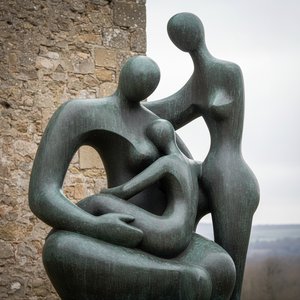
Henry Moore: Sculpting Modernity – Form, Emotion & the Human Condition
Explore the revolutionary sculptures of Henry Moore – abstract forms, reclining figures & powerful expressions of the human condition. Discover his legacy & artistic process with OriginalUniqueArt.
The Enduring Legacy of Bronze: History, Technique & Artistic Expression for the Collector
Explore the rich history & enduring appeal of bronze sculpture with expert insights for collectors at OriginalUniqueArt. Learn about casting techniques, iconic artists, and collecting tips.


