- الرئيسية

- طباعة على كانفاس
- ويليام هوغارث
- Satan, Sin and Death
 معاينة الحجم الحقيقي
 مشاركة
 مشاركة
 التفاصيل

 تحميل الملف
 قطع مشابهة
 الأشعة السينية
 عرض شرائح
Satan, Sin and Death

 عرض المزيد
طباعة جيلي / مطبوعات فنية
طباعة جيكلي أو كانفاس بجودة المتاحف، مع سرعة في التنفيذ وخيارات متنوعة للتشطيب. ( التحويل إلى لوحة مرسومة يدوياً التبديل إلى الصورة)




































اختر من بين أحجامنا المُعدّة مسبقًا والتي تتطابق مع النسب الأصلية للعمل الفني.

يمكنك إدخال أبعادك الخاصة لتناسب إطاراً أو مساحة معينة. وإذا لم يتطابق الحجم الذي اخترته مع نسب الصورة الأصلية، فسنقوم إما بقص العمل الفني أو تمديد الصورة باستخدام حافة معكوسة أو بلون مصمت. سيتم إرسال نموذج تجريبي رقمي لاعتمادك قبل بدء الإنتاج.
يرجى ملاحظة أن المعاينة على الشاشة لا تعكس عملية القص أو التمديد الفعلية؛ حيث سيوضح النموذج التجريبي فقط التكوين النهائي بدقة.
وعلى الرغم من توفر أحجام مخصصة، إلا أننا نوصي باختيار أبعاد من القائمة المحددة مسبقاً للحفاظ على النسب الأصلية.
توصيل عالمي إلى خلال أسبوعين بدلاً من المدة القياسية البالغة 4/5 أسابيع. 1 أغسطس

شحن سريع ومجاني لجميع أنحاء العالم

قماش كتان عالي الجودة

تأمين شحن شامل

ضمان استرداد الرسوم الجمركية

ضمان مطابقة الألوان الحقيقية

سياسة الإرجاع خلال 60 يومًا (في حالات العيوب فقط)

ضمان استرداد نقدي بنسبة 100%

خصم عند طلب عدة قطع
 خيار الزجاج متاح فقط للمقاسات التي تقل عن 110 سم

Satan, Sin and Death
طباعة جيلي / مطبوعات فنية
مقاس النسخة المطبوعة
-


السعر الإجمالي النهائي
$ 80
وصف القطعة الفنية
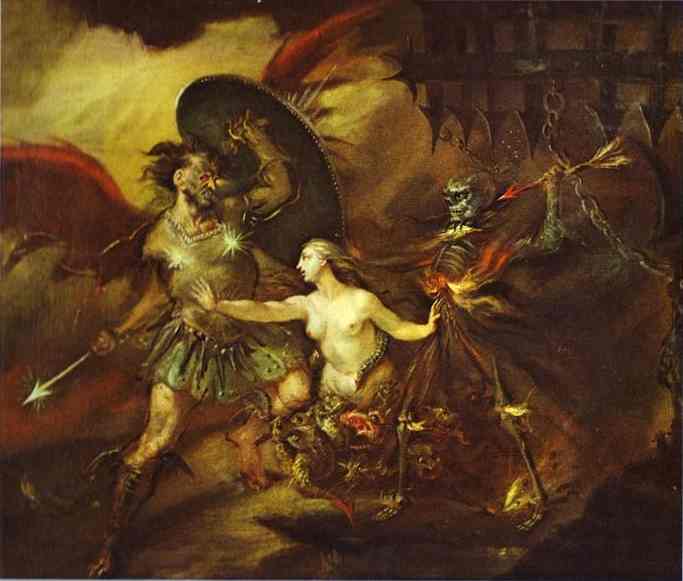
A Grim Allegory of Temptation: William Hogarth’s Satan, Sin and Death
William Hogarth (1697 – 1764), a titan amongst English painters and printmakers of the Enlightenment era, possessed an unparalleled ability to distill complex social anxieties into visually arresting narratives. His oeuvre transcends mere depiction; it's a meticulously crafted critique of human folly, underpinned by a profound understanding of classical influences blended seamlessly with burgeoning modern sensibilities. “Satan, Sin and Death,” also known as “The Progress of Vice,” etched in 1735, exemplifies Hogarth’s distinctive genius – an engraving that continues to resonate centuries later as a chilling portrait of moral decay and the seductive allure of corruption.- Subject Matter & Narrative Complexity: The scene portrays a woman, seemingly abandoned and vulnerable, clutching at a man adorned in armor—a deliberate allusion to biblical figures representing righteousness and protection. However, this fragile alliance is overshadowed by the looming presence of Satan himself, depicted as a grotesque caricature embodying avarice and deceit. Hogarth’s masterful storytelling unfolds across multiple plates, charting the woman's descent from innocence into moral ruin through successive stages of vice: gambling, prostitution, and ultimately, death.
- Stylistic Influences & Baroque Echoes: Hogarth’s style owes considerable debt to the Baroque tradition, particularly its dramatic chiaroscuro—the stark contrast between light and dark—which amplifies emotional intensity. Yet, unlike the grandeur of Baroque canvases, Hogarth employs a flattened perspective and meticulous detail to heighten realism and underscore the psychological torment experienced by his subjects. This deliberate stylistic choice serves not merely aesthetic purpose but reinforces the engraving’s didactic intent.
Symbolism & Moral Critique
The imagery within “Satan, Sin and Death” is laden with symbolic significance. The woman represents humanity susceptible to temptation, while Satan embodies the destructive forces of evil that undermine moral virtue. The castle backdrop symbolizes societal institutions—particularly the Church—that fail to safeguard individuals from corruption. Chains hanging overhead symbolize imprisonment – not merely physical but spiritual – representing the inescapable consequences of indulging in sinful behavior. Hogarth’s aim wasn't simply to shock his audience; he sought to provoke introspection and confront them with uncomfortable truths about human morality.Legacy & Influence
Hogarth’s groundbreaking approach to narrative painting profoundly impacted subsequent generations of artists, notably Thomas Rowlandson, James Gillray, and George Cruikshank—engraving masters who honed Hogarth's satirical technique into an art form. His unflinching portrayal of social ills established a precedent for using visual media as a tool for social commentary – a tradition that continues to thrive today. Notably, the Museu Nacional de Arte Ocidental do Japão in Tóquio houses a significant collection showcasing Western artistic heritage, including Hogarth’s seminal works, ensuring his legacy persists across continents.Reproductions & Artistic Authenticity
If you aspire to adorn your home with a piece of art history, OriginalUniqueArt.com offers exquisite handmade oil paintings reproductions that faithfully capture the spirit and nuance of Hogarth’s original engraving. Skilled artisans utilize traditional methods—mimicking Hogarth's meticulous attention to detail—to produce canvases that embody the enduring power of his artistic vision. Explore other captivating artworks by William Hogarth at https://OriginalUniqueArt.com – where you can discover exceptional reproductions alongside masterpieces from across artistic eras.السيرة الذاتية للفنان
A London Life in Ink and Paint: The World of William Hogarth
William Hogarth, born into the bustling heart of 18th-century London in 1697, was more than just an artist; he was a visual historian, a keen observer of human nature, and a satirical commentator on the societal currents of his age. His life story is inextricably linked to the very fabric of England during a period of significant transformation – its burgeoning ambitions, underlying anxieties, and pervasive hypocrisies all finding potent expression in his remarkably detailed and often biting works. The son of a struggling Latin schoolmaster, Hogarth’s early experiences instilled within him both a love for learning and a sharp awareness of social inequalities, a foundation that would prove crucial to shaping his artistic vision. Initially apprenticed to an engraver, he quickly demonstrated a talent extending beyond mere technical skill; he possessed an innate ability to observe the nuances of human behavior and translate them into compelling visual narratives. However, he chafed against the constraints of traditional engraving, seeking a more expressive outlet for his burgeoning creativity. This led him to studies at both St Martin’s Lane Academy and under Sir James Thornhill, where he honed his skills in painting and composition, absorbing influences that would later inform his unique style.The Birth of Modern Moral Subjects
Hogarth's true innovation lay not simply *what* he painted, but *how*. He pioneered what he termed “modern moral subjects” – series of pictures designed to tell a story, often imbued with a strong satirical edge. These weren’t isolated portraits or landscapes; they were visual novels unfolding before the viewer’s eyes, offering pointed commentary on contemporary society. A Harlot's Progress, created in 1742, stands as perhaps his most famous example. This series of six paintings meticulously follows the tragic downfall of Mary, a young woman arriving in London full of hope but quickly succumbing to the temptations and dangers of city life. Each scene is rendered with painstaking detail, filled with symbolic elements that reveal the moral decay surrounding her. The artist’s masterful use of line and shading brought these figures to life with remarkable clarity, capturing both their vulnerability and their folly. Similarly, A Rake's Progress, begun in 1733, charts the reckless decline of Tom Rakewell, a man who squanders his inheritance on gambling, debauchery, and ultimately, madness. These weren’t merely cautionary tales; they were unflinching portraits of a society grappling with issues of class, morality, and social mobility. Hogarth's genius resided in his ability to elevate everyday scenes – the bustling streets of London, the opulent interiors of the wealthy, the squalid lives of the poor – into works of art that resonated deeply with his audience. He didn’t shy away from depicting the harsh realities of life, presenting them with a blend of humor and pathos that forced viewers to confront uncomfortable truths about themselves and their society.Technique and Influences: A Synthesis of Styles
Hogarth's artistic style was a unique amalgamation of diverse influences. He greatly admired the realism and narrative detail found in the works of Dutch genre painters like Pieter de Hooch, evident in his meticulous depictions of interiors and everyday life. The satirical prints produced in France also played a role in shaping his approach to social commentary. However, Hogarth wasn’t simply imitating these sources; he was synthesizing them into something entirely new and distinctly his own. His technique was characterized by a masterful use of line and shading, particularly evident in his engravings. He employed a distinctive cross-hatching technique that created depth and texture, bringing his scenes to life with remarkable clarity. This meticulous attention to detail—a hallmark of Hogarth’s oeuvre—allowed him to convey emotion and moral judgment with unparalleled precision. Beyond visual art, Hogarth was influenced by literary works, particularly those of Jonathan Swift and Henry Fielding, whose satirical wit informed his own social observations. He believed that art should not merely be beautiful but should also serve a moral purpose, challenging viewers to think critically about the world around them and their place within it. He sought to hold a mirror up to nature, reflecting both its beauty and its ugliness with unflinching honesty.Major Achievements: Shaping English Art
Hogarth’s contribution to English art is undeniable. He revolutionized painting by establishing what became known as “modern moral subjects,” fundamentally altering the artistic landscape of his time. His series of paintings—including *A Harlot's Progress*, *Marriage A-la-Mode*, and *A Rake's Progress*—became enduring symbols of social critique and psychological insight. These works weren’t merely aesthetically pleasing; they provoked profound reflection on human behavior and societal values, cementing Hogarth’s place as one of the most influential artists of the Enlightenment. His engravings, particularly *A Harlot's Progress*, achieved widespread popularity thanks to their ability to disseminate his satirical ideas across a broad readership. This unprecedented success demonstrated the power of visual storytelling to engage audiences and challenge conventional wisdom.Historical Significance: A Legacy Enduring Through Time
William Hogarth’s legacy extends far beyond his artistic achievements. He is considered a pivotal figure in the history of British art, marking a decisive break from traditional conventions and paving the way for future generations of artists. His unflinching portrayal of human nature—both its virtues and vices—continues to inspire debate and contemplation today. Artists like James Gillray and George Cruikshank drew inspiration from Hogarth’s style, carrying forward his tradition of social satire into the Victorian era and beyond. Furthermore, Hogarth's influence can be seen in contemporary visual culture, including political cartoons and comic strips—a testament to the enduring power of his artistic vision. He remains a beacon of intellectual curiosity and moral courage, reminding us that art has the capacity to illuminate the complexities of human experience and transform our understanding of the world around us.
ويليام هوغارث
1697 - 1764 , المملكة المتحدة
حقائق سريعة
- Artistic Movement Or Style: واقعية ساخرة
- Artists Or Movements Influenced By This Artist: ['جيمس جيلراي']
- Artists Who Influenced This Artist:
- بيتر دي هوخ
- جونathan سويفت
- Date Of Birth: ١٦٩٧
- Date Of Death: ١٧٦٤
- Full Name: ويليام هوغارث
- Nationality: بريطاني
- Notable Artworks:
- أ هارلوت بروجريس
- رائع بروجريس
- Place Of Birth: لندن، المملكة المتحدة
مقالات ذات صلة
Engraving's Golden Age: 10 Masterpieces That Redefined Art | OriginalUniqueArt
Journey through art history with our Top 10 Legendary Engravings! Explore masterpieces by Dürer, Rembrandt & Goya. Discover the stories behind these iconic prints and find museum-quality reproductions for your home at OriginalUniqueArt.com.

John Leech: Satirical Visions of Victorian Society – A Comprehensive Examination of His Art & Influence
Explore the satirical world of John Leech, Victorian England's master caricaturist! Discover his iconic work for Punch magazine, illustrations with Dickens, and lasting impact on social commentary & art history. A comprehensive analysis.
The Sharpest Wit: A Critical Exploration of Satire in Art History – From Hogarth to Contemporary Critique
Explore the history of satire in art! From Hogarth's London to contemporary critique, discover how artists use wit & visual power to reflect and challenge society. Expert insights at OriginalUniqueArt.
الفن الباروكي: رحلة عبر الزمن في عالم الجمال والدراما
اكتشف عالم الفن الباروكي! استكشف تاريخه، خصائصه المميزة، وأبرز فناني العصر. مقال شامل يقدم تحليلاً معمقاً وإرثاً فنياً دائماً.
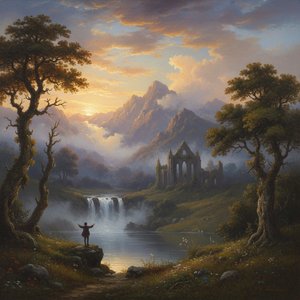
Evoking Emotion & Transcendence: Romantic Landscape Painting (18th-19th Century)
Explore the emotional depth of Romantic landscape painting (18th-19th century). Discover key artists like Friedrich & Cole, and the concepts of the sublime. Expert insights for art lovers & collectors.



