معاينة الحجم الواقعي
 إرسال
إرسال مشاركة
 عرض التفاصيل
 دليل الأعمال الفنية للطلاب

 تحميل
تحميل
 قطع مشابهة
 الأشعة السينية
 عرض شرائح متتابع
 الإحصائيات
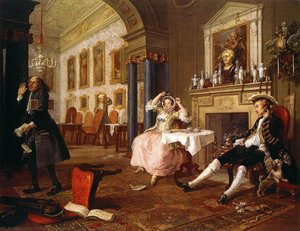
A Scene from The Beggar's Opera
 Oil On Canvas
- WallArt
- 18th Century Realism
 1729
1729- Early Medieval
 79.0 x 89.0 cm
 اقرأ المزيد
طباعة جيلي / مطبوعات فنية
طباعة جيكلي أو كانفاس بجودة المتاحف، مع سرعة في التنفيذ وخيارات متنوعة للتشطيب. ( اطلب نسخة مرسومة يدويًا التحويل إلى الصورة الرقمية)




P118B E£10

P118H E£10

P118W E£10

P438Z E£10

P508JH E£12

P508YH E£12

P805H E£10

P805Z E£10

P919BZ E£10

P919G E£10

P919XJ E£10

P959ZH E£10

P968JZ E£12

W106C E£8

W218G E£10

W218JH E£8

W218Y E£10

W307PJ E£10

W316G E£10

W316PJ E£8

W316Y E£10

W398PJ E£8

W4111J E£10

W500HY E£15

W500JH E£15

W692G E£12

W849H E£8

W940BG E£15

W953PJ E£8




اختر من بين أحجامنا المُعدّة مسبقاً والتي تتوافق مع النسب الأصلية للعمل الفني.

أدخل العرض والارتفاع اللذين تحتاجهما، ليتناسب مع إطارك أو جدارك. يمكن قص المطبوعة فقط، ولا يمكن أبداً جعلها أكبر من الصورة الأصلية، لذا فإن أي مقاس بشكل مختلف سيؤدي إلى فقدان جزء من الصورة. سنرسل لك نموذجاً رقمياً تجريبياً لاعتماده قبل البدء في عملية الطباعة. الصورة المعروضة في هذه الصفحة لا توضح القص الفعلي — النموذج التجريبي فقط هو ما يظهر ذلك.
توصيل عالمي إلى خلال أسبوعين بدلاً من المدة القياسية البالغة 4/5 أسابيع. (22 أكتوبر)

شحن سريع ومجاني لجميع أنحاء العالم

قماش كتان فاخر

تأمين شامل على الشحن

ضمان استرداد الرسوم الجمركية

ضمان دقة مطابقة الألوان

سياسة الإرجاع خلال 100 يوم (في حالات العيوب فقط)

ضمان استرداد نقدي بنسبة 100%

عرض خصم الكميات
 خيار الزجاج متاح فقط للمقاسات التي تقل عن 110 سم

A Scene from The Beggar's Opera
طباعة جيلي / مطبوعات فنية
مقاس النسخة المطبوعة
-


إجمالي السعر
E£ 4113
A Window into Georgian Society: Hogarth’s “A Scene from The Beggar’s Opera”
William Hogarth's "A Scene from The Beggar’s Opera," painted in 1729, isn’t merely a depiction of a theatrical performance; it’s a meticulously crafted snapshot of 18th-century London life – a vibrant, often unsettling, reflection of its social strata and moral complexities. Housed within the Holburne Museum in Bath, this oil on canvas offers an unparalleled glimpse into the world of John Gay's wildly popular play, which scandalized and captivated audiences alike. The painting’s immediate impact lies in Hogarth’s masterful use of color and composition to draw the viewer directly into the bustling scene, a carefully orchestrated tableau brimming with characters caught in moments of intrigue, deception, and perhaps even desperation.
The central figure, identified as Polly Peachum, immediately commands attention. Dressed in a striking coral-red coat adorned with gold buttons, she embodies both resilience and a touch of defiance. Her posture – arms crossed, head held high – speaks volumes about her role as the play’s protagonist, a woman navigating a world dominated by men and driven by a fierce determination to protect her family. To her left, the kneeling figure, likely Polly's husband Peachum, leans away from her with a gesture of restrained disapproval, highlighting the inherent tensions within their relationship – a microcosm of the broader societal pressures at play. The careful rendering of fabrics, from the opulent silk of the man’s coat to the voluminous hoop skirt of the woman on the left, speaks volumes about social status and wealth.
The Language of Line and Color: Hogarth's Technique
Hogarth was a pioneer in using printmaking techniques – specifically engraving – as a foundation for his paintings. This influence is readily apparent in “A Scene from The Beggar’s Opera.” He employed a technique known as ‘after-engraving,’ where he would create an initial design in monochrome and then meticulously repaint it in color, building upon the precise lines of the print. This process allowed him to achieve an extraordinary level of detail, capturing not just the appearance but also the very essence of his subjects. Note the sharp delineation of forms, the subtle shifts in light and shadow, and the remarkably realistic portrayal of textures – from the sheen of satin to the roughness of brickwork. The use of a limited yet carefully chosen palette—cobalt blue, crimson red, ivory white, and various shades of brown—contributes significantly to the painting’s dramatic effect.
Furthermore, Hogarth's compositional strategy is brilliantly executed. He utilizes a shallow perspective, drawing the viewer into the scene as if they were standing within the theater itself. The low brick wall acts as a visual anchor, grounding the composition while simultaneously creating a sense of depth and enclosure. The strategically placed figures – each with their own distinct gestures and expressions – contribute to the overall dynamism of the scene, suggesting a narrative unfolding in real-time.
Symbolism and Social Commentary
Beyond its immediate visual appeal, “A Scene from The Beggar’s Opera” is laden with symbolic meaning. The play itself was a scathing critique of London's burgeoning underworld, exposing the hypocrisy and corruption that lay beneath the veneer of respectability. The characters depicted – a street singer, a pawnbroker, a thief – represent the marginalized members of society, struggling to survive in a harsh and unforgiving environment. Even the theatrical setting—a makeshift stage within a public space—underscores the blurring lines between entertainment and social commentary.
The inclusion of the boy peering from the box, with his darker skin tone, is particularly noteworthy. It subtly hints at the racial tensions prevalent in 18th-century England and adds another layer to the painting’s complex social critique. The overall impression is one of a society grappling with its own contradictions – celebrating theatrical spectacle while simultaneously ignoring the plight of its most vulnerable citizens.
A Timeless Masterpiece: Reproduction Possibilities
Reproduced faithfully in high-resolution, “A Scene from The Beggar’s Opera” offers an exceptional addition to any art collection or interior design scheme. Its rich colors and intricate details translate beautifully into a hand-painted reproduction, capturing the essence of Hogarth's genius. Whether adorning a study, a drawing room, or a gallery space, this iconic artwork will undoubtedly spark conversation and provide a captivating window into a pivotal moment in English art history. OriginalUniqueArt offers meticulously crafted reproductions that faithfully recreate Hogarth’s vision, ensuring that this remarkable piece of social commentary remains accessible to a new generation of viewers.
الأسئلة والأجوبة
هل يوجد عرض شرائح لـ "A Scene from The Beggar's Opera" للفنان ويليام هوغارث؟
يتوفر عرض متتابع للصور في صفحة عرض متتابع الخاصة بـ "A Scene from The Beggar's Opera" للفنان ويليام هوغارث.
ما هي الأجواء التي يضفيها "A Scene from The Beggar's Opera"؟
تتمثل الحالة المزاجية العامة لـ "A Scene from The Beggar's Opera" للفنان ويليام هوغارث في Classic. وتصف هذه الحالة الأجواء العامة للعمل الفني.
ما هو الحجم والاتجاه الموصى بهما لطباعة "A Scene from The Beggar's Opera"؟
يُنصح بطباعة "A Scene from The Beggar's Opera" للفنان ويليام هوغارث بحجم Medium وبوضعية Landscape.
نبذة عن الفنان
A London Life in Ink and Paint: The World of William Hogarth
William Hogarth, born into the bustling heart of 18th-century London in 1697, was more than just an artist; he was a visual historian, a keen observer of human nature, and a satirical commentator on the societal currents of his age. His life story is inextricably linked to the very fabric of England during a period of significant transformation – its burgeoning ambitions, underlying anxieties, and pervasive hypocrisies all finding potent expression in his remarkably detailed and often biting works. The son of a struggling Latin schoolmaster, Hogarth’s early experiences instilled within him both a love for learning and a sharp awareness of social inequalities, a foundation that would prove crucial to shaping his artistic vision. Initially apprenticed to an engraver, he quickly demonstrated a talent extending beyond mere technical skill; he possessed an innate ability to observe the nuances of human behavior and translate them into compelling visual narratives. However, he chafed against the constraints of traditional engraving, seeking a more expressive outlet for his burgeoning creativity. This led him to studies at both St Martin’s Lane Academy and under Sir James Thornhill, where he honed his skills in painting and composition, absorbing influences that would later inform his unique style.The Birth of Modern Moral Subjects
Hogarth's true innovation lay not simply *what* he painted, but *how*. He pioneered what he termed “modern moral subjects” – series of pictures designed to tell a story, often imbued with a strong satirical edge. These weren’t isolated portraits or landscapes; they were visual novels unfolding before the viewer’s eyes, offering pointed commentary on contemporary society. A Harlot's Progress, created in 1742, stands as perhaps his most famous example. This series of six paintings meticulously follows the tragic downfall of Mary, a young woman arriving in London full of hope but quickly succumbing to the temptations and dangers of city life. Each scene is rendered with painstaking detail, filled with symbolic elements that reveal the moral decay surrounding her. The artist’s masterful use of line and shading brought these figures to life with remarkable clarity, capturing both their vulnerability and their folly. Similarly, A Rake's Progress, begun in 1733, charts the reckless decline of Tom Rakewell, a man who squanders his inheritance on gambling, debauchery, and ultimately, madness. These weren’t merely cautionary tales; they were unflinching portraits of a society grappling with issues of class, morality, and social mobility. Hogarth's genius resided in his ability to elevate everyday scenes – the bustling streets of London, the opulent interiors of the wealthy, the squalid lives of the poor – into works of art that resonated deeply with his audience. He didn’t shy away from depicting the harsh realities of life, presenting them with a blend of humor and pathos that forced viewers to confront uncomfortable truths about themselves and their society.Technique and Influences: A Synthesis of Styles
Hogarth's artistic style was a unique amalgamation of diverse influences. He greatly admired the realism and narrative detail found in the works of Dutch genre painters like Pieter de Hooch, evident in his meticulous depictions of interiors and everyday life. The satirical prints produced in France also played a role in shaping his approach to social commentary. However, Hogarth wasn’t simply imitating these sources; he was synthesizing them into something entirely new and distinctly his own. His technique was characterized by a masterful use of line and shading, particularly evident in his engravings. He employed a distinctive cross-hatching technique that created depth and texture, bringing his scenes to life with remarkable clarity. This meticulous attention to detail—a hallmark of Hogarth’s oeuvre—allowed him to convey emotion and moral judgment with unparalleled precision. Beyond visual art, Hogarth was influenced by literary works, particularly those of Jonathan Swift and Henry Fielding, whose satirical wit informed his own social observations. He believed that art should not merely be beautiful but should also serve a moral purpose, challenging viewers to think critically about the world around them and their place within it. He sought to hold a mirror up to nature, reflecting both its beauty and its ugliness with unflinching honesty.Major Achievements: Shaping English Art
Hogarth’s contribution to English art is undeniable. He revolutionized painting by establishing what became known as “modern moral subjects,” fundamentally altering the artistic landscape of his time. His series of paintings—including *A Harlot's Progress*, *Marriage A-la-Mode*, and *A Rake's Progress*—became enduring symbols of social critique and psychological insight. These works weren’t merely aesthetically pleasing; they provoked profound reflection on human behavior and societal values, cementing Hogarth’s place as one of the most influential artists of the Enlightenment. His engravings, particularly *A Harlot's Progress*, achieved widespread popularity thanks to their ability to disseminate his satirical ideas across a broad readership. This unprecedented success demonstrated the power of visual storytelling to engage audiences and challenge conventional wisdom.Historical Significance: A Legacy Enduring Through Time
William Hogarth’s legacy extends far beyond his artistic achievements. He is considered a pivotal figure in the history of British art, marking a decisive break from traditional conventions and paving the way for future generations of artists. His unflinching portrayal of human nature—both its virtues and vices—continues to inspire debate and contemplation today. Artists like James Gillray and George Cruikshank drew inspiration from Hogarth’s style, carrying forward his tradition of social satire into the Victorian era and beyond. Furthermore, Hogarth's influence can be seen in contemporary visual culture, including political cartoons and comic strips—a testament to the enduring power of his artistic vision. He remains a beacon of intellectual curiosity and moral courage, reminding us that art has the capacity to illuminate the complexities of human experience and transform our understanding of the world around us.
ويليام هوغارث
1697 - 1764 , المملكة المتحدة
لمحة سريعة
- Artistic Movement Or Style: واقعية ساخرة
- Artists Or Movements Influenced By This Artist: ['جيمس جيلراي']
- Artists Who Influenced This Artist:
- بيتر دي هوخ
- جونathan سويفت
- Date Of Birth: ١٦٩٧
- Date Of Death: ١٧٦٤
- Full Name: ويليام هوغارث
- Nationality: بريطاني
- Notable Artworks:
- أ هارلوت بروجريس
- رائع بروجريس
- Place Of Birth: لندن، المملكة المتحدة
مقالات ذات صلة

The Enduring Legacy of Oil on Canvas: Technique, History & Aesthetic Impact
Explore the rich history & techniques of oil painting – from Renaissance masters to Impressionism. Discover pigments, layering methods, and why this timeless medium endures. Expert insights for artists & art enthusiasts.

The Enduring Power of Painting: A Historical & Contemporary Exploration of Form and Emotion
Explore the rich history & enduring techniques of oil painting with OriginalUniqueArt. Discover masterpieces, learn about art collecting, and find authentic handmade reproductions crafted by skilled artists.

William Hogarth: Satire, Social Commentary & the Birth of Modern British Art
Explore the satirical world of William Hogarth, pioneering British painter & engraver. Discover his iconic works like *A Rake's Progress* and insightful social commentary on 18th-century London life.

Oil on Canvas: A Historical & Technical Exploration of a Timeless Artistic Medium
Explore the rich history & enduring techniques of oil painting on canvas. Discover the science behind its longevity, conservation practices, and contemporary relevance. Expert insights for art enthusiasts.
18th Century Masters: 10 Artworks That Define an Era | OriginalUniqueArt
Journey through 18th century art! Explore 10 iconic paintings – from Rococo elegance to Neoclassical grandeur. Discover Fragonard, David & more. Find museum-quality reproductions and elevate your home decor on OriginalUniqueArt.com.