
 معاينة الحجم الحقيقي
 مشاركة
 مشاركة
 التفاصيل

 تحميل الملف
 قطع مشابهة
 الأشعة السينية
 عرض شرائح
St Joseph
 Oil On Canvas
- WallArt
- Pre-Raphaelite
 1847
1847 79.0 x 55.0 cm
 المجموعة الملكية
 عرض المزيد
احصل على صورة رقمية عالية الدقة ومعزّنة، بجودة تفوق بكثير المعاينة عبر الإنترنت.
يتم إعداد كل ملف بعناية فائقة من قبل متخصصينا الداخليين باستخدام أدوات متقدمة ولمسات يدوية خبيرة. نضمن أن تتمتع كل صورة بوضوح استثنائي، ودقة لونية متناهية، وتفاصيل دقيقة.
يتم تسليم الملف النهائي عبر البريد الإلكتروني في غضون 72 ساعة، وهو مُحسَّن للاستخدام الفوري في المجالات المهنية والتحريرية ومجالات الطباعة. هذه هي ذات الجودة التي تعتمد عليها كبرى استوديوهات التصميم ودور النشر والمعارض الفنية المرموقة.
صورة رقمية
حمّل ملفاً عالي الدقة للعرض الشخصي، والطباعة، والمشاريع الإبداعية. ( اشترِ نسخة مطبوعة اشترِ لوحة مرسومة يدويًا)
مزايا مُضمّنة في كل طلب صورة رقمية
تسليم رقمي احترافي، مضمون
عندما تختار OriginalUniqueArt.com، فأنت لا تحصل على مجرد صورة فحسب، بل ستحصل على عمل فني رقمي مُحسّن باحترافية، صُمم بدقة متناهية ومصحوب بضمان الرضا. إليك كل ما يتضمنه طلبك تلقائياً:

تسليم سريع عبر البريد الإلكتروني
ستصلك ملفات صورك الرقمية عالية الدقة عبر البريد الإلكتروني في غضون 72 ساعة من إتمام الطلب - لتكون جاهزة للاستخدام الفوري.

ملف رقمي مُحسّن بالذكاء الاصطناعي
يتم تحسين عملك الفني باحترافية باستخدام أدوات الذكاء الاصطناعي المتقدمة والتحرير اليدوي، لضمان أقصى درجات التفاصيل والوضوح ودقة الألوان.

إعادة إرسال مجانية مدى الحياة
هل حذفت ملفك أو فقدته عن طريق الخطأ؟ لا تقلق - سنعيد إرساله إليك في أي وقت، ومجاناً.

بدون رسوم استيراد - على الإطلاق
استمتع بأعمالك الفنية فوراً دون أي رسوم جمركية أو ضرائب أو مصاريف شحن - فالتحميلات الرقمية دائماً ما تكون معفاة من الضرائب.

ضمان دقة الألوان
نحن نضمن أن تعكس صورتك الرقمية الألوان الأصلية بأقصى قدر ممكن من الدقة، وذلك باستخدام أدوات احترافية وتقنيات إدارة الألوان.

ضمان الرضا لمدة 100 يوم
إذا لم تكن راضياً عن صورتك الرقمية، فسنقوم بتعديلها أو استرداد 100% من قيمتها خلال 100 يوم - دون طرح أي أسئلة.

ضمان استعادة الأموال بنسبة % 100
لم تكن راضياً؟ استرد كامل المبلغ خلال 100 يوم من استلام ملفك الرقمي - دون طرح أي أسئلة.

خصومات الطلبات الكبيرة
اشتري 3 صور، ووفر 10% - اشتري 5، ووفر 15% - اشتري +10، ووفر 20%. مثالية للمشاريع الإبداعية، والمعارض، والوكالات.
The Serene Figure: William Dyce’s St. Joseph
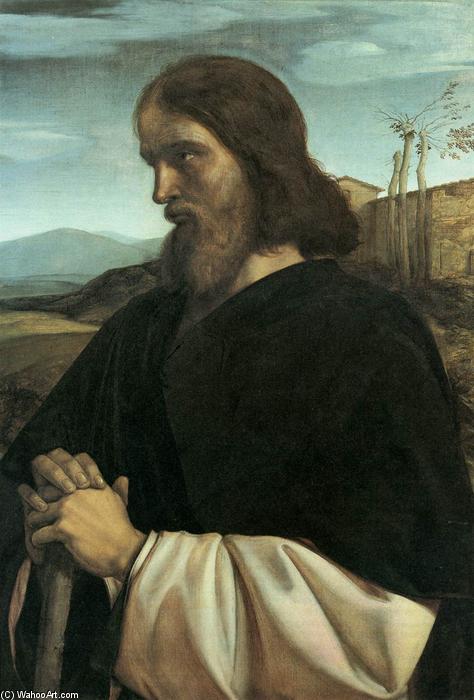
William Dyce's "St. Joseph" is more than a portrait; it’s a carefully constructed meditation on faith, domesticity, and the quiet dignity of a biblical figure. Painted in 1847 during a period of burgeoning Pre-Raphaelite influence in England, this oil-on-canvas work transcends mere representation to become a deeply evocative study of human character. Dyce, a pivotal figure in establishing art education within the British system, imbues the scene with an almost palpable sense of contemplation – Joseph’s gaze, slightly turned leftward, suggests a man lost in thought, perhaps reflecting on his role as guardian of Mary and infant Jesus.
The composition itself is remarkably restrained. Dyce eschews dramatic gestures or elaborate drapery, opting instead for a directness that draws the viewer into Joseph’s world. The muted palette – dominated by earthy browns, ochres, and subtle greens – contributes to the painting's overall sense of solemnity and timelessness. Notice how Dyce masterfully employs light and shadow; it isn’t harsh or theatrical but rather a gentle diffusion that softens the features and emphasizes the texture of Joseph’s clothing, hinting at both its practicality and the inherent value placed upon his role.
A Pre-Raphaelite Echo
Dyce's work firmly resides within the orbit of the Pre-Raphaelites, though he never formally joined their brotherhood. The influence is evident in his meticulous attention to detail, his preference for naturalistic rendering, and his exploration of religious themes with a heightened sense of emotional resonance. The painting shares similarities with works by Millais and Rossetti – particularly in its focus on the domestic sphere and the portrayal of biblical figures as relatable human beings. However, Dyce’s approach is subtly different; there's a greater emphasis on psychological depth and a quiet reverence that distinguishes his style.
The choice of subject matter itself—St. Joseph—is significant. Often overshadowed by Mary and Jesus in traditional iconography, Joseph represents the steadfastness, humility, and protective spirit essential to the Christian narrative. Dyce’s portrayal elevates him beyond a mere supporting character, presenting him as a man of quiet strength and unwavering devotion.
Craftsmanship and Context
Created in 1847, “St. Joseph” reflects the artistic climate of Victorian England. The Royal Collection, where it currently resides at Windsor Castle, speaks to its historical importance and enduring appeal. Dyce’s technical skill is undeniable; his brushwork is smooth and controlled, creating a sense of depth and texture that invites close examination. The canvas itself, likely prepared by a skilled craftsman, provides an ideal surface for Dyce's meticulous rendering.
Furthermore, the painting was commissioned by Prince Albert, highlighting its significance within the royal household. This connection adds another layer to the artwork’s narrative – it wasn’t merely a devotional image but also a symbol of familial piety and the values championed by the Victorian monarchy. The inclusion of the landscape background—rolling hills under a cloudy sky—further grounds the scene in a tangible reality, suggesting that Joseph's faith is rooted in the everyday world.
A Legacy of Reflection
“St. Joseph” remains a powerful and moving work of art. It’s a testament to Dyce’s artistic vision and his ability to capture the essence of human emotion through meticulous observation and skillful execution. More than just a depiction of a biblical figure, it's an invitation to contemplate themes of faith, family, and the quiet dignity of ordinary lives. Reproductions of this piece offer a beautiful opportunity to bring a touch of Victorian serenity and contemplative grace into any space.
السيرة الذاتية للفنان
البدايات المبكرة والتدريب الفني
وُلد ويليام دايس (1806–1864) في مدينة أبردين باسكتلندا، لأسرة جمعت بين العلم والمكانة الاجتماعية؛ فهو ابن الدكتور ويليام دايس، الطبيب وعضو الجمعية الملكية، ومارغريت تشالمرز، ابنة المصرفي الثري. لقد غرست عائلته في نفسه تقديراً عميقاً للمعرفة والثقافة، مما منحه أساساً متيناً لمساعيه الفنية المستقبلية. التحق دايس بكلية ماريسشال، جامعة أبردين، حيث نال درجة الماجستير وهو في السادسة عشرة من عمره فقط، وهو إنجاز استثنائي بمقاييس ذلك العصر. وإدراكاً لموهبته الفذة في التصميم، سعى دايس للحصول على تدريب رسمي في مدارس الأكاديمية الملكية في إدنبرة ولندن، حيث انغمس في دراسة الفن الكلاسيكي وأتقن التقنيات التي ستشكل ركيزة مسيرته المهنية اللاحقة. وقد اتسمت سنوات تكوينه بالانفتاح على الأفكار الفنية المؤثرة التي كانت تتردد أصداؤها في اسكتلندا وإنجلترا، مما صقل ذائقته الجمالية وثبّت أقدامه كطالب مخلص للتميز الفني.التأثيرات الإيطالية والتطور الفني
كانت رحلته الأولى الكبرى إلى الخارج في عام 1825 عندما سافر إلى روما، وهي اللحظة المفصلية التي غيرت مسار حياته الفنية إلى الأبد. فبإلهام من عظمة فن عصر النهضة، وانبهار بروح رسامي "الناصريين"، قضى دايس تسعة أشهر في دراسة دقيقة لأعمال تيتيان وبوسان، مستوعباً مبادئ التكوين لديهم ومتقناً استخدامهم البارع للألوان. هذا الانغماس في التقاليد الفنية الإيطالية ترك أثراً عميقاً على أسلوبه، حيث عزز لديه الميل إلى الملاحظة الدقيقة والتعبير عن التأمل الروحي العميق، وهي الخصائص التي أصبحت علامات فارقة في أعماله. وعند عودته إلى أبردين في عام 1826، واصل صقل مهاراته كرسام، منتجاً عدة أعمال بارزة، من بينها لوحة "باخوس ترعاه حوريات نايسا"، التي نالت استحساناً واسع النطاق.سنوات إدنبرة وفن البورتريه
في منتصف ثلاثينيات القرن التاسع عشر، رسّخ دايس مكانته في إدنبرة كرسام بورتريه بارع، حيث حصل على تكليفات من شخصيات مرموقة في المجتمع الاسكتلندي. وقد أكسبه اهتمامه الدقيق بالتفاصيل — وخاصة قدرته على التقاط التعبيرات الخفية واللمحات النفسية — شهرة واسعة. استطاع دايس ببراعة أن يمزج بين التأثيرات الكلاسيكية والحساسية الرومانسية، منتجاً لوحات شخصية اتسمت بالرقي الجمالي والعمق العاطفي في آن واحد. وبالتوازي مع ذلك، كان مدافعاً شرساً عن قضية التعليم الفني، حيث نادى بإنشاء مدرسة للتصميم في إدنبرة، وهو المنصب الذي شغله حتى عام 1843، حيث أشرف على توسيعها وتحديثها.العمل في لندن والرعاية المعمارية
انتقل دايس إلى لندن في عام 1837، متولياً منصب مدير مدرسة التصميم في "سومرسيت هاوس". مثلت هذه الخطوة نقطة تحول جوهرية في مسيرته، حيث دفعته إلى قلب الحراك الفني في العصر الفيكتوري، وفتحت له أبواب التواصل مع كبار الرعاة، وعلى رأسهم الأمير ألبرت. وقد أجرى أبحاثاً مستفيضة حول ممارسات التعليم الفني في الخارج، مما ساهم في صياغة "نظام جنوب كنسينغتون" الذي هيمن على التدريس الفني الإنجليزي لعقود طويلة. ولم تقتصر مساهمات دايس على الجوانب التربوية فحسب؛ بل عمل مستشاراً في مشاريع معمارية كبرى، بما في ذلك تصميم مبنى البرلمان الجديد، وهو المشروع الذي استعرض فيه براعته في فن الرسم بالفريسكو (التصوير الجداري) وثبّت سمعته كواحد من أبرز فناني بريطانيا.الإنجازات الكبرى والإرث الفني
يقوم الإرث الفني لدايس بشكل أساسي على إنجازين صرحيين: تزيين دير وستمنستر، والمساهمة في إنشاء مبنى البرلمان. إن لوحاته الجدارية في دير وستمنستر — ولا سيما لوحة "نبتون يتنازل لبريتانيا" — تمثل انتصاراً للطموح والرؤية الفنية الفيكتورية، حيث تجسد عظمة بريطانيا الإمبراطورية وتظهر مهارة دايس منقطعة النظير في تقنية الفريسكو. ومع ذلك، تظل لوحته "خليج بيغويل، كينت" هي العمل الأكثر احتفاءً، وهي لوحة طبيعية تجسد ملاحظته الدقيقة للطبيعة وقدرته على نقل عمق عاطفي غامر. علاوة على ذلك، فإن إسهامات دايس في التعليم الفني — من تأسيس الكلية الملكية للفنون إلى دفاعه عن المناهج التربوية المبتكرة — قد خلدت كشهادة على إيمانه الراسخ بالقوة التحويلية للتدريب الفني. سيظل ويليام دايس فناناً يجسد روح بريطانيا الفيكتورية، بكل ما تحمله من فضول فكري، وجدية أخلاقية، وتفانٍ مخلص للارتقاء بالثقافة الإنسانية.
ويليام دايس
1806 - 1864 , المملكة المتحدة
لمحة سريعة
- Artistic Movement Or Style: ما قبل الرافائيلية
- Artists Or Movements Influenced By This Artist: ['الناصريون']
- Artists Who Influenced This Artist:
- فريدريك أوفربيك
- جون راسكين
- Date Of Birth: 1806-09-19
- Date Of Death: 1864-02-14
- Full Name: ويليام دايس
- Nationality: اسكتلندي
- Notable Artworks:
- خليج بيغويل، كينت
- العذراء والطفل
- دانستان يفصل بين إدوي وإلجيفا
- Place Of Birth: أبردين، المملكة المتحدة