
 معاينة الحجم الحقيقي
 مشاركة
 مشاركة
 التفاصيل

 تحميل الملف
 قطع مشابهة
 الأشعة السينية
 عرض شرائح
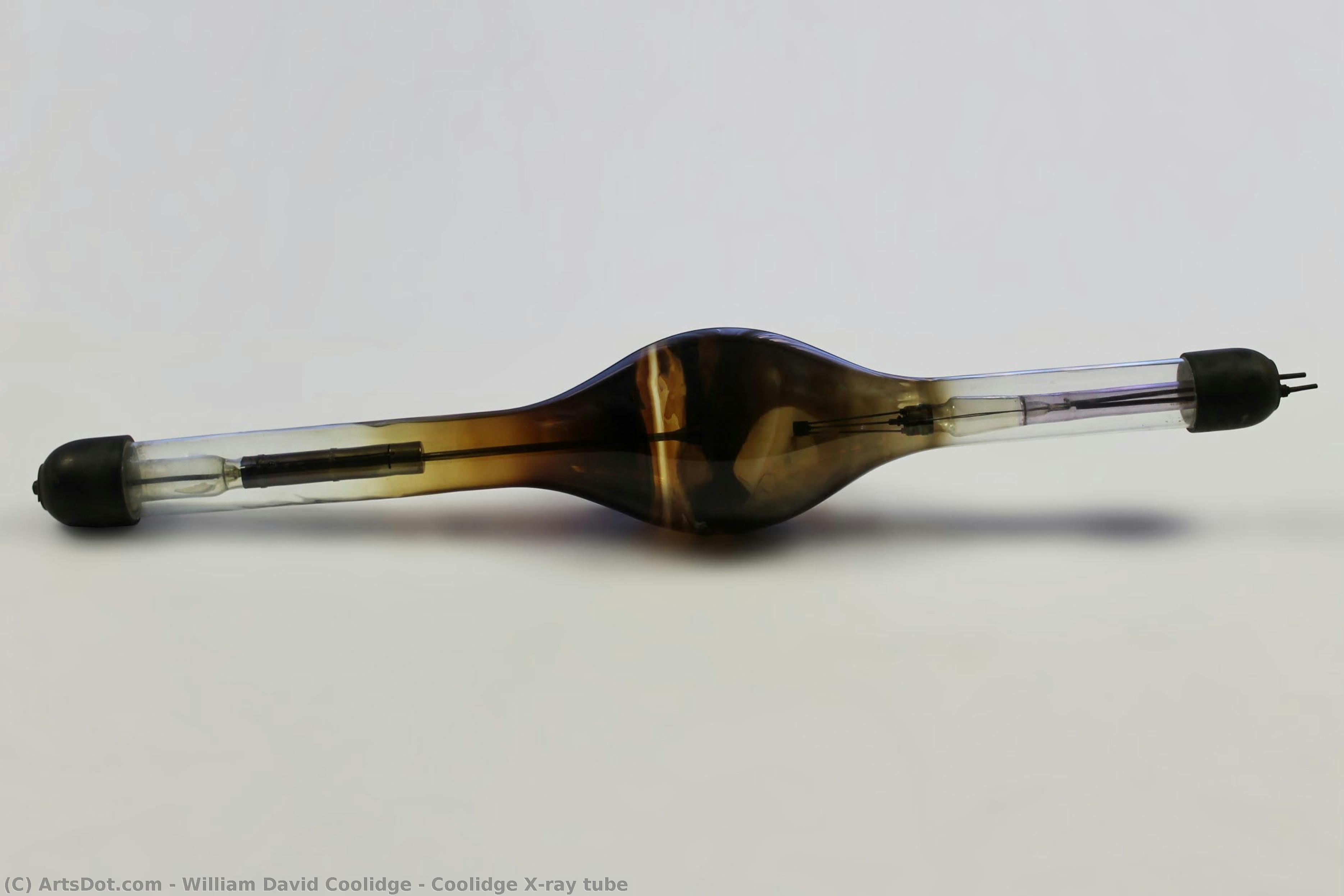
Coolidge X-ray tube

 عرض المزيد
احصل على صورة رقمية عالية الدقة ومعزّنة، بجودة تفوق بكثير المعاينة عبر الإنترنت.
يتم إعداد كل ملف بعناية فائقة من قبل متخصصينا الداخليين باستخدام أدوات متقدمة ولمسات يدوية خبيرة. نضمن أن تتمتع كل صورة بوضوح استثنائي، ودقة لونية متناهية، وتفاصيل دقيقة.
يتم تسليم الملف النهائي عبر البريد الإلكتروني في غضون 72 ساعة، وهو مُحسَّن للاستخدام الفوري في المجالات المهنية والتحريرية ومجالات الطباعة. هذه هي ذات الجودة التي تعتمد عليها كبرى استوديوهات التصميم ودور النشر والمعارض الفنية المرموقة.
صورة رقمية
حمّل ملفاً عالي الدقة للعرض الشخصي، والطباعة، والمشاريع الإبداعية. ( اشترِ نسخة مطبوعة اشترِ لوحة مرسومة يدويًا)
مزايا مُضمّنة في كل طلب صورة رقمية
تسليم رقمي احترافي، مضمون
عندما تختار OriginalUniqueArt.com، فأنت لا تحصل على مجرد صورة فحسب، بل ستحصل على عمل فني رقمي مُحسّن باحترافية، صُمم بدقة متناهية ومصحوب بضمان الرضا. إليك كل ما يتضمنه طلبك تلقائياً:

تسليم سريع عبر البريد الإلكتروني
ستصلك ملفات صورك الرقمية عالية الدقة عبر البريد الإلكتروني في غضون 72 ساعة من إتمام الطلب - لتكون جاهزة للاستخدام الفوري.

ملف رقمي مُحسّن بالذكاء الاصطناعي
يتم تحسين عملك الفني باحترافية باستخدام أدوات الذكاء الاصطناعي المتقدمة والتحرير اليدوي، لضمان أقصى درجات التفاصيل والوضوح ودقة الألوان.

إعادة إرسال مجانية مدى الحياة
هل حذفت ملفك أو فقدته عن طريق الخطأ؟ لا تقلق - سنعيد إرساله إليك في أي وقت، ومجاناً.

بدون رسوم استيراد - على الإطلاق
استمتع بأعمالك الفنية فوراً دون أي رسوم جمركية أو ضرائب أو مصاريف شحن - فالتحميلات الرقمية دائماً ما تكون معفاة من الضرائب.

ضمان دقة الألوان
نحن نضمن أن تعكس صورتك الرقمية الألوان الأصلية بأقصى قدر ممكن من الدقة، وذلك باستخدام أدوات احترافية وتقنيات إدارة الألوان.

ضمان الرضا لمدة 60 يومًا
إذا لم تكن راضياً عن صورتك الرقمية، فسنقوم بتعديلها أو استرداد 100% من قيمتها خلال 60 يوماً - دون أي أسئلة.

ضمان استعادة الأموال بنسبة % 100
لم تكن راضياً؟ احصل على استرداد كامل المبلغ خلال 60 يومًا من استلام ملفك الرقمي - دون أي أسئلة.

خصومات الطلبات الكبيرة
اشتري 3 صور، ووفر 10% - اشتري 5، ووفر 15% - اشتري +10، ووفر 20%. مثالية للمشاريع الإبداعية، والمعارض، والوكالات.
السيرة الذاتية للفنان
William David Coolidge: Architect of the Invisible
The story of William David Coolidge is, in many ways, a testament to quiet brilliance and persistent dedication—a man who fundamentally reshaped our understanding of light and medicine without seeking grand recognition. Born in Hudson, Massachusetts, in 1873, Coolidge’s early life was marked by the profound loss of his mother at a young age, an experience that instilled within him a remarkable resilience and a deep appreciation for the practical realities of existence. His subsequent education at MIT, followed by rigorous study in Germany, laid the foundation for a career dedicated to unraveling the mysteries of materials science and harnessing their potential. It’s crucial to understand that Coolidge wasn't driven by a desire for fame or fortune; his motivation stemmed from an innate curiosity and a profound belief in the power of scientific inquiry to improve human life.
Coolidge’s initial foray into the world of electrical engineering led him to General Electric (GE) in 1905, a pivotal moment that would define the trajectory of his career. At GE, he was tasked with tackling a seemingly insurmountable challenge: transforming tungsten—a brittle and unworkable metal—into a viable material for incandescent light bulbs. This wasn’t merely an engineering problem; it represented a potential existential threat to GE's dominant lighting technology. The company faced competition from ceramic and mercury-vapor lamps, innovations that could render the Edison lamp obsolete. Coolidge’s methodical approach, fueled by relentless experimentation and a deep understanding of metallurgy, ultimately yielded success—the development of “ductile tungsten,” a process that allowed for the creation of strong, malleable filaments capable of withstanding the intense heat of an incandescent bulb. This seemingly incremental advancement had monumental consequences, securing GE's position as a leader in lighting and establishing tungsten as the standard material for decades to come.
However, Coolidge’s contributions extended far beyond the realm of illumination. Recognizing the potential of X-rays—a relatively new phenomenon at the time—he embarked on a parallel research path that would revolutionize medical diagnostics and scientific imaging. Working with Irving Langmuir, he pioneered the development of the Coolidge X-ray tube in 1913, an innovation that dramatically improved the quality and intensity of X-ray beams. This wasn’t simply an incremental improvement; it represented a fundamental shift in X-ray technology—a move away from cumbersome vacuum tubes to a more efficient and reliable design utilizing a tungsten filament. The Coolidge tube's impact was immediate and profound, enabling clearer and more detailed medical images, facilitating the diagnosis of diseases, and ultimately saving countless lives. Crucially, Coolidge’s work laid the groundwork for modern X-ray imaging techniques that are still in use today.
The Crucible of Innovation: Ductile Tungsten and the Birth of a Standard
Coolidge's journey to perfecting ductile tungsten is a remarkable story of perseverance. He faced numerous setbacks, encountering technical hurdles that seemed insurmountable at times. The process involved meticulously purifying tungsten oxide, then carefully casting it in copper under immense pressure—a delicate operation requiring precise control and unwavering attention to detail. It’s important to note that Coolidge didn't simply stumble upon this breakthrough; he systematically investigated the properties of tungsten, relentlessly pursuing a solution through countless experiments. His dedication wasn’t driven by a desire for recognition but by a genuine belief in the potential of his work to benefit society. The fact that GE initially viewed the project as a means to overcome competition underscores the pragmatic nature of Coolidge's approach—he recognized the practical value of his research and focused on achieving tangible results.
The impact of ductile tungsten extended far beyond the lighting industry. Its strength, durability, and resistance to heat made it ideal for a wide range of applications, including car ignitions, vacuum tubes, and even early transistors. Coolidge’s invention fundamentally altered the landscape of materials science, demonstrating the transformative power of scientific innovation when applied to practical challenges. The patent he secured in 1913—a testament to his ingenuity—protected this critical advancement for decades, solidifying tungsten's position as a cornerstone material in countless industries.
A Legacy Forged in X-rays: Revolutionizing Medicine and Science
Coolidge’s work on the Coolidge X-ray tube represents perhaps his most enduring legacy. Prior to his innovations, X-ray technology was limited by low beam intensity and poor image quality—factors that severely restricted its clinical utility. The Coolidge tube dramatically improved both of these aspects, enabling doctors to visualize internal organs with unprecedented clarity. This breakthrough had a profound impact on the field of medicine, facilitating the diagnosis of fractures, infections, tumors, and other diseases. It also spurred advancements in surgical techniques, allowing surgeons to guide their instruments with greater precision.
Beyond its clinical applications, the Coolidge tube played a crucial role in scientific research, enabling scientists to study the structure of materials, analyze geological formations, and develop new technologies. The ability to generate high-intensity X-rays opened up entirely new avenues for exploration and discovery. Coolidge’s invention wasn't simply a technological advancement; it was a catalyst for innovation across multiple disciplines.
Beyond the Laboratory: Recognition and Reflection
Despite his groundbreaking contributions, William David Coolidge remained remarkably modest in his self-assessment. He eschewed accolades and awards whenever possible, famously refusing the Edison Medal in 1927 on the grounds that his patent for ductile tungsten was invalid—a testament to his integrity and commitment to scientific rigor. He received numerous honors throughout his career, including the Rumford Medal from the American Academy of Arts and Sciences, the Howard N. Potts Medal from the Franklin Institute, and the prestigious Hughes Medal from the Royal Society in London. These awards recognized not only his technical achievements but also his contributions to the advancement of science and technology.
Coolidge’s life exemplified a dedication to intellectual curiosity, practical problem-solving, and a profound belief in the power of scientific inquiry. He died peacefully in Schenectady, New York, on February 3, 1975, at the age of 101—a remarkable testament to his longevity and enduring legacy. His contributions to lighting, medicine, and materials science continue to shape our world today, a quiet but profound influence that deserves recognition and appreciation.

ويليام ديفيد كوليدج
1873 - 1975 , الولايات المتحدة الأمريكية
لمحة سريعة
- Artistic Movement Or Style: الفيزياء/الهندسة
- Artists Or Movements Influenced By This Artist: ['روينتجن، إديسون']
- Artists Who Influenced This Artist: ['آرثر نويز']
- Date Of Birth: 23 أكتوبر 1873
- Date Of Death: 3 فبراير 1975
- Full Name: ويليام ديفيد كوليدج
- Nationality: أمريكي
- Notable Artworks:
- أنبوب أشعة إكس لكوليدج
- التنجستن المطيل
- Place Of Birth: هادسون، ماساتشوستس

