- الرئيسية

- طباعة على كانفاس
- william carse
- Sweeps Having a Fight

 Preview
 مشاركة
 مشاركة
 التفاصيل

 تحميل الملف
 قطع مشابهة
 الأشعة السينية
 عرض شرائح
Sweeps Having a Fight
 27.0 x 37.0 cm
 Armley Mills
 عرض المزيد
طباعة جيلي / مطبوعات فنية
طباعة جيكلي أو كانفاس بجودة المتاحف، مع سرعة في التنفيذ وخيارات متنوعة للتشطيب. ( Switch to hand made Painting Switch to Image)




































اختر من بين أحجامنا المُعدّة مسبقًا والتي تتطابق مع النسب الأصلية للعمل الفني.

يمكنك إدخال أبعادك الخاصة لتناسب إطاراً أو مساحة معينة. وإذا لم يتطابق الحجم الذي اخترته مع نسب الصورة الأصلية، فسنقوم إما بقص العمل الفني أو تمديد الصورة باستخدام حافة معكوسة أو بلون مصمت. سيتم إرسال نموذج تجريبي رقمي لاعتمادك قبل بدء الإنتاج.
يرجى ملاحظة أن المعاينة على الشاشة لا تعكس عملية القص أو التمديد الفعلية؛ حيث سيوضح النموذج التجريبي فقط التكوين النهائي بدقة.
وعلى الرغم من توفر أحجام مخصصة، إلا أننا نوصي باختيار أبعاد من القائمة المحددة مسبقاً للحفاظ على النسب الأصلية.
توصيل عالمي إلى خلال أسبوعين بدلاً من المدة القياسية البالغة 4/5 أسابيع. 28 يوليو

شحن سريع ومجاني لجميع أنحاء العالم

قماش كتان عالي الجودة

تأمين شحن شامل

ضمان استرداد الرسوم الجمركية

ضمان مطابقة الألوان الحقيقية

سياسة الإرجاع خلال 60 يومًا (في حالات العيوب فقط)

ضمان استرداد نقدي بنسبة 100%

خصم عند طلب عدة قطع
 خيار الزجاج متاح فقط للمقاسات التي تقل عن 110 سم

Sweeps Having a Fight
طباعة جيلي / مطبوعات فنية
مقاس النسخة المطبوعة
-


السعر الإجمالي النهائي
$ 80
السيرة الذاتية للفنان
William Carse (1800–1845): Bridging Romanticism and Observation
William Carse (1800–1845) stands as a pivotal figure in Scottish art history, embodying the spirit of Romanticism while simultaneously grounding his artistic vision in meticulous observation of the natural world. Born in Edinburgh to Alexander Carse, a painter himself, William’s early exposure to artistic practice undoubtedly shaped his sensibilities and propelled him toward a career dedicated to capturing the beauty and drama of Scotland's landscapes and rural life. Despite limited biographical details surviving from his lifetime—primarily gleaned from contemporary accounts and scholarly research—his impact on Victorian painting remains undeniable.- Early Influences: Carse’s formative years coincided with the ascendancy of Paulus Potter, whose depictions of livestock rendered in a strikingly realistic style exerted considerable influence over Carse's artistic approach. This fascination with animal subjects would permeate his oeuvre, establishing him as one of Scotland’s foremost painters of animals.
- Edinburgh Training: He studied at the Trustees Drawing Academy of Edinburgh under David Allan, absorbing Allan’s mastery of tonal painting and furthering his technical skills. Allan's emphasis on capturing atmospheric effects—particularly light and shadow—served as a crucial catalyst for Carse’s artistic development.
A Landscape Painter Defined: Potterian Style and Atmospheric Rendering
Carse’s distinctive style is characterized by an unwavering commitment to portraying Scottish landscapes with unparalleled accuracy and emotional resonance. He meticulously rendered the textures of heather moorland, the contours of hillsides, and the shimmering surfaces of lochs—all infused with a palpable sense of atmosphere. This stylistic hallmark aligns seamlessly with Potter's aesthetic principles, prioritizing tonal gradation and subtle color harmonies over conventional illusionistic techniques. Critics noted Carse’s ability to convey “the spirit of place,” capturing not merely visual appearances but also the intangible qualities that define Scotland’s character.- Notable Landscapes: Among his most celebrated works are depictions of Glenriddell House and its surrounding estate, meticulously rendered with painstaking detail—a testament to Carse's dedication to realism.
- Technique: He employed a technique rooted in Potter’s method, utilizing thin layers of paint applied in graduated tones to achieve luminous effects and conveying the mood of the scene through subtle color variations.
Public Recognition and Legacy: Leeds Gallery Acquisition
William Carse achieved considerable acclaim during his lifetime, securing commissions from prominent patrons and exhibiting extensively at prestigious venues such as the Royal Academy and the British Institution. His paintings garnered critical praise for their artistic merit and emotional depth—a reflection of his profound engagement with the Romantic movement’s core tenets. Perhaps most enduringly, Carse's legacy resides in the Leeds Gallery’s acquisition of “The Shepherdess,” a masterpiece that exemplifies his signature style and remains a cornerstone of Scottish art history. This painting is considered to be one of Scotland’s finest landscapes and continues to inspire admiration for its masterful execution and evocative portrayal of rural life.Influence on Subsequent Artists
Carse's artistic vision profoundly impacted subsequent generations of Scottish painters, establishing him as a pivotal figure in the Romantic tradition. His meticulous observation of nature—combined with his unwavering devotion to tonal painting—served as an inspiration for artists striving to capture the sublime beauty of Scotland’s landscapes. He helped solidify Potterian style as a dominant aesthetic within Scottish art and cemented Carse's place as one of Scotland’s most important landscape painters.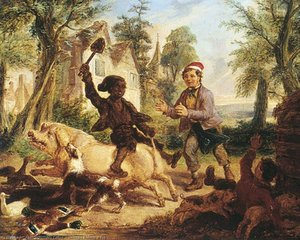
william carse
1800 - 1845
حقائق سريعة
- Artistic Movement Or Style: Paulus Potter Style
- Artists Or Movements Influenced By This Artist: ['Romanticism']
- Artists Who Influenced This Artist: ['David Allan']
- Date Of Death: 1845
- Full Name: William Carse
- Nationality: Scottish
- Notable Artworks:
- Leith Scene
- Glenriddell
- Place Of Birth: Edinburgh, Scotland

