 مشاركة
 مشاركة
 التفاصيل
 دليل
دليل

 تحميل الملف
 قطع مشابهة
 عرض شرائح
 الأسئلة والأجوبة
 الإحصائيات
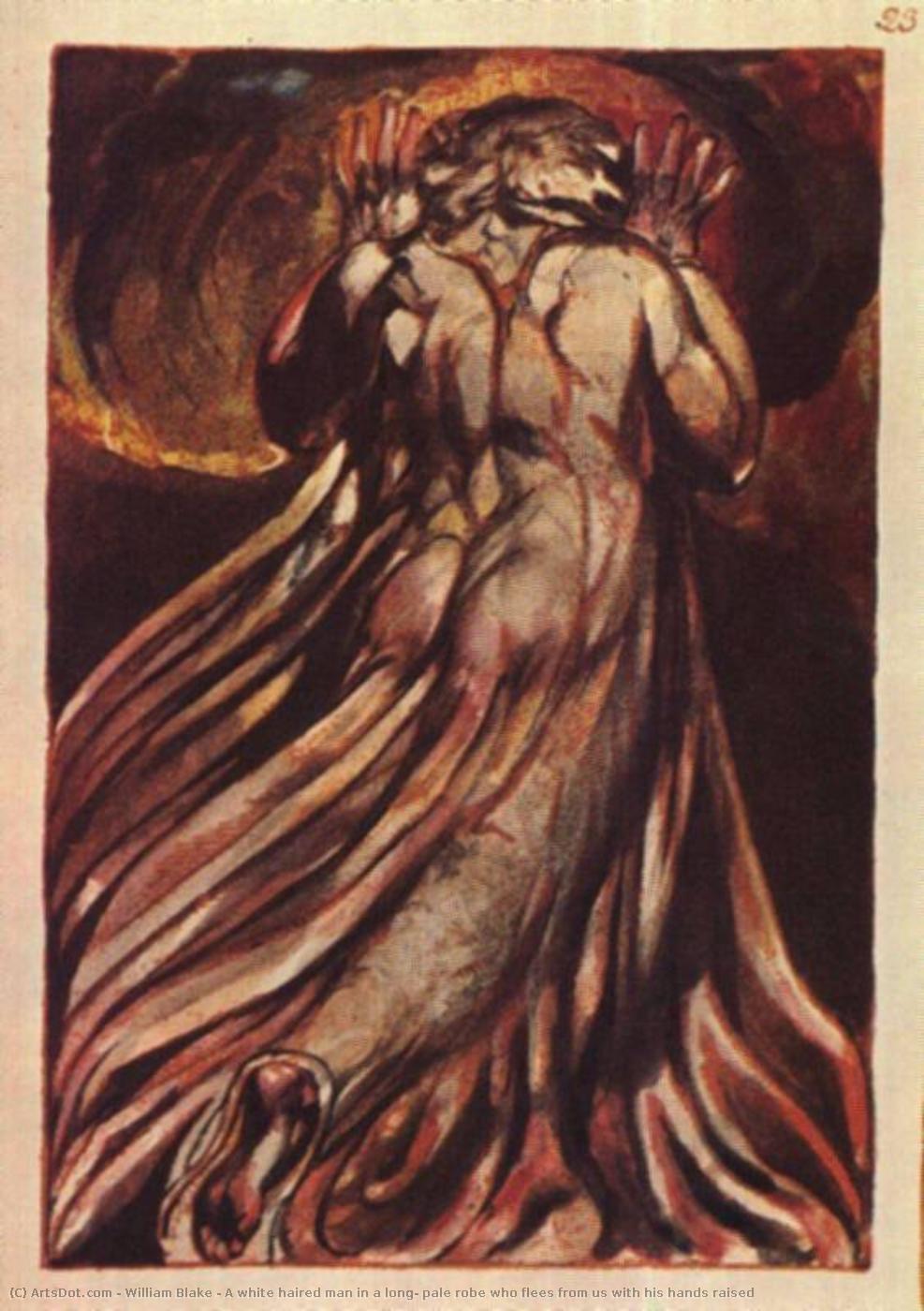
A white haired man in a long, pale robe who flees from us with his hands raised

- 18.0 x 25.0 cm


 عرض المزيد
طباعة جيلي / مطبوعات فنية
طباعة جيكلي أو كانفاس بجودة المتاحف، مع سرعة في التنفيذ وخيارات متنوعة للتشطيب. ( شراء لوحة مرسومة يدويًا الانتقال إلى الصورة الرقمية)




































اختر من بين أحجامنا المُعدّة مسبقاً والتي تتوافق مع النسب الأصلية للعمل الفني.

أدخل العرض والارتفاع المطلوبين ليتناسب المقاس مع إطارك أو جدارك. يرجى الملاحظة أن المطبوعة يمكن قصها فقط ولا يمكن تكبيرها لتتجاوز أبعاد الصورة الأصلية، لذا فإن اختيار مقاس بأبعاد مختلفة سيؤدي إلى فقدان جزء من الصورة. سنرسل لك نموذجاً رقمياً تجريبياً لاعتماده قبل البدء في عملية الطباعة. الصورة المعروضة في هذه الصفحة لا توضح شكل القص الفعلي — النموذج التجريبي فقط هو ما يظهر ذلك بدقة.
توصيل عالمي إلى خلال أسبوعين بدلاً من المدة القياسية البالغة 4/5 أسابيع. (8 نوفمبر)

شحن سريع ومجاني لجميع أنحاء العالم

قماش كتان عالي الجودة

تأمين شامل على الشحن

ضمان استرداد الرسوم الجمركية

ضمان مطابقة الألوان الحقيقية

سياسة الإرجاع خلال 100 يوم (في حالات العيوب فقط)

ضمان استرداد نقدي بنسبة 100%

خصم عند طلب كميات
 خيار الزجاج متاح فقط للمقاسات التي تقل عن 110 سم

A white haired man in a long, pale robe who flees from us with his hands raised
طباعة جيلي / مطبوعات فنية
مقاس النسخة المطبوعة
-


إجمالي السعر النهائي
E£ 4243
A Study in Flight and Shadow: William Blake’s “A White-Haired Man”
William Blake's "A white-haired man in a long, pale robe who flees from us with his hands raised," painted in 1794, is not merely a depiction of two figures; it’s an intensely charged tableau of vulnerability, escape, and perhaps, the fading echoes of a lost world. The watercolor, measuring a modest 18 x 25 cm and currently residing at the Yale Center for British Art, possesses a remarkable intimacy despite its small scale. Blake, a figure perpetually ahead of his time, masterfully employs a symbolic language that invites profound interpretation. The scene unfolds with a quiet drama – two individuals, rendered in muted tones of grey and white, stand close together, their bodies intertwined yet separated by an unspoken urgency. The man, distinguished by his flowing white hair and the enveloping pale robe, is caught mid-flight, his arms raised as if desperately reaching for something just beyond grasp. Behind him, a woman leans upwards, mirroring his gesture, suggesting a shared experience of flight or perhaps a yearning for reunion.
The Alchemy of Watercolor: Technique and Vision
Blake’s technique in this piece is both deceptively simple and profoundly expressive. He utilizes watercolor with an almost obsessive attention to detail, layering washes to create textures that are simultaneously ethereal and grounded. The loose, flowing lines contribute to the sense of movement and instability, mirroring the figures' frantic escape. Notice how he employs a dry brush technique in certain areas – particularly around the man’s robe – to suggest fabric and shadow, adding depth and volume without resorting to precise rendering. This deliberate roughness is characteristic of Blake’s approach; he wasn’t interested in photographic realism but rather in capturing the *feeling* of a scene, translating inner visions onto paper. The limited palette—primarily cool greys, whites, and hints of ochre – reinforces the melancholic mood and contributes to the painting's dreamlike quality.
Decoding Symbolism: Loss, Innocence, and the Divine
The symbolism within “A white-haired man” is rich and layered, deeply rooted in Blake’s complex worldview. The ‘white-haired man’ is often interpreted as representing an aging figure, perhaps a patriarch or a symbol of tradition, fleeing from a perceived corruption or decline. His pale robe could signify purity lost, innocence sacrificed. The woman's upward reach suggests a desire for redemption, a longing to reconnect with something sacred. The act of flight itself speaks to themes of exile and the search for spiritual truth. Blake frequently explored these ideas in his poetry and art, drawing heavily from biblical narratives and mythological sources. This painting resonates with the Romantic preoccupation with the sublime—the awe-inspiring power of nature and the human spirit’s struggle against overwhelming forces.
Historical Context: The Shadow of Revolution
To fully appreciate “A white-haired man,” it's crucial to understand the historical context in which it was created. 1794 falls within a period of immense social and political upheaval in England – the aftermath of the French Revolution, the rise of industrialization, and growing anxieties about societal change. Blake’s work reflects this turbulence, often grappling with themes of oppression, injustice, and the conflict between reason and imagination. He was deeply influenced by radical philosophies and utopian ideals, seeking to create a new world based on spiritual principles. This painting can be seen as an allegory for the loss of faith and the struggle to maintain moral integrity in a rapidly changing society – a timeless theme that continues to resonate with viewers today.
Bringing Blake’s Vision Home: A High-Quality Reproduction
OriginalUniqueArt offers meticulously crafted, hand-painted reproductions of William Blake's "A white-haired man," ensuring the preservation of his artistic vision. Our skilled artisans replicate the watercolor’s delicate textures and nuanced color palette with exceptional accuracy, capturing the painting’s emotional depth and symbolic power. Whether you are an art collector, a design enthusiast seeking inspiration for your interior space, or simply someone captivated by Blake's extraordinary work, our reproduction provides a beautiful and authentic representation of this iconic piece. Experience the enduring legacy of William Blake – not just as a historical figure, but as a visionary artist whose work continues to provoke thought and inspire awe.
الأسئلة والأجوبة
هل يمكنني مشاهدة "A white haired man in a long, pale robe who flees from us with his hands raised" كعرض شرائح بملء الشاشة؟
يمكن عرض "A white haired man in a long, pale robe who flees from us with his hands raised" للفنان ويليام بليك كعرض شرائح في صفحة عرض شرائح الخاصة بالعمل الفني.
ما هو الحجم الموصى به لطباعة "A white haired man in a long, pale robe who flees from us with his hands raised"؟
يُنصح بطباعة "A white haired man in a long, pale robe who flees from us with his hands raised" بحجم Medium. تتوفر أحجام أخرى بنفس النسب.
كيف يمكن وصف الحالة المزاجية لـ "A white haired man in a long, pale robe who flees from us with his hands raised" للفنان ويليام بليك؟
تتجلى الحالة المزاجية العامة لـ "A white haired man in a long, pale robe who flees from us with his hands raised" للفنان ويليام بليك في Romantic، حيث تعكس هذه الحالة الأجواء العامة للعمل الفني.
السيرة الذاتية للفنان
رحلة في عالم الرؤى: حياة وفن ويليام بليك
في قلب لندن النابض، وفي خضم تحولات إنجلترا العميقة خلال الحقبة الرومانسية، بزغ نجم ويليام بليك (1757-1827)، فنان وشاعر ورسام حفر اسمه بأحرف من نور في سجلات التاريخ. لم يكن بليك مجرد مبدع، بل كان رمزًا للتمرد على القيود التقليدية، ومدافعًا شرسًا عن قوة الخيال المطلقة. نشأ بليك في أسرة متواضعة، لكنه سرعان ما أظهر موهبة فنية استثنائية، مما دفعه إلى الانخراط في عالم النقش والتصوير. لم يكتفِ بتقليد الأساليب السائدة، بل سعى إلى تطوير تقنياته الخاصة، ليُطلق العنان لرؤيته الفريدة التي طالما أزعجت الآخرين وأدهشتهم في آن واحد.عالم "الإضاءة": التقنية والابتكار
لم تقتصر ثورة بليك الفنية على اختيار الموضوعات فحسب، بل امتدت إلى الطريقة التي كان يخلق بها أعماله. لم يرضَ بالأساليب التقليدية للنقش، بل ابتكر عملية فريدة أطلق عليها اسم "الإضاءة". تتضمن هذه التقنية نقش النصوص والرسومات على ألواح نحاسية، ثم تلوينها يدويًا، مما يمنحه سيطرة كاملة على كل تفصيلة. لم يكن هذا مجرد إضافة للرسم إلى الشعر، بل كان اندماجًا فنيًا متكاملًا، حيث يعزز كل عنصر معنى الآخر. كما طور تقنية النقش البارزة، التي منحت أعماله ملمسًا فريدًا وحرية أكبر في التعبير عن رؤيته. لم يقتصر بليك على النقش فحسب، بل استخدم أيضًا الألوان المائية والدهانات الزيتية، ليجسد مشاهد دينية أو خيالية تنبض بالرمزية العميقة. كان يتميز برفضه المتعمد للمنظور الخطي التقليدي، مفضلًا تمثيلًا رمزيًا وعاطفيًا يغرق المشاهد في عالم رؤياه الساحر.مواضيع البراءة والخبرة والتمرد
تكمن جوهر أعمال بليك الفنية في استكشاف مواضيع عميقة: الثنائية بين البراءة والخبرة، والصراع بين عقلانية العقل وقوة الخيال الخلاقة، والنقد اللاذع للأعراف الاجتماعية.- أغاني البراءة والخبرة (1794)، ربما أشهر أعماله، يقدم رؤية متباينة للطفولة - إحداهما مثالية ونقية، والأخرى مليئة بالصعاب والفساد.
- زواج السماء والجحيم (1793) هو قصيدة نثر استفزازية تتحدى الأخلاق التقليدية، تحتفي بالطاقة والرغبة والتمرد على العقائد المقيدة.
- رسوماته لـ الكوميديا الإلهية لدانتي تظهر رؤيته الدرامية وقدرته على ترجمة السرديات المعقدة إلى صور بصرية قوية.
إرث مُعاد اكتشافه: تأثير بليك الدائم
خلال حياته، ظل ويليام بليك مهمشًا إلى حد كبير، ولم يفهم الكثير من معاصريه أعماله. غالبًا ما تم رفض عمله باعتباره غريب الأطوار أو حتى مجنونًا. عانى ماليًا طوال معظم حياته، واعتمد على الطلبات ودعم دائرة صغيرة من المحسنين مثل توماس باتس. ومع ذلك، في العقود التي تلت وفاته في 12 أغسطس 1827، بدأ سمعته تنمو بثبات. تبنى الإخوة ما قبل الرفائيلية أسلوبه الرؤيوي وصوره الرمزية باعتباره روحًا قريبة منهم. لاحقًا، وجدت الحركات - الرمزية والحداثة - صدى في تأكيده على الخيال والتجربة الذاتية والموضوعات الروحية. اليوم، يُعتبر ويليام بليك شخصية محورية في الحركة الرومانسية، فنانًا لا تزال أعماله تلهم الشعراء والرسامين والفلاسفة عبر التخصصات المختلفة. إن استكشافه للأفكار الفلسفية والدينية المعقدة من خلال الفن يظل ذا صلة عميقة، حيث يتحدىنا أن نتشكك في الحكمة التقليدية وأن نتبنى قوة الرؤية الفردية. إرث بليك ليس مجرد إنجازات فنية؛ بل هو التزامه الثابت بالحرية الإبداعية - شهادة على القوة الدائمة للخيال في عالم تهيمن عليه غالبًا العقلانية والقيود.
ويليام بليك
1757 - 1827 , المملكة المتحدة
حقائق سريعة
- أعمال فنية بارزة:
- أغاني البراءة والتجربة
- زواج السماء والجحيم
- النمر
- أورشليم
- الاسم الكامل: ويليام بليك
- الجنسية: بريطاني
- الحركة الفنية: الرومانسية
- تاريخ الميلاد: 28 نوفمبر 1757
- حركات أو فنانين تأثر بهم:
- الحضرة الروسيتية
- الرمزية
- الحداثة
- فنانون أثروا فيه:
- رافائيل
- مايكل أنجلو
- مكان الميلاد: لندن، المملكة المتحدة
مقالات ذات صلة

Watercolor Wonders: 10 Masterpieces That Redefined Art History | OriginalUniqueArt
Journey through 10 legendary watercolor masterpieces by Sargent, Turner & Homer! Explore iconic landscapes, portraits & floral art that redefined history. Find museum-quality reproductions and curated decor ideas at OriginalUniqueArt.com.

Ephemeral Visions: Exploring the Artistic Legacy & Contemporary Practice of Watercolor Painting
Explore the captivating world of watercolor painting! Discover its rich history, essential techniques, influential artists & collecting tips. A comprehensive guide for art enthusiasts from OriginalUniqueArt.

Ephemeral Visions: Exploring the History & Emotional Resonance of Watercolor Painting
Explore the captivating history of watercolor painting, from ancient techniques to modern masters like Kandinsky & Blake. Discover essential artists, collecting tips & the emotional power of this luminous medium. Expert insights for art enthusiasts.

الألوان المائية: تاريخ عريق، تقنيات متنوعة، وإبداعات معاصرة
اكتشف تاريخ الألوان المائية وتقنياتها المتنوعة مع OriginalUniqueArt. دروس شاملة، نصائح الخبراء، وخدمات reproductions ولوحات مخصصة بجودة عالية. ابدأ رحلتك الفنية اليوم!

William Blake: Romantic Visionary & Mystical Genius of the Imagination
Explore the mystical art & poetic genius of William Blake (1757-1827). Discover his revolutionary illuminated printing, rich symbolism, and lasting influence on Romanticism. Find handmade reproductions at OriginalUniqueArt.