

 معاينة الحجم الواقعي
 إرسال
إرسال مشاركة
 عرض التفاصيل
 دليل الأعمال الفنية للطلاب

 تحميل
تحميل
 قطع مشابهة
 الأشعة السينية
 عرض شرائح متتابع
 الإحصائيات
The Birth of Venus


 اقرأ المزيد
نسخة زيتية مصنوعة يدوياً
لوحة زيتية مرسومة يدوياً على الكانفاس بالمقاس والإطار الذي تفضله، تُنفذ حسب الطلب على أيدي فنانينا. ( التبديل إلى المطبوعات التحويل إلى الصورة الرقمية)




P118B $10

P118H $10

P118W $10

P438Z $10

P508JH $12

P508YH $12

P805H $10

P805Z $10

P919BZ $10

P919G $10

P919XJ $10

P959ZH $10

P968JZ $12

W106C $8

W218G $10

W218JH $8

W218Y $10

W307PJ $10

W316G $10

W316PJ $8

W316Y $10

W398PJ $8

W4111J $10

W500HY $15

W500JH $15

W692G $12

W849H $8

W940BG $15

W953PJ $8




اختر من بين أحجامنا المُعدّة مسبقاً والتي تتوافق مع النسب الأصلية للعمل الفني.

يمكنك إدخال أبعاد خاصة لتناسب إطاراً أو مساحة معينة. وفي حال عدم تطابق الحجم المختار مع نسب الصورة الأصلية، سنقوم إما بقص العمل الفني أو توسيع اللوحة عبر إضافة عناصر مرسومة يدوياً. وسيتم إرسال نموذج رقمي إليك للموافقة عليه قبل بدء عملية الإنتاج.
يرجى ملاحظة أن المعاينة على الشاشة لا تعكس عملية القص أو التوسيع الفعلية؛ إذ إن النموذج الرقمي هو الوحيد الذي يوضح التكوين النهائي بدقة.
وعلى الرغم من توفر أحجام مخصصة، إلا أننا نوصي باختيار أبعاد من القائمة المحددة مسبقاً للحفاظ على النسب الأصلية للعمل الفني.
بعد إتمام الطلب، سيرسل فريق OriginalUniqueArt.com بريداً إلكترونياً للعميل لطلب التعليمات وتزويده بمعاينة تجريبية (mockup).
توصيل عالمي إلى خلال 3 إلى 4 أسابيع بدلاً من المدة المعتادة البالغة 5 أسابيع. (26 سبتمبر). جودة لا تهاون فيها.

شحن سريع ومجاني لجميع أنحاء العالم

قماش كتان فاخر

تأمين شامل على الشحن

ضمان استرداد الرسوم الجمركية

ضمان دقة مطابقة الألوان

سياسة الإرجاع خلال 100 يوم (في حالات العيوب فقط)

ضمان استرداد نقدي بنسبة 100%

عرض خصم الكميات
 خيار الزجاج متاح فقط للمقاسات التي تقل عن 110 سم

The Birth of Venus
وسيط إعادة الإنتاج
مقاس النسخة المطبوعة
-


إجمالي السعر
$ 300
The Birth of Venus: A Symphony of Classical Beauty
William-Adolphe Bouguereau’s “The Birth of Venus” stands as an enduring emblem of artistic perfection and the Romantic idealization of classical antiquity. Completed in 1879, this monumental oil painting—measuring approximately 218 cm × 300 cm—holds court within the Musée d'Orsay in Paris, France, captivating viewers with its serene composition and luminous depiction of Venus’s emergence from the sea.
- Style: Neoclassicism – Bouguereau meticulously adhered to the stylistic conventions established by artists like Jacques-Louis David and Jean Auguste Ingres, prioritizing clarity, restraint, and idealized forms.
- Technique: Bouguereau’s masterful brushwork achieved an astonishing level of realism despite its adherence to classical ideals. He employed a glazing technique—applying thin layers of translucent paint over subsequent coats—to create subtle gradations of color and imbue the canvas with an ethereal glow.
- Composition: The painting's pyramidal structure draws the eye upwards towards Venus, emphasizing her centrality as the focal point. Bouguereau skillfully utilized contrapposto—a pose where the torso tilts slightly away from the spine—to sculpt Venus’s form and convey a sense of graceful movement.
A Mythological Narrative Illuminated
“The Birth of Venus” recounts the legendary tale of Aphrodite (Venus), goddess of love and beauty, ascending from the sea onto the island of Cyprus. Bouguereau meticulously recreated this pivotal moment in Greek mythology, populated by a constellation of figures—angels, nymphs, centaurs, and putti—each contributing to the narrative’s symbolic richness.
Influence and Legacy
Bouguereau’s “The Birth of Venus” owes considerable debt to Sandro Botticelli’s “The Birth of Venus,” which predated it by several decades. However, Bouguereau subtly differentiated his interpretation from Botticelli's, prioritizing anatomical accuracy and luminous color palettes. This painting solidified Bouguereau’s reputation as a champion of academic realism—a style characterized by unwavering devotion to classical ideals and meticulous attention to detail.
“The Birth of Venus” continues to inspire artists and collectors alike, serving as a testament to Bouguereau's unparalleled skill in capturing the essence of timeless beauty. Its enduring appeal lies in its ability to evoke feelings of wonder and admiration for the sublime ideals of classical art.نبذة عن الفنان
William-Adolphe Bouguereau (1825-1905): The Sculptor of Ideal Beauty
Born in La Rochelle, France, on November 30th, 1825, William-Adolphe Bouguereau’s artistic journey began amidst the tranquil landscapes and artisanal traditions of his hometown. From a young age, he demonstrated an exceptional aptitude for drawing and painting, fueled by a profound fascination with classical art – specifically Raphael and Titian – whose mastery captivated him deeply. This early passion would shape his entire career, propelling him toward Paris and the École des Beaux-Arts, where he honed his skills under the tutelage of François-Edouard Picquenot, absorbing the foundational principles of academic realism.The École des Beaux-Arts and Artistic Foundations
The École des Beaux-Arts proved to be instrumental in establishing Bouguereau’s distinctive artistic style. Under Picquenot's guidance, he meticulously studied anatomy, mastering the intricacies of human musculature and skeletal structure – a skill that would become central to his oeuvre. He diligently practiced drawing from plaster casts, painstakingly replicating forms with unwavering accuracy, mirroring the techniques championed by the Old Masters. This dedication to anatomical precision wasn’t merely about technical proficiency; it was rooted in a belief that truthful representation demanded an understanding of the underlying physical reality. Bouguereau's artistic vision embraced the tenets of classical art, prioritizing idealized beauty and harmonious composition—values that would define his oeuvre for decades to come.A Symphony of Color and Light: Bouguereau’s Palette
Bouguereau’s approach extended beyond anatomical accuracy; he possessed an unparalleled sensitivity to color and light – elements he skillfully manipulated to convey emotion and atmosphere. He favored luminous palettes, employing subtle gradations of hue to create depth and illusionism on his canvases. Like Titian before him, Bouguereau meticulously observed the effects of natural illumination, capturing the interplay of shadows and highlights with breathtaking realism. This masterful technique elevated his paintings beyond mere visual representation, transforming them into immersive experiences that transported viewers to idealized landscapes or serene mythological scenes. Consider *The Birth of Venus*, where Bouguereau’s delicate use of color—particularly pearlescent shades—evokes a sense of ethereal beauty and otherworldly grace.Mythological Visions: Bouguereau's Recurring Themes
Bouguereau consistently revisited mythological narratives, transforming ancient tales into emotionally resonant visual dramas. He approached these subjects with reverence for classical mythology, meticulously reconstructing scenes from Greek and Roman legend with painstaking detail. *Zenobia Found by Shepherds on the Banks of the Araxes*, exemplifies Bouguereau’s ability to convey vulnerability and pathos—themes he explored repeatedly throughout his career. His depictions of goddesses and heroes weren't simply decorative; they served as vehicles for exploring profound philosophical ideas about beauty, virtue, and human experience. Bouguereau’s artistic vision embraced the grandeur of mythology while simultaneously grounding it in psychological realism—a combination that ensured his paintings resonated with audiences across generations.Legacy and Enduring Influence
Despite initial acclaim during his lifetime, Bouguereau's work faced criticism from avant-garde artists who championed abstraction and challenged traditional aesthetic conventions. However, in the latter half of the 20th century, a renewed appreciation for Bouguereau’s artistic integrity emerged—fueled by art historians recognizing his unparalleled technical skill and unwavering commitment to classical ideals. Today, Bouguereau is celebrated as a pivotal figure in French painting—a sculptor of ideal beauty whose influence continues to inspire contemporary artists. His paintings reside in prestigious museums worldwide—including the Musée d'Orsay in Paris and The J. Paul Getty Museum—guaranteeing that his legacy will endure for centuries to come. Song of the Angels (1881), with its serene composition and luminous color palette, remains a testament to Bouguereau’s mastery of artistic technique—a timeless masterpiece embodying the artist's profound belief in the enduring power of classical beauty.
ويليام أدلفه بوجرهو
1825 - 1905 , فرنسا
لمحة سريعة
- Artistic Movement Or Style: الواقعية الأكاديمية
- Artists Who Influenced This Artist:
- رافائيل
- تيتيان
- Date Of Birth: ٣٠ نوفمبر ١٨٢٥
- Date Of Death: ١٩ أغسطس ١٩٠٥
- Full Name: ويليام أدلفه بوجرهو
- Nationality: فرنسي
- Notable Artworks:
- النيمفايوم
- بيرجيرة ١٨٨٦
- طفل يغتسل
- أغنية الملائكة
- Place Of Birth: لاروشيل، فرنسا
مقالات ذات صلة
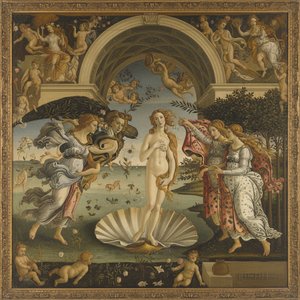
أروع 25 لوحة لساندرو بوتيتشيلي: تحف فنية تزين منزلك بجمال عصر النهضة
اكتشف أروع 25 لوحة لساندرو بوتيتشيلي، فنان عصر النهضة الإيطالي. استمتع بقصص التحف الفنية وألوان الباستيل الخالدة. طباعة لوحات عالية الجودة لديكور منزلك على OriginalUniqueArt.com

Divine Beauty: A Visual Journey Through the Iconic Masterpieces of Venus in Art History
Embark on a sophisticated visual journey through art history's most iconic Venus masterpieces. Explore the divine beauty of Botticelli and the evolution of classical mythology through expert curation for the discerning art enthusiast.

Christopher Williams: Deconstructing Representation & Materiality in Contemporary Art
Explore the groundbreaking work of Christopher Williams, a pivotal figure in contemporary art. This analysis delves into his deconstruction of representation, materiality, and institutional critique – essential reading for serious collectors.
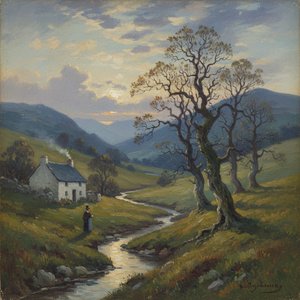
Penry Williams: Evoking Welsh Nostalgia Through Impressionistic Landscapes
Explore the captivating world of Penry Williams (1802-1885), a Welsh artist renowned for his evocative Impressionistic landscapes and scenes of Italy. Discover his life, style & legacy with OriginalUniqueArt.

William Hogarth: Satire, Social Commentary & the Birth of Modern British Art
Explore the satirical world of William Hogarth, pioneering British painter & engraver. Discover his iconic works like *A Rake's Progress* and insightful social commentary on 18th-century London life.


