معاينة الحجم الواقعي
 إرسال
إرسال مشاركة
 عرض التفاصيل
 دليل الأعمال الفنية للطلاب

 تحميل
تحميل
 قطع مشابهة
 الأشعة السينية
 عرض شرائح متتابع
 الإحصائيات
White Nude
 Oil On Canvas
- WallArt
- Abstract Expressionism
 1967
1967- Modern
 47.0 x 61.0 cm
 اقرأ المزيد
إن العمل الفني المعروض في هذه الصفحة محمي بموجب قوانين حقوق الطبع والنشر، مما يعني أنه لا يحق لنا قانوناً إنشاء أو بيع نسخ مطابقة له. وتُطبق هذه الحماية بموجب الاتفاقيات الدولية مثل الـ اتفاقية برن ووفقاً للقوانين الوطنية، بما في ذلك تلك المنصوص عليها في قانون حقوق الطبع والنشر في الولايات المتحدة - الباب 17.
تتوافق هذه الطريقة تماماً مع لوائح حقوق النشر لأنها لا تتضمن نسخ أو تكرار العمل الفني المحمي، بل هي إعادة تفسير إبداعية؛ أي أنها لوحة جديدة مستوحاة من الأصل ولكنها ليست مطابقة له.
طباعة جيلي / مطبوعات فنية
طباعة جيكلي أو كانفاس بجودة المتاحف، مع سرعة في التنفيذ وخيارات متنوعة للتشطيب. ( اطلب نسخة مرسومة يدويًا التحويل إلى الصورة الرقمية)




P118B E£10

P118H E£10

P118W E£10

P438Z E£10

P508JH E£12

P508YH E£12

P805H E£10

P805Z E£10

P919BZ E£10

P919G E£10

P919XJ E£10

P959ZH E£10

P968JZ E£12

W106C E£8

W218G E£10

W218JH E£8

W218Y E£10

W307PJ E£10

W316G E£10

W316PJ E£8

W316Y E£10

W398PJ E£8

W4111J E£10

W500HY E£15

W500JH E£15

W692G E£12

W849H E£8

W940BG E£15

W953PJ E£8




اختر من بين أحجامنا المُعدّة مسبقاً والتي تتوافق مع النسب الأصلية للعمل الفني.

أدخل العرض والارتفاع اللذين تحتاجهما، ليتناسب مع إطارك أو جدارك. يمكن قص المطبوعة فقط، ولا يمكن أبداً جعلها أكبر من الصورة الأصلية، لذا فإن أي مقاس بشكل مختلف سيؤدي إلى فقدان جزء من الصورة. سنرسل لك نموذجاً رقمياً تجريبياً لاعتماده قبل البدء في عملية الطباعة. الصورة المعروضة في هذه الصفحة لا توضح القص الفعلي — النموذج التجريبي فقط هو ما يظهر ذلك.
توصيل عالمي إلى خلال أسبوعين بدلاً من المدة القياسية البالغة 4/5 أسابيع. (27 أكتوبر)

شحن سريع ومجاني لجميع أنحاء العالم

قماش كتان فاخر

تأمين شامل على الشحن

ضمان استرداد الرسوم الجمركية

ضمان دقة مطابقة الألوان

سياسة الإرجاع خلال 100 يوم (في حالات العيوب فقط)

ضمان استرداد نقدي بنسبة 100%

عرض خصم الكميات
 خيار الزجاج متاح فقط للمقاسات التي تقل عن 110 سم

White Nude
طباعة جيلي / مطبوعات فنية
مقاس النسخة المطبوعة
-


إجمالي السعر
E£ 4165
A Visceral Encounter with Emotion
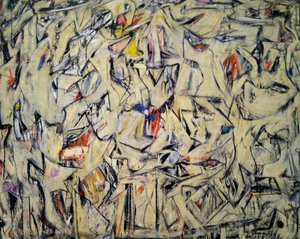
To stand before Willem de Kooning’s White Nude is to enter a realm where the boundaries between the physical form and raw, unbridantly emotion begin to dissolve. This 1967 masterpiece serves as a profound window into the psyche of one of the most influential figures of the Abstract Expressionist movement. The canvas does not merely present a subject; it stages a confrontation. At its heart lies a central female figure, rendered in striking whites that seem to struggle against an encroaching tide of color and texture. This is not a portrait of a person so much as it is a portrait of a feeling—a turbulent, pulsating energy that captures the very essence of human vulnerability and strength intertwined.
The composition invites the viewer to look beyond the surface. While the central figure commands attention, the periphery of the work is alive with smaller, ghostly forms that suggest a larger, more complex narrative of existence. These secondary figures, nestled within the chaotic landscape of the background, create a sense of depth and psychological layering, as if we are witnessing a fragment of a much larger, more turbulent dreamscape. For the discerning collector or interior designer, this piece offers a commanding presence, acting as a focal point that demands contemplation and sparks deep conversation within any sophisticated space.
The Language of Gesture and Texture
De Kooning’s technical mastery is found in his refusal to be contained by traditional boundaries. Eschewing the polished finish of classical realism, he embraced the impasto technique, applying paint with a ferocity that leaves behind a physical topography on the canvas. Each stroke is a record of an action; the thick, textured ridges and valleys of pigment create a rhythmic movement that guides the eye across the surface in a dance of light and shadow. This aggressive application of paint—often described as slashing or swirling—imbued the work with a sense of spontaneous creation, making the act of painting itself part of the artwork's soul.
The palette is a deliberate study in contrast. The starkness of the white subject matter provides a necessary anchor amidst a sea of jarring, high-energy hues. Deep blacks, fiery reds, and sun-drenched yellows collide without seeking harmony, instead opting for a tension that mirrors the internal conflicts of the human condition. This intentional dissonance is what gives the reproduction such life; when captured in a high-quality hand-painted format, these textures and colors retain their ability to vibrate with an almost tactile intensity, bringing the restless spirit of New York's postwar art scene into the modern home.
A Legacy of Rebellion and Transformation
To understand White Nude, one must understand the era of its birth. Emerging from the cultural upheaval of the mid-20th century, De Kooning was a pioneer in rejecting the rigid constraints of European Modernism. He sought to forge a new, uniquely American visual language—one that could articulate the anxieties, the uncertainties, and the profound transformations of a world recovering from global conflict. His work reflects a period where artists were no longer content to depict reality with photographic precision; they felt a desperate need to capture the truth of experience, even if that truth was messy, fragmented, and chaotic.
For those seeking to adorn their surroundings with art that possesses both historical weight and contemporary relevance, this work stands as a testament to the enduring power of abstraction. It is more than a decoration; it is an invitation to experience the sublime. Whether placed in a minimalist gallery-style setting or a richly textured study, De Kooning’s vision continues to challenge our perceptions, reminding us that within the chaos of color and form, there lies a profound and beautiful human truth.
الأسئلة والأجوبة
أين يمكنني العثور على أعمال فنية مشابهة لـ "White Nude" للفنان ويليم دي كونينغ؟
تستعرض صفحة أعمال مشابهة لعمل "White Nude" للفنان ويليم دي كونينغ أعمالاً فنية ذات صلة.
ما مدى سطوع "White Nude" للفنان ويليم دي كونينغ؟
تُظهر ألوان "White Nude" سطوعاً بمستوى Bright Balance.
من الذي أبدع "White Nude" وبأي أسلوب نُفذت؟
أبدع ويليم دي كونينغ لوحة "White Nude" ضمن حركة Abstract Expressionism.
نبذة عن الفنان
نشأة فنان: رحلة ويليم دي كونينغ نحو التجريد
وُلد ويليم دي كونينغ في روتردام بهولندا عام 1904، وشكلت طفولته المبكرة تجربة صعبة بسبب انفصال والديه. ربما أضفى هذا الانفصال شعورًا بالبحث الدائم الذي سيشكل مسيرته الفنية. لم يحب دي كونينغ المدرسة، وتركها في سن الثانية عشرة ليتدرب في شركة فنون تجارية، مما أكسبه مهارات تقنية أساسية بينما أشعل فيه الرغبة في التحرر من القيود التقليدية. تلقى تدريبًا إضافيًا في الأكاديمية المحلية للفنون، لكن شغفه الحقيقي كان يكمن في استكشاف لغة فنية أكثر جرأة وتعبيرًا. في عام 1926، انطلق نحو أمريكا، في رحلة مغامرة تجسدت في تهريبه على متن سفينة، بحثًا عن آفاق جديدة. سرعان ما أصبح نيويورك المدينة التي تبناه، حيث امتص طاقته النابضة بالحياة وتأثيراته المتنوعة، مما أثر بعمق على تطور أسلوبه الفني. عمل دي كونينغ في وظائف مختلفة – كعامل بناء ورسام – بينما كان يكرس نفسه بلا هوادة لمتابعة رؤيته الفنية، مستمدًا إلهامه من نبض المدينة.من المناظر الحضرية إلى الغضب التجريدي
في بداياته، عكس دي كونينغ محيطه المباشر في لوحاته: مناظر حضرية وصور شخصية التقطت الديناميكية المتدفقة لمدينة نيويورك. ومع ذلك، كانت هذه الأعمال بمثابة خطوات أولى نحو استكشاف أعمق للشكل والعاطفة. كان اللقاء مع أرشيل غوركي نقطة تحول حاسمة، حيث شجعه غوركي على التجريب بالتجريد، مما عزز لديه استعدادًا لتفكيك التمثيل التقليدي في سبيل تحقيق شيء أعمق. شهدت فترة الثلاثينيات انخراط دي كونينغ في الواقعية الاجتماعية ومشاريع الجداريات من خلال إدارة التقدم الوظيفي (WPA)، وهي فترة صقل مهاراته ولكنها سلطت الضوء أيضًا على قيود الفن التمثيلي البحت. وجد نفسه منجذبًا إلى أعمال ستيوارت ديفيس وجون غراهام، فنانين كانوا يدفعون الحدود بأنفسهم. أدى هذا التلاقي من التأثيرات تدريجيًا إلى تحويله بعيدًا عن التصوير الحرفي نحو مفردات تجريدية متزايدة. لم يكن هذا تحولاً مفاجئًا، بل كان تطوراً بطيئاً – تفكيكًا متعمدًا للمعايير الراسخة مدفوعًا بالفضول الفكري والسعي الدؤوب للحقيقة الفنية.سلسلة "المرأة": إنجاز بارز
بعد الحرب العالمية الثانية، برز دي كونينغ كشخصية مركزية في حركة التعبيرية المجردة الناشئة. شكلت هذه الفترة نقطة تحول، بلغت ذروتها في سلسلته الشهيرة "المرأة" (1950-1953). هذه اللوحات – بما في ذلك *المرأة الأولى* المهيبة – ليست مجرد تصوير لشخصيات نسائية؛ إنها استكشافات حسية للأنوثة والشهوة الجنسية وتعقيدات المشاعر الإنسانية. تتميز سلسلة "المرأة" بضربات فرشاة عدوانية وأشكال مجزأة ومقارنة صارخة للألوان، وتحدت المفاهيم التقليدية للجمال والتمثيل. كانت مثيرة للجدل، بل وحتى صادمة بالنسبة للبعض، لكن قوتها تكمن تحديدًا في رفضها الامتثال. لم يكن دي كونينغ مهتمًا بإنشاء صور مثالية؛ لقد سعى إلى التقاط الجوهر الخام وغير المروض لموضوعاته. بالإضافة إلى سلسلة "المرأة"، أظهرت أعمال مثل *الجزار* و *حفرية* نهجه الديناميكي في الرسم، مع إظهار إتقان بارز للملمس واللون والتكوين. لم يتجنب الفوضى أو الغموض؛ بل احتضنها كعناصر متكاملة من لغته الفنية.المناظر الطبيعية المتطورة والإرث الدائم
في الستينيات، خضع أسلوب دي كونينغ لتطور كبير آخر. بينما ظل التجريد جوهريًا في عمله، بدأت العناصر المتعلقة بالمناظر الطبيعية تلعب دورًا أكثر بروزًا، وغالبًا ما يتم تصويرها بلوحة أكثر إشراقًا وضربة فرشاة أكثر سلاسة. استمر في التجريب بلا هوادة طوال حياته، واستكشف تقنيات ومواد مختلفة، ولم يرض بقاع الثبات أبدًا. تُظهر أعماله اللاحقة قدرته المذهلة على إعادة اختراع نفسه مع البقاء مخلصًا لمبادئه الفنية الأساسية. لا يمكن إنكار الأهمية التاريخية لوليم دي كونينغ. فقد ساعد في إرساء مدينة نيويورك كمركز عالمي للفن، وتحدي الهيمنة التقاليد الأوروبية وفتح الطريق للأجيال القادمة من الفنانين. تظل أعماله تلهم الرهبة وتثير الجدل، مما يذكرنا بقوة التجريد في نقل الحقائق العاطفية العميقة. رحل دي كونينغ عن عالمنا عام 1997، تاركًا وراءه عملًا واسع النطاق ومؤثرًا يشهد على التزامه الثابت بالابتكار الفني وإرثه الدائم كواحد من أهم فناني القرن العشرين الأمريكيين. إن تأثيره لا يزال يتردد صداه.
ويليم دي كونينغ
1904 - 1997 , هولندا
لمحة سريعة
- أعمال فنية بارزة:
- امرأة الأولى
- مارلين مونرو
- رجل مستلقٍ (جي إف كيه)
- حفرية
- الاسم الكامل: ويلهم دي كونينغ
- الجنسية: هولندي أمريكي
- الحركات الفنية المتأثرة: ['مدرسة نيويورك']
- الحركة الفنية: التعبيرية المجردة
- الفنانون المؤثرون:
- أرشيل غوركي
- ستيوارت ديفيس
- جون غراهام
- تاريخ الميلاد: 24 أبريل 1904
- مكان الميلاد: روتردام، هولندا
مقالات ذات صلة

أفضل 25 لوحة لفنانٍ عبقري: جوايا يلامس الروح بالفن والتاريخ
اكتشف 25 تحفة فنية لفنان العبقري جوايا! رحلة في عالم لوحاته المؤثرة، من الرومانسية إلى الواقعية. احصل على نسخ عالية الجودة لديكور منزلك الفاخر على OriginalUniqueArt.com

White on Canvas: 10 Masterpieces & Timeless Elegance for Your Home Decor
Explore 10 iconic white paintings by Monet, Whistler & Rothko! Discover the stories behind these serene masterpieces and their impact on art history. Find museum-quality reproductions for your home decor at .

Kandinsky's Masterpieces: 25 Paintings That Define Abstract Art | OriginalUniqueArt
Journey through Wassily Kandinsky's 25 most iconic abstract paintings. Explore his revolutionary use of color, form & spiritual expressionism. Find museum-quality Kandinsky reproductions and elevate your home decor with OriginalUniqueArt.com. Discover all masterpieces on OriginalUniqueArt.com!

Willem de Kooning: Abstraction, Gesture & the Evolution of Post-War American Painting
Explore the evolution of Willem de Kooning's iconic Abstract Expressionist paintings. Discover his signature style, key themes & investment potential with expert insights for discerning art collectors.

أعلى 10 روائع تحدد الرمزية التعبيرية: رحلة في الفن الراقي و لوحات مميزة
اكتشف روائع الرمزية التعبيرية! استكشف 10 لوحات أيقونية مع جاكسون بولوك ومارك روثكو. قصص فنانين، تقنيات فريدة، وأعمال خالدة. احصل على لوحات مميزة لديكور منزلك الفاخر. تسوق الآن على OriginalUniqueArt.com!