
 معاينة الحجم الحقيقي
 مشاركة
 مشاركة
 التفاصيل

 تحميل الملف
 قطع مشابهة
 الأشعة السينية
 عرض شرائح
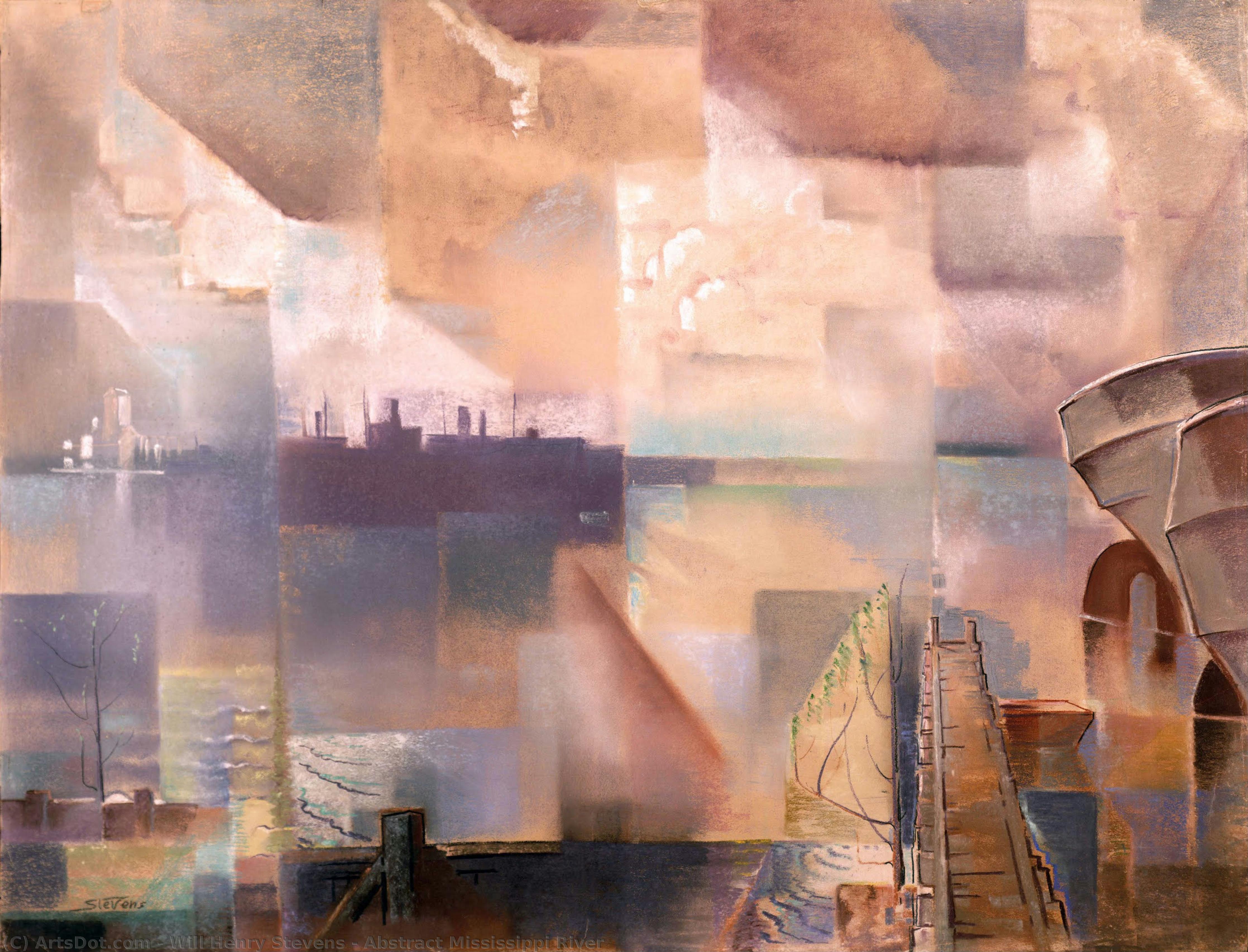
Abstract Mississippi River


 عرض المزيد
نسخة زيتية مصنوعة يدوياً
لوحة زيتية مرسومة يدوياً على الكانفاس بالمقاس والإطار الذي تفضله، تُنفذ حسب الطلب على أيدي فنانينا. ( اشترِ نسخة مطبوعة اشترِ الصورة)




































اختر من بين أحجامنا المُعدّة مسبقًا والتي تتطابق مع النسب الأصلية للعمل الفني.

يمكنك إدخال أبعادك الخاصة لتناسب إطارًا معينًا أو مساحة محددة. وإذا لم يتطابق الحجم الذي اخترته مع نسب الصورة الأصلية، فسنقوم إما بقص العمل الفني أو توسيع اللوحة بإضافة عناصر مرسومة يدويًا. سيتم إرسال نموذج رقمي إليك للموافقة عليه قبل بدء الإنتاج.
يرجى ملاحظة أن المعاينة على الشاشة لا تعكس عملية القص أو التوسيع الفعلية؛ حيث إن النموذج الرقمي وحده هو الذي سيوضح التكوين النهائي بدقة.
وعلى الرغم من توفر أحجام مخصصة، إلا أننا نوصي باختيار أبعاد من القائمة المحددة مسبقًا للحفاظ على النسب الأصلية للعمل الفني.
بعد إتمام الطلب، سيرسل فريق OriginalUniqueArt.com بريداً إلكترونياً للعميل لطلب التعليمات وتزويده بمعاينة تجريبية (mockup).
توصيل عالمي إلى خلال 3 إلى 4 أسابيع بدلاً من المدة المعتادة البالغة 5 أسابيع. (20 أغسطس). جودة لا تهاون فيها.

شحن سريع ومجاني لجميع أنحاء العالم

قماش كتان عالي الجودة

تأمين شحن شامل

ضمان استرداد الرسوم الجمركية

ضمان مطابقة الألوان الحقيقية

سياسة الإرجاع خلال 60 يومًا (في حالات العيوب فقط)

ضمان استرداد نقدي بنسبة 100%

خصم عند طلب عدة قطع
 خيار الزجاج متاح فقط للمقاسات التي تقل عن 110 سم

Abstract Mississippi River
خامة إعادة الإنتاج
مقاس النسخة المطبوعة
-


السعر الإجمالي النهائي
$ 300
وصف العمل الفني
السيرة الذاتية للفنان
The Alchemist of Southern Light
Will Henry Stevens stands as a singular figure in American modernist painting, celebrated for his evocative depictions of the rural South and his pioneering exploration of tonal pastel mediums. Born November 28, 1881, in Vevay, Indiana—a town nestled along the banks of the Ohio River—Stevens’ artistic journey unfolded against the backdrop of a burgeoning interest in naturalism and a profound connection to the landscapes of his formative years. His father, an apothecary, instilled in him a meticulous attention to detail and a foundational understanding of chemistry, skills that would later prove invaluable in his experimental approach to pigment formulations.
Stevens’ formal artistic education began at the Cincinnati Art Academy, where he honed his drawing skills before embarking on a career path marked by serendipitous encounters and intellectual stimulation. Notably, he befriended Jonas Lie, Van Dearing Perrine, and Albert Pinkham Ryder—artists who championed the principles of naturalism and encouraged Stevens to prioritize observation over idealized representation. These formative relationships profoundly shaped his artistic vision, fostering an appreciation for the philosophical explorations of nature found in the works of Emerson, Thoreau, and Whitman. The influence of Whistler and Twachtman further solidified his commitment to tonal painting—a technique prioritizing subtle gradations of color and emphasizing the expressive qualities of light and shadow over conventional, heavy brushstrokes.
Innovation Through Chemistry and Color
What truly distinguished Stevens from many of his contemporaries was his scientific approach to the medium itself. He did not merely use art supplies; he created them. Drawing upon the chemical knowledge inherited from his father, Stevens developed a unique pastel medium, meticulously crafted through the careful grinding and mixing of raw pigments. This innovative approach liberated him from the constraints of traditional oil painting, allowing for an unparalleled freedom in capturing the fleeting, ephemeral moments of Southern light and atmosphere. His ability to manipulate texture and tone allowed him to bridge the gap between representational landscape and pure abstraction.
His career was a beautiful duality of styles. While he is often categorized as a modernist, his work remained deeply rooted in a love for the natural world. He moved seamlessly between two distinct modes:
- The Representational: Detailed, realistic landscapes that captured the soul of the Southern terrain, particularly during his summers in the mountains of Western North Carolina and Eastern Tennessee.
- The Abstract: Non-objective works and abstractions of nature that explored the underlying rhythms, shapes, and energies of the environment.
A Legacy Etched in the American Landscape
As Stevens transitioned into his later years, he became a fixture of the Southern art scene, notably serving on the faculty of Newcomb College of Art in New Orleans. This period marked a significant evolution toward modernism, as he successfully integrated the nationalistic spirit of the American Regionalists with the groundbreaking philosophies of the European avant-garde. Even as his work moved toward more abstract forms, it never lost its connection to the earth and the light that defines it.
Today, the historical significance of Will Henry Stevens is preserved in some of the most prestigious institutions in the United States. His ability to capture the "spirit" of a place through the lens of modern technique has earned him a permanent place in the canon of American art. His works can be found in the collections of:
- The Smithsonian American Art Museum
- The Museum of Fine Arts, Boston
- The Los Angeles County Museum of Art (LACMA)
- The North Carolina Museum of Art
- The Ogden Museum of Southern Art
Through his mastery of the pastel medium and his unwavering devotion to the nuances of nature, Stevens left behind a body of work that serves as both a scientific achievement in pigmentary innovation and a poetic tribute to the enduring beauty of the American landscape.

Will Henry Stevens
1881 - 1949 , United States of America
حقائق سريعة
- Artistic Movement Or Style: Naturalism & Modernism
- Artists Or Movements Influenced By This Artist: ['James McNeill Whistler']
- Artists Who Influenced This Artist:
- Ralph Waldo Emerson
- Henry David Thoreau
- Walt Whitman
- Date Of Birth: November 28, 1881
- Date Of Death: August 25, 1949
- Full Name: Will Henry Stevens
- Nationality: American
- Notable Artworks: ['Abstract Mississippi River']
- Place Of Birth: Vevay, United States
مقالات ذات صلة

Kandinsky's Masterpieces: 25 Paintings That Define Abstract Art | OriginalUniqueArt
Journey through Wassily Kandinsky's 25 most iconic abstract paintings. Explore his revolutionary use of color, form & spiritual expressionism. Find museum-quality Kandinsky reproductions and elevate your home decor with OriginalUniqueArt.com. Discover all masterpieces on OriginalUniqueArt.com!

أعلى 10 روائع تحدد الرمزية التعبيرية: رحلة في الفن الراقي و لوحات مميزة
اكتشف روائع الرمزية التعبيرية! استكشف 10 لوحات أيقونية مع جاكسون بولوك ومارك روثكو. قصص فنانين، تقنيات فريدة، وأعمال خالدة. احصل على لوحات مميزة لديكور منزلك الفاخر. تسوق الآن على OriginalUniqueArt.com!

أكثر 10 روائع فنية حدّدت حركة التجريد الهندسي | OriginalUniqueArt.com
اكتشف 10 روائع فنية غيرت مسار التجريد الهندسي! تعرف على بيكاسو، موندريان وماليفيتش وغيرهم. لوحات أصلية وإعادة إنتاج فاخرة لديكور عصري. استلهم منزلك مع OriginalUniqueArt.com

أعمال كازيمير ماليفيتش الخالدة: 25 تحفة فنية لتزيين منزلك بأسلوب فني رفيع
اكتشف 25 تحفة فنية لكازيمير ماليفيتش، رائد الفن التجريدي والسوبرماتية. استكشف تاريخ لوحاته الملونة الشهيرة مثل 'المربع الأسود' و'الأبيض على الأبيض'. احصل على نسخ عالية الجودة لتزيين منزلك بأسلوب فني راقٍ على OriginalUniqueArt.com

بول كلي: 25 تحفة فنية تعكس عبقرية اللون والشكل | OriginalUniqueArt
اكتشف 25 تحفة فنية لبول كلي، رائد الفن التجريدي والسريالي. استكشف قصص لوحاته الملونة وتقنياته الفريدة على OriginalUniqueArt.com. اشترِ إعادة إنتاج عالية الجودة وديكور منزلي فاخر.

