

 معاينة الحجم الواقعي
 إرسال
إرسال مشاركة
 عرض التفاصيل
 دليل الأعمال الفنية للطلاب

 تحميل
تحميل
 قطع مشابهة
 الأشعة السينية
 عرض شرائح متتابع
 الإحصائيات
تدمير القدس
 زيت على قماش
- لوحات جدارية
- Romanticism
 1846
1846- القرن التاسع عشر
 585.0 x 705.0 cm
 ألتي بيناكوثيك
 اقرأ المزيد
طباعة جيلي / مطبوعات فنية
طباعة جيكلي أو كانفاس بجودة المتاحف، مع سرعة في التنفيذ وخيارات متنوعة للتشطيب. ( اطلب نسخة مرسومة يدويًا التحويل إلى الصورة الرقمية)




P118B E£10

P118H E£10

P118W E£10

P438Z E£10

P508JH E£12

P508YH E£12

P805H E£10

P805Z E£10

P919BZ E£10

P919G E£10

P919XJ E£10

P959ZH E£10

P968JZ E£12

W106C E£8

W218G E£10

W218JH E£8

W218Y E£10

W307PJ E£10

W316G E£10

W316PJ E£8

W316Y E£10

W398PJ E£8

W4111J E£10

W500HY E£15

W500JH E£15

W692G E£12

W849H E£8

W940BG E£15

W953PJ E£8




اختر من بين أحجامنا المُعدّة مسبقاً والتي تتوافق مع النسب الأصلية للعمل الفني.

أدخل العرض والارتفاع اللذين تحتاجهما، ليتناسب مع إطارك أو جدارك. يمكن قص المطبوعة فقط، ولا يمكن أبداً جعلها أكبر من الصورة الأصلية، لذا فإن أي مقاس بشكل مختلف سيؤدي إلى فقدان جزء من الصورة. سنرسل لك نموذجاً رقمياً تجريبياً لاعتماده قبل البدء في عملية الطباعة. الصورة المعروضة في هذه الصفحة لا توضح القص الفعلي — النموذج التجريبي فقط هو ما يظهر ذلك.
توصيل عالمي إلى خلال أسبوعين بدلاً من المدة القياسية البالغة 4/5 أسابيع. (28 أكتوبر)

شحن سريع ومجاني لجميع أنحاء العالم

قماش كتان فاخر

تأمين شامل على الشحن

ضمان استرداد الرسوم الجمركية

ضمان دقة مطابقة الألوان

سياسة الإرجاع خلال 100 يوم (في حالات العيوب فقط)

ضمان استرداد نقدي بنسبة 100%

عرض خصم الكميات
 خيار الزجاج متاح فقط للمقاسات التي تقل عن 110 سم

تدمير القدس
طباعة جيلي / مطبوعات فنية
مقاس النسخة المطبوعة
-


إجمالي السعر
E£ 4165
تصوير دراماتيكي لكارثة دينية
نقدم لكم تحفة فنية من روائع عالم الفن، لوحة "تدمير القدس" للفنان الألماني الشهير فيلهلم فون كولباخ. هذه اللوحة ليست مجرد عمل فني؛ بل هي نافذة تطل على لحظة محورية في التاريخ الإبراهيمي، وهي سقوط القدس تحت حكم تيطوس الروماني. اللوحة تجسد بشكل دراماتيكي وقوي الأحداث التي شهدتها المدينة المقدسة، مع التركيز على الصراع بين الخير والشر، والحكمة والجنون، والأمل واليأس.
تقنيات فنية مذهلة
تم إنتاج هذه اللوحة عام 1846، وهي مثال بارز على أسلوب الرومانسية الكلاسيكية. يعتمد كولباخ على تقنيات الرسم الزيتي الدقيقة للغاية، مما يسمح له بإنشاء طبقات غنية، وإبراز تدرجات الإضاءة بشكل مذهل، واستخدام الظلال لخلق جو من الغموض والدراما. يتميز الفنان بقدرته الفائقة على تصوير الأنسجة - من الملابس المتدفقة إلى الهياكل المعمارية المتداعية - مما يضفي بعدًا واقعيًا وملموسًا على المشهد. تستخدم الخطوط بشكل مكثف، مع التركيز على الزوايا والمنحنيات التي توجه العين عبر المجموعة الكبيرة من الشخصيات، مما يؤكد الفوضى والقوة الإلهية في قلب الحدث.
أهمية تاريخية ورمزية عميقة
تستند هذه اللوحة إلى سياق تاريخي مهم - حصار القدس وسقوطها خلال الحرب اليهودية الرومانية. بالإضافة إلى دقتها التاريخية، فهي مليئة بالرموز: الشخصيات الإلهية والملائكة ترمز إلى الأمل والخلاص في خضم الدمار، بينما يمثل البشر الذين يعانون التعاطف والتأمل في العدالة الإلهية. يلعب التفاعل بين الضوء والظلام دورًا حاسمًا في إبراز مواضيع التدخل الإلهي، والحكم، والوضع الضعيف للبشر، مما يجعل اللوحة بمثابة تأمل بصري قوي حول الإيمان والموت والسلطة الإلهية.
تأثير عاطفي وإلهام فني
تثير لوحة كولباخ استجابة عاطفية قوية - من الحزن والذهول إلى اليأس والإعجاب. يتم التقاط هذه المشاعر من خلال الإيماءات التعبيرية والوجوه الشديدة، مما يخلق مشهدًا حيًا ومؤثرًا. تُشجع اللوحة المشاهدين على التفكير في مواضيع العدالة الإلهية والضعف البشري، مما يجعلها قطعة فنية مثيرة للتأمل بشكل خاص. إنها ليست مجرد لوحة؛ بل هي دعوة إلى التأمل والتفكير العميق.
إضافة فريدة للمجموعات والديكور
تعد هذه اللوحة الضخمة التي تبلغ مساحتها 585 × 705 سم شهادة على الإتقان الفني وقصص التاريخ. إن حجمها الكبير يجعلها نقطة محورية مثالية في الغرف الكبيرة والمزينة بشكل أنيق، بينما تضيف رموزها الغنية وعمقها العاطفي جاذبية خاصة للمجموعات التي يسعى إليها هواة جمع الأعمال الفنية الباحثون عن قطع ذات معنى وعالية الجودة. سواء تم عرضها في معرض فني أو مؤسسة ثقافية أو مساحة خاصة فاخرة، فإن هذه القطعة الواعدة تضمن إثارة الإعجاب والتأمل، مما يعزز أي بيئة بفضل أهميتها التاريخية وجمالها الفني.
الأسئلة والأجوبة
هل يوجد دليل لـ "تدمير القدس" للفنان Wilhelm von Kaulbach؟
تقدم صفحة دليل تعليمي الخاصة بـ "تدمير القدس" للفنان Wilhelm von Kaulbach ورقة حقائق قابلة للطباعة ومكونة من ورقتين: العمل الفني مع جدول بياناته، وشريط زمني يضعه ضمن الحقبة التي عاش فيها الفنان، وأعمال أخرى للفنان نفسه، ولوحة الألوان المقاسة، بالإضافة إلى مراجع جاهزة للاقتباس بأربعة أساليب مختلفة.
ما مدى التناغم بين ألوان "تدمير القدس"؟
يُصنف التناغم اللوني لـ "تدمير القدس" على أنه تناغم لوني قوي.
ما هو الموضوع والأجواء التي يجمع بينها "تدمير القدس" للفنان Wilhelm von Kaulbach؟
تُصور "تدمير القدس" للفنان Wilhelm von Kaulbach موضوعات jerusalem destruction, biblical narrative, divine judgment, human suffering, angelic figures, historical event, religious art، في أجواء درامي. ويصف الموضوع والأجواء معاً هذا العمل الفني.
نبذة عن الفنان
The Architect of German Grandeur: The Life of Wilhelm von Kaulbach
In the sweeping landscape of nineteenth-century German art, few figures loom as large or as dramatically as Wilhelm von Kaulbach. Born in 1805 in the quiet town of Bad Arolsen, Kaulbach’s early years were far from the gilded halls of academia; instead, they were defined by a profound struggle against poverty and the harsh realities of rural life. This early exposure to hardship did not stifle his ambition but rather forged a resilient spirit that would later allow him to tackle the most monumental canvases of his era. His journey into the heart of the art world began with a transformative opportunity at the Düsseldorf Academy of Fine Arts, where the mentorship of luminaries like Peter von Cornelius would fundamentally reshape his artistic trajectory.
Kaulbach’s development was inextricably linked to the rise of the Düsseldorf School, a movement characterized by its pursuit of classical ideals blended with a distinctly German emotional depth. Under the guidance of Cornelius, Kaulbach learned to navigate the complex intersection of historical narrative and allegorical symbolism. His time at the academy was marked by intense dedication, often persevering through periods of hunger and deprivation to master the intricate techniques required for large-scale compositions. This period of rigorous training prepared him for his most significant professional undertaking: the creation of massive frescoes that would breathe life into the walls of Munich’s Glyptothek. Working alongside fellow artists like Schweitzer, Kaulbach participated in a painstaking process of translating detailed cartoons into vibrant, permanent displays of color and history.
Mastery of Narrative and Symbolism
The true essence of Kaulbach’s genius lies in his ability to weave complex historical and biblical narratives into visually arresting compositions. He possessed a rare talent for capturing the chaotic energy of human conflict while maintaining a sense of divine order or tragic inevitability. His works often serve as windows into the soul of Romanticism, where the line between the earthly and the eternal becomes blurred. To understand his impact, one must look at the thematic breadth of his repertoire:
- Biblical Catastrophe: In masterpieces such as The Destruction of Jerusalem by Titus, Kaulbach utilizes dramatic lighting and sweeping movement to evoke a sense of profound emotional impact and historical weight.
- Historical Allegory: His engravings and paintings, including works like Die Hunnenschlacht Raab, showcase his ability to depict moments of intense struggle, utilizing detailed linework to convey the chaos of battle and the presence of divine intervention.
- Satire and Illustration: Beyond the monumental, Kaulbach was a skilled book illustrator, capable of shifting from the epic scale of mural painting to the sharp, biting wit found in satirical works like Narrenhaus.
His technical prowess was not limited to a single medium; whether working in the delicate precision of an engraving or the expansive reach of a fresco, Kaulbach maintained a signature style characterized by rich symbolism and a profound sense of drama. His ability to utilize Baroque-inspired elements—such as the dramatic shadows seen in his depictions of the Fall of Babylon—allowed him to create works that felt both ancient and urgently contemporary to his nineteenth-century audience.
A Lasting Legacy in German Art
The historical significance of Wilhelm von Kaulbach extends far beyond the physical boundaries of the murals he painted. He was a pivotal figure who helped revitalize German art, moving it away from mere imitation of foreign styles toward a robust, self-assured aesthetic that celebrated national history and classical myth. By bridging the gap between the academic rigor of the Düsseldorf School and the emotive power of Romanticism, he provided a visual language for a generation seeking identity in a changing Europe.
Though the era of monumental mural painting eventually gave way to new artistic movements, Kaulbach’s influence remains etched in the annals of art history. He transformed the walls of museums and the pages of books into stages for the grandest human dramas, ensuring that his vision of history, faith, and struggle would endure. Today, he is remembered not just as a painter, but as a titan of his age—a man who took the hardships of his youth and transmuted them into a legacy of unparalleled artistic grandeur.

Wilhelm von Kaulbach
1805 - 1874 , Germany
لمحة سريعة
- Full Name: Wilhelm von Kaulbach
- Nationality: German
- Date Of Birth: 1805
- Date Of Death: 1874
- Place Of Birth: Bad Arolsen, Germany
- Notable Artworks:
- Die Zerstorung Jerusalems
- Homer Und Die Griechen
- Die Reformation
- Artistic Movement Or Style: Düsseldorfs Schule
- Artists Who Influenced This Artist: ['Peter von Cornelius']
- Artists Or Movements Influenced By This Artist: ['Middle Ages']
مقالات ذات صلة

Romantic Masterpieces: 10 Artworks to Stir Your Soul |
Fall in love with art! Explore 10 iconic romantic paintings – from Renaissance classics to Impressionist masterpieces. Discover the stories behind artists like Monet & Klimt, and find museum-quality reproductions for your home at .

Romantic Realism's Finest: 10 Masterpieces for Your Home | OriginalUniqueArt
Explore 10 defining masterpieces of Romantic Realism! Discover Courbet, Millet & Daumier's powerful paintings—capturing emotion and social realities. Find museum-quality reproductions for your home at OriginalUniqueArt.com.
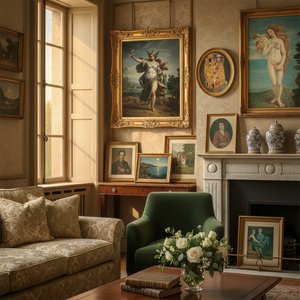
Romantic Masterpieces: 10 Artworks for a Timeless Home Decor Aesthetic
Fall in love with art! Explore 10 iconic romantic paintings – from Monet & Bouguereau to Fragonard. Discover the stories behind these masterpieces and find museum-quality reproductions for your home decor at .

Illuminating Faith: Biblical Narrative & Artistic Expression Through the Ages
Explore the rich history of biblical art from Giotto to the Renaissance masters with OriginalUniqueArt. Discover symbolism, techniques & enduring legacies. Museum-quality reproductions & expert insights.

أفضل 10 لوحات طبيعية رومانسية غيرت مسار الفن وجمّلت الديكور | OriginalUniqueArt
اكتشف 10 روائع فنية رسمت مسار الفن الرومانسي! استكشف لوحات فريدريش، مالارد وأكثر. قصص الفنانين، تقنيات الرسم، وجمال المناظر الطبيعية الخلابة. احصل على أعمال فنية عالية الجودة من OriginalUniqueArt.com!
