
 معاينة الحجم الواقعي
 مشاركة
 مشاركة
 التفاصيل
 دليل
دليل

 تحميل الملف
 قطع مشابهة
 الأشعة السينية
 عرض شرائح
 الأسئلة والأجوبة
 الإحصائيات
Karachi III

- 34.0 x 20.0 cm


 عرض المزيد
احصل على ملف جاهز للطباعة يتجاوز بمراحل جودة المعاينة عبر الإنترنت؛ فكل صورة رقمية نبيعها مستمدة من نسخة أصلية عالية الدقة في قاعدة بياناتنا — يتراوح عرضها عادةً بين 5,000 إلى 15,000 بكسل — مما يتيح لك الطباعة بأحجام كبيرة، أو الاقتصاص بدقة، أو إعادة إنتاج التفاصيل الدقيقة بكل ثقة.
لا تخرج أي صورة من استوديو الخاص بنا دون أن تمر بعملية معالجة دقيقة؛ حيث يقوم خبير رقمي بمطابقة الألوان مع اللوحة الأصلية وتصحيحها عند الضرورة، ثم يعمل على تحسين الوضوح والتفاصيل باستخدام أدوات ترميم احترافية — مع الحفاظ دائماً على أمانة نقل ضربات فرشاة الفنان وأسلوبه. والنتيجة هي صورة تبدو كأنها اللوحة ذاتها، وليست مجرد مسح ضوئي خاضع للفلاتر.
تتم عملية الاعتماد قبل الإتمام النهائي: حيث يرسل خبيرنا الصورة عبر البريد الإلكتروني في غضون 72 ساعة لمراجعتها من قبلك. هل لم تنل النتيجة إعجابك؟ يمكنك طلب تحسينات أو تصحيحات، أو طلب استرداد الأموال إذا لم تكن الجودة بالمستوى المطلوب.
هذه هي الجودة التي يعتمد عليها الناشرون، واستوديوهات التصميم، والمعارض، والمطابع.
صورة رقمية
حمّل ملفاً عالي الدقة للعرض الشخصي، والطباعة، والمشاريع الإبداعية. ( التبديل إلى نسخة مطبوعة شراء لوحة مرسومة يدويًا)
مزايا مُضمّنة مع كل طلب صورة رقمية
تسليم رقمي احترافي ومضمون
عندما تختار OriginalUniqueArt.com، فأنت لا تحصل على مجرد صورة فحسب، بل ستحصل على عمل فني رقمي مُحسّن باحترافية، صُمم بدقة متناهية ومصحوب بضمان الرضا. إليك كل ما يتضمنه طلبك تلقائياً:

تسليم سريع عبر البريد الإلكتروني
ستصلك ملفات صورك الرقمية عالية الدقة عبر البريد الإلكتروني في غضون 72 ساعة من إتمام الطلب - لتكون جاهزة للاستخدام الفوري.

ملف رقمي مُعزز بالذكاء الاصطناعي
يتم تحسين عملك الفني باحترافية باستخدام أدوات الذكاء الاصطناعي المتقدمة والتحرير اليدوي، لضمان أقصى درجات التفاصيل والوضوح ودقة الألوان.

إعادة إرسال مجانية مدى الحياة
هل حذفت ملفك أو فقدته عن طريق الخطأ؟ لا تقلق - سنعيد إرساله إليك في أي وقت، مجاناً.

بدون رسوم استيراد - على الإطلاق
استمتع بأعمالك الفنية فوراً دون أي رسوم جمركية أو ضرائب أو مصاريف شحن - فالتحميلات الرقمية دائماً ما تكون معفاة من الضرائب.

ضمان دقة الألوان
نضمن لك دقة انعكاس الألوان الأصلية في صورتك الرقمية بأقصى قدر ممكن، وذلك باستخدام أدوات احترافية وتقنيات متطورة لإدارة الألوان.

ضمان الرضا لمدة 100 يوم
إذا لم تكن راضياً عن صورتك الرقمية، فسنقوم بتعديلها أو استرداد 100% من قيمتها خلال 100 يوم - دون طرح أي أسئلة.

ضمان استرداد نقدي بنسبة 100%
لم تكن راضياً؟ استرد كامل المبلغ خلال 100 يوم من استلام ملفك الرقمي - دون طرح أي أسئلة.

خصومات الطلبات الكبيرة
اشتري 3 صور، ووفر 10% - اشتري 5، ووفر 15% - اشتري +10، ووفر 20%. مثالية للمشاريع الإبداعية، والمعارض، والوكالات.
A Tapestry of Memory and Architecture
In the delicate, intricate world of Waseem Ahmed’s Karachi III, the viewer is invited into a space where history and architecture collide with profound emotional weight. Created in 2015, this miniature masterpiece serves as more than just a depiction of structural forms; it is a haunting meditation on displacement and the enduring presence of the past. The painting presents a striking composition of stone-like buildings crowned by domes, set against a visceral, saturated red background that commands immediate attention. This crimson expanse does not merely serve as a backdrop but acts as an atmospheric force, suggesting themes of passion, conflict, or perhaps the blood-stained memories of a migratory history. Through the careful arrangement of two prominent domes and secondary structures, Ahmed creates a sense of depth that pulls the eye into a complex, layered landscape where every architectural detail feels heavy with significance.
The artist’s technique is a masterful bridge between the ancient traditions of Pakistani miniature painting and the urgent language of contemporary art. Ahmed utilizes the meticulous precision characteristic of the Mughal tradition to render the sturdy, weathered textures of the buildings, yet he disrupts this classical serenity with experimental flourishes. The inclusion of subtle gold leaf or decorative elements adds an unexpected touch of elegance and light, catching the eye and providing a shimmering contrast to the somber, earthy tones of the masonry. This interplay between the matte surfaces of the stone and the reflective brilliance of the gold creates a tactile quality that makes the work feel alive, inviting collectors and designers alike to appreciate the physical craftsmanship inherent in this reproduction.
Symbolism and the Weight of History
To understand Karachi III is to understand the biography of Waseem Ahmed himself. Born into a Muhajir family that experienced the trauma of migration following the Partition, Ahmed uses the miniature format—a medium traditionally used for courtly elegance—to portray subjects of deep political and personal pain. The architecture in this piece functions as a symbol of permanence and fragility; while the stone structures appear resolute, their placement within such an intense, monochromatic environment suggests a vulnerability to the tides of time and political upheaval. The domes, iconic symbols of religious and cultural identity, are rendered with a precision that honors tradition while simultaneously questioning whether the scars of history can ever truly heal.
For the discerning art lover or interior designer, this piece offers a sophisticated focal point that transcends mere decoration. It is an intellectual conversation piece, perfect for spaces that value depth, narrative, and cultural resonance. The painting’s ability to blend the delicate with the monumental makes it an ideal acquisition for those seeking to introduce a sense of contemplative luxury into a modern setting. Whether displayed in a private gallery or as part of a curated collection, Karachi III remains a powerful testament to the resilience of the human spirit and the enduring power of art to transform historical trauma into breathtaking beauty.
الأسئلة والأجوبة
في أي عام أُبدعت "Karachi III" للفنان Waseem Ahmed؟
يعود تاريخ "Karachi III" إلى عام 2015، وهو ما يضع العمل ضمن المسيرة المهنية لـ Waseem Ahmed وفي سياق حقبته الزمنية.
ما الذي يجعل "Karachi III" للفنان Waseem Ahmed خياراً مثالياً للإهداء؟
تتناغم النبرة Somber للوحة "Karachi III" للفنان Waseem Ahmed مع مناسبة الإهداء المقترحة: Corporate Gift.
هل يمكن إعادة إنتاج "Karachi III" للفنان Waseem Ahmed، الموجود في ILHAM Gallery، بشكل قانوني؟
إن الوضع القانوني لحقوق الطبع والنشر لعمل "Karachi III" للفنان Waseem Ahmed واضح: فالعمل يندرج ضمن لا تزال محمية بموجب حقوق الطبع والنشر، ولا يغير وجوده في ILHAM Gallery من هذا الوضع شيئاً.
السيرة الذاتية للفنان
Waseem Ahmed: Bridging Tradition and Innovation in Miniature Painting
Waseem Ahmed (born 1976 in Hyderabad, Pakistan) stands as a prominent figure within the contemporary miniature painting landscape of Pakistan. His artistic journey began with a Bachelor’s degree in Fine Arts from University of Sindh followed by another focused exploration into the intricate art form of miniature painting at National College of Arts Lahore—a foundation that profoundly shaped his distinctive style and worldview.
- Early Influences: Ahmed's artistic sensibilities were nurtured within a Muhajir family tradition, deeply rooted in migration from India following Partition. This formative experience instilled a sensitivity to displacement and resilience – themes that would later permeate his artwork.
- Formal Training & Technique: Recognizing the importance of mastering foundational skills, he pursued a Bachelor’s degree in Miniature Painting at National College of Arts Lahore where he honed his craft utilizing traditional techniques like gouache and gold leaf on wasli paper alongside experimental explorations.
- Academic Career: Since 2001, Ahmed has served as Visiting Assistant Professor at the Miniature Painting Department of National College of Arts, fostering a new generation of artists while maintaining an unwavering dedication to preserving and innovating upon classical traditions.
Ahmed’s artistic vision transcends mere replication; he seeks to engage with complex social, political, and cultural narratives. His vocabulary draws inspiration from both Asian and European art history and mythology—a deliberate juxtaposition that encourages viewers to contemplate multifaceted perspectives.
His works often depict scenes imbued with symbolic resonance – animals representing spiritual concepts, bearded men embodying wisdom and authority, and surfaces bearing traces of violence or contemplation. These elements converge to create layered meanings that invite introspection and challenge conventional interpretations.
Notable Achievements & Artistic Style
Ahmed’s artistic style is characterized by meticulous detail and a masterful command of color—particularly the use of gold leaf and silver leaf on wasli paper, techniques rooted in Mughal painting history. This stylistic choice isn't simply nostalgic; it represents a conscious effort to honor heritage while simultaneously pushing boundaries.
- The Humboldt Lab Dahlem Project: A pivotal moment in Ahmed’s career arrived with his participation in the Humboldt Lab Dahlem project, where he collaborated with the Museum für Asiatische Kunst in Berlin. This residency spurred him to create a new body of work—a dialogue between traditional miniature techniques and contemporary artistic experimentation.
- Retrospective Exhibition: His retrospective at the Museum für Asiatische Kunst in 2014–2015 solidified his reputation as a visionary artist, showcasing a comprehensive collection of paintings that reflected his stylistic evolution and thematic preoccupations.
- Recognition & Awards: Ahmed’s work has garnered international acclaim—displayed in institutions such as the British Museum and recognized with prestigious awards like Tamgha-e-Imtiaz for excellence in art.
Exploring Recurring Themes & Symbolism
Ahmed consistently tackles pressing social issues—conflict, displacement, and cultural identity—through his miniature paintings. His imagery is rich in symbolism, drawing upon archetypal figures and motifs from Asian and European traditions.
- Mythological References: Recurring references to mythology—particularly depictions of animals and bearded men—serve as conduits for conveying spiritual ideas and exploring universal human experiences.
- Social Commentary: Ahmed’s paintings often critique societal injustices and inequalities, prompting viewers to confront uncomfortable truths about the human condition.
- Experimental Techniques: Alongside traditional methods, Ahmed incorporates innovative approaches—such as layering textures and manipulating color palettes—to amplify his artistic message and engage audiences on a visceral level.
Selected Works & Exhibitions
Ahmed’s oeuvre encompasses a diverse range of subjects—from landscapes to portraits to narratives inspired by folklore—each meticulously rendered in miniature scale.
- “Untitled (Myth and Realities Series)” – Demonstrates Ahmed's ability to synthesize disparate influences into cohesive artistic statements.
- “Karachi III” – Represents a significant contribution to the vibrant Karachi art scene, showcasing Ahmed’s commitment to documenting urban life and cultural heritage.
- Collaborations & Residencies: His involvement in collaborative projects—such as “Maria Waseem & Waseem Ahmed”—highlights his openness to artistic dialogue and expands his creative horizons.
Waseem Ahmed’s enduring legacy rests on his unwavering dedication to preserving the traditions of miniature painting while simultaneously embracing innovation—a testament to his artistry and a beacon for future generations of Pakistani artists.
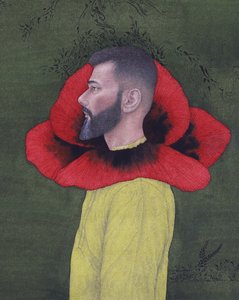
Waseem Ahmed
1976 - , Pakistan
لمحة سريعة
- Full Name: Waseem Ahmed
- Nationality: Pakistani
- Date Of Birth: 1976
- Place Of Birth: Hyderabad, Pakistan
- Notable Artworks:
- Untitled (Myth and Realities Series)
- Karachi III
- Artistic Movement Or Style: Miniature Painting
- Artists Or Movements Influenced By This Artist: ['Traditional Miniature']